
Desserts
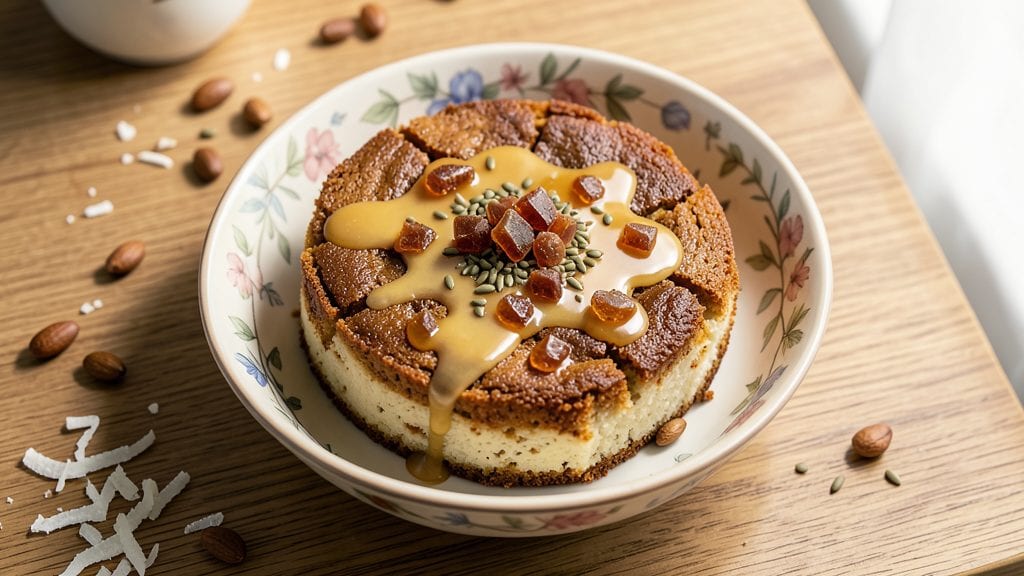
This ragi cake recipe delivers moist, nutty bites that surprise with their rich texture—all without eggs or milk. The secret lies in ragi flour’s natural binding properties and a clever mix of flaxseed and coconut milk for structure and richness.
I developed this after testing countless vegan cake recipes, and it finally nails that perfect balance between tender crumb and subtle earthy flavor.
What makes this recipe stand out is its simplicity and health benefits. Ragi, or finger millet, is packed with calcium, fiber, and protein, making this cake a nutritious treat that still satisfies sweet cravings.
The recipe uses pantry staples like flour, jaggery (or brown sugar), and spices, with no special equipment needed—just a mixing bowl and oven.
By the time you pull it from the oven, you’ll have a cake with a moist, slightly dense texture and a nutty aroma that fills your kitchen. The jaggery adds caramel notes, while cardamom and cinnamon warm up the flavor profile.
It’s perfect for breakfast, snacks, or even dessert—especially when paired with coconut chutney or a dollop of fresh fruit.
This recipe scales easily for gatherings, and leftovers stay fresh for days. Let’s make a cake that’s as good for you as it is delicious—without any compromises.
Ingredients for ragi cake
Pantry staples and simple ingredients create this nutty, moist ragi cake.
| Ingredient | Amount | Notes |
|---|---|---|
| Ragi Flour 🌾 | 1 ½ cups | Sifted before mixing |
| All-Purpose Flour 🌾 | ½ cup | For lightness and texture |
| Jaggery Powder 🍯 | 1 cup | Or brown sugar substitute |
| Coconut Milk 🥥 | 1 can | Full-fat for richness |
| Ground Flaxseed 🌱 | 2 tbsp | Mixed with water as egg replacer |
| Baking Soda 🧂 | 1 tsp | For lift and tenderness |
| Salt 🧂 | ½ tsp | Fine grain preferred |
| Ground Cardamom 🌿 | 1 tsp | Whole pods if available |
| Ground Cinnamon 🌿 | 1 tsp | Ceylon preferred for flavor |
| Vanilla Extract 🌸 | 1 tsp | Pure vanilla for depth |
| Apple Cider Vinegar 🍎 | 1 tbsp | Activates baking soda |
| Ripe Bananas 🍌 | 2 whole | Mashed, for natural sweetness |
Ragi flour is the star here—look for organic finger millet flour at health food stores or Indian grocery shops like Desi Mart or India Bazaar. The jaggery adds that caramel depth, but if you can't find it, brown sugar works in a pinch—just add an extra 1/4 cup. For the flaxseed, Bob's Red Mill is reliable, but any ground flaxseed will do. I always grab the full-fat coconut milk from Trader Joe's—it makes the cake so moist and rich. Don't skip the vanilla extract; it's what ties all the flavors together.
No jaggery? Date sugar or coconut sugar works, but you'll need to add an extra 2 tbsp of water to the batter. Want to stretch this further? Add 1/2 cup shredded coconut for texture or 1/4 cup chopped walnuts for crunch. The baking soda and vinegar combo is key—don't swap them out for baking powder unless you want a different texture. And if you're worried about the flaxseed, chia seeds work too—just use the same 2 tbsp ratio. The cardamom and cinnamon can be whole if you're feeling fancy, but ground is easier for most home cooks.
This cake stays fresh for 5 days in an airtight container at room temperature. For longer storage, freeze slices for up to 3 months—just wrap them tightly in plastic wrap. I like to portion it into small boxes so I can grab a slice anytime. The texture gets even better after a day or two, as the flavors meld. If you're serving it at room temperature, let it sit for 15-20 minutes after slicing to let the crumb set. It reheats beautifully in the microwave for 20 seconds if you want it warm.
Why You'll Love This Recipe
- No-Fuss Nutrient Boost: I love that this cake is basically foolproof—no fancy techniques, just sift the flours, mash the bananas, and fold. The ground flaxseed acts as an egg substitute, so no scrambling for eggs, and the coconut milk keeps it rich without extra effort. Honestly, the hardest part is waiting for it to cool.
- Spiced Nutty Delight: The jaggery and coconut milk create that perfect caramelized sweetness, while the ragi flour gives it a nutty depth. Add the cardamom and cinnamon, and you’ve got warm, cozy flavors that feel like a hug. That first bite? Pure satisfaction.
- Freezer-Friendly Treasure: This cake doesn’t just taste great—it stays great. Slice it fresh, or freeze portions for up to three months. Thaw a slice in the microwave for 10 seconds, and it’s as moist as the day it was baked. My secret weapon for lazy mornings or last-minute dessert.
- Budget-Friendly Luxury: Ragi flour and jaggery are affordable powerhouses, and the coconut milk adds richness without breaking the bank. I make this for birthdays, tea time, or just because—it’s always a hit, and my wallet thanks me. Plus, the leftovers disappear fast.
Step-by-step instructions for ragi cake recipe
Here's how to create a perfectly moist, nutty ragi cake that stays tender every time.
Prepare the Flaxseed Egg Substitute
In a small bowl, whisk together the 2 tablespoons ground flaxseed with 2 tablespoons water. Let it sit for 5 minutes until it thickens into a gel-like consistency—this is your egg substitute. The mixture should resemble raw egg whites in texture. Here's the thing: this step is crucial for binding the cake without eggs, so don't skip letting it fully thicken.
While waiting, mash the 2 ripe bananas in a separate bowl until completely smooth. You'll want no lumps—press them through a fine-mesh sieve if needed. The bananas add natural sweetness and moisture that keeps this cake deliciously tender. I like to use ripe bananas because they're sweeter and easier to mash, which balances the earthy ragi flavor perfectly.
Mix Wet Ingredients for Perfect Texture
In a large mixing bowl, combine the 1 can coconut milk, mashed bananas, and flaxseed gel. Whisk until completely smooth. The coconut milk provides richness while keeping the cake moist, and the flaxseed gel ensures proper structure. Add the 1 cup jaggery powder and mix until fully dissolved—this natural sweetener caramelizes beautifully during baking.
Next, stir in the 1 tablespoon apple cider vinegar and 1 teaspoon vanilla extract. The vinegar activates the baking soda later for lift, while the vanilla adds depth. Here's where it gets fun: give the mixture a taste. If it needs more sweetness, add 1-2 teaspoons more jaggery powder, but don't overdo it—the bananas already contribute natural sugar. The batter should be thick but pourable, similar to pancake batter consistency.
Combine Dry Ingredients for Lightness
In a separate bowl, sift together the 1½ cups ragi flour and ½ cup all-purpose flour. This prevents lumps and ensures even texture. Add the 1 teaspoon baking soda, ½ teaspoon salt, 1 teaspoon ground cardamom, and 1 teaspoon ground cinnamon. Mix gently with a whisk—you don't want to develop gluten, which would make the cake tough.
Gradually fold the dry ingredients into the wet mixture using a spatula, mixing just until combined. Overmixing incorporates too much air, which can cause the cake to sink. Stop mixing as soon as you see no more flour streaks. The batter should be thick but still able to hold its shape when dropped from a spoon. This is the moment that matters: the right balance between ragi's earthiness and the flours' lightness creates that perfect texture we're after.
Bake to Golden Perfection
Preheat your oven to 350°F and grease an 8-inch round cake pan or line it with parchment paper. Pour the batter into the prepared pan and smooth the top with a spatula. Tap the pan gently on the counter to remove any air bubbles—this ensures even baking and a smooth top.
Bake for 35-40 minutes until the top is golden brown and a toothpick inserted in the center comes out clean. I know it seems weird, but trust me—this cake is done when it springs back slightly when touched, not when it's still jiggly in the middle. The ragi flour can make cakes dry if overbaked, so start checking at the 30-minute mark. If the edges brown too quickly, tent the pan with foil to prevent over-browning while the center finishes cooking.
Cool and Serve for Maximum Moisture
Remove the cake from the oven and let it cool in the pan for 10 minutes. Then transfer it to a wire rack to cool completely. This resting period allows the moisture to redistribute, preventing a dry top. Here's the secret to keeping it moist: slice it when it's still slightly warm, but not hot. The cake will hold its shape better and taste even more tender.
For serving, dust with a light layer of 1 teaspoon powdered sugar if desired, or serve plain to appreciate the natural flavors. Each slice should be moist, slightly dense from the ragi, with warm cinnamon-cardamom notes. Store leftovers in an airtight container for up to 3 days, or freeze for longer storage. To revive, warm in the microwave for 10-15 seconds—the moisture will return instantly.
Pro Tips For Making Ragi Cake
- Sift Ragi First: Ragi flour is dense and packed with nutrients, which means it loves to clump. Sifting it before mixing cuts down on lumps and ensures the cake turns out evenly tender—no one wants a dry, crumbly bite from uneven flour distribution.
- Taste Before Baking: After mixing the wet ingredients, give the batter a quick taste. The bananas and jaggery powder should balance out, but if it’s still too sweet (yes, it can happen), reduce the jaggery by 1-2 teaspoons. Trust me, you’ll regret over-sweetening once that cake comes out of the oven.
- Don’t Overmix Dry Ingredients: Once you fold in the dry ingredients, stop as soon as the batter looks uniform. Overmixing develops gluten, and that’s how you end up with a tough, dense ragi cake instead of the light, fluffy texture you’re after. Think "just combined," not "homogeneous."
- Check for Springiness: The cake is done when the center springs back slightly when touched—not when it’s firm, not when it’s jiggly. Ragi cakes dry out fast, so pull it out early if the edges are browning too quickly. A toothpick test is good, but your finger knows better.
Common mistakes when making great ragi cake
Skipping the Flaxseed Gel
This is the #1 mistake I see people make—they rush the flaxseed mixture and skip letting it thicken for the full 5 minutes. Without that gel-like consistency, your cake won't hold together properly.
The flaxseed acts as an egg substitute, so skipping it means you're essentially baking a cake without any binder. Trust me, the cake will crumble instead of slice neatly. 💡
Overmixing the Batter
Once you combine the wet and dry ingredients, resist the urge to stir aggressively. Overmixing develops gluten, which makes ragi cakes tough and dense. I've seen home cooks turn this tender cake into something more like a brick.
Mix just until the flour streaks disappear—no more! The batter should be thick but still pourable, like pancake batter. This is where texture magic happens.
Ignoring the Resting Time
Pulling the cake out of the oven too soon is a common trap. Ragi cakes need that 10-minute rest in the pan to redistribute moisture before transferring to a rack. Skipping this step leads to a dry top and crumbly texture.
I've learned this the hard way—my first batch was a disaster until I finally let it rest properly. Patience pays off with a perfectly moist cake every time.
Underbaking for "Moistness"
Many people assume ragi cakes need to be underbaked to stay moist, but that's not true. The cake should spring back slightly when touched and a toothpick should come out clean. Underbaking leads to a gummy center and uneven texture.
I start checking at 30 minutes and adjust the oven temperature if needed. The ragi flour actually benefits from complete baking—it just needs careful monitoring to avoid over-browning.
Wrong Pan Size
Using a pan larger than 8 inches can cause the cake to bake unevenly. The batter spreads too thin, resulting in a cake that's dry on the edges and undercooked in the middle. I always use an 8-inch round pan for consistent results.
If you must use a different size, adjust the baking time accordingly—just keep an eye on it! This small detail makes a huge difference in texture.
Nutrition facts
Frequently asked questions
Can I substitute jaggery with regular sugar?
Yes, but expect slightly different flavor notes! While jaggery adds caramel depth, brown sugar works as a 1:1 substitute. For the best results, add 1-2 teaspoons extra water to compensate for brown sugar's moisture content. The cake will still be moist, just with a milder sweetness.
Why does my ragi cake turn out dense instead of moist?
Overmixing is the #1 culprit—it develops gluten and makes the cake tough. Mix just until the flour disappears, then stop! Also, check your baking time: 35-40 minutes at 350°F is ideal. Underbaking can leave it gummy, while overbaking dries it out. Let it cool in the pan for 10 minutes before slicing to trap moisture.
Can I make this cake gluten-free?
Just replace the ½ cup all-purpose flour with an equal amount of gluten-free flour blend. The ragi flour is already gluten-free, so this keeps it naturally grain-friendly. Just ensure your baking soda and spices are certified gluten-free to avoid cross-contamination.
How do I know when the cake is fully baked?
Look for two signs: the top should be golden brown, and when you press gently, it springs back slightly. Insert a toothpick—if it comes out clean (or with a few moist crumbs), it's done. Start checking at 30 minutes to avoid overbaking. The ragi flour can make cakes dry quickly, so monitoring is key!
Can I add nuts or dried fruit to this recipe?
Yes! For extra texture, fold in ½ cup shredded coconut or ¼ cup chopped walnuts with the dry ingredients. Or try ½ cup raisins or dried cranberries for chewy bits. Just toss them with 1 teaspoon flour first to prevent sinking. The cake will still be moist—promise!