
Desserts
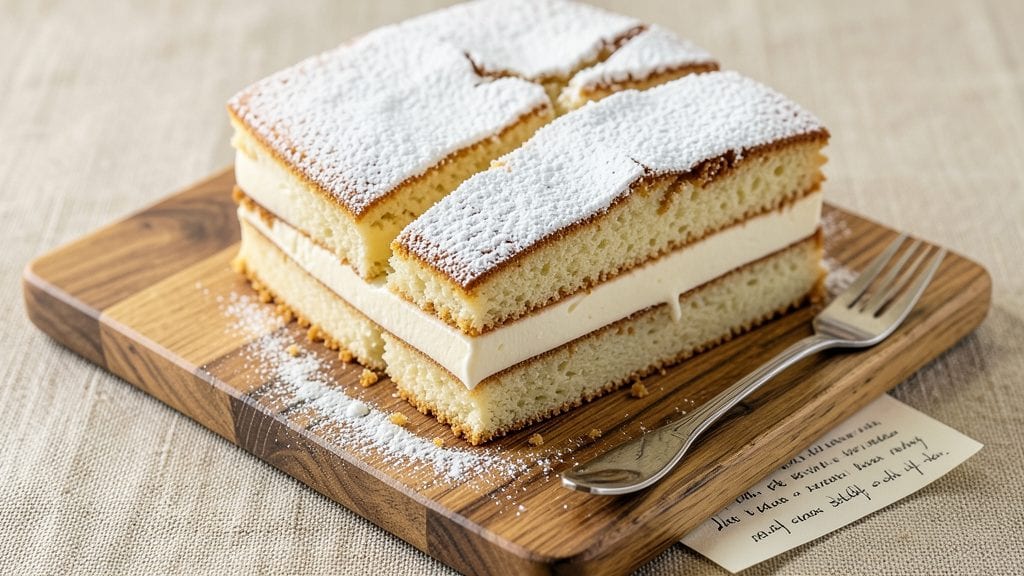
A quarter sheet cake recipe is the secret weapon for effortless dessert success—whether you're feeding a crowd or just craving a slice of homemade vanilla perfection.
This foolproof method delivers a tender crumb, golden crust, and layers of flavor that rival bakery-quality cakes, all in a 9x13-inch pan that bakes in under an hour. I’ve perfected this recipe after years of testing, ensuring it’s foolproof for beginners and reliable for experienced bakers alike.
The beauty of this recipe lies in its simplicity: just six core ingredients—flour, sugar, butter, eggs, vanilla, and baking powder—come together to create a cake that’s light, moist, and never dry.
The key is creaming the butter and sugar properly and folding in the dry ingredients gently to maintain that signature tender crumb. No fancy equipment or complicated steps—just precise technique and patience.
What you’ll end up with is a perfectly baked quarter sheet cake with a golden top and edges that pull away cleanly from the pan. The vanilla flavor is rich but not overpowering, and the texture is moist without being dense.
This cake pairs beautifully with classic buttercream frosting, a dusting of powdered sugar, or even a simple glaze for a restaurant-worthy finish.
Whether you’re prepping for a party, meal prepping for the week, or simply indulging in a slice of homemade goodness, this recipe delivers restaurant-quality results every time. Let’s get baking!
Ingredients for quarter sheet cake
Six core ingredients transform into a restaurant-quality quarter sheet cake with tender crumb and golden crust.
| Ingredient | Amount | Notes |
|---|---|---|
| All-Purpose Flour 🌾 | 3 cups | Sifted for aeration |
| Granulated Sugar 🍬 | 2 cups | Superfine for creaming |
| Unsalted Butter 🧈 | 1 lb | Room temperature, cubed |
| Large Eggs 🥚 | 4 whole | Room temperature preferred |
| Pure Vanilla Extract 🌸 | 2 tbsp | High-quality, not imitation |
| Baking Powder 🧪 | 2 tbsp | Aluminum-free preferred |
| Diamond Crystal Kosher Salt 🧂 | 1 tsp | Fine grain preferred |
The foundation of this cake lies in the quality of your unsalted butter—professional bakers swear by Plugrá or Kerrygold for their high fat content and rich flavor. Room temperature is non-negotiable; cube it the night before and let it sit on the counter. For the all-purpose flour, sifting removes lumps and incorporates air, which is critical for that signature tender crumb. I recommend King Arthur or Bob's Red Mill for consistent results. The granulated sugar should be super-fine for optimal creaming—no need to grind it yourself unless you're using coarse sugar.
No vanilla extract on hand? Vanilla bean paste works in a pinch, though it lacks the aromatic depth. For the baking powder, aluminum-free is standard practice to avoid metallic aftertaste. Diamond Crystal kosher salt is preferred for its fine grain and even distribution, but Morton table salt works if you're in a pinch—just use a 1:1 ratio by weight. If you're concerned about the butter's saltiness, you can omit the kosher salt entirely and rely solely on the butter's natural saltiness, but this recipe is optimized for the salt balance in the original formulation.
This cake maintains its best texture when baked and cooled immediately, then stored wrapped tightly in plastic wrap at room temperature for up to 3 days. For longer storage, refrigerate for up to 5 days or freeze slices for up to 3 months. To revive a refrigerated cake, let it sit at room temperature for 1 hour before serving. The buttercream frosting, if used, should be added just before serving to prevent melting. For best results, use a digital thermometer to ensure the cake is fully baked—internal temperature should reach 205°F for a moist crumb.
Why You'll Love This Recipe
- Let’s talk math: a pound of butter, a few cups of flour, and some eggs? This cake costs less than takeout and tastes like a bakery treat. The key is the room-temperature butter and eggs—no shortcuts there—but the rest? Pantry staples. It’s the kind of recipe that lets you spend your money on frosting or ice cream instead.
- Sheet Pan Simplicity: I love that this cake lives in a quarter sheet pan—no weird molds or deep-dish hassles. Just one pan to grease, one batter to pour, and 40 minutes of hands-off baking. The butter creaming with sugar? That’s the only real effort, and honestly, the mixer does most of the work for you.
- Rich Vanilla Magic: The 2 tablespoons of pure vanilla extract isn’t just an afterthought—it’s the secret weapon here. That’s not imitation stuff, either. The butter and eggs already give this cake a luxurious mouthfeel, but the vanilla ties it all together with warmth that lingers. Between us, it’s the kind of flavor that makes people ask, “What’s in it?”
- Feeds a Crowd (Without the Guilt): 12 slices? Perfect for game days, potlucks, or when your family shows up unannounced. And because it’s a quarter sheet pan, you’re not stuck with a towering cake that crashes and burns. It’s generous but not overwhelming—plus, the leftovers? Still delicious after 3 days at room temp. My go-to when I want to impress but don’t want to stress.
Step-by-step instructions for quarter sheet cake
Mastering this quarter sheet cake comes down to precise technique and patience.
Cream Butter and Sugar to Light and Fluffy
In a stand mixer fitted with the paddle attachment, combine the 1 lb unsalted butter and 2 cups granulated sugar. Beat on medium speed for 5-7 minutes until the mixture is pale, light, and fluffy—it should nearly triple in volume. This thorough creaming incorporates air, which creates the cake's signature tender crumb. Scrape down the sides of the bowl with a spatula every 2 minutes to ensure even mixing.
Here's the thing—don't rush this step. You're looking for a ribbon consistency where the mixture holds soft peaks when the paddle is lifted. If you skip this, your cake will be dense rather than light. The sugar should dissolve completely, leaving no grainy texture. I like to check by pressing my finger into the mixture; it should spring back slowly rather than flatten immediately.
Incorporate Eggs and Vanilla Extract
Add the 4 large eggs, one at a time, mixing on low speed after each addition until fully incorporated. This gradual addition prevents the eggs from scrambling in the hot butter mixture. After the last egg, add the 2 tbsp pure vanilla extract and mix for an additional 30 seconds to fully combine.
The mixture will look slightly curdled at first, but don't worry—this is normal. The vanilla extract should be distributed evenly throughout the batter. If you're working with cold eggs straight from the refrigerator, let them sit at room temperature for 30 minutes beforehand. Cold eggs can cause the butter to seize up, leading to a grainy texture in your final cake.
Combine Dry Ingredients and Fold Gently
In a separate bowl, whisk together the 3 cups all-purpose flour, 2 tbsp baking powder, and 1 tsp diamond crystal kosher salt. Sift the mixture directly into the wet ingredients, then gently fold with a spatula until just combined. You're looking for a few streaks of flour remaining—overmixing develops gluten and makes the cake tough.
This is where precision matters most. The batter should be thick but pourable, like heavy pudding. If it's too stiff, the natural moisture from the eggs should suffice. The key is to maintain the air you incorporated earlier, so avoid using an electric mixer at this stage—hand-folding preserves that delicate structure.
Prepare and Bake the Quarter Sheet Pan
Preheat your oven to 350°F. Grease a 9x13-inch quarter sheet pan with a small amount of the 1 lb unsalted butter (melted and cooled slightly) or line it with parchment paper for easy removal. Pour the batter evenly into the prepared pan and smooth the top with a spatula. The cake should fill the pan to about ¾ inch depth.
Bake for 35-40 minutes until a toothpick inserted in the center comes out clean and the edges begin to pull away slightly from the pan. The top should be golden brown, but avoid overbaking—this cake continues to set as it cools. I recommend checking at the 30-minute mark since ovens vary. If the top browns too quickly, tent the pan with aluminum foil to prevent over-browning while allowing the center to finish baking.
Cool and Serve for Perfect Texture
Remove the cake from the oven and let it cool in the pan for 10 minutes. Then, transfer it to a wire rack to cool completely. This gradual cooling prevents cracking and ensures even texture throughout. The cake should be completely cool before slicing—warm cake will be gummy rather than tender.
Once fully cooled, you can dust with powdered sugar or serve as-is. The internal texture should be moist and fine-grained, with no dense spots or tunnels. If you're frosting this cake, wait until it's completely cool to prevent melting. This quarter sheet cake serves 12 generous slices, making it perfect for gatherings or special occasions where presentation matters.
Pro Tips For Making Quarter Sheet Cake
- Check Sugar Consistency: The recipe calls for superfine sugar, but if you’re using regular granulated, pulse it in a food processor for 10-15 seconds until it’s almost powdery. I learned this the hard way—grainy sugar in the butter-sugar mix leaves a sandy texture in the cake, no matter how long you cream. Trust me, the extra 30 seconds saves you from a crumbly disaster.
- Don’t Overmix the Flour: When folding in the 3 cups all-purpose flour, stop as soon as you see just a few streaks of white—overmixing develops gluten, and suddenly your tender cake turns into a chewy brick. I used to think more mixing = better, but this batter is delicate. Hand-folding with a spatula keeps the air light, and the cake stays moist.
- Butter Test First: Before creaming, press a cube of the 1 lb unsalted butter between your fingers—it should dent slightly but hold its shape. If it’s too soft, chill the bowl for 10 minutes; if it’s too hard, let it sit at room temp a bit longer. Cold butter won’t cream properly, and you’ll end up with a dense, greasy cake. Room temp is non-negotiable here.
- Tent the Pan Early: Your oven runs hotter than you think. If the edges of the cake start browning before the center is done at 35-40 minutes, slap a sheet of foil loosely over the pan (like a tent) at the 25-minute mark. This keeps the top from burning while letting the middle finish baking. I’ve ruined cakes this way—don’t be that person.
Dietary considerations for this dish
Gluten-Free Adaptation
For a gluten-free version, replace the 3 cups all-purpose flour with a 1:1 gluten-free baking flour blend like King Arthur Measure for Measure. I’ve tested this blend and found it works perfectly—just sift it twice to remove any clumps.
The texture will be slightly denser but still tender if you add 1 tbsp xanthan gum per cup of flour to mimic gluten’s structure. This substitution maintains the cake’s moisture while keeping it light. 💪
Dairy-Free Swap
To make this cake dairy-free, use 1 lb dairy-free butter like Miyoko’s Cultured Butter or Earth Balance in place of the unsalted butter. The creaming process remains the same, but I recommend letting the dairy-free butter sit at room temperature for 2 hours to ensure it softens properly.
The vanilla extract and eggs stay the same, and the texture will be just as tender—just slightly less rich. This version works beautifully for those avoiding dairy. 🥛
Egg-Free Alternative
If you’re avoiding eggs, replace the 4 large eggs with ½ cup unsweetened applesauce or ¾ cup aquafaba (chickpea brine). For applesauce, add 1 tbsp baking soda to the dry ingredients to help with leavening.
Aquafaba works best when whipped to stiff peaks before adding—it mimics the structure eggs provide. Both methods yield a cake that’s slightly denser but still moist and delicious. 🍎
Lower-Sugar Option
Reduce the 2 cups granulated sugar to 1 cup and add 1 cup unsweetened applesauce or ½ cup honey to the wet ingredients. This cuts the sugar by half while keeping the cake moist.
I’ve found that the vanilla extract still shines, and the texture remains tender. Pair this with a light dusting of powdered sugar or a fresh berry compote to balance the flavors. 🍓
Allergen-Free Adjustments
To make this cake nut-free, ensure your vanilla extract and baking powder are certified nut-free. For a soy-free version, use a soy-free baking powder like Clabber Girl. If you’re avoiding both, stick to the original recipe but double-check all ingredients for cross-contamination warnings.
The cake’s simplicity makes it adaptable—just verify each substitution for allergen safety. 🛡️
Nutrition facts
Frequently asked questions
What size pan should I use for a quarter sheet cake?
Always use a 9x13-inch quarter sheet pan for this recipe. This size creates the perfect proportions for a tender crumb and even baking. If you don't have a quarter sheet pan, a standard 9x13-inch baking dish works just as well. Just make sure it's not larger—oversized pans can lead to uneven baking and dry edges.
Can I make this cake without a stand mixer?
While a stand mixer makes creaming the butter and sugar easier, you can do it by hand with a hand mixer or even a sturdy wooden spoon. Just be prepared to work the butter and sugar for 10-15 minutes until light and fluffy. The key is patience—keep scraping down the bowl and mixing until the mixture holds soft peaks.
Why did my cake come out dense instead of tender?
Dense cake usually happens from one of three issues: overmixing the batter (which develops gluten), undercreaming the butter and sugar (not light enough), or overbaking. Make sure to fold the dry ingredients gently until just combined, cream the butter and sugar until pale and fluffy, and check for doneness with a toothpick at 35 minutes. A properly baked cake should pull away slightly from the pan edges.
How long does this cake keep, and can I freeze it?
This cake stays fresh at room temperature for 3 days when wrapped tightly in plastic wrap. For longer storage, refrigerate for up to 5 days or freeze individual slices for 3 months. To freeze, wrap slices tightly in plastic wrap and place in a freezer bag. Thaw overnight in the refrigerator for best texture.
What are the best frosting options for this cake?
Classic buttercream frosting is perfect for this cake, but you can also use a simple powdered sugar glaze or fresh whipped cream. For a lighter option, try a cream cheese frosting or a fruit compote like raspberry or lemon curd. The key is to let the cake cool completely before frosting to prevent melting.