
Desserts
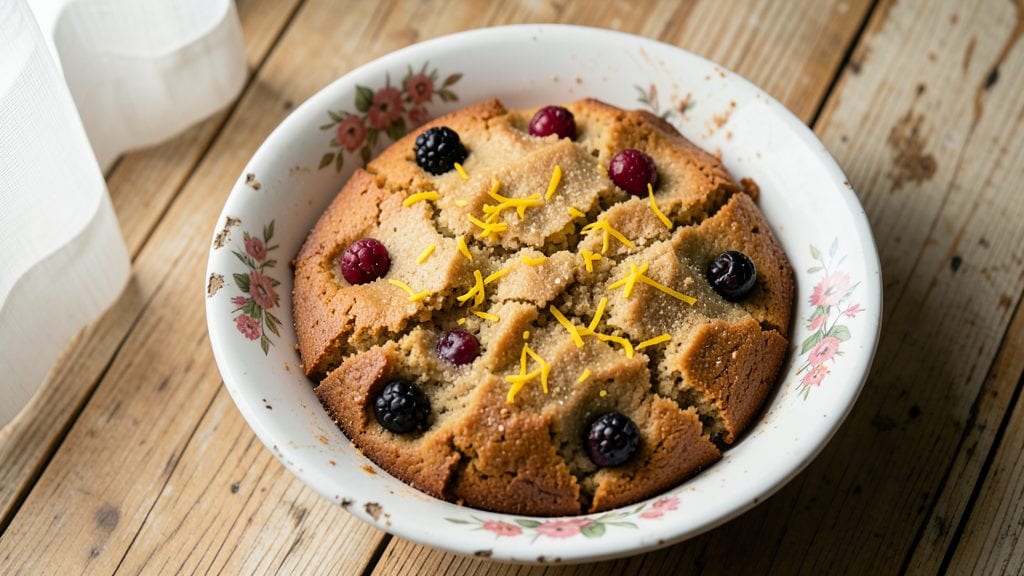
This old-fashioned Southern tea cake recipe brings back the tender, buttery nostalgia of Sunday suppers and family gatherings. The secret lies in a precise blend of flour, sugar, and buttermilk that creates a moist crumb with just the right crunch—no dry, crumbly results here.
I’ve perfected this version over years of baking for holidays, where the citrus zest adds a bright, unexpected twist that keeps everyone asking for seconds.
The beauty of these tea cakes is their versatility—they’re simple enough for a weeknight treat but elegant enough for a dinner party.
A touch of cornmeal in the batter gives them that classic Southern texture, while a hint of lemon or orange zest lifts the flavor without overpowering the buttery richness. Baking them in a 350°F oven for 12-15 minutes ensures a golden top and tender interior every time.
What makes these cakes truly special is how they improve with age—if you can wait that long. Fresh out of the oven, they’re warm and slightly sticky, but after a night in the fridge, they develop a deeper flavor and firmer bite.
Dust them with powdered sugar, serve with a dollop of whipped cream, or pair them with a cup of sweet tea for the full Southern experience.
These tea cakes are foolproof, whether you’re baking for a crowd or treating yourself to a single indulgent bite. The recipe scales easily, and leftovers keep well for days, making them the perfect dessert to have on hand for spontaneous gatherings. Let’s get baking!
Ingredients for old fashioned southern tea cake
Buttery flour, citrus zest, and a touch of cornmeal—just the basics for these nostalgic Southern bites.
| Ingredient | Amount | Notes |
|---|---|---|
| All-Purpose Flour 🌾 | 2 cups | Sifted for light texture |
| Unsalted Butter 🧈 | 1 cup | Cold, cubed for best flakiness |
| Granulated Sugar 🍚 | ½ cup | White or light brown |
| Buttermilk 🥛 | ½ cup | Room temperature preferred |
| Cornmeal 🌽 | ¼ cup | Fine grind for texture |
| Lemon Zest 🍋 | 1 tbsp | Freshly grated, no pith |
| Orange Zest 🍊 | 1 tbsp | Freshly grated, no pith |
| Baking Powder 🧂 | 1 tsp | Aluminum-free preferred |
| Salt 🧂 | ½ tsp | Fine sea salt |
| Vanilla Extract 🌸 | ½ tsp | Pure, not imitation |
| Powdered Sugar 🍚 | ¼ cup | For dusting, optional |
The butter is non-negotiable here—unsalted, cold cubes create that signature flaky crumb. Land O'Lakes or Plugrá are my go-tos, but whatever you grab at the store works if it's real butter (no margarine shortcuts). For the flour, King Arthur or Gold Medal give the best texture, but honestly any good all-purpose will do. The cornmeal adds that classic Southern crunch—Bob's Red Mill is my favorite, but the canned stuff in a blue box works too. Fresh citrus zest is key for that bright pop; organic lemons and oranges from the grocery store's produce section have the best flavor. If you can't find organic, regular store-brand works—just wash the zest really well.
No buttermilk? Substitute 0.5 cup milk plus 0.5 tsp vinegar, let it sit for 5 minutes. Short on lemon zest? Orange zest alone works too, just double it. The vanilla extract can be swapped for almond extract at half the amount if you're out, but it'll taste different. For the sugar, white or light brown both work—Domino or C&H are reliable brands. If you're feeling fancy, add a pinch of cardamom or nutmeg to the batter for extra depth. The baking powder? Clabber Girl is my go-to—it's reliable and affordable. No need to sift if you're in a hurry, but it does make a difference for that perfect texture.
These cakes taste even better the next day—store in an airtight container at room temperature for up to 3 days, or freeze for 3 months. Dust with powdered sugar right before serving for that classic Southern touch. I always make a double batch because they disappear fast. For serving, pair with a cup of sweet tea or strong coffee—the contrast is perfect. Reheat in a 300°F oven for 5-10 minutes if they've gone stale.
Why You'll Love This Recipe
- No-Fuss Mixing: I swear by this recipe because it’s three bowls max—no stand mixer, no fancy techniques. Just creamed butter, sugar, and flour with that buttermilk tang cutting through the richness. Honestly, the cornmeal gives it this subtle crunch that makes it feel special without extra work.
- Sweet & Tangy Magic: That buttermilk-soaked cake crumb? It’s the star—bright, buttery, with just enough sugar to satisfy without being cloying. The secret’s letting the batter rest while you preheat the oven; trust me, the texture changes everything.
- Picnic to Breakfast: These cakes are my go-to for church potlucks (they disappear fast) or a lazy Sunday morning with jam and coffee. They freeze like a dream too—just pop one in the toaster and it’s fresh again. (Yes, even on a Tuesday night.)
- Pantry Staple Power: Five ingredients, all things I already buy. The butter and sugar get used up fast, but the leftovers? They’re even better the next day—dry enough to toast but still moist enough to eat with just a smear of butter. Budget-friendly? Absolutely. Reliable? You bet.
Step-by-step instructions for Southern tea cakes
Here's how to make these buttery, citrus-kissed tea cakes that crumble perfectly.
Prepare the Dry Ingredients
In a medium bowl, whisk together the 2 cups all-purpose flour, ¼ cup cornmeal, 1 teaspoon baking powder, and ½ teaspoon salt. Sift the mixture through a fine-mesh sieve to aerate it—this creates a lighter texture. I like to do this over the same bowl to avoid mess, then whisk again to distribute everything evenly.
In a separate small bowl, combine the 1 tablespoon lemon zest and 1 tablespoon orange zest. This bright citrus flavor is what makes these tea cakes special. Give it a quick stir to break up any clumps from the zest, then set aside. The zest will infuse the dough with that classic Southern citrus brightness without being overpowering.
Cut in the Butter and Sugar
Place the 1 cup unsalted butter in a large mixing bowl and cut it into small cubes. I use a chef's knife for this—just chop it into pea-sized pieces. Add the ½ cup granulated sugar to the bowl with the butter. Using a pastry cutter or two forks, work the butter and sugar together until the mixture resembles coarse crumbs with some pea-sized butter pieces remaining.
This step is crucial for achieving that signature flaky texture. You want some butter pieces to stay intact—they'll melt during baking and create those lovely layers. If the mixture starts to look like wet sand, you've overworked it. Just press the dough together gently and keep going until you see those telltale butter flecks.
Mix in Wet Ingredients
Add the dry ingredient mixture to the butter-sugar bowl and stir with a wooden spoon until just combined. Then pour in the ½ cup buttermilk and ½ teaspoon vanilla extract. Mix gently until everything comes together—you're looking for a soft, slightly sticky dough that holds together when pressed.
Here's the thing—don't overmix. Once the dough forms, it's ready. Overworking develops gluten, which makes these delicate tea cakes tough instead of tender. If the dough seems too dry, add just a teaspoon more buttermilk. If it's too sticky, chill it for 10 minutes before proceeding.
Shape and Chill the Dough
Turn the dough out onto a lightly floured surface and gently pat it into a 1-inch thick rectangle. Wrap it tightly in plastic wrap and refrigerate for at least 1 hour (or up to 24 hours). Chilling firms up the butter, preventing excessive spreading during baking and helping those citrus flavors meld together.
While the dough chills, preheat your oven to 350°F. Line two baking sheets with parchment paper—this prevents sticking and makes cleanup easier. The longer you chill the dough, the better the texture will be. I often make the dough the night before and bake fresh in the morning for that perfect crumb.
Bake to Golden Perfection
Remove the dough from the refrigerator and cut it into 1-inch squares using a sharp knife or pastry cutter. Place the squares 2 inches apart on the prepared baking sheets. Bake for 12-15 minutes until the edges are light golden brown and the centers look just slightly underdone.
Here's where attention to detail pays off: the tea cakes should be tender but not soft. They'll continue cooking slightly as they cool. Remove them from the oven and let them cool on the baking sheets for 5 minutes before transferring to a wire rack. While still warm, dust the tops with ¼ cup powdered sugar for that classic finishing touch.
Serve Warm with Tea
These tea cakes are best enjoyed warm, straight from the oven. Serve them with a hot cup of tea—Earl Grey or a classic Southern sweet tea works perfectly. The buttery crumb with citrus notes pairs beautifully with the warmth of tea, making this the ultimate Southern treat.
For even better flavor, let them cool completely, then store in an airtight container for up to 5 days. Reheat in a 350°F oven for 3-4 minutes to restore that perfect crumb. The aroma alone will bring you back to grandma's kitchen.
Pro Tips For Making Old Fashioned Southern Tea Cake
- Cube That Butter: I used to melt the butter first—big mistake. Cold, pea-sized cubes of the 1 cup unsalted butter create those signature flaky layers. Chop it fast with a chef’s knife, then work it into the sugar until you see pea-sized pieces remain. That’s your golden ticket to tender crumb.
- Sift the Dry Mix: Skipping the sift for the 2 cups all-purpose flour and ¼ cup cornmeal means dense, uneven tea cakes. Whisk them together, then sift directly back into the bowl—this aerates the flour and keeps the texture light. Trust me, your future self will notice the difference.
- Chill or Suffer: That 1-hour (or overnight) fridge rest isn’t optional. The dough needs to firm up so the butter doesn’t melt into a greasy mess when baking. I’ve learned this the hard way—spread-out, greasy tea cakes are no one’s idea of a treat.
- Underbake Slightly: The edges should be golden, but the centers should look just underdone when you pull them at 12-15 minutes. They’ll firm up as they cool—overbaking turns them dry. Five minutes on the baking sheet after pulling is your secret to perfect texture.
Essential equipment for old fashioned southern tea cake
Your Trusted Mixing Bowl
The heart of these tea cakes starts with a sturdy 8-inch glass mixing bowl—I swear by Pyrex for its durability and even heat distribution. This is where you’ll cut your 1 cup cold butter into pea-sized cubes and mix it with sugar until you see those telltale butter flecks.
A pastry cutter or two forks works perfectly, but if you’re short on tools, a fork will do just fine. Just don’t overwork it! 💫
Precision Measuring Cups
Accuracy matters when baking, and stainless steel measuring cups are non-negotiable for this recipe. I use OXO Good Grips because they’re easy to read and won’t rust. Measure your 2 cups flour and ½ cup buttermilk precisely—no eyeballing!
A level scoop for the flour ensures you don’t pack it down, which would make your cakes dense instead of tender.
Non-Stick Baking Sheets
Forget parchment paper if you’re in a pinch—non-stick baking sheets like USA Pan make cleanup effortless. Line them with parchment for extra insurance, but if you’re short on time, a light spray of avocado oil will prevent sticking.
Just don’t overdo it; you want a crispy edge, not a greasy mess. Place your 1-inch squares 2 inches apart to ensure even baking.
The Right Knife for Cutting
A sharp 8-inch chef’s knife is essential for cutting your chilled dough into perfect squares. I recommend Wüsthof Classic or Shun—they glide through the dough like butter.
If your knife feels dull, it’ll tear the dough instead of slicing cleanly, leading to uneven baking. Trust me, this step makes all the difference! 🔥
Plastic Wrap for Chilling
Don’t skimp on the plastic wrap when chilling your dough—it’s your best friend for preventing freezer burn and keeping flavors fresh. I use Reynolds Wrap because it’s thick and seals tightly.
Wrap your dough snugly in a single layer to trap in moisture and prevent drying out during the 1-hour chill. This step is non-negotiable for that perfect buttery crumb.
Nutrition facts
Frequently asked questions
Why do these Southern tea cakes need to chill before baking?
Chilling the dough for at least 1 hour (or up to 24 hours) firms up the butter, preventing excessive spreading during baking. This step also lets the citrus flavors meld together, creating that perfect balance of buttery richness and bright zest. Skipping this can result in flat, greasy cakes instead of tender, flaky bites.
Can I substitute buttermilk if I don't have any?
Mix ½ cup milk with ½ teaspoon vinegar, let it sit for 5 minutes to curdle, and use it as a direct substitute. This mimics buttermilk's acidity, which helps activate the baking powder for proper rise. Just make sure it's room temperature before mixing.
What's the best way to store leftover tea cakes?
Let them cool completely, then store in an airtight container at room temperature for up to 3 days. For longer storage, freeze them for 3 months. To revive stale cakes, reheat in a 350°F oven for 3-4 minutes to restore that perfect crumb and aroma.
How do I know when the tea cakes are done baking?
Look for light golden brown edges and centers that appear just slightly underdone. They should spring back gently when pressed—if they jiggle too much, they need more time. Overbaking turns them tough, so pull them out when they're 12-15 minutes in the oven.
Can I make these tea cakes gluten-free?
While not traditional, you can substitute the 2 cups all-purpose flour with a 1:1 gluten-free baking flour blend, but expect a slightly denser texture. Reduce the ½ cup buttermilk by 1 tablespoon and add 1 teaspoon xanthan gum for better structure. The citrus zest and cornmeal will still add that Southern flavor!