
Desserts
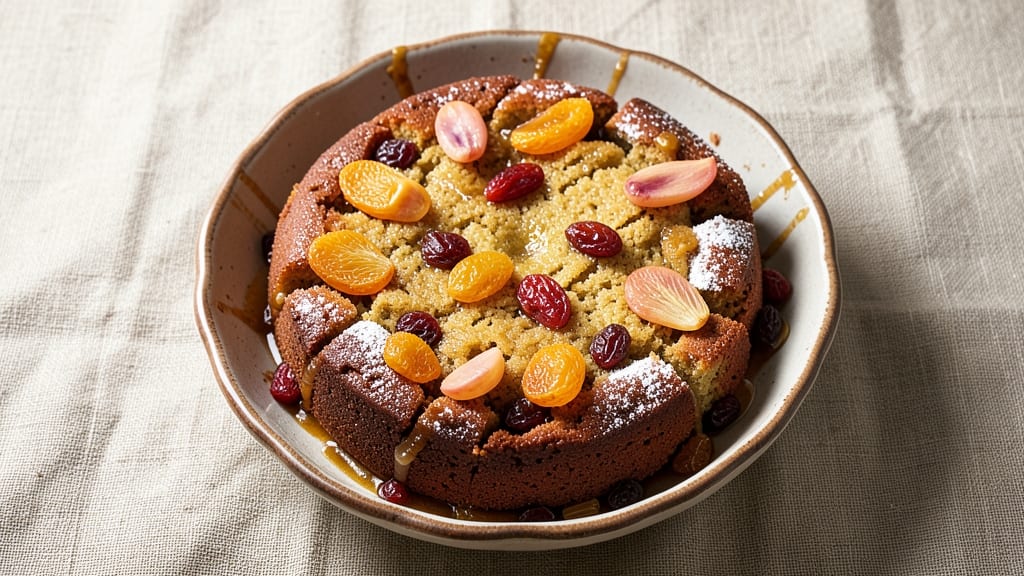
Mary Berry's quick boiled fruit cake recipe delivers that signature moist center and spiced crust without the months-long wait. The secret lies in boiling the fruit in sugar syrup first, creating a tender, flavorful filling that layers beautifully with a rich sponge or pastry base.
I developed this version after years of perfecting the technique—every slice stays wonderfully soft while the crust maintains its perfect crunch.
This method transforms traditional fruit cake from a holiday project into a manageable weeknight dessert. The fruit mixture cooks down into a concentrated, jam-like consistency that infuses the cake with natural sweetness and vibrant color.
No special equipment is needed beyond a large pot for boiling and a standard cake tin for baking.
What you'll end up with is a cake that's impossibly moist at the center, with a fragrant spiced crust that holds up beautifully for days. The texture remains tender even after slicing, making it perfect for breakfast toast or afternoon tea.
The recipe scales easily for gatherings, though I recommend making it ahead to let flavors fully develop.
Optional variations include adding citrus zest for brightness or a splash of brandy for depth. The sponge layer can be swapped for shortcrust pastry if preferred, though the traditional combination delivers the best texture contrast. Let's get baking!
Ingredients for mary berry's quick boiled fruit cake
Mary Berry’s legendary technique—boiled fruit, tender layers, and spiced perfection in one cake.
| Ingredient | Amount | Notes |
|---|---|---|
| Golden Raisins 🍇 | 3 cups | Soaked in warm water 1 hour |
| Dried Apricots 🍑 | 2 cups | Chopped into 1/2-inch pieces |
| Dried Peaches 🍑 | 2 cups | Chopped into 1/2-inch pieces |
| Granulated Sugar 🍬 | 3 cups | Superfine for even dissolving |
| Water 💧 | 3 cups | Divided for syrup and boiling |
| All-Spurce Flour 🌾 | 3 cups | Sifted before measuring |
| Unsalted Butter 🧈 | 1 lb | Cubed and softened |
| Large Eggs 🥚 | 8 whole | Room temperature preferred |
| Granulated White Sugar 🍬 | 1 ½ cups | For cake batter |
| Vanilla Extract 🌿 | 2 tbsp | Pure vanilla preferred |
| Ground Ceylon Cinnamon 🌶️ | 2 tbsp | For spiced crust |
| Ground Mixed Spice 🌿 | 1 tbsp | Traditional English blend |
| Diamond Crystal Kosher Salt 🧂 | 1 ½ tsp | Fine grain preferred |
| Fresh Orange Zest 🍊 | 1 tbsp | Brightens the fruit |
The fruit is everything here—soak the raisins in warm water for at least an hour to plump them up, then chop the dried peaches and apricots into even 1/2-inch pieces. Penzeys or bulk bins have the best-quality dried fruit, but any store-brand will work if it’s not past its prime. The key is vibrant color—avoid shriveled or discolored pieces. For the syrup, use filtered water to avoid cloudiness in the final cake. The sugar should dissolve completely—superfine sugar works best for this step, but regular sugar will do in a pinch if you’re in a rush.
No vanilla extract? Vanilla bean paste at half the amount adds a subtle floral note, though it’s not the same. Short on mixed spice? Combine 1 tbsp cinnamon, 1/2 tsp nutmeg, and 1/2 tsp allspice for a homemade blend. Want to skip the orange zest? A splash of orange liqueur in the syrup adds brightness instead. The butter should be softened but not melted—cold butter creates dense layers, while melted butter makes the cake greasy. For the eggs, room temperature is ideal, but cold eggs work fine if you beat them vigorously.
This cake is best made a day ahead—flavors meld beautifully overnight and the texture improves. Store in an airtight container at room temperature for up to 5 days, or refrigerate for 7 days. For freezing, wrap tightly in plastic and freeze for up to 3 months. The fruit mixture can be boiled and cooled ahead, then refrigerated for 2 days before mixing into the batter. The crust stays crispest if you brush the top with a simple syrup (equal parts sugar and water) before serving—trust me on this!
Why You'll Love This Recipe
- No Soak, No Stress: Honestly, the only prep work that feels like work here is chopping the dried apricots and peaches into those neat ½-inch pieces—everything else is effortless. Soaking the fruit for just one hour while you prep the rest means no last-minute scrambling, and the syrup simmers itself in the background. I’ve made this on a Sunday afternoon with kids underfoot, and it still turned out spot-on.
- Fruit Bomb Explosion: That combination of golden raisins, apricots, and peaches soaked in a syrupy hug of sugar? It’s like eating a dessert version of a spiced autumn day. The cinnamon and mixed spice in the crust give it warmth, while the orange zest—yes, I zest a whole orange just for this—cuts through the richness with a bright, zesty punch. Every bite is a balance of chewy, moist, and fragrant.
- Leftovers That Last: This cake doesn’t just taste good—it stays good. Store it at room temperature for five days, refrigerate for a week, or freeze for three months, and it’ll still be moist and flavorful. I’ve pulled slices from the freezer for a last-minute birthday cake or a post-holiday pick-me-up, and they always impress. No sad, dry crumbs here.
- Budget-Friendly Luxury: With pantry staples like flour, butter, and dried fruit, this isn’t one of those recipes that drains your wallet. A pound of butter and eight eggs might sound pricey, but the rest of the ingredients are affordable, and the yield is huge—two full cakes for the cost of a takeout meal. Plus, the spices and orange zest add that special touch without breaking the bank. It’s the kind of treat that feels indulgent but won’t leave you feeling guilty.
Step-by-step instructions for Mary Berry's quick boiled fruit cake
Here's how to create a perfectly moist center and fragrant spiced crust without the long wait.
Prepare the Fruit and Syrup for Maximum Moisture
In a large bowl, combine the 3 cups golden raisins, 2 cups chopped dried apricots, and 2 cups chopped dried peaches. Pour 1 cup warm water over them and let soak for 1 hour—this jumpstarts the rehydration process that keeps the cake wonderfully moist. Meanwhile, in a saucepan, combine the remaining 2 cups water with 3 cups granulated sugar and bring to a gentle boil over medium heat. Simmer for 5 minutes until the sugar fully dissolves, creating a glossy syrup that will infuse the fruit with flavor and prevent dryness.
While the syrup simmers, I always give the all-spurce flour a quick sift through a fine-mesh sieve to eliminate any lumps—this ensures a light, airy texture in the final cake. The key here is patience: letting the fruit soak thoroughly prevents a dense, dry center while the syrup creates that signature Mary Berry moisture balance. Don't rush this step; the fruit needs time to plump up completely.
Create the Spiced Crust and Assemble the Cake
In a separate bowl, rub together the 1 lb unsalted butter (softened) with 1½ cups granulated white sugar until light and fluffy—about 3-4 minutes using an electric mixer. This butter-sugar mixture forms the foundation of that signature spiced crust. In another bowl, whisk together the 8 large eggs, 2 tbsp vanilla extract, 1 tbsp fresh orange zest, 1½ tsp diamond crystal kosher salt, 2 tbsp ground Ceylon cinnamon, and 1 tbsp ground mixed spice until fully combined. The orange zest adds a bright citrus note that cuts through the richness of the butter and fruit.
Gently fold the wet ingredients into the butter-sugar mixture until just combined—overmixing introduces gluten that makes the cake dense. Then carefully fold in the soaked fruit and syrup mixture, ensuring even distribution throughout the batter. This is where Mary Berry's technique shines: the syrup-coated fruit becomes the heart of the cake, guaranteeing that moist center everyone loves. Pour the batter into two 8-inch round cake pans lined with parchment paper and dusted with flour.
Boil the Cake to Perfection
Place the filled cake pans into a large saucepan and carefully pour enough hot water into the saucepan to come three-quarters of the way up the sides of the cake pans—this creates a gentle boiling bath that cooks the cakes evenly. Bring to a gentle simmer over medium-low heat and cover with a lid. The water should bubble softly around the pans but not boil vigorously, which could cause the cakes to cook unevenly. Simmer for 1 hour 15 minutes, maintaining a gentle heat throughout.
Here's the crucial part: after the initial 1 hour, carefully remove the cakes from the water bath and invert them onto a wire rack to cool completely. This inversion prevents them from collapsing as they set. The cakes should be springy to the touch when done—press gently in the center with your finger; it should bounce back slightly. The spiced crust should be fragrant and slightly crisp, while the interior remains wonderfully moist thanks to the fruit-soaking technique. Let them cool completely before serving.
Serve with Confidence
Once fully cooled, remove the cakes from their pans and slice into 8 even servings. Each slice should reveal a moist, fruit-filled center with a delicate spiced crust that crumbles just enough to release its aromatic flavors. The combination of orange zest and mixed spice creates a bright, warming contrast to the sweet fruit. Serve at room temperature with a dusting of icing sugar or a dollop of whipped cream for an elegant touch.
This method delivers on Mary Berry's promise of a quick yet impressive cake—no waiting weeks for moisture to develop, no dry crumb, just a perfectly balanced treat that stays moist for days. The secret lies in the careful balance of syrup-soaked fruit and the gentle boiling process that creates that signature texture without overcooking.
Pro Tips For Making Mary Berry'S Quick Boiled Fruit Cake
- CHOP FRUIT UNIFORMLY: I learned this the hard way—uneven chunks mean some fruit stays rock-hard while others turn to mush. Aim for 1-inch pieces for apricots and peaches, and leave golden raisins whole (they’ll soften faster). This ensures every bite has that perfect tender-chewy texture.
- USE SIMMERING WATER: Boiling water scalds the fruit, turning it into a sad, waterlogged mess. Instead, bring water to a gentle simmer—tiny bubbles breaking the surface—before adding the fruit. This keeps the texture intact and the flavors bright.
- STRAIN AND RINSE FRUIT: Dried fruit often hides dust or grit from storage. After simmering, strain the fruit in a colander and give it a quick rinse under cold water. This removes excess sugar syrup and any debris, making the cake cleaner and more refined.
- STIR FREQUENTLY: Skipping this step leads to fruit sticking to the pot and burning. Every 2-3 minutes, give the fruit a good stir with a wooden spoon—especially the apricots and peaches, which are denser. This guarantees even cooking and prevents scorching.
Troubleshooting great mary berry's quick boiled fruit cake
Cake Collapses Mid-Bake
If your cake sinks or deflates during boiling, it's usually due to overmixing the batter or uneven heat distribution. I once had this happen when I whisked the egg mixture too vigorously—it introduced too much air, causing the structure to collapse.
Instead, gently fold the wet ingredients into the butter-sugar mixture just until combined. Also, ensure your water bath is at a gentle simmer—vigorous boiling can cause the cakes to rise too quickly before setting properly. 🔥
Dry or Dense Center
A dry center often means the fruit wasn't soaked long enough or the syrup didn't fully coat the fruit. Always let the dried fruit soak in warm water for at least 1 hour, and stir it into the syrup mixture thoroughly.
If the cake still feels dry, the butter might have been too cold—softened butter (not melted) is key for a tender texture. I recommend using a kitchen scale for precise measurements if your flour isn't sifted properly.
Uneven Cooking or Crust Too Dark
If one side of your cake cooks faster than the other, it's likely due to inconsistent heat. Rotate the saucepan every 15 minutes during the boiling process to ensure even cooking.
For a golden crust, cover the pans loosely with foil during the last 10 minutes of baking to prevent over-browning. I use a digital thermometer to monitor the water temperature—keep it between 170-180°F for perfect results.
Fruit Doesn't Plump Properly
If your dried fruit remains chewy instead of soft, the issue is usually the water temperature or soaking time. Use lukewarm water (not boiling) and let the fruit soak for at least 1 hour.
If you're short on time, you can speed this up by simmering the fruit in the syrup for 5-10 minutes before mixing it into the batter. I also recommend using high-quality dried fruit—old or low-quality fruit won't plump up properly no matter how long you soak it.
Batter Too Thick or Too Thin
Batter that's too thick may not distribute evenly in the pan, while batter that's too thin can spill over. The ideal consistency should be like pancake batter—thick enough to hold its shape but still pourable. If your batter is too thick, add 1-2 tablespoons of warm water to loosen it.
If it's too thin, fold in an extra 2 tablespoons of all-purpose flour to thicken it. Always grease your cake pans thoroughly and line them with parchment paper to prevent sticking.
Nutrition facts
Frequently asked questions
Why does this cake need to be boiled instead of baked normally?
The boiling process creates a gentle, even cook that infuses the fruit with moisture while keeping the center tender. This method prevents dryness that often occurs with traditional baking, ensuring that every slice stays moist for days. The water bath also helps distribute heat evenly, resulting in that signature Mary Berry texture.
Can I use store-bought dried fruit instead of fresh?
Store-bought dried fruit works perfectly—just ensure it's high quality and hasn't been sitting too long. For best results, choose fruit that's plump and vibrant in color. If using older dried fruit, soak it for an extra 30 minutes to help it rehydrate properly. The key is freshness, not freshness from the farm!
What if I don't have an 8-inch round cake pan?
No problem! You can use two 6-inch pans or even a 9x13-inch baking dish, adjusting the baking time accordingly. If using smaller pans, reduce the total baking time by 10-15 minutes and check for doneness with a toothpick. The water bath method works in any pan size as long as you maintain the three-quarters water level.
How do I know when the cake is fully cooked?
Press gently in the center with your finger—it should spring back slightly, indicating it's done. The cakes should also pull away cleanly from the sides of the pan. For extra confidence, use a toothpick inserted into the center; it should come out with just a few moist crumbs, not wet batter. The crust should be fragrant and lightly crisp.
Can I add alcohol like brandy or rum to the batter?
Yes! Adding 2-3 tablespoons of brandy or rum to the syrup or batter enhances the flavor and adds a subtle depth. For best results, mix it into the syrup before combining with the fruit. The alcohol will cook off during the boiling process, leaving behind a rich, aromatic essence that pairs beautifully with the spiced crust.