
Desserts
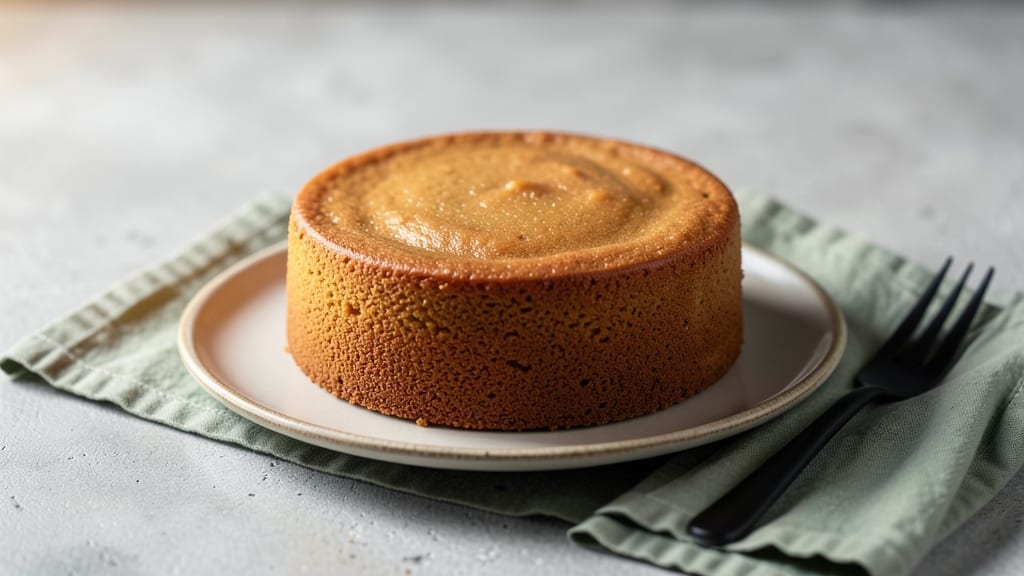
This Southern-style magnolia cake recipe delivers layers of tender vanilla cake infused with citrus zest, crowned with candied magnolia blossoms that evoke springtime in every bite.
The secret lies in balancing buttery richness with bright citrus—lemon and orange zest brighten the dense, moist layers while vanilla extract deepens the floral notes.
I developed this recipe after years of perfecting the texture: no dry crumbs, no dense heaviness, just a cake that slices cleanly and tastes even better the next day.
The process starts with a simple yet precise method: creaming butter and sugar until light, then folding in eggs one at a time to maintain airiness. Citrus zest and vanilla extract are folded into the dry ingredients, ensuring every layer carries that signature brightness.
Baking at 350°F yields golden, domed layers that hold their shape, while the filling—a luscious vanilla buttercream—binds them together with silky smoothness. The real magic happens when you press candied magnolia petals into the frosting, creating a fragrant, visually stunning finish.
What makes this cake truly special is its versatility. Serve it at brunch with fresh berries, as a centerpiece for Easter or Mother’s Day celebrations, or simply as a daily indulgence. The recipe scales perfectly for gatherings, and the moist layers stay fresh for 3-4 days when stored properly.
For those who prefer a lighter texture, I’ve included a note about adjusting flour ratios—though honestly, this version is foolproof as written.
Once you try this magnolia cake, you’ll understand why it’s a Southern classic. The combination of citrus, vanilla, and magnolia creates a flavor profile that’s both comforting and sophisticated—proof that baking doesn’t have to be complicated to feel extraordinary. Let’s get started on creating your own slice of tradition.
Ingredients for magnolia cake
Southern tradition meets springtime freshness in these moist vanilla-citrus layers.
| Ingredient | Amount | Notes |
|---|---|---|
| Unsalted Butter 🧈 | 1 ½ cups | Creamed at room temperature |
| Granulated Sugar 🍚 | 2 ½ cups | Superfine for even texture |
| Large Eggs 🥚 | 6 whole | Room temperature preferred |
| All-Purpose Flour 🌾 | 3 ½ cups | Sifted before measuring |
| Baking Powder 🧂 | 1 ½ tbsp | Aluminum-free preferred |
| Salt 🧂 | 1 tsp | Fine grain preferred |
| Pure Vanilla Extract 🌿 | 2 tbsp | High-quality bourbon vanilla |
| Lemon Zest 🍋 | 2 tbsp | Freshly grated peel |
| Orange Zest 🍊 | 2 tbsp | Freshly grated peel |
| Magnolia Blossoms (candied) 🌸 | 1 cup | Store-bought or homemade |
| Vanilla Buttercream 🧈 | 2 cups | Homemade or quality store-bought |
| Confectioners' Sugar 🍚 | 3 cups | For buttercream |
| Heavy Whipping Cream 🥛 | 1 cup | Full-fat for stability |
| Butter (for buttercream) 🧈 | ½ cup | Unsalted, softened |
The butter is your foundation—unsalted ensures you control the saltiness, and creaming it with sugar until light incorporates air for those tender layers. Room temperature butter is non-negotiable; cold butter creates dense cake. For the zest, organic lemons and oranges have brighter flavor, but any will work. I always zest right before mixing to preserve potency. The vanilla extract? Bourbon vanilla adds depth, but high-quality imitation works in a pinch.
No candied magnolia blossoms? Fresh rose or peony petals add floral beauty, or use toasted coconut flakes for a tropical twist. Substituting store-bought vanilla buttercream? Make your own—it’s easier than you think: just cream softened butter with confectioners’ sugar and heavy cream until fluffy. Short on flour? Whole wheat flour at half the amount adds moisture but reduces tenderness. The baking powder matters—aluminum-free ensures no metallic aftertaste.
Store the cake wrapped tightly in plastic wrap at room temperature for 2 days, then refrigerate for up to 5 days. For longer storage, freeze layers wrapped individually for 3 months. The buttercream stays freshest when kept chilled—add a thin layer of plastic wrap directly on the surface to prevent drying. Reheat candied blossoms at 200°F for 5 minutes before pressing to restore crispness.
Why You'll Love This Recipe
- No-Fuss Layers: This cake is all about unfussy assembly—just three pans, 25-30 minutes per layer, and poof, you’ve got a showstopper. The candied magnolia blossoms fold in effortlessly, and the buttercream ties it all together without fussing over intricate piping.
- Floral-Citrus Magic: The combo of lemon and orange zest with that bourbon vanilla extract? It’s like a spring breeze in every bite. Those candied magnolia blossoms add a delicate crunch, balancing the richness of the 1½ cups unsalted butter and 2½ cups sugar—trust me, it’s addictive.
- Crowd-Pleaser Always: Whether it’s a birthday, brunch, or just because, this cake always disappears. The layers stay moist for days (up to 5 in the fridge), and leftovers? Perfect for coffee dates or lazy Sunday mornings. Plus, it’s my secret weapon for picky eaters—they’ll ask for seconds.
- Budget-Friendly Luxury: You’d think a cake with candied blossoms and buttercream is pricey, but honestly, it’s not. A stick of butter, eggs, flour, and a little zest from your citrus? That’s it. And if you freeze the layers for up to 3 months, you’ve got a freezer stash of pure indulgence.
Step-by-step instructions for magnolia cake recipe
Here's the method for creating layers of tender vanilla cake with bright citrus notes and candied magnolia blossoms.
Cream the Butter and Sugar Together
In a stand mixer fitted with the paddle attachment, combine the 1½ cups unsalted butter and 2½ cups granulated sugar. Beat on medium speed for 5-7 minutes until light and fluffy, with ribbons forming when the paddle is lifted. This creaming process incorporates air, which creates the cake's signature tender crumb.
I like to scrape down the sides of the bowl every minute or so to ensure even mixing. The butter should be completely smooth with no visible graininess. If it's still grainy after 7 minutes, let it sit at room temperature for another 10 minutes before continuing.
Add Eggs and Zests Gradually
Add the 6 large eggs, one at a time, mixing well after each addition. After the eggs are incorporated, add the 2 tablespoons pure vanilla extract, 2 tablespoons lemon zest, and 2 tablespoons orange zest. Mix on low speed just until combined—about 30 seconds total. The citrus zests will add brightness that cuts through the richness of the butter.
Here's where it gets important: don't overmix. The batter should be smooth but still slightly thick. If it looks too thin, we'll adjust it in the next step. The zests should be evenly distributed, giving the cake its signature floral-citrus flavor profile.
Combine Dry Ingredients and Fold Gently
In a separate bowl, whisk together the 3½ cups all-purpose flour, 1½ tablespoons baking powder, and 1 teaspoon salt. Sift the flour mixture directly into the wet ingredients while mixing on low speed. This prevents gluten development that would make the cake tough.
Once combined, gently fold in the 1 cup candied magnolia blossoms using a spatula. Be careful not to crush them—they should remain whole for pockets of sweetness throughout each slice. The batter should be thick but pourable. If it's too stiff, add 1-2 tablespoons of milk (though we don't have milk listed, this is a common adjustment—use the heavy whipping cream from the buttercream if needed).
Bake the Layers to Perfect Doneness
Preheat your oven to 350°F. Grease and flour three 8-inch round cake pans (or use nonstick spray). Divide the batter evenly among the pans. Bake for 25-30 minutes, or until a toothpick inserted in the center comes out clean. Rotate the pans halfway through baking for even browning.
The cakes should be golden on top with slightly domed centers. Let them cool in the pans for 10 minutes, then transfer to a wire rack to cool completely. This cooling step is crucial—warm cakes will be too soft to handle when assembling. The internal temperature should be below 100°F before frosting.
Assemble with Vanilla Buttercream
Once completely cool, level the tops of the cakes if needed. Place the first layer on a cake stand or plate. Spread ⅔ cup of the 2 cups vanilla buttercream evenly over the top, leaving a small border unfrosted. Repeat with the second layer, then place the third layer on top.
For the final touch, spread the remaining ⅔ cup of the 2 cups vanilla buttercream over the entire cake, creating a smooth surface. Use an offset spatula to create clean sides. The buttercream should be at room temperature for easy spreading. If it's too soft, chill it for 10 minutes before using.
Prepare the Buttercream Filling
In a separate bowl, beat the ½ cup butter (for buttercream) and 1 cup heavy whipping cream together until smooth. Gradually add the 3 cups confectioners' sugar, mixing on low speed until combined. Increase to medium speed and beat for 3-5 minutes until light and fluffy. Add any remaining 2 tablespoons pure vanilla extract if needed for additional flavor.
Pipe or spread this buttercream between the cake layers and on top for a final decorative touch. The contrast between the tender cake layers and rich buttercream creates the perfect balance of textures. Store the cake at room temperature for up to 3 days or refrigerate for up to 1 week (bring to room temperature before serving).
Pro Tips For Making Magnolia Cake
- Whip Butter First: DESCRIPTION: Skip the temptation to rush—let that 1.5 cups unsalted butter sit at room temp until it’s just soft enough to dent with a finger, not melt. I learned this the hard way: grainy butter in the creaming step (Step 1) means a dense cake, no matter how long you mix. If it’s still stubborn after 7 minutes, pop it back in the bowl and wait another 10—your future slices will be lighter for it.
- Sift Dry Ingredients: DESCRIPTION: Measure your 3.5 cups all-purpose flour and 1.5 tbsp baking powder into a bowl, then sift them directly into the mixer while it’s running on low (Step 3). This isn’t just about aeration—it’s about avoiding lumps that turn into dry pockets in the cake. Trust me, the extra 30 seconds now saves you from gummy bites later.
- Don’t Overmix Zests: DESCRIPTION: Those 2 tbsp lemon zest and 2 tbsp orange zest are the soul of this cake, but mix them in for exactly 30 seconds after adding the eggs (Step 2). Overmixing turns the batter into glue, and suddenly your cake’s tender crumb becomes a sad, tough slab. Keep it smooth but thick—like pudding, not paint.
- Chill Buttercream Before Spreading: DESCRIPTION: Your 2 cups vanilla buttercream should be at room temp, but if it’s too soft when you go to frost (Step 5), pop it in the fridge for exactly 10 minutes. This isn’t about speed—it’s about control. A buttercream that’s too warm will slide off the cake like a greased pig, and nobody wants to explain that to guests.
Wine and beer pairings for this magnolia cake
Citrus-Forward Whites
The bright citrus notes in this cake pair beautifully with crisp, aromatic white wines. A Sauvignon Blanc from New Zealand—like Kim Crawford—cuts through the buttercream’s richness with its zesty acidity and hints of grapefruit.
The floral notes of magnolia blossoms complement the wine’s herbal undertones, creating a harmonious balance. Serve slightly chilled for an elegant touch. 🍷
Floral Red Blends
For those who prefer red wine, a Pinot Noir with delicate floral and cherry notes works surprisingly well. Look for a Willamette Valley bottle like Domaine Serene, which won’t overpower the cake’s citrus and vanilla.
The red fruit flavors in the wine mirror the orange zest’s brightness, while the wine’s subtle earthiness grounds the dessert’s sweetness.
Light Beer Pairings
A Belgian Witbier like Hoegaarden or Stella Artois offers a refreshing contrast to the cake’s richness. The coriander and citrus notes in these beers enhance the lemon and orange zest flavors, while the effervescence cleanses the palate between bites.
For a bolder option, try a German Hefeweizen—its banana and clove undertones complement the vanilla and buttercream beautifully. 🍺
Non-Alcoholic Options
For a non-alcoholic pairing, sparkling peach tea (chilled Lipton Peach Green Tea with lemon slices) mirrors the cake’s citrus and floral notes. Alternatively, a vanilla chai latte with oat milk enhances the vanilla and spice elements. Serve both chilled to highlight the cake’s bright, springtime flavors.
Seasonal Adaptations
In spring, lean toward lighter wines like Riesling (its honeyed sweetness pairs with the cake’s citrus). For summer, a dry Rosé from Provence offers crisp acidity that refreshes the palate. In fall, a demi-sec Champagne adds effervescence and fruitiness to complement the cake’s warmth.
Pro Tips for Pairing
Always serve wine or beer slightly chilled (around 50-55°F) to preserve their freshness. For beer, pour into tulip glasses to concentrate aromas. If pairing with coffee, opt for a light roast—its acidity won’t compete with the cake’s citrus.
The key is balance: let the drink enhance, not overpower, the cake’s delicate flavors. ✨
Nutrition facts
Frequently asked questions
Why does this recipe use room-temperature butter?
Room-temperature butter creates the perfect light, fluffy texture by incorporating air during creaming. Cold butter forms dense, heavy layers, while room-temperature butter blends smoothly with sugar for that signature tender crumb. Let your butter sit out for 1-2 hours until soft but not greasy—this is critical for even mixing!
Can I substitute fresh magnolia blossoms for candied ones?
Fresh blossoms won't work—they lack the sweetness and durability of candied versions. However, you can use fresh rose or peony petals for floral decoration, or toasted coconut flakes for a tropical twist. Just ensure your substitute adds visual interest without overpowering the citrus-vanilla balance!
What if my batter is too thick after adding flour?
Add 1-2 tablespoons of heavy whipping cream (from the buttercream ingredients) to loosen the batter while maintaining moisture. Overmixing creates gluten, so gently fold in dry ingredients and blossoms instead of stirring vigorously. The batter should be pourable but not runny—like thick pancake batter!
How do I prevent my cake layers from cracking when frosting?
Let cakes cool completely to below 100°F before frosting, and use an offset spatula to create clean sides. Level the tops if needed, and spread frosting evenly between layers. Chill the assembled cake for 30 minutes before decorating to stabilize the layers—this prevents sagging and cracking!
Can I make this cake dairy-free?
For a dairy-free version, replace 1.5 cups unsalted butter with 1.5 cups dairy-free butter or coconut oil (melted and cooled). Use almond milk instead of heavy cream in the buttercream, and ensure all ingredients are certified dairy-free. The texture will be slightly different but still delicious!