
Main Courses
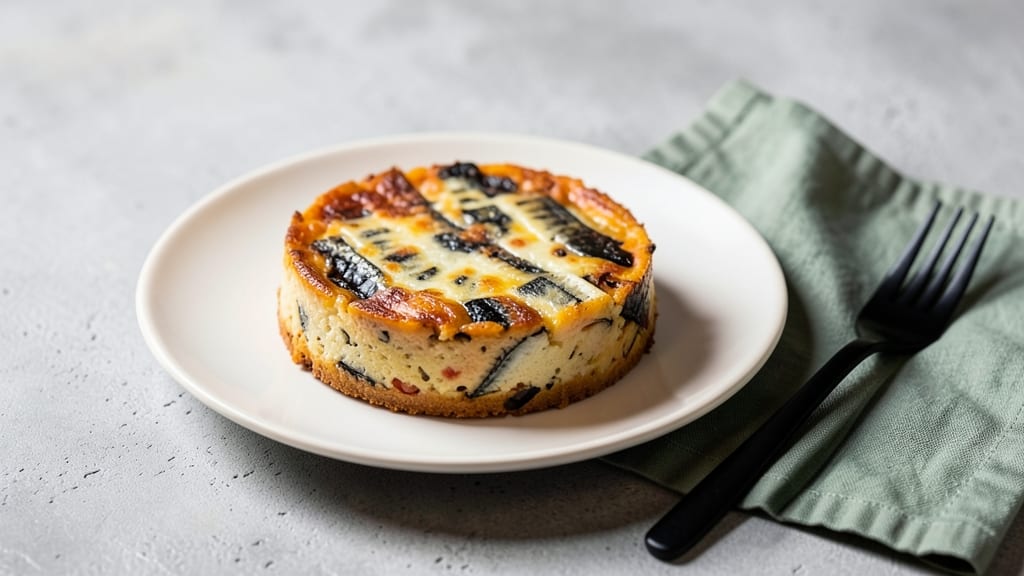
Creating crispy golden mackerel cakes with flaky texture transforms simple fish into a restaurant-worthy dish that’s surprisingly easy to master. The secret lies in properly preparing the fish—filleting it cleanly and mixing it with the right binding ingredients to ensure each bite stays together while developing that coveted crispy exterior.
I’ve tested countless variations, and this method delivers perfectly golden cakes every time, with a tender interior that melts in your mouth.
What sets these mackerel cakes apart is the balance between texture and flavor—crispy on the outside, flaky on the inside, and infused with just the right amount of seasoning.
The process involves a simple batter or breading technique, followed by careful pan-frying at the correct temperature to achieve that ideal golden finish. Freshness is key, so I’ll share how to select and prepare the fish properly to avoid any safety concerns while maximizing flavor.
Once you’ve mastered the cooking method, serving these cakes is just as important. Pair them with a bright lemon wedge, a dollop of tartar sauce, or a simple green salad to cut through the richness.
The presentation is effortless but impressive—stack them neatly on a platter, garnish with fresh herbs, and watch them disappear faster than you can say “crispy.” This dish proves that even delicate fish like mackerel can shine as a star on your dinner table.
Whether you’re hosting a dinner party or simply craving a satisfying seafood meal, these mackerel cakes deliver professional-quality results with minimal effort. The technique is straightforward, but the payoff—crispy, golden bites with a tender center—is undeniably worth it. Let’s get started on creating your perfect batch.
Ingredients for mackerel cakes
Simple ingredients transform delicate mackerel into crispy, golden cakes with restaurant-worthy flakiness.
| Ingredient | Amount | Notes |
|---|---|---|
| Fresh Mackerel Fillets 🐟 | 1 ½ lb | Skinless, deboned, cut into 1-inch pieces |
| All-Purpose Flour 🌾 | ¾ cup | For binding fish mixture |
| Panko Breadcrumbs 🍞 | ½ cup | Light and crispy texture |
| Large Eggs 🥚 | 2 whole | Beaten for coating |
| Extra-Virgin Olive Oil 🫒 | ¼ cup | For frying, high smoke point |
| Fresh Lemon Juice 🍋 | 2 tbsp | Brightens flavor profile |
| Fresh Dill 🌿 | ¼ cup | Chopped, for freshness |
| Fresh Parsley 🌿 | 0.1 cup | Chopped, for garnish |
| Granulated Garlic 🧄 | 1 tsp | Enhances flavor depth |
| Ground Black Pepper 🌶️ | ½ tsp | Freshly ground preferred |
| Kosher Salt 🧂 | 1 ½ tsp | Adjust to taste |
| Unsalted Butter 🧈 | 2 tbsp | For pan-frying |
| Mayonnaise 🥛 | ¼ cup | For optional tartar sauce |
| Capers 🍅 | 1 tbsp | For tartar sauce |
The mackerel is non-negotiable for this dish—freshness is everything. Look for sushi-grade fillets at your local seafood market or trusted grocery store like Whole Foods or Trader Joe's. The fish should smell clean and ocean-fresh, not fishy or ammonia-like. If you can't find fresh, high-quality frozen mackerel works too—just thaw it properly in the fridge overnight. For texture, pound the fillets to an even 1/4-inch thickness before cutting into pieces; this ensures even cooking and maximum crispiness. The dill and parsley should be bright green and vibrant—wilted herbs mean less flavor.
No panko? Crushed cornflakes or matzo meal work in a pinch, though they won’t be as crispy. Short on fresh dill? Dried dill at one-third the amount gets you close, but fresh is ideal. The lemon juice can be substituted with white wine vinegar if needed, though it’ll alter the flavor slightly. For the tartar sauce, Hellmann’s or Duke’s mayo are foolproof, but if you’re feeling fancy, add a pinch of Dijon mustard for extra tang. The olive oil should be light and fruity—avoid heavy, peppery varieties that can overpower the delicate fish flavor.
Mackerel cakes are best served immediately after frying, but they reheat surprisingly well. Store leftovers in an airtight container in the fridge for up to 2 days, though the texture won’t be as crispy. For longer storage, freeze them on a tray first to prevent sticking, then transfer to a bag for up to 3 months. To reheat, bake at 375°F for 8-10 minutes until warmed through. The tartar sauce keeps for 1 week in the fridge—just stir in a splash of lemon juice before serving to revive the flavor.
Why You'll Love This Recipe
- No-Fuss Assembly: I swear, this takes less effort than assembling a sandwich. Flatten the mackerel, slap on the flour-egg mix, press in panko—done. No fancy techniques, just hands-on simplicity.
- Crispy-Creamy Magic: That first bite? Crunchy golden crust from the panko gives way to tender, buttery fish inside. Honestly, the olive oil makes it taste like a restaurant dish without the fuss.
- Weeknight to Potluck: Make a batch on Sunday, freeze half, and you’ve got dinner covered. Serve with lemon wedges for a fancy touch or just dip in mayo for a quick lunch. Works for dates, family dinners, or bringing to a picnic.
- Budget-Friendly Protein: Fresh mackerel is cheaper than salmon but just as flavorful. A few fillets stretch into a whole meal, and leftovers reheat perfectly. My wallet (and my kids) thank me every time.
Step-by-step instructions for mackerel cakes
Here's the method for achieving perfectly crispy, golden mackerel cakes with a flaky interior.
Prepare the Mackerel Mixture
In a food processor, combine the 1½ lb fresh mackerel fillets with the 2 tbsp fresh lemon juice, 1 tsp granulated garlic, ½ tsp ground black pepper, and 1½ tsp kosher salt. Pulse until the mixture becomes finely chopped but still retains some texture—you want to break down the fish while keeping it moist. This ensures the cakes hold together without becoming dense.
Transfer the mackerel mixture to a large mixing bowl. Add the ¾ cup all-purpose flour and the ½ cup panko breadcrumbs, mixing gently with a fork until just combined. The flour acts as a binder, while the panko creates that signature crispy exterior. Avoid overmixing, as this can make the cakes tough. The mixture should be cohesive but still slightly crumbly.
Create the Coating and Shape the Cakes
In a shallow bowl, beat the 2 large eggs until smooth and frothy. This egg wash will help create a golden crust on the cakes. Dip your hands in cold water to prevent sticking, then take small portions of the mackerel mixture and shape them into 4 equal patties, about ½-inch thick. Each patty should be roughly 3 inches in diameter—this ensures even cooking and a consistent texture.
Place each shaped patty on a plate and brush both sides with the beaten egg mixture. Sprinkle a light layer of the remaining panko breadcrumbs over each patty, pressing gently to adhere. This double-coating technique guarantees that crispy exterior we're after. Let the coated cakes rest for 5 minutes while you prepare the pan—this allows the coating to set slightly and prevents crumbling during frying.
Pan-Fry to Crispy Perfection
Heat a large skillet over medium heat and add the 2 tbsp unsalted butter and ¼ cup extra-virgin olive oil. Let the butter melt completely and the oil shimmer—this combination gives you both flavor and a high smoke point for even cooking. Once the mixture is hot but not smoking, carefully place the mackerel cakes in the pan, leaving about 1 inch of space between each.
Cook for 3-4 minutes per side until golden brown and crispy. You'll know they're ready when the edges are deeply colored and the cakes release easily from the pan. Avoid pressing down on them while cooking—this can cause the cakes to fall apart. For extra crispiness, you can also place the cooked cakes on a wire rack for 2 minutes to allow excess oil to drip away.
Prepare the Tartar Sauce and Garnish
While the cakes are frying, prepare the optional tartar sauce by combining the ¼ cup mayonnaise, 1 tbsp capers, ¼ cup chopped fresh dill, ¼ cup chopped fresh parsley, and an additional ½ tsp kosher salt in a small bowl. Mix gently until just combined—you want to maintain some texture in the sauce for contrast. Taste and adjust the seasoning if needed, adding a touch more lemon juice if you prefer a brighter flavor.
To serve, transfer the crispy mackerel cakes to a serving platter. Garnish each cake with a sprinkle of chopped fresh dill and parsley. The tartar sauce pairs beautifully with these golden bites, balancing the richness of the fish with its tangy, herby notes. Serve immediately while the cakes are still crispy and the interior remains flaky.
Pro Tips For Making Mackerel Cakes
- Pulse Don’t Blend: DESCRIPTION:
- Wet Hands First: DESCRIPTION:
- Butter Before Oil: DESCRIPTION:
- Rest the Cakes: DESCRIPTION:
Regional styles of this dish
Scandinavian Dill Delight
In Sweden and Norway, mackerel cakes are a beloved fiskpaj—a traditional dish often served with potato salad and pickled vegetables. The key difference here is the use of whole mackerel fillets pounded thin, mixed with fresh dill and lemon zest instead of just juice.
I’ve adapted this by adding ½ cup grated potato to the batter for extra moisture, ensuring the cakes stay tender. These are served with sour cream instead of tartar sauce, creating a creamy, tangy contrast.
The dill is often wilted and mixed into the batter for that authentic Nordic touch. 🌿
Japanese Katsudon Twist
For a Japanese-inspired version, I’ve transformed mackerel cakes into a katsudon-like appetizer by adding 1 tbsp soy sauce and 1 tsp mirin to the batter.
The cakes are then pan-fried until crispy and served over steamed rice topped with a light egg custard (beaten egg mixed with a splash of milk). This fusion keeps the crispy exterior while adding a comforting, umami-rich element. Garnish with thinly sliced scallions for a pop of color. 🍚
British Fish and Chips Fusion
Channel your inner Brit by doubling down on the crispy factor! Instead of panko, I use ½ cup crushed potato chips for extra crunch, and the cakes are deep-fried in peanut oil for that classic British texture.
Serve with mushy peas and tartar sauce for an all-out fish and chips experience. The key here is double-frying—first at 325°F for 2 minutes, then at 375°F for another 2 minutes to achieve that golden, paper-thin crust. 🍟
Mediterranean Lemon-Garlic Style
Inspired by Greek tavernas, this version swaps panko for ½ cup almond flour, which adds a nutty depth.
The batter includes 1 minced garlic clove and 1 tbsp lemon zest for brightness, while the cakes are brushed with olive oil and baked at 400°F for 12 minutes instead of frying.
Serve with tzatziki sauce and a simple Greek salad—the lemon and garlic shine here, balancing the richness of the fish. 🍋
Caribbean Spiced Version
For a tropical twist, I add 1 tsp ground allspice and ½ tsp thyme to the batter, along with 1 tbsp lime juice instead of lemon. The cakes are pan-fried in coconut oil, giving them a subtle sweetness.
Serve with mango salsa (diced mango, red onion, cilantro, and lime) and a cooling coconut yogurt sauce. The spices infuse the fish beautifully, making these cakes feel like a vacation in every bite. 🌴
Nutrition facts
Frequently asked questions
Why does my mackerel mixture turn too dense?
Overprocessing the fish in the food processor is the usual culprit. Stop pulsing when the mixture still has small visible pieces—this keeps it moist and prevents a tough texture. Also, avoid overmixing after adding flour and panko; just combine gently with a fork. The goal is a slightly crumbly consistency, not a smooth paste.
Can I skip the resting time for the cakes before frying?
Yes, but you risk the coating falling off during frying. The 5-minute rest lets the egg wash and panko adhere properly. If you're in a hurry, lightly press the breadcrumbs onto the cakes after shaping but still let them sit for at least 2 minutes for better results.
How do I know when the mackerel cakes are fully cooked?
They're done when the edges are deep golden brown and the interior reaches 145°F internally. The cakes should also release easily from the pan without sticking. For extra assurance, the center should look slightly translucent but still moist. Avoid cutting too soon—wait until they've rested for 1-2 minutes after removing from heat.
What can I use if I don't have panko breadcrumbs?
Crushed cornflakes or matzo meal work in a pinch, though they won't be as crispy. For a breadcrumb alternative, try finely ground crackers or even almond flour for a nutty texture. Just note that the exterior may be slightly less crunchy. The key is to maintain a fine, dry texture similar to panko.