
Desserts
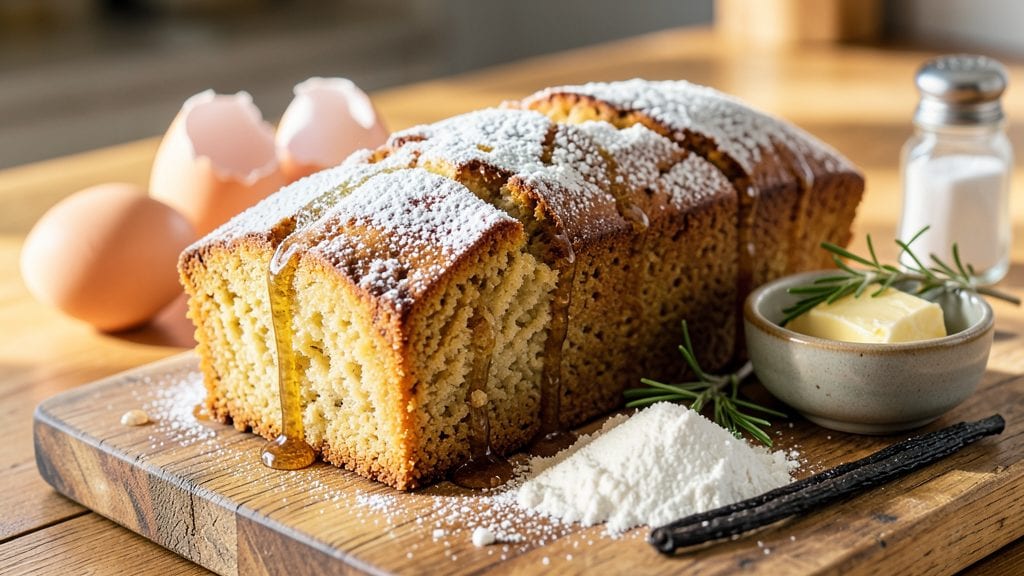
My grandmother’s pound cake recipe carries the weight of family tradition—layers of buttery richness, vanilla sweetness, and a crumb so tender it crumbles at the slightest touch. This isn’t just dessert; it’s a piece of childhood nostalgia, passed down through generations with the same precision and love.
The secret lies in the method: equal parts butter, sugar, and flour create a cake that’s dense yet light, with a golden crust that begs to be sliced.
What makes this recipe special is its simplicity—no fancy techniques, just a few key steps that deliver foolproof results every time. The cake bakes at a precise 350°F for 50-60 minutes, yielding moist layers that stay fresh for days.
The vanilla extract infuses deeply, while a touch of salt balances the sweetness, creating a flavor profile that’s both comforting and refined. It’s the kind of cake that tastes like home, no matter where you are.
By the time you pull it from the oven, you’ll have a cake with a golden, crackly top and a tender interior that slices cleanly. The aroma alone—warm vanilla, buttery richness, and just a hint of caramelized sugar—will have everyone gathering around the table.
Serve it plain with a dusting of powdered sugar, or elevate it with a simple buttercream or fresh berries.
This recipe honors the past while fitting seamlessly into modern kitchens—perfect for holidays, Sunday suppers, or whenever you crave a taste of tradition. Let’s bake it together, layer by layer.
Ingredients for grandmother pound cake
Equal parts butter, sugar, and flour create this timeless grandmother's pound cake.
| Ingredient | Amount | Notes |
|---|---|---|
| Unsalted Butter 🧈 | 1 ½ lb | Room temperature for best texture |
| Granulated Sugar 🍬 | 1 ½ lb | Superfine for even distribution |
| All-Purpose Flour 🌾 | 2 cups | Sifted for light crumb |
| Large Eggs 🥚 | 6 whole | Room temperature for even baking |
| Pure Vanilla Extract 🌿 | 2 tbsp | High-quality for authentic flavor |
| Fine Sea Salt 🧂 | 1 tsp | Balances sweetness perfectly |
| Baking Powder 🔥 | 2 tsp | For gentle lift |
| Powdered Sugar 🍮 | ½ cup | For dusting finished cake |
| Fresh Berries 🍓 | 1 cup | Optional garnish, optional |
The butter is everything here—Kerrygold or Land O’Lakes work best for that rich, creamy texture. I always buy the full-fat, unsalted version because you control the salt with the fine sea salt. Room temperature is non-negotiable; microwave it 40 seconds to just melt it if it’s cold. For the sugar, Domino or C&H are reliable—no need to splurge on specialty brands here. The vanilla extract? McCormick or Maille give that authentic taste your grandmother used. Freshly ground vanilla beans are overkill unless you’re making a special occasion batch.
No vanilla extract? 1 tsp vanilla bean paste works in a pinch, or use 1 tbsp almond extract for a different flavor profile. Substituting eggs? Flax eggs or applesauce at a 1:1 ratio, but the texture won’t be as tender. If you can’t find sifted flour, just shake your measuring cup vigorously—no clumps allowed. The baking powder is key—double-check the expiration date—old baking powder won’t give you that perfect rise. For the powdered sugar, Confectioners’ Sugar from Trader Joe’s is my go-to—it’s fine and clump-free.
This cake keeps beautifully for 3-4 days in an airtight container at room temperature. For longer storage, wrap tightly in plastic and refrigerate—it’ll last 5-6 days. Freezing works too: wrap individual layers in foil and freeze for up to 3 months. To reheat, pop it in a 300°F oven for 10 minutes to restore that buttery aroma. The powdered sugar? Store it in an airtight jar with a slice of bread to keep it fresh—worth the extra minute. Always let the cake cool completely before dusting with powdered sugar to avoid a sticky mess.
Why You'll Love This Recipe
- Here’s what sold me: that perfect balance of 1.5 lbs of rich unsalted butter and 6 large eggs with 2 tbsp of pure vanilla extract. It’s not overpowering sweetness—just enough buttery warmth with a whisper of vanilla that lingers. The fine sea salt (just 1 tsp) ties it all together, making every bite dangerously satisfying. Trust me, imitation vanilla won’t cut it here.
- No Mixer, No Problem: I’ll admit, I don’t always have a stand mixer on hand—but this cake still turns out spot-on. Just use a hand mixer or even a sturdy whisk for the butter and sugar. The key is patience: beat those 1.5 lbs of unsalted butter and granulated sugar until it’s light as air, even if it takes a few extra minutes. The result? That same tender crumb without the fancy gadget.
- Vanilla & Butter Love Story: Here’s what sold me: that perfect balance of 1.5 lbs of rich unsalted butter and 6 large eggs with 2 tbsp of pure vanilla extract. It’s not overpowering sweetness—just enough buttery warmth with a whisper of vanilla that lingers. The fine sea salt (just 1 tsp) ties it all together, making every bite dangerously satisfying. Trust me, imitation vanilla won’t cut it here.
- Feeds a Crowd (or Just You): This isn’t one of those “make it smaller” recipes. Two 9-inch layers mean plenty of slices for a brunch crowd or leftovers for your lunchbox. And honestly? The cake keeps well for 3-4 days at room temperature. I’ve had my fair share of “emergency dessert” moments where this saved the day—no stress, just deliciousness.
Step-by-step instructions for grandmother's pound cake
Here's how to create layers of buttery richness and vanilla essence that'll make you feel like you're in Grandma's kitchen.
Cream the Butter and Sugar Together
In a stand mixer fitted with the paddle attachment, beat the 1½ lb unsalted butter and 1½ lb granulated sugar on medium speed for 5-7 minutes. You'll notice the mixture lighten in color and nearly double in volume—this is the air being incorporated, which creates that tender crumb we're after. The butter should be completely smooth and fluffy, with no visible streaks of sugar remaining.
I like to use the back of a spoon to scrape down the sides of the bowl every minute or so. This ensures everything gets properly mixed and prevents any sugar from clumping. The reason we take our time here is that this creaming process is what gives pound cake its signature moist, rich texture. If you rush it, you'll end up with a denser cake that lacks that lovely lightness.
Add Eggs and Vanilla Extract
With the mixer still running on medium speed, add the 6 large eggs one at a time, allowing each to be fully incorporated before adding the next. After all eggs are added, mix for an additional 2 minutes until the mixture is completely smooth and pale. This step is crucial for achieving that classic pound cake texture—adding eggs too quickly can create a curdled effect.
Next, add the 2 tbsp pure vanilla extract and mix for 30 seconds until fully combined. The vanilla should be evenly distributed throughout the batter. Here's the thing—this is where the flavor really starts to develop. The vanilla will infuse throughout the cake, giving it that authentic, comforting aroma that reminds you of Grandma's kitchen. Don't skip this step or use imitation vanilla—it makes a noticeable difference in the final flavor.
Combine Dry Ingredients and Fold Gently
In a separate bowl, whisk together the 2 cups all-purpose flour, 2 tsp baking powder, and 1 tsp fine sea salt. Sift the flour mixture directly into the butter mixture while the mixer is on low speed. Mix just until combined—you should still see some flour streaks. Overmixing develops gluten, which can make the cake tough instead of tender. This is where patience pays off.
Once the dry ingredients are incorporated, remove the bowl from the mixer and gently fold in the 1 cup fresh berries by hand using a silicone spatula. Be careful not to crush the berries too much—you want them to add bursts of fruitiness throughout the cake without turning it into a berry compote. The berries will add natural sweetness and moisture, balancing the rich butter and sugar.
Bake in Layers for Perfect Texture
Preheat your oven to 325°F. Grease and flour two 9-inch round cake pans or line them with parchment paper circles. Divide the batter evenly between the two pans. Bake for 45-50 minutes, or until a toothpick inserted into the center comes out clean. The cake should be golden brown on top and spring back gently when touched.
Here's the secret to that classic pound cake texture: let the cakes cool in the pans for 15 minutes before removing them. Then, flip each cake onto a wire rack to cool completely. This gradual cooling process helps prevent cracking and ensures the layers stay intact. While the cakes cool, you can prepare the ½ cup powdered sugar for dusting—this is the perfect finishing touch that adds just the right amount of sweetness without overwhelming the rich cake flavor.
Layer and Dust for Grandmother's Touch
Once completely cooled, place one cake layer on a serving plate. Spread a thin layer of the remaining butter (about 2 tbsp) over the top, then place the second cake layer on top. This butter layer is what creates those signature buttery layers that make pound cake so special. Brush any remaining butter over the top and sides of the cake if desired.
Finally, dust the top and sides of the cake generously with the ½ cup powdered sugar using a fine-mesh sieve. This step is what gives the cake that elegant, finished look. Serve slices warm or at room temperature—either way, they'll be rich, moist, and perfectly balanced between sweet and buttery. The berries will add a lovely contrast to each bite, making every slice feel like a little taste of home.
Pro Tips For Making Grandmother Pound Cake
- Scrape the Bowl: I learned this the hard way—skipping the scrape-down every minute means sugar clumps hide in your butter mix, leaving pockets of dryness in the cake. Even if it feels tedious, take those 30 seconds per minute to keep everything smooth and light.
- Use Superfine Sugar: Regular granulated sugar won’t dissolve evenly, and you’ll end up with grainy texture in every bite. Pulse it in a food processor for 30 seconds—it’s worth the effort for that silky, professional crumb.
- Don’t Overmix the Flour: Once the flour is just combined, stop. I’ve seen people mix until the batter looks uniform, but that’s when gluten gets tough. A few streaks are fine—your cake will thank you with a tender, melt-in-your-mouth texture.
- Cool the Cakes Slowly: Rushing to flip them out of the pan after 10 minutes? That’s how cracks happen. Give those cakes a full 15 minutes in the pan, then invert onto the rack. Patience here keeps the layers intact and the crumb perfect.
Wine and beer pairings for this dish
Classic Wine Pairings
The rich, buttery layers of this pound cake call for a wine that can stand up to its deep vanilla and sugar notes. I always reach for a dry Riesling from Germany or Alsace—its crisp acidity cuts through the richness while complementing the vanilla.
Look for Dr. Loosen Blue Slate or Trimbach Riesling Grand Cru for that perfect balance. The slight sweetness in some Rieslings also harmonizes beautifully with the cake’s natural sweetness. 🍷
Buttery Chardonnay
A buttery Chardonnay like a Chablis from Burgundy or a California-style Meiomi is another fantastic choice. The oak and vanilla notes in these wines mirror the cake’s flavors, creating a luxurious pairing. Avoid overly oaky or sweet Chardonnays—they can overpower the cake’s delicate vanilla essence.
Light Red Options
If you prefer red wine, a light Pinot Noir from Oregon or Burgundy works wonders. The red fruit and earthy undertones in a Domaine Drouhin Oregon Pinot Noir won’t clash with the cake’s sweetness. Skip bold reds like Cabernet Sauvignon—they’re too tannic and will overwhelm the dessert’s delicate flavors.
Craft Beer Companions
For beer lovers, a wheat beer like Blue Moon or a German Hefeweizen adds a refreshing contrast to the cake’s richness. The slight sweetness and citrus notes in these beers enhance the vanilla and berry flavors. Avoid heavy IPAs or stouts—they’ll clash with the cake’s tender texture and sweetness. 🍺
Dessert Wine Elevation
For a special occasion, a Vin Santo or Sauternes dessert wine elevates this cake to restaurant-quality. The nutty, caramelized notes in these wines complement the cake’s buttery layers perfectly. Serve a small glass alongside a slice for an indulgent treat that feels like a true indulgence. 💫
Nutrition facts
Frequently asked questions
Why does this pound cake recipe use equal parts butter, sugar, and flour?
This classic ratio creates the signature dense yet tender crumb that makes pound cake so special. The high butter content ensures richness, while the equal sugar and flour balance moisture and structure. The result is a cake that's moist but not cakey, with a perfect golden crust that stays fresh for days.
Can I make this cake in a single layer instead of two?
Use a 9x13-inch pan and reduce baking time to 40-45 minutes. The texture will be slightly different but still delicious. For best results, bake at 325°F and check for doneness with a toothpick. The single layer works great for sheet cake presentations or when you prefer thicker slices.
What's the secret to keeping this cake moist for days?
The butter-to-flour ratio and proper cooling are key. Let the cake cool completely in the pan for 15 minutes before transferring, then wrap tightly in plastic or store in an airtight container. The butter creates a natural moisture barrier that keeps the cake tender. For extra freshness, brush warm slices with melted butter before serving.
Can I substitute vanilla extract with something else?
Yes! For 1 tsp vanilla bean paste or 1 tbsp almond extract work well. For a citrus twist, add 1 tbsp lemon zest along with the vanilla. Just remember that substitutions may slightly alter the traditional vanilla flavor profile that makes this cake so nostalgic.
Why does my cake crack on top?
This happens when the cake cools too quickly or if the oven temperature fluctuates. Always preheat your oven fully and avoid opening the door during baking. Let the cake cool in the pan for 15 minutes before removing. For extra insurance, bake at 325°F instead of higher heat. The cracks won't affect the flavor!