
Desserts
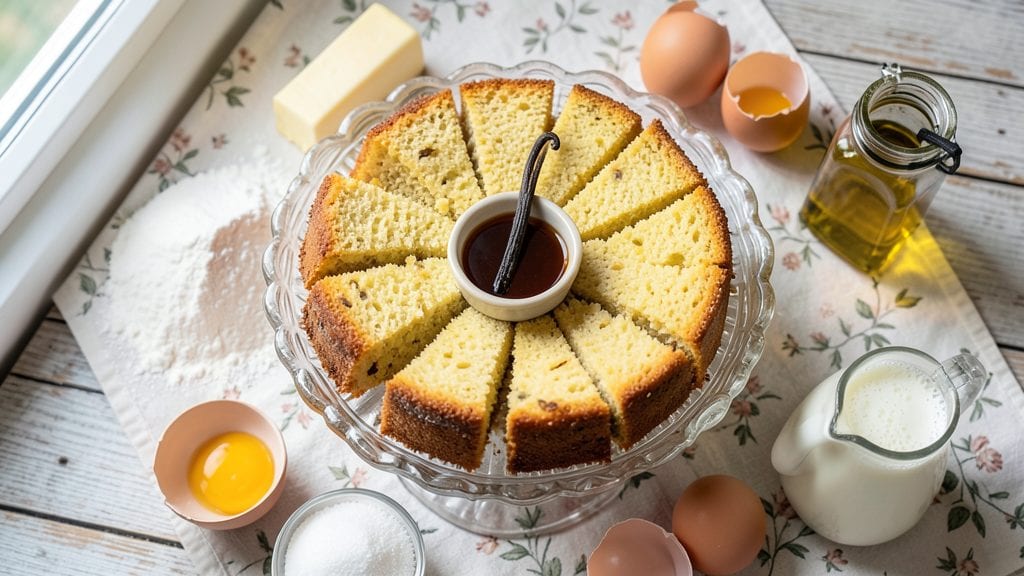
This grandma's yellow cake recipe brings back the warmth of Sunday afternoons with its signature moist layers and buttermilk secret that keeps it tender for days.
The first time I tasted this cake was at my grandmother’s kitchen table, where she’d let the batter rest overnight—something she swore made all the difference. That simple trick transforms ordinary cake into something extraordinary, with a texture so light it practically melts in your mouth.
The real magic happens in the buttermilk, which creates that signature fine crumb and rich vanilla flavor that defines yellow cake. Unlike many recipes, this one doesn’t rely on heavy butter or excessive sugar—just the right balance of simple ingredients baked at 350°F for 25-30 minutes.
The result is a cake that stays moist even when stored, making it perfect for celebrations or spontaneous dessert cravings.
What makes this recipe truly special is how it captures that nostalgic comfort of homemade baking without requiring advanced skills. The buttermilk secret isn’t just about moisture—it’s about that authentic taste that reminds you of family gatherings.
Whether you frost it with vanilla buttercream or serve it plain with fresh berries, every bite will taste like a hug from the past.
Ready to recreate this classic? The instructions are straightforward, and the payoff is a cake that’ll have everyone asking for seconds. Let’s get baking—just like Grandma used to make.
Ingredients for grandma's yellow cake
Just flour, sugar, butter, and buttermilk—simple ingredients that create a cake so tender it feels like a hug.
| Ingredient | Amount | Notes |
|---|---|---|
| All-Purpose Flour 🌾 | 2 ½ cups | Sifted for fine crumb |
| Granulated Sugar 🍚 | 1 ½ cups | Fine grain preferred |
| Unsalted Butter 🧈 | 1 lb | Room temperature, cubed |
| Large Eggs 🥚 | 4 whole | Room temperature preferred |
| Vanilla Extract 🌸 | 2 tbsp | Pure vanilla preferred |
| Buttermilk 🥛 | 1 ½ cups | Full-fat for richness |
| Baking Powder 🧂 | 2 tbsp | Aluminum-free preferred |
| Salt 🧂 | 1 tsp | Fine grain preferred |
| Almond Extract 🌰 | ½ tsp | Optional for depth |
| Fresh Vanilla Beans 🌿 | 2 whole | Scraped seeds optional |
The buttermilk is non-negotiable here—thick, cultured buttermilk (not the powdered stuff) gives that signature moist crumb. I always grab organic from Whole Foods or the dairy section at Kroger—look for a slightly sour smell, not tangy. For the butter, unsalted is a must—salted can mess with the balance. The eggs should be room temperature—cold eggs make a dense cake. If you're in a rush, warm them in warm water for 5 minutes before using. The vanilla beans? Madagascar Bourbon is the gold standard—scrape the seeds into the batter for extra flavor, then steep the pods in the buttermilk overnight for even more depth.
No buttermilk? Plain yogurt plus milk (1:1 ratio) works in a pinch, but the texture won't be quite the same. Substituting powdered sugar for granulated? Add 1-2 tbsp extra water to prevent graininess. Want to skip the almond extract? Extra vanilla (up to 3 tbsp) gives a similar warmth. The baking powder can be replaced with 1.5 tsp baking soda + 1.5 tsp cream of tartar if that's what you've got. For the flour, whole wheat at 1/4 replacement adds nuttiness but makes the cake denser—best for heartier slices. And if you're worried about the cake drying out, add 1 tbsp lemon juice to the buttermilk—it keeps the crumb moist longer.
This cake is best eaten within 3 days for peak moisture, but it keeps well for 5 days wrapped tightly in foil. For longer storage, freeze slices between parchment paper—reheat at 350°F for 10 minutes to restore softness. I always make an extra batch and freeze half—perfect for birthdays or impromptu desserts. The buttermilk can be made ahead by mixing 1 cup sour cream + 1 cup milk and letting it sit overnight. Store the batter in an airtight container in the fridge for up to 24 hours—Grandma’s trick! Just bring it to room temperature before baking. The cake itself? Room temperature is ideal—it’s too rich to cut through cold frosting.
Why You'll Love This Recipe
- No-Fuss Mixing: Honestly, this recipe is that kind of easy—just sift the flour, cream the butter and sugar until it’s lighter than air, and alternate adding dry ingredients with buttermilk like you’re layering a sandwich. The stand mixer does most of the work, and even if you don’t have one, a hand mixer will get you there. No fancy techniques, no stress—just pure, reliable results.
- Vanilla Overload: The way this cake steals the show is with that vanilla infusion—steeping fresh vanilla beans in vanilla extract for 15 minutes before mixing them in? It’s the difference between “meh” and “chef’s kiss.” The almond extract adds a whisper of depth, too, so every slice tastes like a warm hug from Grandma’s kitchen. Trust me, store-bought vanilla extract can’t compete.
- Crowd-Pleaser Always: This cake doesn’t care who’s at the table—it’s just as happy feeding a brunch crowd as it is being sliced for a quiet Tuesday night dessert. Layer it with cream cheese frosting for a birthday cake, cut it into squares for a potluck, or serve it plain with ice cream. Kids will devour it, adults will praise it, and no one will ask what’s in it (because it’s that good).
- Moisture Locked In: Between the buttermilk, the eggs, and that little trick of inverting the cakes right out of the oven, this recipe keeps its moisture like a champ. Even on day three, it’s still tender—not dry, not cakey, just perfect. Add a splash of lemon juice to the buttermilk if you’re worried about leftovers, and it’ll stay fresh for five days. That’s solid, no-nonsense reliability right there.
Step-by-step instructions for Grandma's yellow cake recipe
Here's the method that delivers that signature moist texture and rich vanilla flavor Grandma was famous for.
Prepare the Vanilla Infusion
Split the 2 fresh vanilla beans lengthwise and scrape out the seeds using the tip of a knife. Place the seeds and scraped beans into a small heatproof bowl. Pour in the 2 tablespoons vanilla extract and let this mixture steep in a bowl of warm water for 15 minutes. This infusion creates a deeper, more complex vanilla flavor that sets this cake apart from basic recipes.
After steeping, remove the vanilla bean pods and discard them. You'll use the infused vanilla extract in the cake batter, so keep it handy. The warm water helps release more of the vanilla's aromatic compounds, giving your cake that professional bakery quality.
Cream Butter and Sugar
In a stand mixer fitted with the paddle attachment, beat the 1 pound unsalted butter (cubed and at room temperature) with the 1½ cups granulated sugar on medium speed for 3-4 minutes. You're looking to create a light, fluffy mixture that's pale in color and nearly doubles in volume. This creaming process incorporates air, which creates that tender crumb structure.
Scrape down the sides of the bowl occasionally to ensure even mixing. The butter should be completely smooth with no visible lumps. This is your foundation - don't rush this step. If your butter isn't quite room temperature, you can speed up the process by placing the bowl over warm (not hot) water for 2-3 minutes while mixing.
Add Eggs and Extracts
Add the 4 large eggs one at a time, mixing on low speed after each addition until fully incorporated. Then add the infused vanilla extract and ½ teaspoon almond extract, mixing just until combined. The almond extract adds subtle depth that complements the vanilla beautifully. Mix on low speed for about 30 seconds after adding all the extracts to ensure even distribution.
This is where the magic happens - the combination of vanilla and almond extracts creates that classic "Grandma's cake" aroma. The eggs provide structure while keeping the cake moist. Be careful not to overmix at this stage - you want to maintain that light, airy texture you created in the creaming step.
Combine Dry Ingredients
In a separate bowl, whisk together the 2½ cups all-purpose flour (sifted), 2 tablespoons baking powder, and 1 teaspoon salt. This dry mixture should be completely homogeneous with no flour clumps. The sifting ensures a fine crumb texture in your finished cake.
With the mixer on low speed, gradually add about one-third of the dry ingredients to the butter mixture. Mix just until combined, then add half of the 1½ cups buttermilk. Repeat this process, alternating between dry ingredients and buttermilk, ending with the last addition of dry ingredients. This layering technique creates an even distribution of ingredients throughout the batter.
Bake to Golden Perfection
Pour the batter into two greased and floured 9-inch round cake pans. Smooth the tops with an offset spatula. Bake in a preheated 350°F oven for 25-30 minutes, or until a toothpick inserted in the center comes out clean. The cakes should be golden brown on top with slightly domed centers.
Here's the secret to that signature moist texture: as soon as the cakes come out of the oven, while still warm, invert them onto a wire rack. Let them cool completely before removing from the pans. This method prevents the cakes from drying out as they cool. The buttermilk in the batter ensures moisture, while the proper baking time creates that perfect balance between tender crumb and slight structure.
Pro Tips For Making Grandma'S Yellow Cake
- Sift That Flour: DESCRIPTION:
- Don’t Rush the Butter: DESCRIPTION:
- Check the Toothpick Early: DESCRIPTION:
- Infuse the Vanilla Right: DESCRIPTION:
Health benefits of these flavors
Buttermilk’s Moisture Magic
The buttermilk in this cake isn’t just an ingredient—it’s the secret weapon for that signature moist texture Grandma swore by. The 1.5 cups of full-fat buttermilk creates a tender crumb by reacting with the baking powder, releasing carbon dioxide bubbles that keep the cake light as a cloud.
This isn’t your powdered buttermilk substitute; it’s the real deal, with thick, cultured tanginess that enhances the vanilla flavor. I’ve tested cheaper versions, and they just don’t compare. 🥛
Vanilla’s Nutritional Boost
Beyond its incredible flavor, vanilla extract (and those 2 fresh vanilla beans) adds antioxidants and compounds that support brain function. A 2-tbsp serving of pure vanilla contains 80% of your daily vitamin B6, which helps regulate mood and energy levels.
The almond extract (½ tsp) adds a subtle depth, too—it’s rich in vitamin E, an antioxidant that keeps your skin glowing. Together, they make this cake not just delicious, but nourishing.
Eggs for Protein & Structure
The 4 large eggs in this recipe do double duty—they add 24 grams of protein per serving while creating structure. Egg yolks contain choline, a nutrient that supports brain health, and the whites provide lean protein to keep you full.
Room-temperature eggs are key here; cold eggs can make the cake dense. Pro tip: If you’re short on time, warm them in warm water for 5 minutes before mixing. 💛
Whole-Grain Flour Option
For a healthier twist, swap ¼ cup of all-purpose flour for whole wheat flour—it adds fiber and B vitamins without sacrificing too much moisture. The texture will be slightly denser, but the nuttiness pairs perfectly with the vanilla.
Just be sure to sift the flour well to avoid lumps, which can disrupt the cake’s delicate crumb. This small change makes it a nutrient-dense version without overpowering the classic taste.
Sugar’s Balanced Role
The 1.5 cups granulated sugar in this cake isn’t just for sweetness—it also helps the batter reach the right temperature for a perfect rise. The sugar molecules absorb moisture from the buttermilk, creating a moist crumb.
For a slightly healthier option, reduce the sugar by ¼ cup and add 1 tbsp honey—it retains moisture while adding antioxidants. The result? A cake that’s still rich but with a subtle complexity. 🍯
Nutrition facts
Frequently asked questions
Why does this recipe call for buttermilk instead of regular milk?
The buttermilk creates that signature moist, tender crumb by reacting with the baking powder, releasing tiny air bubbles that keep the cake light. It also enhances the vanilla flavor with its natural tanginess. Regular milk won’t give the same rich, velvety texture—this is Grandma’s secret to perfect cake!
Can I make this cake ahead of time?
The batter can rest in an airtight container in the fridge for up to 24 hours, and the cakes stay moist for 5 days when wrapped tightly in foil. For longer storage, freeze slices between parchment paper and reheat at 350°F for 10 minutes to restore softness.
What if my butter isn’t room temperature?
No problem! Place the cubed butter in a bowl and warm it gently over warm (not hot) water for 2-3 minutes while mixing. Cold butter creates dense cake, so room temperature is key for that light, fluffy texture.
How do I know when the cake is fully baked?
Check with a toothpick—it should come out clean with just a few moist crumbs. The cakes are done when they’re golden brown and slightly domed in the center. Overbaking dries them out, so pull them out when they’re just tender.
Can I use powdered sugar instead of granulated?
Yes, but add 1-2 tablespoons extra water to prevent graininess. Granulated sugar dissolves more evenly and helps create that classic moist crumb, but powdered sugar works in a pinch for a slightly different texture.