
Appetizers
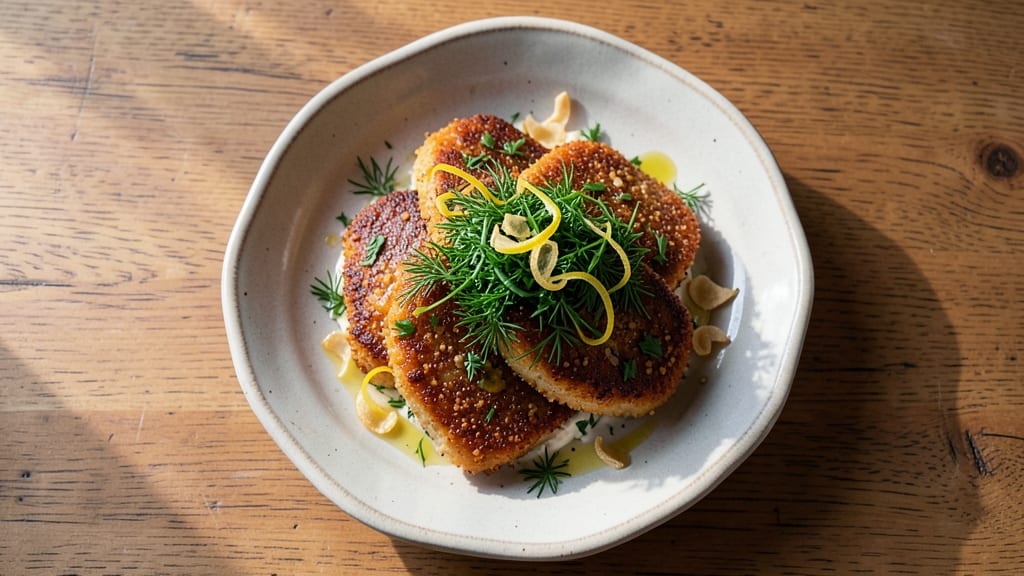
This fish cake recipe no potato delivers crispy, golden bites packed with herby flavor and tender fish—no starchy fillers needed. After years of perfecting the texture, I’ve found the secret lies in a precise ratio of eggs, breadcrumbs, and seafood stock that binds without heaviness.
The result? Light, airy fish cakes with a satisfying crunch that holds up to dipping.
The beauty of this method is its versatility—whether you fry for extra crispiness or bake for a lighter option, the herby seasoning ensures every bite tastes fresh and vibrant.
I use a blend of parsley, dill, and lemon zest to brighten the fish, while a touch of Dijon mustard adds depth without overpowering. The key is keeping the mixture just moist enough to hold together during cooking.
By the time you plate these crispy egg and fish bites, you’ll have a dish that’s elegant enough for appetizers but simple enough for weeknight meals.
Serve with tartar sauce, lemon wedges, or a creamy dill dip for the perfect balance of flavors. The texture—crispy outside, tender inside—makes them impossible to resist.
This recipe scales beautifully for parties or meal prep, and the ingredients are straightforward: fresh white fish, eggs, breadcrumbs, and herbs. No potatoes, no fillers—just pure, flavorful fish cakes that deliver restaurant-quality results at home. Let’s get started!
Ingredients for fish cake recipe no potato
Fresh fish, crispy panko, and bright herbs. That's all you need for golden fish cakes that stay light inside.
| Ingredient | Amount | Notes |
|---|---|---|
| White Fish Fillets 🐟 | 1 ½ lb | Cod or haddock preferred, skin removed |
| Large Eggs 🥚 | 2 whole | Room temperature for best binding |
| Panko Breadcrumbs 🍞 | 1 cup | Light and crispy texture |
| Fresh Parsley 🌿 | ¼ cup | Finely chopped, stems included |
| Fresh Dill 🌿 | ¼ cup | Finely chopped, stems included |
| Lemon Zest 🍋 | 1 tbsp | From 1 large lemon |
| Dijon Mustard 🍯 | 1 tbsp | For depth of flavor |
| Seafood Stock 💧 | ½ cup | Homemade or quality store-bought |
| All-Purpose Flour 🌾 | ¼ cup | For light coating |
| Extra-Virgin Olive Oil 🫒 | ½ cup | For frying, high smoke point |
| Salt 🧂 | 1 tsp | Kosher or sea salt |
| Black Pepper 🌶️ | ½ tsp | Freshly ground |
| Vegetable Oil 🫒 | 2 cups | For deep frying, neutral flavor |
The fish is everything here. Cod or haddock are my go-tos—they stay tender but hold shape. Grab the freshest fillets you can find, ideally from the seafood counter or a trusted fishmonger. If you're using frozen, thaw it overnight in the fridge, not under running water—that keeps everything too cold. The seafood stock? Homemade is ideal, but even the good store-bought stuff like Knorr or Pacific Foods works. Just make sure it's not the powdered kind—you want real flavor. And don't skip the lemon zest; it's what keeps these bites bright and fresh-tasting.
No panko? Regular breadcrumbs toasted in a dry pan for 2 minutes work in a pinch, but trust me, panko makes all the difference. Fresh herbs are best, but if you're using dried, cut the amount to one-third—they're way more concentrated. Short on Dijon? Yellow mustard at half the amount gets you close. The seafood stock can be swapped for fish broth or even water in a pinch, but you'll notice the difference. For the coating, flour is key—it helps the breadcrumbs stick without getting soggy. And if you're baking instead of frying, egg wash the fish cakes first for extra crispiness.
These keep surprisingly well. Store leftovers in an airtight container in the fridge for up to 3 days, but honestly, they're best fresh. For frying, keep the oil at 350°F—any hotter and they'll burn before cooking through. Baking at 425°F for 12-15 minutes gives a lighter result, but frying is worth it for that classic crunch. Freeze cooked fish cakes for up to 1 month—just thaw in the fridge before reheating.
Why You'll Love This Recipe
- Same recipe, different vibes: crispy pan-fried for a quick Tuesday dinner or baked in a sheet pan for game day. Freeze half for when you’re too tired to cook, then reheat in seconds. (Yes, even on a Tuesday night.)
- No-Fuss Assembly: I swear, these cakes take less time than deciding what to watch on TV. Just flake the fish, mix in the beaten egg and herbs, press into panko—no rolling, no shaping, no stress. My kids even help (and they don’t burn the kitchen).
- Herb-Packed Punch: That bright parsley and dill combo cuts through the richness of the fish like a zesty handshake. The panko adds a satisfying crunch without overpowering—honestly, it’s the kind of flavor that makes you reach for seconds without guilt.
- Weeknight to Party: Same recipe, different vibes: crispy pan-fried for a quick Tuesday dinner or baked in a sheet pan for game day. Freeze half for when you’re too tired to cook, then reheat in seconds. (Yes, even on a Tuesday night.)
Step-by-step instructions for crispy egg and fish bites
Here's how to make golden, crispy fish cakes that stay tender inside—no potatoes needed.
Prepare the Fish Mixture
Start by flaking the 1½ lb white fish fillets into small, even pieces using your hands or a fork. Place them in a large mixing bowl and add the 2 large eggs, 1 tbsp Dijon mustard, 1 tbsp lemon zest, ½ tsp black pepper, and 1 tsp salt. Mix gently with a rubber spatula until just combined—you want to keep the fish pieces intact but evenly coated.
Next, fold in the ¼ cup finely chopped fresh parsley and ¼ cup finely chopped fresh dill. These herbs will add that signature herby flavor while keeping the texture light. The mixture should look moist but hold together when pressed—if it's too loose, add 1 tablespoon of the ¼ cup all-purpose flour at a time until it firms up slightly.
Create the Crispy Coating
In a shallow bowl, whisk together the remaining ¼ cup all-purpose flour, then stir in the 1 cup panko breadcrumbs. This combination gives you both structure and that satisfying crunch. Dip each fish mixture ball into the beaten eggs first, letting any excess drip off, then roll it thoroughly in the panko-flour mixture to create an even, crispy coating.
For extra flavor, press a pinch of salt and a few dill sprigs onto each coated ball. Arrange them on a plate and let them rest for 10 minutes—this helps the coating adhere better and prevents them from falling apart when frying.
Fry to Golden Perfection
Heat the 2 cups vegetable oil in a deep skillet over medium heat until it reaches 350°F—use a thermometer to be precise. The oil should be hot enough to sizzle gently when you add a test piece. Fry the coated fish balls in batches of 4-5, turning occasionally, for 3-4 minutes per side until they're deep golden brown and crispy all over.
Here's the thing—don't overcrowd the pan or the temperature will drop, making them greasy instead of crispy. Drain them on a wire rack or paper towels to keep them extra crispy, not soggy from sitting in their own oil.
Finish with Herby Olive Oil
While the fish cakes are still warm, drizzle them with the ½ cup extra-virgin olive oil mixed with the ½ cup seafood stock. This step adds moisture and keeps them tender inside while enhancing the herby flavor. Toss gently to coat evenly, then serve immediately while they're still crispy.
Real talk: These fish cakes are best eaten right away, but if you must wait, keep them warm in a 200°F oven for up to 15 minutes. The secret to their success is that crispy exterior and moist interior—don't let them sit too long or they'll lose their magic.
Pro Tips For Making Fish Cake Recipe No Potato
- Test the Oil Right: Drop a tiny piece of panko in the oil—if it sizzles and floats up immediately, you’re ready. If it sinks or bubbles lazily, crank the heat. I learned this the hard way after frying three batches that came out greasy instead of golden.
- Chop Herbs Fine: Use the stems—just finely chop them with the leaves. I was skeptical until I tried it, and now I never skip it. The texture stays light, and the flavor is deeper without extra bulk.
- Keep Batches Small: Fry no more than 4-5 at a time, or the oil will cool and turn your crispy dream into a soggy nightmare. Trust me, I’ve turned my kitchen into a grease fire trying to rush this.
- Press the Coating Firm: When rolling the fish balls in panko, press the crumbs hard so they stick. A light toss means a crumbly disaster—your future self will thank you for the extra 10 seconds of effort.
Best sauces and condiments for this recipe
Bright Tartar Sauce
The classic pairing for these crispy bites is a homemade tartar sauce—creamy, tangy, and perfectly balanced. Mix ½ cup mayonnaise (I use Hellmann’s) with 1 tbsp capers, 1 tbsp finely chopped red onion, 1 tbsp lemon juice, and a pinch of Dijon mustard.
The herby notes from the fish cakes complement the bright acidity beautifully. 🍋
Creamy Dill Dip
For a richer option, blend ½ cup sour cream with 2 tbsp fresh dill (finely chopped), 1 tbsp lemon juice, and ½ tsp salt. The dill echoes the herbs in your fish cakes while adding a velvety texture.
I like to chill this dip for 30 minutes before serving for maximum flavor.
Spicy Sriracha Mayo
Add some heat with a quick sriracha mayo—just stir ¼ cup mayonnaise with 1 tbsp sriracha (I use Sriracha Original) and 1 tsp honey for balance.
This sauce cuts through the richness and adds a satisfying kick. Serve in a small bowl for dipping or drizzle over the finished fish cakes.
Lemon Aioli
For a lighter, citrusy twist, whip ½ cup mayo with 1 tbsp lemon juice, 1 minced garlic clove, and ½ tsp salt. The brightness of the lemon ties into the zest you already used in the fish cakes.
Garnish with extra fresh dill for a pop of color and freshness.
Crunchy Remoulade
This French-inspired sauce adds texture and depth. Mix ¼ cup mayo with 1 tbsp ketchup, 1 tbsp Dijon mustard, 1 tbsp chopped pickles, and ½ tsp celery seed. The tangy, slightly sweet notes contrast perfectly with the crispy exterior of your fish cakes. 🌟
Nutrition facts
Frequently asked questions
Why do these fish cakes need to rest before frying?
The 10-minute rest lets the breadcrumb coating fully adhere to the fish mixture. Without resting, the coating can fall apart during frying, leaving you with messy, uneven bites. This step ensures a perfect golden crust every time!
Can I bake these instead of frying?
Bake at 425°F for 12-15 minutes on a lined baking sheet, flipping halfway. For extra crispiness, brush with a little extra-virgin olive oil before baking. The texture will be lighter but still delicious.
What if my fish mixture is too wet?
Add 1 tablespoon of the ¼ cup all-purpose flour at a time until the mixture holds together when pressed. Too much moisture makes the coating soggy—this keeps your fish cakes crispy and intact. Test by shaping a small ball!
How do I keep the fish cakes crispy after cooking?
Drain them on a wire rack instead of paper towels to preserve that crispy exterior. If reheating, warm in a 200°F oven for 10 minutes—microwaving makes them soggy. Serve immediately for the best texture!
Can I use other fish besides cod or haddock?
Yes! Try tilapia or halibut, but avoid flaky fish like salmon—they won’t hold shape as well. The key is firm, flakeable fish that stays intact during frying. Always pat dry before mixing to avoid a watery texture!