
Main Courses
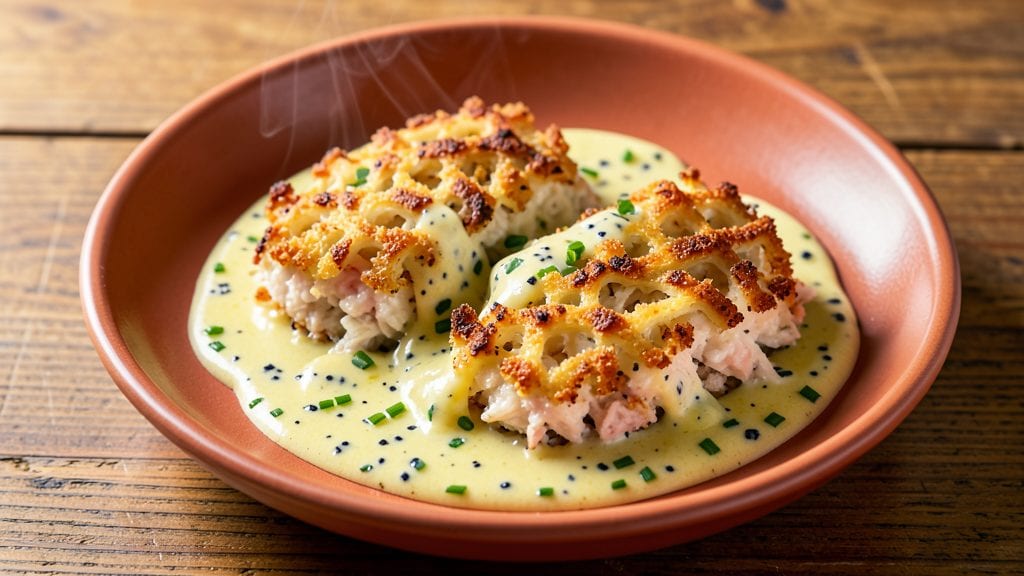
Emeril Lagasse's crab cakes deliver the perfect balance of crispy shells and juicy centers, a restaurant-quality dish you can make at home. The secret lies in properly combining lump crab meat with just the right amount of breadcrumbs and spices, then pan-frying until golden.
I've tested countless variations to perfect this recipe, and the results are worth every minute of prep.
This recipe transforms fresh crab meat into golden, crispy cakes with tender interiors, thanks to a precise blend of seasonings and proper cooking technique. The key steps include mixing the ingredients thoroughly, shaping the cakes carefully, and cooking them at the right temperature for even browning.
With about 25 minutes of active prep time, you'll have a dish that rivals any seafood restaurant.
What you'll achieve is a plate of crab cakes that are crispy on the outside and moist on the inside, with a flavor profile that's both bold and balanced.
The perfect pairing is a dollop of tartar sauce and a squeeze of lemon, which cuts through the richness while enhancing the natural sweetness of the crab. These crab cakes are ideal for a special dinner or gathering, where they'll be the star of the meal.
For those looking to customize, you can add a kick of cayenne for a spicy version or use gluten-free breadcrumbs for a dietary-friendly adaptation. The recipe scales easily, so you can make just a few for a light meal or double the batch for a crowd.
Let's get started on creating these restaurant-worthy crab cakes at home.
Ingredients for emeril lagasse crab cake
Fresh crab meat meets crispy perfection with just a handful of quality ingredients you'll love using again.
| Ingredient | Amount | Notes |
|---|---|---|
| Lump Crab Meat 🦀 | 1 ½ lb | Backfin preferred, freshly shucked |
| Panko Breadcrumbs 🍞 | ¾ cup | Light and crispy preferred |
| Large Eggs 🥚 | 2 whole | Room temperature for best binding |
| Mayonnaise 🥛 | ¼ cup | Duck brand preferred for richness |
| Fresh Lemon Juice 🍋 | 1 tbsp | Freshly squeezed for brightness |
| Chopped Fresh Chives 🌿 | 2 tbsp | Finely minced for flavor |
| Old Bay Seasoning 🌶️ | 1 tsp | Classic Emeril touch |
| Garlic Powder 🧄 | ½ tsp | Freshly ground preferred |
| Onion Powder 🧅 | ½ tsp | For subtle depth |
| Cayenne Pepper 🔥 | ¼ tsp | Adjust for heat preference |
| Salt 🧂 | ½ tsp | Kosher or sea salt |
| Black Pepper 🌶️ | ¼ tsp | Freshly ground preferred |
| Vegetable Oil 🫒 | ½ cup | For shallow frying |
| Tartar Sauce 🥣 | ½ cup | For serving (homemade preferred) |
The crab meat is everything here. Backfin lump gives you that perfect texture—no flakes or shells to ruin the bite. Grab it from the seafood counter at Whole Foods or your local fishmonger, and ask for it fresh that day. If you're using frozen, thaw it overnight in the fridge, then drain it thoroughly—waterlogged crab makes soggy cakes. I always buy extra because fresh crab meat is worth the splurge. For the panko, Japanese-style is your best bet—it stays crispy and adds that restaurant-quality crunch. If you can't find it, regular panko works but might not be as light.
No Old Bay? Mix 1/2 tsp paprika, 1/4 tsp celery salt, and a pinch of black pepper—it's not the same but gets you close. Short on mayo? Greek yogurt works too, though the flavor will be slightly different. The chives can be swapped for green onions if that's what you've got, but fresh chives add a brighter punch. For a spicier kick, bump the cayenne up to 1/2 tsp. The tartar sauce? Homemade is best—mayo, pickles, capers, lemon—but store-bought in a squeeze bottle works in a pinch. Just don't skip the lemon juice—it's what keeps these cakes bright and fresh-tasting.
Crab cakes keep best in the fridge for 2 days, but they reheat like a dream—just pop them in a 350°F oven for 10-12 minutes until crispy again. For make-ahead prep, shape them and refrigerate on a tray lined with parchment before frying. They'll hold their shape perfectly. The tartar sauce can be made 3 days ahead and stored in the fridge—just give it a stir before serving. Freezing isn't ideal for crab cakes, but if you must, fry them first, then freeze on a tray before transferring to a bag. They'll lose some crunch but still taste amazing.
Why You'll Love This Recipe
- No-Fuss Assembly: Honestly, this isn’t one of those recipes where you’re chopping for hours. Just toss the lump crab meat, panko breadcrumbs, mayonnaise, and lemon juice together—no fancy prep. My hands do most of the work, and in 10 minutes, you’ve got a bowl ready to shape. The Old Bay seasoning and chives add flavor without extra effort.
- Crispy Outside, Creamy Inside: That panko magic is real—it gives you a golden, crunchy crust while keeping the center tender. The room-temperature eggs bind it all together, and the garlic powder plus onion powder? They wake up the crab meat like a morning cup of coffee. Trust me, the first bite is chef’s kiss.
- Leftovers That Don’t Suck: I’ve made these for game day, a lazy Sunday, or even a weeknight dinner. They reheat spot-on in the oven—just 10 minutes at 350°F—and taste almost as good as fresh. Plus, the tartar sauce keeps for days, so you’re not stuck with a half-empty jar. My kids even ask for seconds, and that’s saying something.
- Weeknight Hero: Between the 30-minute chill time (which you can do while prepping the sauce) and the 3-minute fry per side, this is my go-to when I don’t want to spend all evening in the kitchen. The vegetable oil keeps it simple, and the salt and cayenne pepper let you tweak the heat to your mood. Done in under 40 minutes, and you’ve got a dish that feels fancy but doesn’t take forever.
Step-by-step instructions for Emeril Lagasse crab cakes
Here's how to make Emeril-style crab cakes with perfect texture every time.
Prepare the Crab Cake Mixture
In a large bowl, gently combine the 1½ lb lump crab meat with the ¾ cup panko breadcrumbs, ¼ cup mayonnaise, 1 tbsp fresh lemon juice, 2 tbsp chopped fresh chives, 1 tsp Old Bay seasoning, ½ tsp garlic powder, ½ tsp onion powder, ¼ tsp cayenne pepper, ½ tsp salt, and ¼ tsp black pepper. The crab meat should be just barely mixed—don't overwork it or the texture will become dense.
I like to use my hands for this step, gently folding everything together until you have a thick, cohesive mixture that holds its shape when pressed. The panko breadcrumbs will absorb some of the moisture from the crab meat, creating that perfect crispy shell we're after. If the mixture seems too wet, add an extra 1-2 tablespoons panko breadcrumbs to help bind it together.
Form and Chill the Crab Cakes
Divide the mixture into 4 equal portions (about 4 ounces each) and shape them into ½-inch thick patties on a parchment-lined plate. Don't press too hard—just gently form them so they hold together. The crab cakes should be smooth on the outside with a slightly rough texture from the panko on top.
Cover the shaped crab cakes with plastic wrap and refrigerate for at least 30 minutes (up to 2 hours). This chilling step is crucial—it allows the mixture to firm up slightly, making it easier to handle when you're ready to cook, and it helps prevent the cakes from falling apart in the pan. I know it's tempting to skip this step, but trust me, it makes all the difference in the final result.
Heat the Oil and Fry the Crab Cakes
Pour the ½ cup vegetable oil into a large skillet and heat it over medium heat until it reaches 350°F on a deep-fry thermometer. You'll know it's ready when a small piece of bread dropped into the oil sizzles gently and turns golden brown in about 30 seconds. This is the perfect temperature for getting that crispy exterior without cooking the inside too quickly.
Carefully place the chilled crab cakes in the hot oil, being gentle to avoid breaking them apart. Cook for 3-4 minutes per side until they're golden brown and crispy on both sides. Don't overcrowd the pan—cook them in batches if needed to maintain the oil temperature. You'll see the edges start to crisp up and turn a beautiful golden color—that's your signal they're ready to flip. Use a fish spatula to carefully turn them over for even cooking.
Serve with Tartar Sauce
Transfer the cooked crab cakes to a paper towel-lined plate to drain any excess oil. They should be crispy on the outside with a juicy, tender center that's just warmed through. Serve immediately with the ½ cup tartar sauce on the side for dipping. The contrast of the cool, creamy sauce with the warm, crispy crab cakes is what makes this dish truly special.
For an extra Emeril touch, garnish each crab cake with an additional sprinkle of Old Bay seasoning and a few chopped fresh chives right before serving. The crispy shells should hold their shape well, and when you cut into one, you'll see that beautiful pink crab meat peeking out—proof that you've achieved the perfect balance of texture and flavor.
Pro Tips For Making Emeril Lagasse Crab Cake
- Test Oil First: Drop a tiny piece of panko into the oil—if it browns in 30 seconds, you’re golden. Too fast? Lower the heat a notch. I learned this the hard way when my first batch turned greasy instead of crispy.
- Handle Crab Gently: Use your hands to fold the lump crab meat—just enough to distribute the panko and mayo without crushing the lumps. Overmixing turns them into crab meatloaf, and nobody wants that.
- Skip the Eggs? Not Here: The 2 room-temperature eggs are non-negotiable—they’re what binds the mixture without making it dense. Cold eggs? Whisk them first, but don’t rush this step. Trust the recipe.
- Chill or Cry: That 30-minute fridge rest isn’t optional. Cold crab cakes hold their shape when frying, and skipping it means a messy, crumbling disaster—especially if your hands are shaky from impatience.
Make-ahead tips for leftovers
Prep Ahead for Perfect Texture
I always start by shaping the crab cakes the night before cooking. After mixing the ingredients and forming the patties, place them on a parchment-lined tray and refrigerate uncovered for 4 hours or overnight.
This extra chilling time ensures the cakes hold their shape perfectly when you fry them—no more collapsing patties! Let them sit at room temperature for 20 minutes before cooking to avoid cold spots. 💡
Fry in Batches
Never overcrowd your pan when frying—it’s the fastest way to ruin crispy crab cakes. Heat the oil to 350°F and cook 2 cakes at a time for 3-4 minutes per side.
Use a thermometer to monitor the oil temperature; if it drops below 340°F, let it recover before adding more cakes. This consistency keeps the shells golden and crispy every time.
Double the Batch
This recipe makes 4 servings, but it scales effortlessly. Double the ingredients and use a 12-inch cast-iron skillet to fry them in batches. Just increase the oil to 1 cup and divide the cakes into 4 batches.
The technique stays the same—chill, fry, and serve with tartar sauce. Perfect for a crowd or leftovers! 🍽️
Freeze for Future Meals
If you must freeze, fry the crab cakes first, then cool them completely on a wire rack. Arrange them on a tray lined with parchment, freeze for 1 hour, then transfer to a freezer bag.
Reheat in a 375°F oven for 15-20 minutes until crispy. They’ll lose some crunch but still taste amazing. I’ve done this for game-day appetizers—guaranteed crowd-pleaser!
Sauce Make-Ahead
Homemade tartar sauce keeps for 3 days in the fridge, so make it ahead and store it in an airtight container. For extra flavor, add 1 tbsp capers or 1 tsp Dijon mustard to the mayo mixture.
Just stir before serving—it’ll taste fresher than ever. This is my go-to shortcut for busy weeknights. 💛
Nutrition facts
Frequently asked questions
Why does the recipe call for chilling the crab cakes before cooking?
The 30-minute chill is essential—it lets the mixture firm up so the cakes hold their shape perfectly during frying. Without chilling, they'll crumble apart in the pan. This step also ensures even cooking and prevents soggy centers. Trust me, skipping it ruins the texture!
Can I use regular breadcrumbs instead of panko?
You can, but panko is key for that light, crispy shell. Regular breadcrumbs absorb more moisture and can make the cakes dense. If you must use them, add an extra 1-2 tablespoons to help absorb liquid. The texture won't be exactly the same, but it'll still work!
What’s the best way to reheat leftover crab cakes?
Pop them in a 350°F oven for 10-12 minutes until crispy again. Avoid microwaving—they’ll turn rubbery. For extra crunch, place them on a wire rack over a baking sheet first. Serve with fresh tartar sauce for the best experience!
How do I prevent my crab cakes from falling apart when frying?
Gently shape them into ½-inch thick patties and avoid pressing too hard. The secret is not overmixing the crab meat—just fold until combined. Chill them for at least 30 minutes before frying, and cook at 350°F oil for even browning. Overcrowding the pan also causes breakage!
Can I make the tartar sauce ahead of time?
Homemade tartar sauce keeps for 3 days in the fridge. Stir it before serving for best flavor. For extra zing, add 1 tbsp capers or 1 tsp Dijon mustard to the mayo mixture. It’s a game-changer for busy weeknights!