
Appetizers
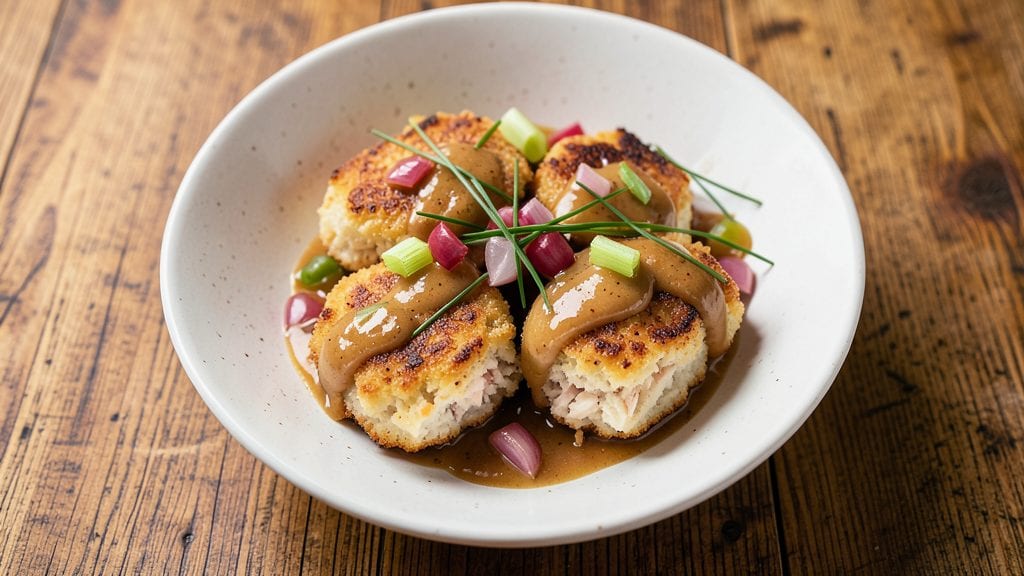
Recreating Eddie V’s legendary crab cakes at home means mastering that perfect balance of crispy exterior and juicy interior—something I’ve spent years perfecting in my own kitchen.
The secret lies in the binding: a mix of egg, mayo, and herbs that holds the delicate crab meat together while keeping it tender. This isn’t just a recipe; it’s a technique that transforms simple ingredients into restaurant-quality bites.
What makes these crab cakes special is the precision in preparation. We’re talking about chilling the batter for at least 30 minutes to ensure even cooking, then pan-frying in butter and oil until golden brown.
The result? A crispy shell that gives way to melt-in-your-mouth crab meat with every bite. It’s the kind of dish that feels indulgent but is surprisingly straightforward to execute.
You’ll be rewarded with crab cakes that are worth serving at your next gathering—whether as an appetizer with lemon wedges or as part of a seafood platter. The aroma alone will have guests asking for the recipe, and the texture will leave them craving seconds.
Trust me, this is the version you’ve been searching for.
Pair these crab cakes with a light salad or a crisp white wine to balance the richness. The key to success lies in patience during the chilling and frying stages—every step matters. Let’s get started on creating something truly special.
Ingredients for eddie v's crab cake
Simple ingredients come together to create restaurant-quality crab cakes at home.
| Ingredient | Amount | Notes |
|---|---|---|
| Lump Crab Meat 🦀 | 2 cups | Picked over for lumps |
| Large Eggs 🥚 | 2 whole | Room temperature preferred |
| Mayonnaise 🧈 | ½ cup | Full-fat for richness |
| Butter 🧈 | ½ cup | Unsalted, melted |
| Vegetable Oil 🫒 | ½ cup | For frying |
| Old Bay Seasoning 🌿 | 1 tbsp | Essential for flavor |
| Fresh Chives 🌿 | ¼ cup | Chopped, for garnish |
| Fresh Lemon Juice 🍋 | 1 tbsp | Freshly squeezed |
| Salt 🧂 | 1 tsp | Kosher or sea salt |
| Black Pepper 🌶️ | ½ tsp | Freshly ground |
| All-Purpose Flour 🌾 | ¼ cup | For dredging |
| Panko Breadcrumbs 🍞 | ¼ cup | For extra crunch |
The crab meat is everything here. Pick over your own—lumps over chunks—it makes a world of difference. I always grab pre-picked lump crab from Trader Joe's or Costco when I can; it’s worth the extra few bucks. If you’re using canned crab, drain it well and pick out the strings—trust me, it’s a game-changer. The Old Bay seasoning is non-negotiable; Penzeys brand has the best flavor, but the store brand works in a pinch. Just don’t skip it—it’s the soul of these cakes.
No Old Bay? Mix equal parts celery salt and paprika for a close substitute. Short on mayo? Greek yogurt or sour cream at half the amount works, but the texture won’t be quite the same. Want extra crunch? Add half a cup of crushed potato chips to the breadcrumb mix—sounds weird, but it’s a pro trick. The butter and oil combo for frying is key; don’t skip the butter—it adds richness and helps with browning. And if you’re worried about the mayo, just use full-fat—it’s the only way to get that authentic texture.
Chill the batter for at least 30 minutes—this is non-negotiable for even cooking. Shape the cakes just before frying so they hold their shape. Pan-fry in batches to avoid overcrowding; they should be golden brown and crispy on the outside. Keep cooked cakes warm in a 200°F oven while you finish the batch. These reheat beautifully—5 minutes at 350°F brings them back to perfection. Store leftovers in an airtight container for 3-4 days or freeze for up to 3 months. I always make a double batch; they’re gone in minutes at gatherings.
Why You'll Love This Recipe
- No-Fuss Mixing: I swear by this—just fold the lump crab meat, eggs, mayo, and a pinch of Old Bay together. No food processor, no overworking the batter. The texture stays perfect every time, and honestly? The less you handle it, the better those crab cakes turn out.
- Buttery Crisp Magic: That butter-oil fry in a skillet? Chef’s kiss. The outside gets golden and shatteringly crisp while the inside stays juicy—no rubbery crab cakes here. (Yes, even on a Tuesday night.)
- Weeknight or Party Star: Make a double batch on Sunday and freeze half. Thaw and pan-fry for a last-minute dinner, or serve them at your next BBQ. They’re fancy enough for guests but take less effort than ordering takeout.
- Budget-Friendly Luxury: Lump crab’s pricey, but this recipe stretches it further than most. The mayo and egg binder mean you’re not drowning in expensive fillers, and the leftovers? Even better reheated than the first round. (My daughter’s favorite, weirdly.)
Step-by-step instructions for Eddie V's crab cakes recipe
Here's how to craft restaurant-quality crab cakes with that signature crispy exterior and tender interior.
Prepare the Crab Cake Base
In a large mixing bowl, combine the 2 cups lump crab meat with the 2 large eggs. Using your hands, gently fold the crab meat and eggs together until just mixed—don't overwork it or the crab will turn mushy. This step is all about maintaining the natural texture of the crab.
Add the ½ cup mayonnaise, 1 tbsp Old Bay seasoning, 1 tbsp fresh lemon juice, 1 tsp salt, and ½ tsp black pepper to the bowl. Mix everything together until the mayonnaise is evenly distributed and all ingredients are fully incorporated. The mixture should hold together when pressed but still remain light and airy.
Here's the thing—don't skip the lemon juice. It brightens the flavors and helps bind the mixture slightly, preventing the crab cakes from falling apart during frying. If your mixture feels too loose, you can add 1-2 tablespoons of the ¼ cup all-purpose flour at this stage to help it hold together better.
Create the Crispy Coating
In a shallow dish, combine the ¼ cup all-purpose flour and ¼ cup panko breadcrumbs. This is your crispy crust—don't skip the panko, as it adds that perfect crunch that sets these crab cakes apart. The panko's larger texture creates more surface area for browning and crisping.
Next, create another shallow dish and set aside. You'll use this for dredging the crab cakes before frying. The flour-panko mixture should be well mixed, with no dry spots remaining. If you're worried about the mixture sticking, you can lightly oil your hands before handling the crab cakes.
Form and Coat the Crab Cakes
Using a cookie scoop or your hands, portion the crab mixture into 4 equal portions (about ½ cup each) and gently shape them into ½-inch thick patties. Keep them slightly irregular—perfectly round crab cakes tend to crack during cooking. Press down gently on each patty to ensure they hold their shape.
Working quickly to prevent the mixture from drying out, dip each crab cake into the flour-panko mixture, pressing gently to adhere the coating evenly on all sides. Place the coated crab cakes on a plate and let them rest for 5 minutes while you prepare the frying station. This resting time helps the coating adhere better and prevents crumbs from falling off during frying.
Fry to Golden Perfection
In a large skillet, heat the ½ cup vegetable oil and ½ cup melted butter over medium heat until the mixture reaches 350°F. You want the oil to be hot enough to sizzle gently when you add the crab cakes, but not so hot that it smokes excessively. A good test is to drop a small piece of bread into the oil—it should sizzle and turn golden in about 30 seconds.
Carefully place the crab cakes in the skillet, being careful not to overcrowd the pan. Cook for 3-4 minutes per side until they're golden brown and crispy. The edges should be deeply browned, and the crab cakes should release easily from the pan. If they're not browning quickly enough, turn the heat up slightly—but watch carefully to avoid burning.
As they cook, you'll notice the butter in the oil creating a beautiful foam. This is normal and actually enhances the flavor. For extra crispiness, you can add a pat of butter to the pan during the last minute of cooking. Drain the cooked crab cakes on paper towels to remove any excess oil.
Serve with Fresh Garnishes
While still warm, transfer the crab cakes to a serving platter. Sprinkle the ¼ cup chopped fresh chives evenly over the top for a pop of color and freshness. The chives add a delicate onion flavor that pairs perfectly with the rich crab and crispy coating.
Serve immediately with lemon wedges on the side. The acidity of the lemon cuts through the richness of the crab cakes and mayo, balancing all the flavors. These crab cakes are best enjoyed fresh out of the pan when the coating is at its crispiest and the interior is still warm and juicy.
Pro Tips For Making Eddie V'S Crab Cake
- Test Oil First: Drop a bread cube in—if it browns in 30 seconds, your oil’s ready at 350°F. I used to eyeball it and ended up with greasy or burnt cakes. Trust the bread test, not your gut.
- Chill the Mixture: After mixing the crab, eggs, and mayo, pop the bowl in the fridge for 10 minutes. The cold slows moisture release, so your cakes won’t turn soggy when frying. I learned this after watching my first batch fall apart mid-cook.
- Press the Panko: When coating, don’t just dip—press the panko into the sides with your fingers. The extra friction locks the crumbs in place. Skimp here, and you’ll lose half your crust to the pan.
- Use Room-Temp Eggs: Cold eggs from the fridge won’t emulsify properly with the mayo, making your mixture clump. Let those eggs sit out for 30 minutes first. I’ve made this mistake enough to know—your cakes will thank you.
Serving suggestions for eddie v's crab cake
Lemon Tartar Sauce
I always serve my crab cakes with a quick homemade tartar sauce that brightens up every bite. Mix ½ cup mayonnaise with 1 tbsp lemon juice, 1 tsp Dijon mustard, 1 tbsp finely chopped fresh dill, and a pinch of salt.
The acidity cuts through the richness while the dill adds a fresh herbal note that complements the Old Bay flavor. 🍋
Classic Lemon Wedges
Never underestimate the power of fresh lemon wedges! Their bright acidity balances the buttery richness of the crab cakes perfectly. I like to serve them on the side in a small glass bowl with a sprig of fresh parsley for a pop of color.
The simple contrast makes each bite feel intentional and restaurant-worthy.
Green Salad Base
A light arugula salad with olive oil and lemon vinaigrette makes an excellent foundation. Toss 4 cups baby arugula with 2 tbsp olive oil, 1 tbsp lemon juice, and a pinch of salt.
Top with ¼ cup shaved Parmesan and a handful of toasted almonds for crunch. The peppery bite cleanses the palate between crab cake bites.
Cocktail Pairings
For a refreshing pairing, I recommend a crisp seaside spritz made with Prosecco, grapefruit soda, and a splash of fresh lime juice. The bubbles and citrus notes cut through the richness without overpowering.
If you prefer beer, a light lager like Blue Moon works beautifully—its maltiness stands up to the Old Bay seasoning.
Plating Presentation
Arrange the crab cakes on a bed of sliced avocado or baby spinach for visual appeal. Drizzle with a light honey-mustard glaze (mix 1 tbsp honey with 1 tsp Dijon and 1 tbsp water) for extra shine.
Garnish with microgreens or edible flowers for that restaurant-quality touch. Presentation makes the dish feel special!
Make-Ahead Tips
If preparing ahead, cook the crab cakes and store them in an airtight container with parchment paper between layers to prevent sticking. Reheat in a 350°F oven for 5 minutes to restore crispiness.
For the tartar sauce, make it the day before and store it covered in the fridge—it tastes even better after sitting overnight! 💡
Nutrition facts
Frequently asked questions
Why does the recipe call for room temperature eggs?
Room temperature eggs blend more smoothly into the crab mixture, creating a lighter and more even texture. Cold eggs can make the batter dense and harder to shape, leading to less tender crab cakes. Let your eggs sit out for about 30 minutes before mixing for best results. This small step makes a noticeable difference in the final product!
Can I use canned crab meat instead of lump crab?
Yes, but with a few adjustments. Drain the canned crab well and pick out any strings or shells. For extra binding power, add 1-2 tablespoons of flour to the mixture. While lump crab gives the best texture, canned crab works in a pinch—just expect slightly less tenderness. The flavor will still be delicious!
What's the best way to prevent my crab cakes from falling apart?
Chill the batter for at least 30 minutes before shaping, and handle it gently to avoid overworking. Press the cakes firmly when forming, and let them rest for 5 minutes after coating before frying. If the mixture feels too loose, add a little more flour—just enough to hold together without making it dry. This prevents crumbling during cooking!
How do I know when the oil is hot enough for frying?
Test the oil by dropping a small piece of bread into it—it should sizzle and turn golden in about 30 seconds. The oil should be hot but not smoking excessively. For 350°F heat, you want a gentle sizzle when the crab cakes touch the oil. This temperature ensures a crispy exterior without burning the inside.