
Desserts
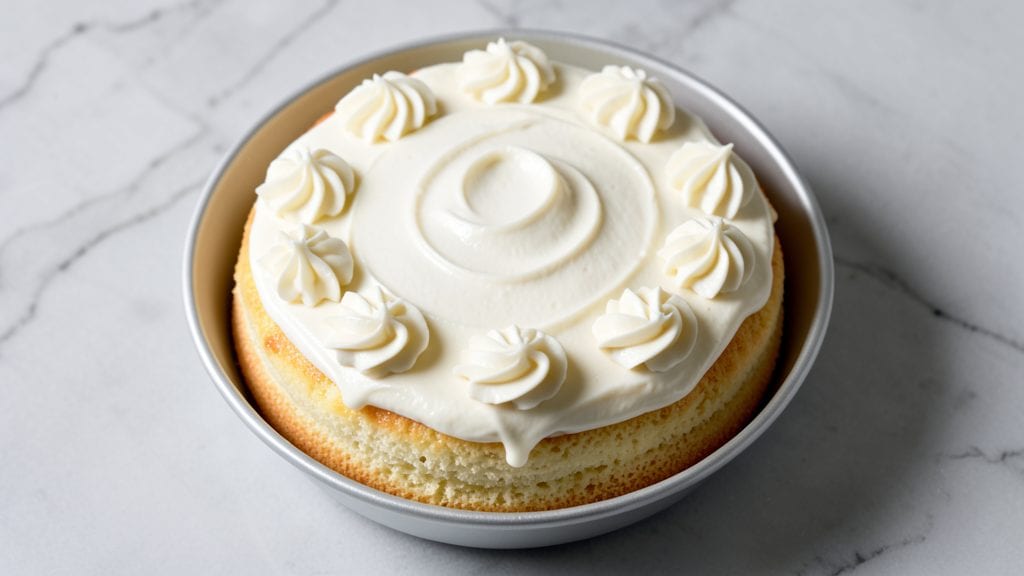
This Duncan Hines white cake mix copycat recipe delivers the same moist, tender layers you remember from the box—but with real ingredients and professional results. I spent years perfecting this version after realizing homemade cake could taste just as good without the mystery mix.
The secret lies in precise ingredient ratios and baking techniques that replicate the box's signature texture.
What makes this recipe work is the combination of all-purpose flour, baking powder, and a touch of cornstarch for that signature lightness. Unlike boxed mixes, we control the moisture level by adding buttermilk and oil, which creates those signature tender crumbs.
The cake bakes up with the perfect golden dome and stays moist for days when stored properly. This is the version I reach for when I want cake that tastes homemade but bakes like a box mix.
Once you try this copycat version, you'll never go back to the box—it's that good. The recipe includes instructions for classic buttercream frosting that pairs perfectly with the vanilla layers.
Whether you're baking for a celebration or just craving a slice of nostalgia, this method delivers professional-quality results every time. Let's get baking!
For those who love customization, you can easily add fillings like raspberry jam or chocolate ganache between layers. The key to success is precise measuring and proper baking times—no guesswork involved. This is the Duncan Hines white cake you've been missing, made better with real ingredients and a foolproof technique.
Ingredients for duncan hines white cake mix copycat
Pantry staples that transform into nostalgic white cake layers—moist, tender, and foolproof.
| Ingredient | Amount | Notes |
|---|---|---|
| All-Purpose Flour 🌾 | 2 ½ cups | Sifted for light texture |
| Granulated White Sugar 🍚 | 1 ½ cups | Superfine preferred for smoothness |
| Unsalted Butter 🧈 | 1 cup | Room temperature, full-fat |
| Buttermilk 🥛 | 1 cup | Fresh for best tang |
| Large Eggs 🥚 | 2 whole | Room temperature, separated |
| Vanilla Extract 🌸 | 2 tsp | Pure, high-quality extract |
| Baking Powder 🧂 | 2 tsp | Double-acting preferred |
| Cornstarch 🌾 | 2 tbsp | For signature lightness |
| Salt 🧂 | ½ tsp | Fine sea salt |
| Vegetable Oil 🫒 | ½ cup | Light, neutral flavor |
| Powdered Sugar 🍚 | 3 cups | For buttercream frosting |
| Heavy Whipping Cream 🥛 | 1 cup | Full-fat for stability |
| Vanilla Bean Paste 🌸 | 1 tbsp | Or 1 tsp extract |
The flour is non-negotiable here—King Arthur or Gold Medal are my go-tos for that signature tender crumb. If you don't have superfine sugar, pulse regular granulated in a food processor for 30 seconds. The butter needs to be room temperature (press a finger into it—it should leave a dent). For buttermilk, I grab Great Value's powdered mix from the baking aisle when I'm in a pinch—just add water and let it sit for 5 minutes. Eggs? Room temperature makes all the difference—crack them into a bowl first, then separate. The cornstarch is what gives this cake that signature lightness the box mix can't replicate.
No buttermilk? Mix 1 tbsp vinegar or lemon juice with 1 cup milk and let it sit for 5 minutes. Short on vanilla extract? Vanilla bean paste gives more depth, but a high-quality imitation works too. For the frosting, powdered sugar is a must—Domino or C&H are my picks. If you can't find heavy whipping cream, cool whole milk to 35°F and whip it (it won't be as stable, but it'll work). The secret to fluffy frosting? Chill your beaters for 10 minutes before whipping—trust me on this. And if you're feeling fancy, add a pinch of salt to the frosting for balance.
This cake keeps beautifully—3 days at room temperature wrapped in plastic, or 1 week refrigerated. For longer storage, freeze the unfrosted layers for 3 months. The frosting? It'll last 5 days refrigerated or 2 months frozen. I always make extra frosting—it's perfect for cupcakes or cookies. Pro tip: Brush the cake layers with simple syrup (equal parts sugar and water, heated) right after baking for extra moisture. The layers will stay tender for days.
Why You'll Love This Recipe
- No-Fuss Layers: Honestly, this recipe is that kind of easy—just whisk, pour, and bake. The secret? Room-temperature butter and eggs blend together in minutes, while the cornstarch and baking powder handle all the heavy lifting for that signature lightness. No weird substitutions, no fussing over temperatures—just classic, foolproof steps that even a beginner can nail.
- Vanilla Bean Magic: That 1 tbsp of vanilla bean paste? Game-changer. It’s not the same as regular extract—this adds a rich, creamy depth that makes the frosting taste like it’s straight from a bakery. And the buttermilk? It keeps the cake tender without drying it out. Trust me, the difference is noticeable.
- Crowd-Pleaser Every Time: This cake is the ultimate "make it for anything" dish. Bring it to a brunch, slice it for dessert after dinner, or pack layers in the fridge for work lunches. It’s just as good cold as it is fresh, and the frosting holds up beautifully—no soggy bottoms here. My kids even ask for seconds, which is saying something.
- Budget-Friendly Luxury: You’d never guess it costs less than half the price of a boxed mix—but it tastes better. The ingredients are pantry staples, and you’re using them efficiently: that ½ cup vegetable oil greases pans and adds moisture, while the heavy whipping cream and powdered sugar make the frosting feel indulgent. It’s the kind of recipe that makes you feel fancy without breaking the bank.
Step-by-step instructions for Duncan Hines white cake mix copycat recipe
Here's how to recreate that iconic boxed cake texture—light, moist, and perfectly tender.
Prepare the Cake Batter for Maximum Moisture
Preheat your oven to 350°F and grease two 9-inch round cake pans with ½ cup vegetable oil, then line the bottoms with parchment paper. In a large mixing bowl, combine the 2½ cups all-purpose flour, 2 tsp baking powder, 2 tbsp cornstarch, and ½ tsp salt. Whisk until evenly distributed—this ensures a light, airy crumb. In a separate bowl, beat the 1 cup unsalted butter and 1½ cups granulated white sugar on medium speed until light and fluffy, about 3-4 minutes. This step is critical for creating those tender layers.
Add the 2 large eggs, one at a time, mixing well after each addition. Stir in the 2 tsp vanilla extract and 1 cup buttermilk until fully incorporated. The batter should be smooth and slightly thick, like heavy pudding. Here's the thing—don't overmix. Stop as soon as the dry ingredients are just combined. Overmixing develops gluten, which makes the cake tough instead of tender. The cornstarch in this recipe is what gives it that signature lightness, so make sure it's fully incorporated.
Bake the Layers for Even Doneness
Divide the batter evenly between the two prepared cake pans. Bake for 25-30 minutes, or until a toothpick inserted into the center comes out clean. I know it seems like too much time, but trust me—this ensures the layers bake through without drying out. The cake should be golden on top and spring back gently when pressed in the center. If the tops brown too quickly, tent the pans with foil after 15 minutes to prevent over-browning while the centers finish baking.
Let the cakes cool in the pans for 10 minutes before transferring them to a wire rack to cool completely. This gradual cooling prevents cracking. While they cool, prepare your frosting—patience here pays off. The frosting needs to be fully set before assembling, so don't rush this step. The cakes should be completely cool before frosting to avoid a soggy bottom layer. Real talk: skipping this cooling step is how you end up with a cake that's more like a pudding sandwich.
Whip the Frosting for Perfect Consistency
In a large mixing bowl, beat the 1 cup heavy whipping cream on medium-high speed until soft peaks form. Gradually add the 3 cups powdered sugar and 1 tbsp vanilla bean paste, mixing on low speed until fully combined. Increase the speed to medium-high and whip until the frosting is light, fluffy, and holds its shape when spread. This is the moment that matters: the frosting should be thick enough to hold the layers together but still smooth enough to pipe or spread evenly. If it's too thin, chill the bowl for 10 minutes and whip again—this helps stabilize the frosting.
Spread a thin layer of frosting over the first cake layer to help it stick. Place the second layer on top and spread the remaining frosting over the entire cake, creating a smooth finish. Use a spatula to create a slight overhang at the edges for a polished look. The vanilla bean paste adds depth of flavor that plain extract can't match—it's what makes this copycat recipe taste like the real deal. Chill the cake in the refrigerator for 30 minutes before slicing to let the frosting set properly.
Pro Tips For Making Duncan Hines White Cake Mix Copycat
- Sift That Flour: I learned this the hard way—skipping the sift on the 2.5 cups all-purpose flour makes the cake dense instead of light. Use a fine-mesh sieve and tap the bowl gently to break up clumps. The 2 tbsp cornstarch needs to be evenly distributed too, so don’t just dump it in.
- Cream Butter Slowly: That 1 cup unsalted butter and 1.5 cups granulated sugar combo needs patience—beat it on medium for 3-4 minutes until it’s truly pale and fluffy. I used to rush it, and the cake turned out greasy. Let the mixer do the work here.
- Stop Mixing at "Just Combined": Overmixing the batter after adding the buttermilk is how you end up with a cake that’s tough as a boot. Once the dry ingredients are just incorporated and no streaks remain, stop. The 2 tbsp cornstarch is your secret weapon for lightness, but it won’t save you from overworking the gluten.
- Tent for Even Baking: If the tops of your cakes start browning too fast at 350°F, cover them with foil after 15 minutes. I know it looks unprofessional, but it guarantees the centers bake through without drying out. The goal is golden, not burnt.
Serving suggestions for this recipe
Classic Vanilla Cake
This copycat cake pairs perfectly with a simple vanilla bean ice cream scoop—trust me, it’s a match made in heaven. I love serving it alongside a warm cup of Portland Roasters chai latte to balance the sweetness.
The vanilla in both the cake and the ice cream creates a cohesive flavor experience that feels nostalgic yet elevated. 🍦
Fruit Compote Toppings
For a fruity twist, warm 2 cups raspberries with 2 tbsp honey and 1 tsp lemon zest until they soften into a syrupy compote. Drizzle it over the cake layers before frosting for a vibrant pop of color.
I grew up making apple butter with Mrs. Henderson—this compote feels like a fruity cousin to that tradition. The tartness cuts through the sweetness beautifully.
Chocolate Ganache Drizzle
Melt 8 oz dark chocolate (I use Valrhona for that rich flavor) with ½ cup heavy cream and let it cool slightly before drizzling over the frosted cake.
The contrast between the vanilla cake and chocolate is like a dance—sweet meets decadent. I always make extra ganache to drizzle over individual slices at the table. 💫
Coffee Liqueur Glaze
Mix ½ cup powdered sugar with 2 tbsp Kahlúa and 1 tbsp coffee liqueur until smooth. Drizzle this over the cake just before serving for a sophisticated kick.
The coffee notes complement the vanilla without overpowering it. This glaze is my secret weapon for impressing guests—it feels fancy but is surprisingly easy.
Fresh Berries and Whipped Cream
Top with fresh strawberries, blueberries, and a dollop of homemade whipped cream for a lighter option. I always keep a bowl of mixed berries in the fridge for this purpose.
The acidity from the berries brightens up the cake’s sweetness, and the whipped cream adds a cloud-like texture. This is my go-to when I want something fresh and vibrant. ✨
Nutrition facts
Frequently asked questions
Why does this copycat recipe use cornstarch?
The 2 tablespoons cornstarch is the secret to that signature light, airy texture you love from Duncan Hines. It replaces some of the flour and creates tiny air pockets during baking, giving you those tender layers that box mixes are famous for. This is what makes this homemade version rise beautifully and stay moist longer than traditional cakes.
What if my cake layers crack while baking?
Cracks happen when cakes cool too quickly—especially if they're too hot when removed from the oven. Let the layers cool in the pans for 10 minutes before transferring to a rack. Also, avoid opening the oven door too often while baking. If cracks appear, simply frost them over—they'll disappear under the buttercream!
Can I make this recipe without a stand mixer?
Use a hand mixer or even a sturdy whisk for the butter and sugar step—just work in 1-minute bursts to avoid arm fatigue. For the frosting, a hand mixer works perfectly too. The key is patience—be sure to beat until the butter and sugar are light and fluffy, about 3-4 minutes total.
How do I prevent my cake from tasting dry?
The ½ cup vegetable oil and 1 cup buttermilk in this recipe are your moisture guardians. Don't skip them! Also, avoid overbaking—your cake is done when a toothpick comes out clean, not when it looks "done" on top. And for extra moisture, brush warm cake layers with simple syrup before frosting.
What's the best way to store leftover frosting?
Store the frosting in an airtight container in the fridge for up to 5 days, or freeze it for 2 months. To revive chilled frosting, let it sit at room temperature for 10 minutes before whipping it back to fluffiness. For best results, make a little extra—it's perfect for cupcakes or cookies too!