
Desserts
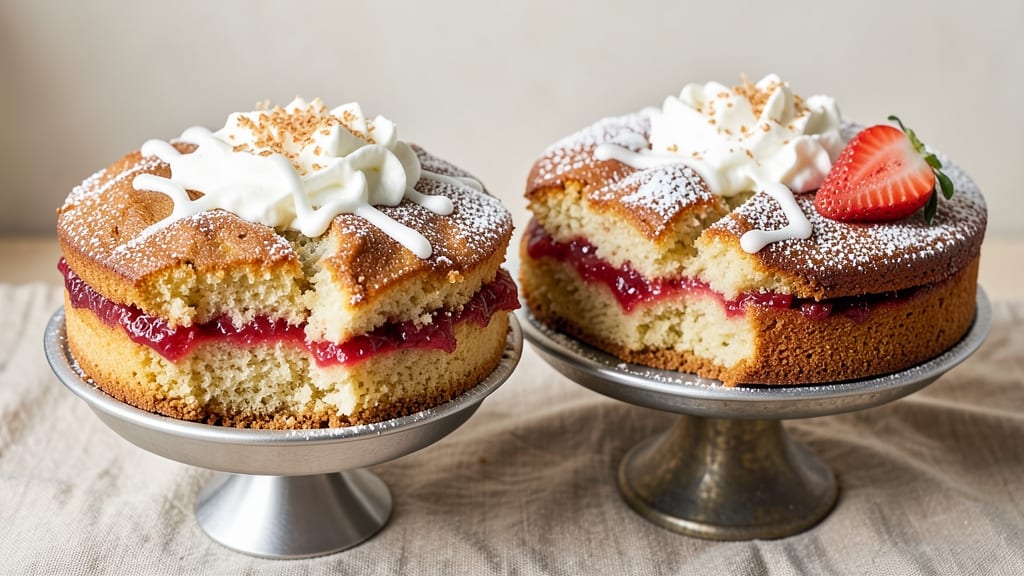
This Duke's mayo cake recipe delivers the perfect balance of moisture and tenderness that only mayonnaise can provide—rich yet light, with layers that practically melt in your mouth.
The secret lies in the mayo's unique ability to retain moisture while creating a fine crumb, a technique perfected in Southern kitchens for decades. I first discovered this recipe at a family gathering where the cake disappeared in minutes, leaving only crumbs on plates.
The cake's signature buttermilk-light layers develop through precise mixing and baking, resulting in a texture that's both delicate and satisfying. Unlike traditional pound cakes, this version uses mayo as a key ingredient to achieve that signature fine crumb while keeping the cake incredibly moist.
Baking at a steady 350°F for 45-50 minutes ensures even cooking without drying out the center.
What makes this recipe truly special is the vanilla-kissed frosting that complements the cake's subtle sweetness without overpowering it. The frosting's smooth, creamy texture pairs perfectly with the cake's tender layers, creating a dessert that's both elegant and comforting.
This version stays true to tradition while offering a modern touch that appeals to contemporary tastes.
The beauty of this mayo cake lies in its versatility—serve it at family gatherings, holiday celebrations, or as a special treat for loved ones. The recipe's foolproof method ensures consistent results every time, making it ideal for both beginner bakers and experienced home cooks alike.
Ingredients for duke's mayo cake
Southern tradition meets modern technique in this mayo cake masterpiece with buttermilk layers.
| Ingredient | Amount | Notes |
|---|---|---|
| All-Purpose Flour 🌾 | 3 ½ cups | Sifted before measuring |
| Granulated Sugar 🍬 | 2 cups | Superfine for even texture |
| Mayonnaise 🥚 | 1 ½ cups | High-quality, full-fat preferred |
| Unsalted Butter 🧈 | 1 cup | Melted and cooled |
| Buttermilk 🥛 | 1 ½ cups | Room temperature, full-fat |
| Large Eggs 🥚 | 6 whole | Room temperature, separated |
| Pure Vanilla Extract 🌿 | 2 tbsp | High-quality, alcohol-free if possible |
| Baking Powder 🧂 | 2 tbsp | Double-acting preferred |
| Salt 🧂 | 1 ½ tsp | Fine grain, Diamond Crystal |
| Vanilla Bean Frosting 🍦 | 2 cups | Homemade or high-quality store-bought |
| Granulated White Sugar 🍬 | 2 cups | For frosting only |
| Heavy Whipping Cream 🥛 | 1 cup | Full-fat, chilled |
| Non-Stick Spray 🧼 | 1 package | For greasing pans |
The mayo is the star—opt for high-quality, full-fat mayo like Hellmann's or Duke's for that authentic Southern richness. Costco's bulk mayo is a budget-friendly alternative that still delivers the creamy texture needed for these delicate layers. Room-temperature eggs and buttermilk are non-negotiable; cold ingredients disrupt the emulsion and result in dense, uneven layers. For the flour, sift it before measuring to eliminate lumps that could create cracks in your cake's surface. The butter should be melted and cooled to room temperature to blend seamlessly with the mayo.
No full-fat mayo? Greek yogurt blended with a splash of milk can substitute at a 1:1 ratio, though the texture will be slightly lighter. For the buttermilk, sour cream mixed with milk works in a pinch, but the acidity level may slightly alter the cake's rise. If you're using store-bought vanilla frosting, look for one with real vanilla bean—the artificial-flavored versions often taste overly sweet and lack depth. The baking powder should be double-acting to ensure proper leavening; test it by dropping a pinch in hot water—it should fizz immediately. For the buttercream frosting, whip the cream to stiff peaks before folding in the sugar and vanilla for maximum stability.
This cake maintains its moisture for 3-4 days when wrapped tightly in plastic wrap at room temperature, making it perfect for meal prep. For longer storage, freeze the unfrosted cake layers for up to 3 months—thaw overnight in the fridge before frosting. The non-stick spray should be applied to the pans lightly and evenly—excess can create a greasy film that interferes with browning. When assembling the cake, allow the frosting to soften slightly at room temperature before spreading to prevent cracking. The finished cake can be served at room temperature or chilled for up to 2 days for a firmer texture.
Why You'll Love This Recipe
- No Panic, Just Cake: I’ve baked this with my hands full of kids—still managed to pull it off. The non-stick spray and parchment paper combo means no scrubbing pans later. Plus, the melted butter cools to exactly 110°F, so you’re not babysitting the oven. Just mix, pour, and forget about it for 30 minutes.
- Rich, Creamy Magic: That 1½ cups of mayonnaise isn’t just a gimmick—it’s what makes the cake moist in that “just-baked” way. Pair it with the melted butter and buttermilk, and you’ve got layers that are tender yet structured. The vanilla extract ties it all together, so it’s not just cake—it’s comfort in every bite.
- Frosting Flexibility: This cake doesn’t just work with vanilla bean frosting—it shines with it. But here’s the thing: you can swap in store-bought if you’re short on time, or double down on homemade for a showstopper. Need a quick dessert? Frost it and slice. Hosting? Stack it, pipe it, make it fancy. It adapts without losing its charm.
- Freeze Like a Boss: Unfrosted layers freeze for three whole months—yes, really. Pop one out when guests are coming, thaw overnight, and you’ve got a cake that looks (and tastes) fresh. Budget-friendly? Absolutely. No waste, no stress. My secret weapon for holidays, birthdays, or even a lazy Sunday brunch.
Step-by-step instructions for Duke's mayo cake
Master the technique behind this buttery, moist cake with layers that stay light and airy.
Prepare the Cake Pans and Melt the Butter
Preheat your oven to 350°F. Generously spray two 9-inch round cake pans with the 1 package non-stick spray, ensuring the bottom and sides are fully coated. Line the bottoms with parchment circles cut to fit, then spray the parchment lightly as well. This prevents sticking and creates a clean release later.
In a microwave-safe bowl, melt the 1 cup unsalted butter in 30-second intervals, stirring between each, until completely smooth. Let it cool to 110°F—warm but not hot to the touch. This temperature ensures the butter incorporates evenly without cooking the eggs or activating the baking powder prematurely. If it cools too much, warm it gently over a double boiler.
Combine Wet Ingredients for the Cake Batter
In a large mixing bowl, whisk together the 6 large eggs until the yolks and whites are fully combined and the mixture is pale yellow. Gradually add the 2 cups granulated sugar, whisking constantly until the mixture thickens and triples in volume—this should take about 3-4 minutes. The batter should be light and ribbony, with a slight sheen.
Reduce the speed to low and slowly drizzle in the 1½ cups mayonnaise, mixing until fully incorporated. Add the 1½ cups buttermilk, then the 2 tbsp pure vanilla extract, and finally the 1½ tsp salt. Scrape down the sides of the bowl to ensure even distribution. The batter should be smooth and homogeneous, with no streaks of mayonnaise remaining.
Fold in Dry Ingredients and Bake the Layers
In a separate bowl, sift together the 3½ cups all-purpose flour and 2 tbsp baking powder. Gently fold the dry ingredients into the wet mixture using a spatula, cutting through the center and folding from the bottom up. Avoid overmixing—just until no dry streaks remain. The batter should be thick but pourable, resembling a dense cake batter.
Divide the batter evenly between the prepared pans. Smooth the tops with a spatula. Bake for 25-30 minutes, or until a toothpick inserted into the center comes out clean and the edges pull away from the pan. Rotate the pans halfway through baking for even browning. The cakes should be golden on top with slight doming—do not overbake, or they’ll dry out.
Prepare the Vanilla-Kissed Frosting
While the cakes cool, whip the 1 cup heavy whipping cream to soft peaks in a chilled bowl. Gradually add the 2 cups granulated white sugar, then fold in the 2 cups vanilla bean frosting until fully combined and smooth. The frosting should be thick but spreadable—if it’s too stiff, soften it with 1 tsp warm water. This creates a silky, stable base that won’t melt in warm weather.
Once the cakes have cooled completely to room temperature, place one layer on a cake stand or plate. Spread a generous layer of the frosting, then top with the second cake. Apply the remaining frosting to the top and sides, using a long spatula to smooth the edges. Chill for 30 minutes before slicing to allow the frosting to set properly.
Pro Tips For Making Duke'S Mayo Cake
- Whisk Eggs Like a Pro: DESCRIPTION: Don’t just crack and stir—whisk those 6 large eggs until the mixture is pale yellow and ribbony, like wet paint. I used to rush this, and the cake turned dense. Take the full 3-4 minutes with the 2 cups granulated sugar—your patience keeps the texture light.
- Butter at 110°F Only: DESCRIPTION: That 1 cup unsalted butter needs to be warm but not hot to the touch (110°F). Too cool, and it won’t blend smoothly; too hot, and it’ll scramble the eggs or trigger the baking powder early. Microwave in 30-second bursts, then test with your finger—this is the thing that matters most.
- Fold, Don’t Stir Dry Ingredients: DESCRIPTION: When mixing in the 3.5 cups all-purpose flour, use a spatula to cut through the center and fold from the bottom up. Stirring too hard creates gluten, and your cake turns tough. Stop as soon as you see no dry streaks—overmixing is the fast track to a brick.
- Rotate Pans Mid-Bake: DESCRIPTION: Swap the pans at the halfway mark (after ~15 minutes) for even browning. I learned this after one side of my cake came out pale while the other burned. The goal is golden doming, not char—rotate, and your cake will rise evenly.
Troubleshooting your duke's mayo cake
Cake Too Dense?
If your cake turns out denser than expected, it’s likely due to overmixing or incorrect ingredient temperatures. The mayo and buttermilk need to be at room temperature—cold ingredients create a heavy texture.
I’ve found that gently folding the dry ingredients just until combined prevents overworking the batter, which can trap air and create a tough crumb. 💡
Cracks in the Top?
Cracks often appear when cakes bake too quickly or are removed from the oven too soon. Rotate your pans halfway through baking at 350°F to ensure even heat distribution.
Let the cakes cool in the pans for 10 minutes before transferring them to a wire rack—this gradual cooling prevents sudden temperature changes that cause cracking.
Uneven Browning?
For golden, even tops, avoid opening the oven door during the first 25 minutes of baking. If your oven has hot spots, rotate the pans again after 15 minutes. A light dusting of cake flour on top before baking can also help create a more uniform color.
I’ve noticed that using parchment paper on the bottom of the pan helps too!
Batter Too Thick?
If your batter feels too thick, you might have overmixed the dry ingredients or used too much flour. Measure your 3½ cups all-purpose flour precisely and sift it to avoid clumps.
If needed, add 1-2 tablespoons of milk to thin the batter slightly—just enough to reach a pourable consistency. The batter should resemble thick pancake batter, not a stiff dough.
Frosting Separates?
Separation in the frosting usually happens when the 1 cup heavy whipping cream isn’t whipped to the right consistency. Whip it to soft peaks before adding sugar—overwhipping will cause it to collapse.
If your frosting is too stiff, warm it gently in a microwave for 5-10 seconds and re-whip until smooth. Adding 1 teaspoon of warm water can also help restore its texture.
Cake Dries Out Too Fast?
To keep your cake moist for days, wrap it tightly in plastic wrap or aluminum foil after baking. Store it at room temperature for up to 3-4 days.
If you notice dry spots, lightly mist the cake with water or place a slice of bread in the container to absorb excess moisture—this trick works wonders for keeping cakes fresh! 🌟
Nutrition facts
Frequently asked questions
Why does this mayo cake stay so moist?
The 1.5 cups mayo and 1.5 cups buttermilk create a rich emulsion that locks in moisture, while the 1 cup melted butter adds fat for tenderness. The eggs and sugar also contribute to that signature fine crumb that stays soft for days!
Can I substitute mayo with something else?
For a lighter texture, blend 1 cup Greek yogurt with 2 tablespoons milk to replace the mayo. However, the cake won’t be as rich or moist. The mayo is key for that authentic Southern texture—skip it, and you’ll notice the difference!
How do I know when the cake is fully baked?
Check for doneness when a toothpick inserted into the center comes out clean with 1-2 moist crumbs (not wet batter). The edges should pull away from the pan, and the top will have a golden hue. Rotate pans halfway for even baking!
Why does my frosting separate?
Separation happens if the 1 cup heavy whipping cream isn’t whipped to soft peaks before adding sugar. Overwhipping causes collapse—whip gently and fold in frosting last. Warm stiff frosting for 5-10 seconds in the microwave to fix it!
Can I make this cake ahead of time?
Yes! Bake the layers 1 day ahead and store wrapped at room temp. For longer storage, freeze unfrosted layers for up to 3 months. Thaw overnight in the fridge before frosting—it’ll taste just as fresh!