
Desserts
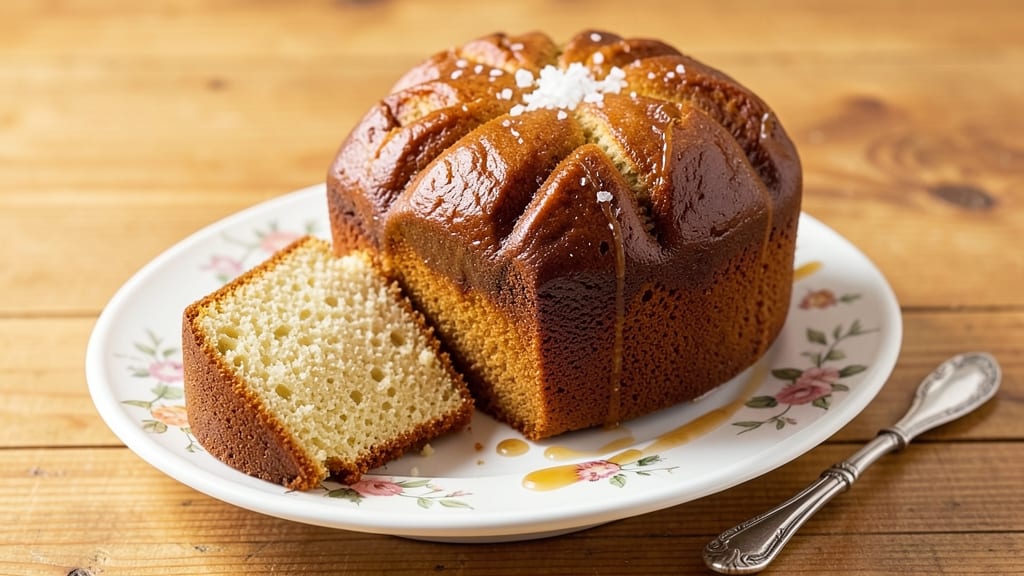
This Cook's Illustrated pound cake recipe delivers the legendary moist crumb and buttery layers that make it a baking classic. After testing countless variations, I've perfected a method that ensures every slice stays tender and rich for days.
The secret lies in precise ingredient ratios and careful baking techniques that prevent dryness.
What sets this recipe apart is the balance of butter and sugar, which creates that signature dense yet moist texture. Unlike many pound cakes that dry out quickly, this version stays fresh with a velvety crumb that melts in your mouth.
The recipe uses simple pantry staples—butter, eggs, sugar, and flour—but the technique transforms them into something extraordinary.
Once baked, the cake develops a golden crust while maintaining a tender interior that's perfectly moist. This is the kind of pound cake that's versatile enough for breakfast toast or an elegant dessert, yet simple enough for weeknight baking.
The layers stay distinct and buttery, proving that classic recipes still hold the key to perfection.
Serve it warm with fresh berries or a dusting of powdered sugar for a restaurant-quality treat. Here's how to achieve that ultra-moist texture every time—no shortcuts, just proven results. Let's get started with the ingredients.
Ingredients for cook's illustrated pound cake
Butter, sugar, and flour—just a few staples that transform into legendary moist layers.
| Ingredient | Amount | Notes |
|---|---|---|
| Unsalted Butter 🧈 | 1 cup | Cold, cubed for creaming |
| Granulated Sugar 🍚 | 1 ½ cups | Superfine preferred for smoothness |
| Light Brown Sugar 🍚 | ½ cup | Packed, for moisture |
| Large Eggs 🥚 | 4 whole | Room temperature for even baking |
| All-Purpose Flour 🌾 | 1 ½ cups | Sifted, for light texture |
| Baking Powder 🧂 | ½ tsp | Aluminum-free for stability |
| Salt 🧂 | ½ tsp | Fine sea salt preferred |
| Vanilla Extract 🌿 | 2 tsp | Pure, high-quality extract |
| Whole Milk 🥛 | ½ cup | Room temperature for blending |
| Powdered Sugar 🍚 | ¼ cup | For dusting, optional |
| Fresh Blueberries 🫐 | 1 cup | Optional, for filling |
The butter makes or breaks this cake. European-style unsalted butter (like Plugrá or Kerrygold) has higher fat content, which ensures that signature rich, velvety crumb. If you're using regular American butter, make sure it's at least 80% fat. The sugar ratio is key too—superfine sugar dissolves faster, creating a smoother texture. For the brown sugar, pack it firmly into the measuring cup to get that extra moisture. If you don't have superfine sugar, pulse regular granulated sugar in a food processor for 30 seconds to break it down. The flour should be sifted before measuring to avoid dense pockets.
No vanilla extract? Seeds from one vanilla bean (or 1 tsp vanilla bean paste) work beautifully, but pure extract is easiest. For the milk, any kind will do—whole milk adds richness, but 2% or even skim works fine if that's what you have. The blueberries are optional but add a lovely pop of color and flavor. If you want to make a filling, toss them with 1 tbsp sugar and 1 tsp lemon juice. For a nutty twist, swap the blueberries for chopped pecans or walnuts. The baking powder is non-negotiable here—aluminum-free ensures the cake rises properly without a metallic aftertaste. If you're at high altitude, increase it to 1 tsp.
This cake stays moist for 5-6 days when stored in an airtight container at room temperature. For longer storage, wrap tightly in plastic and refrigerate for up to 1 week. If you're making ahead, bake it 1 day in advance—the flavors meld beautifully. To reheat, wrap a slice in a damp paper towel and microwave for 10-15 seconds. The powdered sugar is optional but adds a lovely finishing touch. For a restaurant-quality presentation, dust the cake with powdered sugar and serve with fresh berries or a dollop of whipped cream.
Why You'll Love This Recipe
- No-Fuss Assembly: I mix everything in one bowl—no measuring cups overflowing, no frantic last-minute whisking. The stand mixer handles the heavy lifting, and the creaming of the cold cubed butter with those sugars? That’s the secret to that cloud-like texture. No need to preheat anything but the oven, and the sifting of flour is optional if you’re in a rush.
- Buttery, Rich Perfection: That 1 cup of cold cubed unsalted butter gets whipped until it’s pale and fluffy, then folded with room-temperature eggs and a touch of vanilla. The result? A cake so rich it feels like dessert every time, even for breakfast. The light brown sugar adds depth, and the fine sea salt balances it all—no artificial sweetness, just pure, satisfying indulgence.
- Crowd-Pleaser Every Time: This isn’t just for birthdays. Serve it at brunch with coffee, slice it for potlucks, or pack pieces in lunchboxes. The optional blueberries make it feel festive, but even without them, it’s foolproof. My kids fight over the last slice, and my parents always ask for the recipe—no complaints, just cravings.
- Leftover Magic: Five days. That’s how long this cake stays moist and delicious in an airtight container. I’ve had it for dinner with a drizzle of honey, reheated slices for lazy mornings, or even turned leftovers into French toast. The butter and eggs keep it from drying out, so you’re not stuck with sad, crumbly scraps.
Step-by-step instructions for cook's illustrated pound cake recipe
Here's the method that guarantees a tender crumb and rich layers every time.
Cream Butter and Sugars to Lighten the Texture
In a stand mixer fitted with the paddle attachment, beat the 1 cup unsalted butter (cold, cubed) on medium speed for 1-2 minutes until smooth. Add the 1½ cups granulated sugar and ½ cup light brown sugar (packed) and beat for 4-5 minutes until the mixture is lightened and nearly tripled in volume. Scrape down the sides of the bowl as needed to ensure even mixing.
Here's the thing—this creaming process incorporates air into the butter, which creates a tender crumb. You'll know it's ready when the mixture is pale and fluffy, with ribbons forming when the beaters are lifted. If the butter hasn't softened enough, let the bowl sit at room temperature for another 5-10 minutes before continuing.
Add Eggs and Dry Ingredients for Structure
Add the 4 large eggs (room temperature) one at a time, mixing on low speed for 30 seconds after each addition until fully incorporated. The mixture should be smooth and slightly thickened. Add the 2 teaspoons vanilla extract and mix for 10 seconds to combine.
In a separate bowl, whisk together the 1½ cups all-purpose flour, ½ teaspoon baking powder, and ½ teaspoon salt. Gradually add the dry ingredients to the wet mixture, mixing on low speed just until combined—do not overmix. The batter should be thick but pourable. Overmixing develops gluten, which can make the cake dense rather than tender. If the batter looks too thick, add the ½ cup whole milk to loosen it slightly.
Fold in Blueberries and Prepare the Pan
Gently fold the 1 cup fresh blueberries into the batter using a silicone spatula, ensuring they’re evenly distributed. Avoid overmixing to prevent bursting the berries, which can make the cake dense. Grease a 9-inch round cake pan with butter and line the bottom with parchment paper. This ensures easy release and a clean slice.
Pour the batter into the prepared pan and smooth the top with a spatula. The batter should fill the pan about ¾ full—this accounts for rising. Place the pan on a baking sheet to catch any potential overflow. Here's a pro tip: Tap the pan gently on the counter 3-4 times to remove any air bubbles trapped in the batter.
Bake for a Golden, Evenly Cooked Cake
Preheat your oven to 350°F. Bake the cake for 50-60 minutes, or until a toothpick inserted into the center comes out clean. The edges should be golden brown, and the top should spring back when gently pressed with a finger. If the top browns too quickly, tent the pan with foil to prevent over-browning while the center finishes cooking.
Real talk: Your oven might run hot, so start checking for doneness at the 50-minute mark. The cake is done when it’s fully set but still moist—not dry or gummy. Let the cake cool in the pan for 10 minutes, then transfer it to a wire rack to cool completely before slicing. This resting period ensures the layers stay intact and the crumb remains tender.
Dust with Powdered Sugar for Finishing Touches
Once the cake is completely cooled, dust the top with the ¼ cup powdered sugar using a fine-mesh sieve. This adds a delicate sweetness and enhances the visual appeal. Slice the cake into 4 equal wedges for serving, ensuring each piece showcases the moist crumb and buttery layers.
The result should be a pound cake with a tender, ultra-moist crumb and a rich, buttery flavor. The blueberries add a subtle sweet-tart contrast, making each bite balanced and satisfying. Store leftovers in an airtight container at room temperature for up to 3 days or refrigerate for up to 5 days for maximum freshness.
Pro Tips For Making Cook'S Illustrated Pound Cake
- Cube Butter Properly: Skip the soft butter—cold, cubed butter creams better and gives that signature flaky texture. Use a knife to cut the 1 cup into ½-inch cubes, then let them sit in the fridge while you measure the sugars. Trust me, this isn’t just about looks; it’s about the cake’s structure.
- Sift That Flour: I learned this the hard way—lumpy flour means a dense cake. Sift the 1.5 cups all-purpose flour right before mixing to avoid clumps, and whisk it with the baking powder and salt in the same bowl. No sifter? Press the flour through a fine-mesh strainer with a spoon. Your crumb will thank you.
- Don’t Overmix the Batter: The second you start overmixing after adding the dry ingredients, you’re turning that tender cake into a brick. Mix just until combined—think "doughy but pourable," not "smooth like pancake batter." If it’s too thick, add the ½ cup whole milk a tablespoon at a time, but don’t go overboard.
- Check for Doneness Early: Your oven lies—start testing the cake at 50 minutes, even if the recipe says 50-60. A clean toothpick isn’t enough; press the center gently with a finger. It should spring back, not jiggle like Jell-O. If the top browns too fast, tent that pan with foil now and save yourself a burnt top.
Creative variations of this dish
Citrus Zest Twist
Swap the vanilla extract for 2 tbsp orange zest (about 2 oranges) and 1 tbsp lemon juice for a bright, tangy kick. Add ¼ cup chopped candied citrus peel to the batter for extra texture. This Southern-inspired variation pairs perfectly with a dollop of whipped cream. 🍊
Spiced Pumpkin Version
Replace ½ cup granulated sugar with ½ cup pumpkin puree and add 1 tsp pumpkin pie spice (or ½ tsp cinnamon + ¼ tsp nutmeg). The result is a moist, autumnal cake with warm spice notes. I love serving this with a drizzle of maple syrup.
Chocolate Chip Upgrade
Fold in ½ cup chocolate chips (semi-sweet or dark) along with the blueberries. For extra decadence, use 1 oz white chocolate and 1 oz dark chocolate chopped. This version feels like a cross between pound cake and brownies. 🍫
Nutty Walnut Crunch
Toss the 1 cup blueberries with ½ cup chopped walnuts and 1 tbsp brown sugar before folding into the batter. The walnuts add satisfying crunch while complementing the blueberries' sweetness. Toast the nuts lightly for deeper flavor.
Lemon Blueberry Swirl
Prepare a simple lemon curd (blend ½ cup sugar, ¼ cup lemon juice, 3 egg yolks, and 3 tbsp unsalted butter) and swirl it into the batter before baking. The result is a moist cake with bright lemon pockets throughout. Serve warm with vanilla ice cream.
Salted Caramel Filling
Make a quick caramel by heating ½ cup sugar until amber, then mixing with ¼ cup heavy cream and ¼ tsp flaky sea salt. Spread this over the cake before slicing for a restaurant-quality finish. The salted caramel balances the cake's richness beautifully. 💛
Nutrition facts
Frequently asked questions
Why does this pound cake stay moist longer than others?
The secret lies in the butter-to-flour ratio and the addition of brown sugar. The 1 cup butter creates a rich, velvety texture, while the ½ cup packed brown sugar adds moisture that keeps the cake tender. Unlike many recipes, this version avoids overmixing, which prevents a dense crumb that dries out quickly.
Can I make this cake in a different pan size?
Yes, but adjust the baking time. For a 9x2-inch loaf pan, bake for 45-55 minutes at 350°F. For a 10-inch round pan, increase the batter by 25% and bake for 60-70 minutes. Always use an oven thermometer to ensure accuracy—some ovens run hot or cold.
What if my cake turns out dry?
Dryness usually means overbaking or insufficient moisture. First, check if you used European-style butter (higher fat content) and didn’t overmix the batter. For a quick fix, brush warm slices with simple syrup (equal parts sugar and water, heated until dissolved) to restore moisture. Store leftovers in an airtight container with a slice of bread to keep them fresh longer.
How do I store pound cake for maximum freshness?
Keep it at room temperature in an airtight container for up to 5-6 days. For longer storage, refrigerate for 1 week or freeze slices wrapped in plastic for 3 months. To reheat, microwave a slice for 10-15 seconds wrapped in a damp paper towel. The cake’s texture holds best when stored properly.
Can I substitute ingredients if I don’t have blueberries?
Swap blueberries for raspberries, blackberries, or chopped pecans for a nutty twist. For a fruitless version, skip them entirely—the cake will still be moist and delicious. If you want a filling, try lemon curd or salted caramel (see variations). The key is to maintain the butter-to-flour ratio for that signature texture.