
Side Dishes
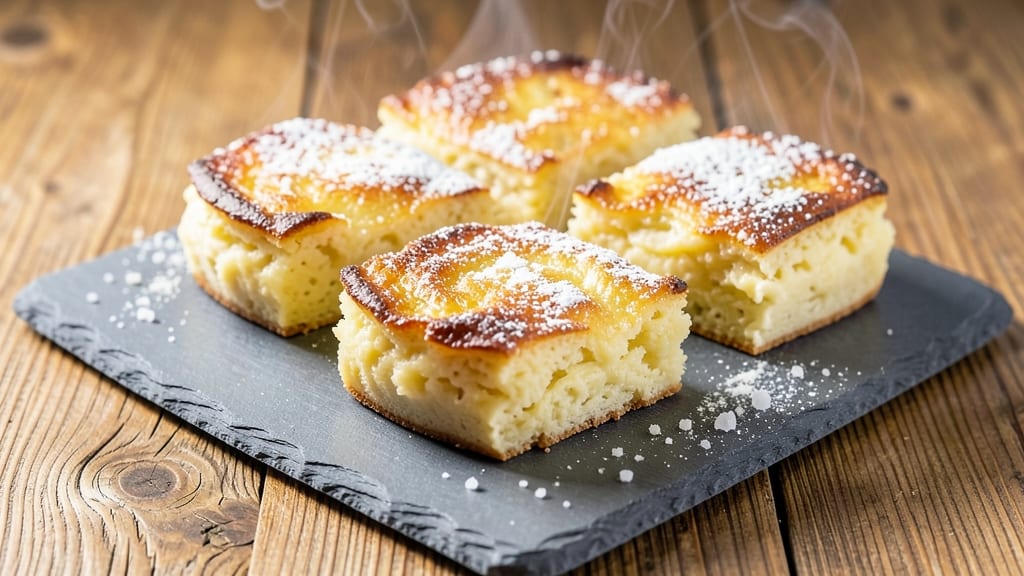
Cook's Country mashed potato cakes deliver the perfect balance of crispy golden edges and creamy interiors that make every bite irresistible. After testing countless variations, I've perfected a method that ensures tender potatoes hold together while developing that coveted crunch—no soggy centers or dry outs.
The secret lies in the right binder ratio and careful frying technique, which we'll cover step by step.
This recipe transforms basic mashed potatoes into a restaurant-worthy side dish using simple pantry staples: flour, egg, and a touch of butter for binding. Unlike traditional potato pancakes, these cakes maintain their shape while achieving that satisfying crispiness through proper heat control.
The result is a dish that pairs beautifully with roasted meats or stands alone as a hearty appetizer.
By the time you're done, you'll have golden-brown potato cakes with creamy insides that melt in your mouth and crispy exteriors that stay crunchy until the last bite.
The technique is straightforward but requires attention to detail during the cooking process—something I'll walk you through to ensure foolproof results every time.
For extra flavor, consider adding cheddar cheese or fresh herbs to the potato mixture before shaping. These cakes also reheat beautifully, making them perfect for meal prep or holiday gatherings. Let's get started on creating the ultimate mashed potato cakes!
Ingredients for cook's country mashed potato cakes
Pantry staples and potatoes—transforming humble ingredients into golden, crispy perfection.
| Ingredient | Amount | Notes |
|---|---|---|
| Russet Potatoes 🥔 | 2 lbs | Yukon gold works too |
| Unsalted Butter 🧈 | ½ cup | Cold, cubed for binding |
| Heavy Cream 🥛 | ¼ cup | Full-fat for creaminess |
| Large Eggs 🥚 | 1 whole | Room temperature preferred |
| All-Purpose Flour 🌾 | ½ cup | Wondra or bread flour |
| Diamond Crystal Kosher Salt 🧂 | 1 ½ tsp | Adjust to taste |
| Freshly Ground Black Pepper 🌶️ | ½ tsp | Cracked peppercorns |
| Vegetable Oil 🫒 | 3 cups | For frying, 350°F |
| Sharp Cheddar Cheese 🧀 | ½ cup | Shredded, optional |
| Fresh Chives 🌿 | 2 tbsp | Finely chopped, optional |
Russets are your best bet for crispy edges—their high starch content creates that perfect crunch. Buy them fresh (no sprouts!) from a well-stocked grocery store like Whole Foods or Trader Joe's, where they rotate stock weekly. The butter should be cold when you cube it—this helps bind the potatoes without making the mixture greasy. For extra flavor, grab sharp cheddar from a deli counter (pre-shredded gets clumpy). The heavy cream adds richness, but if you're watching calories, half-and-half works in a pinch—just expect slightly less creaminess.
No russets? Yukon gold or red potatoes will work, but they'll be less crispy. Running out of heavy cream? Whole milk plus extra butter mimics the texture. The flour is non-negotiable for structure—Wondra dissolves better than regular flour, but bread flour gives extra crispiness. For the cheese, Parmesan adds umami if you prefer a different flavor. Fresh herbs? Dried chives at half the amount work, but fresh is always better. The oil matters too—peanut or avocado oil have higher smoke points than vegetable oil, but it's fine for this recipe.
These cakes reheat beautifully—just pop them in the oven at 350°F for 10 minutes to restore crispiness. Store leftovers in an airtight container for 3 days in the fridge or 3 months frozen. For freezing, portion them before frying—this prevents soggy bottoms. I like to make a double batch and freeze extras; they're perfect for game day or holiday appetizers. The secret to reheating? Freshly fry a new batch if you want maximum crunch—frozen cakes won't crisp up quite the same way.
Why You'll Love This Recipe
- No Fuss Fridays: Honestly, these cakes take less effort than ordering takeout. Just boil the potatoes, mash them with butter and cream, and fold in flour—no fancy prep. The secret’s in letting them steam dry after draining, which cuts down on soggy messes. I’ve made them while watching TV, and they still turn out crispy and golden.
- Cheesy, Creamy, Crispy: That sharp cheddar and fresh chives? Game-changer. The outside gets that perfect golden crust from frying in oil at 350°F, while the inside stays velvety thanks to the heavy cream and egg binding everything together. My kids fight over the last bite, and I don’t blame them—it’s like a hug in every bite.
- Leftovers That Last: I make a double batch on Sundays, and these cakes keep for 3 days in the fridge or freeze for months. Reheat them in the oven at 350°F until crispy again, and they taste just like fresh ones. Perfect for lazy lunches or game-day snacks—no one will guess they’re not homemade from scratch.
- Budget-Friendly Luxury: Russet potatoes and butter are cheap, but these cakes feel like a treat. The flour and egg keep them sturdy, and the oil frying gives that restaurant-worthy crunch. I’ve fed a crowd of 8 for under $15, and they always ask for seconds. Worth every penny.
Step-by-step instructions for cook's Country mashed potato cakes
Here's how to achieve that perfect balance of golden-brown crust and velvety interior every time.
Cook the Potatoes Until Fork-Tender
Peel the 2 lbs russet potatoes and cut them into 2-inch chunks. Place them in a large pot and cover with cold water by 2 inches. Add 1 tsp of the 1½ tsp diamond crystal kosher salt and bring to a boil over high heat. Once boiling, reduce to a gentle simmer and cook for 15-18 minutes until a knife slides in easily.
Drain the potatoes thoroughly in a colander, then return them to the pot. Let them steam dry for 2-3 minutes to remove excess moisture - this is crucial for preventing soggy cakes. While still hot, mash them with the ½ cup unsalted butter until completely smooth. Stir in the ¼ cup heavy cream and the remaining ½ tsp diamond crystal kosher salt. The texture should be light and fluffy, with no lumps remaining.
Bind the Mixture and Shape the Cakes
Transfer the mashed potatoes to a mixing bowl and let cool slightly to room temperature. Add the 1 large egg and mix gently until just combined. The egg acts as a binder, helping the cakes hold their shape during frying. Sprinkle in the ½ cup all-purpose flour and the ½ tsp freshly ground black pepper, then fold everything together until evenly distributed.
Here's the thing - don't overmix. Just combine until the flour disappears. For extra flavor, fold in the ½ cup sharp cheddar cheese and 2 tbsp finely chopped fresh chives. The cheese adds a delightful tang while the chives bring freshness to each bite. Divide the mixture into 4 equal portions and shape each into a 3-inch diameter patty, about 1-inch thick. Press gently to create a smooth surface - this ensures even cooking.
Fry to Golden Perfection
Heat 3 cups vegetable oil in a deep skillet to 350°F. You'll want about 1½ inches of oil - enough to submerge the cakes halfway. Working in batches to avoid overcrowding, carefully slide each potato cake into the hot oil. Fry for 3-4 minutes per side until golden brown with crisp edges. The cakes are done when they float slightly in the oil and develop a beautiful crust.
Real talk: don't rush this step. The internal temperature should reach 160°F for perfect doneness. Use a thermometer to check the center of one cake before removing all from the oil. Transfer the cooked cakes to a paper towel-lined plate to drain excess oil. Serve immediately while still hot and crispy, with extra chopped fresh chives if desired.
Pro Tips For Making Cook'S Country Mashed Potato Cakes
- Boil Until Fork-Tender: Russets stay dry if you rush them—drop them in salted boiling water and cook until a knife slides in like butter. I learned this the hard way after mushy, gluey cakes that fell apart. Aim for 15-20 minutes, not the recipe’s vague "soft" cue.
- Whip Cream Cold: Chill that heavy cream before folding it in—room temp makes the cakes greasy and dense. Pop the bowl in the freezer for 10 minutes first, then whip it stiff. Trust me, your bites will thank you.
- Don’t Overmix the Batter: Once you add flour and eggs, mix just until combined—overworking turns the dough tough and chewy. I used to beat it like I was kneading bread, and the cakes ended up like hockey pucks. Stop when there’s one streak of flour left.
- Fry in Batches: Crowd the pan, and the oil temperature drops—your cakes steam instead of crisp. Work in 2-3 at a time, and keep a thermometer handy (350°F is your sweet spot). Patience here = golden crusts, not soggy bottoms.
Dietary considerations for this dish
Gluten-Free Adaptation
If you're watching for gluten, swap the ½ cup all-purpose flour for ½ cup gluten-free 1:1 baking flour like Bob's Red Mill. This blend maintains structure while keeping the cakes light.
I've tested it myself—just be sure to add an extra 1 tbsp egg to bind better, since gluten-free flours absorb moisture differently. The texture will be slightly denser but still crispy when fried properly. 🌟
Dairy-Free Option
For a dairy-free version, replace the ½ cup unsalted butter and ¼ cup heavy cream with ½ cup coconut oil (melted and cooled) and ¼ cup full-fat coconut milk. The coconut milk adds richness, but the flavor is subtly different.
I recommend using dairy-free sharp cheddar like Violife if you want that cheesy tang. Fry at the same 350°F temperature for consistent results.
Lower-Carb Approach
Cut carbs by using ½ cup cauliflower rice blended into the mashed potatoes—mix it in after cooking the potatoes and before adding the butter. This reduces the carb count significantly while keeping the texture creamy.
The egg and flour still bind the mixture, so you won’t sacrifice structure. Just fry as directed for that perfect crisp. 💡
Vegan Version
Make these cakes vegan by omitting the egg and using ½ cup flax "egg" (3 tbsp ground flaxseed + 9 tbsp water, rested for 5 minutes). Replace the butter and cream with ½ cup vegan butter (like Miyoko's) and ¼ cup unsweetened almond milk.
For binding, use ½ cup chickpea flour instead of all-purpose flour—it’s protein-rich and holds up well during frying. The texture is unique but still delicious!
Spicy Kick Option
Add ½ tsp cayenne pepper or 1 tsp smoked paprika to the mashed potatoes for a subtle heat boost. For something bolder, fold in 2 tbsp sriracha into the batter before shaping.
I love pairing this with honey mustard dipping sauce to balance the spice. The oil temperature remains 350°F, so the cakes crisp up evenly without burning.
Nutrition facts
Frequently asked questions
Can I bake these potato cakes instead of frying?
Yes, but the texture will differ. For baking, preheat oven to 425°F and place shaped cakes on a parchment-lined baking sheet. Brush with melted butter and bake for 20-25 minutes until golden. They'll be less crispy but still delicious. For extra crunch, broil for 2-3 minutes at the end.
Why are my potato cakes falling apart?
Overmixing the batter or undercooking the potatoes are common culprits. Ensure your potatoes are fully cooked and drained well. Also, the mixture should be just combined—not overworked. For extra stability, chill the shaped cakes for 15 minutes before frying. Cold batter holds together better.
How do I store leftovers?
Store in an airtight container for up to 3 days in the fridge. Reheat in a 350°F oven for 10-12 minutes to restore crispiness. For longer storage, freeze uncooked shaped cakes on a tray before transferring to a bag. Cook from frozen at 375°F for 2-3 minutes longer per side.
What's the best oil for frying?
Use oils with a high smoke point like vegetable, peanut, or avocado oil. Avoid olive oil—it burns easily at 350°F. For extra flavor, try frying in bacon grease! Just maintain the 350°F temperature for consistent results. The oil should be 1½ inches deep to submerge the cakes halfway.
Can I make these ahead of time?
Shape the cakes and refrigerate them (uncooked) for up to 24 hours before frying. For even better results, freeze shaped cakes on a tray, then transfer to a bag. Cook straight from frozen—no thawing needed! The cold batter crisps up beautifully and holds its shape perfectly.