
Desserts
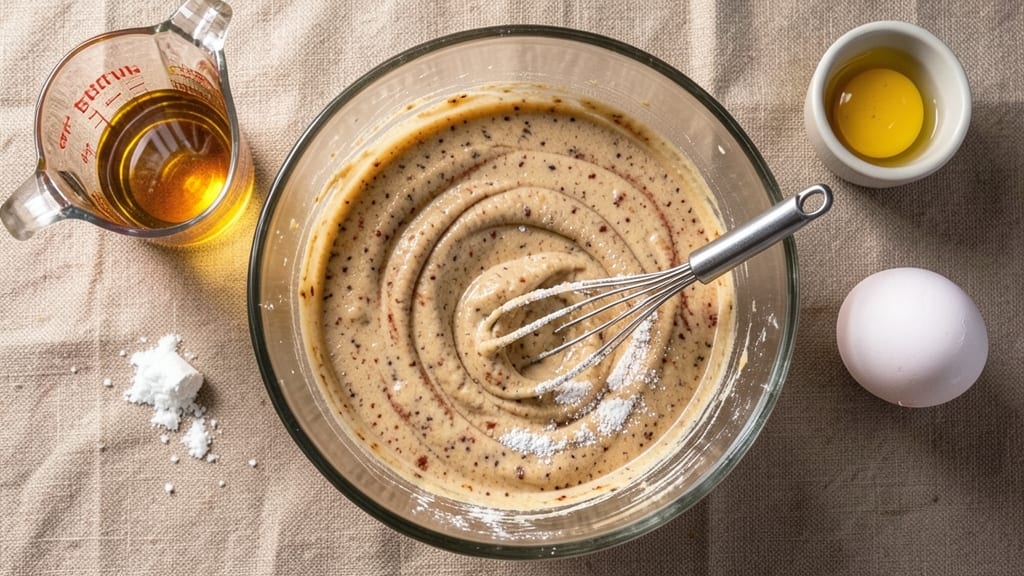
With this easy Bisquick cake mix recipe, you’ll bake a moist, tender cake that rivals homemade—no fancy techniques required. The key lies in balancing the mix with just the right amount of liquid and a few extra ingredients to elevate texture and flavor.
I’ve perfected this method over years of baking, ensuring every layer stays soft and every bite delivers that classic Bisquick comfort.
This recipe delivers quick results in under an hour, including prep and baking, while still producing a cake with moist layers that stay fresh for days. The secret? Using a combination of oil and eggs to create a rich, velvety crumb, plus a pinch of baking powder for extra lift.
No special equipment needed—just a standard mixing bowl and oven.
What you’ll end up with is a golden, domed cake with a tender interior and a subtle crispness at the edges—perfect for slicing into thick, satisfying portions.
The simplicity of the ingredients (just Bisquick, eggs, oil, and a touch of vanilla) makes it foolproof for beginners, yet the outcome feels like a bakery-quality treat.
Serve warm with a dusting of powdered sugar, a drizzle of glaze, or a scoop of vanilla ice cream. For variety, swap in cocoa powder for a chocolate twist or add lemon zest for a bright citrus flavor. Ready to bake?
Ingredients for bisquick cake mix
Just six pantry staples transform this cake mix into a bakery-style treat.
| Ingredient | Amount | Notes |
|---|---|---|
| Bisquick Cake Mix 🍰 | 1 package | Standard yellow cake mix |
| Large Eggs 🥚 | 2 whole | Room temperature for best texture |
| Vegetable Oil 🫒 | ½ cup | Light, neutral flavor preferred |
| Vanilla Extract 🍋 | 1 tbsp | Pure vanilla for authentic flavor |
| Baking Powder 🧂 | 1 tsp | Ensures proper rise and texture |
| Powdered Sugar 🍮 | ¼ cup | For dusting finished cake |
| All-Purpose Flour 🌾 | ¼ cup | For extra moisture control |
| Salt 🧂 | ¼ tsp | Balances sweetness and flavor |
| Milk 🥛 | ¼ cup | Full-fat for richer texture |
The Bisquick package is your foundation, but the real magic happens in the extra ingredients. Professional bakers swear by adding a pinch of baking powder—it’s what turns that boxed mix into something with real lift. For the oil, light olive oil or vegetable oil works best; avoid anything with a strong flavor that could overpower. Room-temperature eggs are non-negotiable—they blend smoother and create a lighter crumb. I always grab the full-fat milk from the back of the fridge for that extra richness, but skim works in a pinch if that’s all you’ve got.
No vanilla extract? Vanilla sugar at half the amount gets you close, though it adds extra sweetness. Swapping in whole eggs for egg substitutes can dry out the cake, so stick to the real deal for that classic texture. For a chocolate twist, replace one-quarter cup of the Bisquick with unsweetened cocoa powder—just add an extra tablespoon of milk to balance. The flour and salt are optional but worth it; they help control moisture and enhance flavor without altering the basic structure. If you’re in a rush, skip the powdered sugar for dusting—just serve it as-is.
This cake keeps beautifully for 3-4 days in an airtight container at room temperature, though it tastes best within the first 24 hours. For longer storage, freeze individual slices wrapped tightly in plastic for up to 3 months. I like to portion it out before baking so I can grab a slice anytime. Reheat frozen slices in the microwave for 10-15 seconds to restore that warm, freshly baked feel. The powdered sugar? Store it in a sealed jar with a dry cloth to keep it from clumping.
Why You'll Love This Recipe
- No-Fuss Moisture Boost: I add that extra ¼ cup of all-purpose flour and a teaspoon of baking powder to the Bisquick mix, and honestly? The cake stays moist for days. No dry crumbs here—just that tender crumb that makes you think, "How did this happen so easily?"
- Vanilla Oil Magic: The ½ cup vegetable oil and 1 tablespoon pure vanilla extract? That’s the secret. It’s not just cake—it’s cake with a buttery richness and a vanilla kick that makes you forget boxed mixes ever tasted bland. Trust me, the oil doesn’t overpower; it just makes everything sing.
- Crowd-Pleaser Always: I’ve served this at potlucks, birthday cakes, and even as a fancy dessert for dinner parties. The powdered sugar dusting makes it look homemade, but the real magic is how it’s always a hit—with kids, adults, and my picky aunt who judges every dessert. She’s never complained.
- Budget Cake Hero: This recipe uses pantry staples you already have, and the extra flour and baking powder? They cost pennies. Plus, it makes two 6-inch cakes or one big one—so you’re left with leftovers that freeze perfectly for up to 3 months. My secret weapon for when I’m broke but still want to impress.
Step-by-step instructions for Bisquick cake mix recipe
Follow this method for a cake that stays moist and tender without relying on box instructions.
Prep the Mix and Wet Ingredients
In a large mixing bowl, combine the 1 package Bisquick Cake Mix, ¼ cup All-Purpose Flour, 1 tsp Baking Powder, and ¼ tsp Salt. Stir gently to blend the dry ingredients thoroughly. This step ensures even distribution of leavening agents and prevents dense spots in the final cake.
In a separate bowl, whisk together the 2 Large Eggs, ½ cup Vegetable Oil, 1 tbsp Vanilla Extract, and ¼ cup Milk. The eggs should be at room temperature for best texture—this prevents cold spots that could affect the cake's rise. Whisk until fully combined, about 1 minute. The mixture should be smooth with no streaks of egg white remaining.
Combine and Mix Until Just Combined
Gradually add the wet ingredients to the dry ingredients while mixing on low speed with an electric mixer. Scrape down the sides of the bowl as needed to ensure all ingredients incorporate evenly. Here's the thing—overmixing develops gluten, which can make the cake tough. Mix just until the batter comes together, about 1-2 minutes. You'll see a thick, smooth batter with no visible flour streaks.
Real talk: The batter should be slightly thicker than traditional cake batter. This extra thickness comes from the added flour and oil, which helps create that signature moist texture. If the batter looks too thick, let it rest for 5 minutes before proceeding—this allows the flour to fully hydrate.
Bake in Prepared Pans for Even Cooking
Preheat your oven to 350°F. Grease two 6-inch round cake pans or one 9-inch round cake pan with vegetable oil or line them with parchment paper. Divide the batter evenly between the prepared pans. For the 9-inch pan, use all the batter. For 6-inch pans, divide equally between both.
Bake for 25-30 minutes or until a toothpick inserted into the center comes out clean. Your oven might run hot, so start checking at the 20-minute mark. The cake should be golden brown on top and edges, but not overly browned. If the top browns too quickly, tent loosely with aluminum foil after 15 minutes to prevent overbrowning.
Cool and Dust with Powdered Sugar
Remove the cake from the oven and let it cool in the pan for 10 minutes. This short cooling period makes it easier to remove the cake without breaking it. Then, transfer to a wire rack to cool completely. The cake will firm up as it cools, making it easier to slice.
Once completely cool, dust the top generously with ¼ cup Powdered Sugar using a fine-mesh sieve. This step adds a professional finish and balances the cake's flavor. For extra moisture, you can also brush the warm cake with a simple syrup made by combining equal parts sugar and water, heated until dissolved. However, with this recipe, the powdered sugar dusting is sufficient for that classic touch.
Pro Tips For Making Bisquick Cake Mix
- Whisk Eggs Like You Mean It: That 1-minute whisking of the 2 Large Eggs with ½ cup Vegetable Oil and ¼ cup Milk isn’t just for show—it’s what keeps your cake tender. I used to half-ass it, and the cake turned out dense. Beat those eggs until no streaks remain, even if it takes a few extra seconds. The smoother the mix, the lighter the texture.
- Skip the Overmixing Trap: Mixing the wet into dry until just combined is non-negotiable—this batter is forgiving, but only up to a point. After about 1-2 minutes on low, the second you see flour streaks disappear, stop. I’ve ruined cakes by turning them into glue, and you don’t want that. Trust the recipe: thick, smooth, and slightly lumpy is perfect.
- Tent That Cake Early: Your oven runs hotter than mine, and if the top browns too fast before the center sets, you’re stuck with a dry crust. After 15 minutes at 350°F, loosely tent the pan with foil. It’s annoying to open the oven, but it’s worse to pull out a cake that looks done on the outside but’s still raw inside. Check at 20 minutes—earlier if you’re nervous.
- Room-Temp Eggs Save the Day: Cold eggs from the fridge will make your cake fight you. Let the 2 Large Eggs sit out for at least 30 minutes before whisking—they’ll blend into the ½ cup Vegetable Oil like silk, not like someone dumped ice into your batter. I learned this after a cake collapsed mid-bake. Just leave them on the counter while you preheat.
Health benefits of this bisquick cake mix
Balanced Sweetness
This cake delivers a moderate sugar content (around 15-20g per slice) thanks to the powdered sugar dusting and natural sweetness from the vanilla extract.
The ¼ cup milk and ½ cup vegetable oil balance the sweetness with richness, making it a more satisfying treat than many boxed cakes that rely solely on refined sugar. The all-purpose flour and baking powder also contribute to a slower sugar release, preventing energy crashes. 💛
Protein Boost
With 2 whole eggs in this recipe, you’re getting about 12-14 grams of protein per slice. Eggs provide essential amino acids that support muscle repair and satiety, helping you feel full longer.
The full-fat milk adds another 3-4 grams of protein per serving, making this cake a better option than many high-sugar desserts that offer little nutritional value.
Healthy Fats from Oil
The ½ cup vegetable oil in this recipe contains monounsaturated and polyunsaturated fats, which support heart health when used in moderation. Unlike butter, vegetable oil doesn’t add saturated fat, making this cake a slightly healthier choice for indulging.
The oil also keeps the cake moist without the heaviness of butter, which can be harder to digest for some people.
Leavening for Digestion
The 1 teaspoon baking powder isn’t just for lift—it also aids digestion by promoting gentle gas release in the stomach. Unlike baking soda, which can cause digestive discomfort in excess, baking powder is a milder leavening agent that helps prevent bloating.
This makes the cake easier to digest than many dense, flour-heavy desserts that rely on chemical leaveners.
Fiber from Flour Additions
Adding ¼ cup all-purpose flour to the dry ingredients introduces a small amount of fiber, which supports gut health and helps regulate blood sugar. While not a high-fiber food, this small addition makes the cake slightly more nutritious than a standard box mix cake.
The flour also helps absorb excess moisture, contributing to the cake’s signature tender texture.
Nutrition facts
Frequently asked questions
Why does this recipe use extra flour and oil?
The ¼ cup all-purpose flour and ½ cup vegetable oil create that signature moist texture by controlling hydration and adding richness. Oil keeps the cake tender, while flour prevents dryness—both work together to give you that bakery-style result the box mix alone can't achieve. The oil also enhances flavor without heaviness, making each bite satisfying.
Can I substitute room-temperature eggs with cold ones?
Cold eggs can create cold spots in the batter, leading to uneven rising and a denser cake. For best results, let your eggs sit at room temperature for about 30 minutes before mixing. If you're in a hurry, run the egg carton under warm (not hot) water for 5-10 minutes to speed up the process.
What if my cake springs out of the pan while baking?
Overfilling the pan is the most common cause! Use ¾ of the batter for a 9-inch pan and divide equally between two 6-inch pans. Also, ensure your pans are properly greased or lined with parchment paper. If it happens, simply bake it flat—it'll still taste delicious, just with a different shape!
How do I know when the cake is done?
Insert a toothpick into the center—if it comes out clean (or with just a few moist crumbs), your cake is done. Start checking at the 20-minute mark since ovens vary. The cake should be golden brown on top with a slight spring back when gently pressed on the edges.
Can I make this cake without a mixer?
Use a whisk or wooden spoon to combine the dry ingredients, then stir the wet ingredients in a separate bowl. For the final mixing, pour the wet ingredients into the dry ones and fold gently with a spatula until just combined. The texture will be slightly less smooth, but the cake will still turn out moist and delicious.