
Desserts
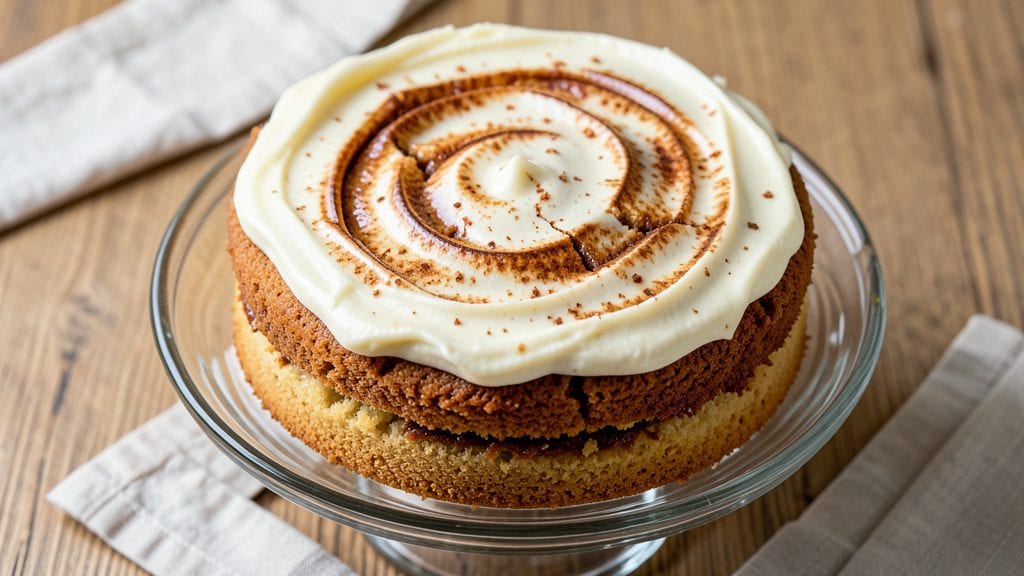
Betty Crocker’s spice cake delivers the perfect balance of warm cinnamon, nutmeg, and ginger with a moist center that stays tender for days. This classic recipe has been a kitchen staple for generations, offering rich spice notes without overpowering sweetness—exactly what makes it a crowd-pleaser at holidays or family gatherings.
The secret lies in precise ingredient ratios and gentle baking to maintain that signature texture.
What sets this recipe apart is its foolproof technique: a simple batter that transforms into layers of fragrant, moist cake with just the right amount of spice. Unlike many spice cakes that dry out quickly, this version stays fresh thanks to a touch of oil and careful baking time.
The result is a dessert that feels indulgent yet remains light enough for afternoon tea or dessert.
By following these instructions, you’ll achieve a cake with a moist crumb and aromatic spice notes that linger with every slice. The warm cinnamon and nutmeg flavors create a comforting profile that pairs beautifully with vanilla frosting or whipped cream.
Whether you’re baking for a special occasion or simply craving a homemade treat, this recipe delivers professional-quality results.
For added versatility, consider layering with cream cheese frosting or adding a lemon glaze for brightness. The recipe scales easily for larger gatherings, and leftovers keep well for up to five days. Let’s get started on creating this timeless dessert that’s as beloved as it is delicious.
Ingredients for betty crocker spice cake
A timeless spice cake recipe with moist layers and aromatic warmth for gatherings.
| Ingredient | Amount | Notes |
|---|---|---|
| All-Purpose Flour 🌾 | 2 ½ cups | Sifted for light texture |
| Granulated Sugar 🍬 | 1 ½ cups | Superfine for even moisture |
| Brown Sugar Packed 🍯 | ¾ cup | Adds moistness and depth |
| Vegetable Oil 🫒 | ½ cup | Full-fat for richness |
| Water 💧 | ½ cup | Room temperature preferred |
| Large Eggs 🥚 | 4 whole | Room temperature for blending |
| Pure Vanilla Extract 🌸 | 2 tsp | High-quality for flavor |
| Baking Soda 🧂 | 1 tsp | Ensures proper rise |
| Ground Cinnamon 🌶️ | 1 ½ tbsp | Freshly ground preferred |
| Ground Nutmeg 🌿 | 1 tsp | Mildly toasted for aroma |
| Ground Ginger 🌶️ | 1 tsp | Freshly grated preferred |
| Salt 🧂 | 1 tsp | Fine grain preferred |
| Whipped Cream Frosting 🍦 | 1 ½ cups | For topping or filling |
The secret to this cake’s signature moisture lies in the combination of sifted all-purpose flour and the superfine granulated sugar, which dissolves evenly into the batter. For the best results, use Mazola vegetable oil—its neutral flavor lets the spices shine. The room-temperature eggs blend seamlessly, ensuring a smooth batter without lumps. If you’re short on time, toasting the spices in a dry pan for 30 seconds before mixing amplifies their aroma, though it’s optional for this recipe. Professional bakers swear by Penzeys Spices for their consistent quality, but any high-quality spice blend will work.
No vanilla extract on hand? Vanilla bean paste at half the amount delivers a similar depth, though the flavor profile is slightly different. Substituting applesauce for half the oil reduces fat content without sacrificing moisture, though the texture will be slightly denser. If you prefer a less sweet cake, reduce the granulated sugar by 2 tablespoons and compensate with an extra tablespoon of brown sugar. The baking soda is non-negotiable—ensure it’s fresh by testing it with vinegar; if it doesn’t fizz, replace it. For added brightness, a pinch of lemon zest mixed into the dry ingredients enhances the spice notes without overpowering them.
This cake keeps exceptionally well: store it wrapped in plastic at room temperature for up to 3 days, or refrigerate for 5 days to preserve freshness. For longer storage, freeze slices individually for up to 3 months—thaw at room temperature before serving. The whipped cream frosting should be added just before serving to prevent sogginess. If you’re baking for a crowd, double the recipe and use two 9x13-inch pans for even baking. The cake’s moist texture ensures it stays tender even when sliced days later, making it perfect for meal prep or holiday gatherings.
Why You'll Love This Recipe
- I’ll be real: this cake is way better with the whipped cream frosting, but it’s also fine without it. Need a quick dessert for a potluck? Skip the frosting and serve it plain. Hosting a holiday gathering? Go all out and pipe that frosting like a pro. It’s the kind of recipe that plays well with any vibe.
- No-Fuss Assembly: Honestly, this cake is the kind of recipe where you can actually bake it while watching TV. Just sift your dry ingredients, whisk the wet ones, fold them together—no fancy mixing required—and boom, you’ve got batter. The only real effort is waiting for it to bake, and honestly, that’s the best part.
- Spiced Perfection: Between us, that combo of 1.5 tbsp ground cinnamon, 1 tsp nutmeg, and 1 tsp ginger? It’s like a warm hug in cake form. The brown sugar keeps it moist, and the vanilla extract ties it all together so the spices aren’t overpowering—just exactly enough to make every bite feel cozy.
- Frosting Flexibility: I’ll be real: this cake is way better with the whipped cream frosting, but it’s also fine without it. Need a quick dessert for a potluck? Skip the frosting and serve it plain. Hosting a holiday gathering? Go all out and pipe that frosting like a pro. It’s the kind of recipe that plays well with any vibe.
Step-by-step instructions for betty Crocker spice cake
Here's the method for achieving that signature moist, spiced cake texture everyone loves.
Prepare the Dry and Wet Ingredients Separately
In a medium bowl, whisk together the 2½ cups all-purpose flour, 1 tsp baking soda, 1½ tbsp ground cinnamon, 1 tsp ground nutmeg, 1 tsp ground ginger, and 1 tsp salt. Sift the flour mixture twice through a fine-mesh sieve to aerate it and prevent dense layers. Set aside.
In a separate large bowl, combine the 1½ cups granulated sugar and ¾ cup brown sugar packed until evenly mixed. Add the ½ cup vegetable oil, ½ cup water, and 4 large eggs, one at a time, whisking vigorously after each addition. The mixture should be smooth and slightly thickened. Stir in the 2 tsp pure vanilla extract until fully incorporated. This step ensures the cake batter has the right consistency for even baking.
Combine Wet and Dry Ingredients for the Batter
Gradually add the dry ingredients to the wet mixture in three additions, mixing just until combined after each. Avoid overmixing—stop as soon as the flour disappears into the batter. Overmixing develops gluten, which can make the cake dense. The batter should be thick but pourable, with a rich, spiced aroma.
Here's the thing—this batter is designed to be slightly thicker than typical cake batters. That thickness is what creates the moist, dense crumb we're after. If the batter seems too thick after mixing, you can gently fold in 1-2 tablespoons of the water to loosen it slightly, but don't add more than that.
Bake the Cake Layers to Perfect Doneness
Preheat your oven to 350°F. Grease two 9-inch round cake pans with vegetable oil and line the bottoms with parchment paper. Divide the batter evenly between the pans, spreading it out to the edges. Bake for 25-30 minutes, or until a toothpick inserted into the center comes out clean and the edges pull away slightly from the pan.
Your oven might run hot, so start checking at the 20-minute mark. The cake should spring back slowly when pressed gently in the center—this is your signal it's done. Overbaking dries out the cake, so don't let it bake beyond this point. Let the cakes cool in the pans for 10 minutes, then transfer them to a wire rack to cool completely.
Assemble with Whipped Cream Frosting
Once the cakes are completely cool, level the tops if necessary with a serrated knife. Place one cake layer on a serving plate and spread ¾ cup of the whipped cream frosting evenly over the top. Place the second cake layer on top and spread the remaining ¾ cup whipped cream frosting over the top and sides to create a smooth finish.
The frosting should be applied generously but evenly. This isn't just decoration—it adds moisture to the cake and enhances the spiced flavor with each bite. For a more rustic look, you can pipe the frosting around the edges and top instead of spreading it. Serve immediately or refrigerate for up to 2 hours before serving to let the flavors meld.
Pro Tips For Making Betty Crocker Spice Cake
- Sift Twice, Every Time: I learned this the hard way—skipping the second sift leaves dense pockets in the cake. The recipe calls for sifting the flour mixture twice, and that’s non-negotiable. That extra pass aerates the dry ingredients, keeping the crumb light and fluffy instead of brick-like. Yes, it takes 30 seconds, but it makes all the difference in texture.
- Whisk Eggs One at a Time: Adding all four eggs at once means you’ll end up with lumps no matter how much you whisk. The recipe says to add them one by one, and that’s because each egg needs time to fully emulsify into the sugar-oil mixture. Take your time here—it’s the foundation for a smooth, even bake.
- Check for Doneness Early: Your oven runs hotter than mine, and mine runs hotter than the recipe’s 350°F assumption. Start checking with a toothpick at 20 minutes, not 25. The cake’s edges should pull away from the pan slightly—not dramatically—and the center should spring back slowly when pressed. If you wait for the full 30 minutes, you’ll dry it out faster than a summer day in Arizona.
- Toast the Spices First: Sounds weird, but it works: Lightly toast the 1½ tbsp ground cinnamon, 1 tsp nutmeg, and 1 tsp ginger in a dry pan for 30 seconds before mixing them into the flour. The warmth deepens their aroma, giving the cake that warm, cozy spice punch instead of just "generic cake spices." Just don’t burn them—you’ll taste the bitterness.
Common mistakes when making great betty crocker spice cake
Overmixing the Batter
One of the most common mistakes I see is overmixing the batter after combining wet and dry ingredients. This develops gluten, which can make your cake dense and heavy instead of light and moist.
Mix just until the flour disappears—stop as soon as you see no more streaks. The batter should look slightly lumpy but still pourable. Overmixing is a silent killer of that signature tender texture. 🔥
Skipping the Sift
Forgetting to sift the all-purpose flour twice can lead to a cake with uneven texture and potential dense spots. Sifting aerates the flour and removes any lumps, ensuring a smooth batter.
I always sift my dry ingredients through a fine-mesh sieve—it makes a noticeable difference in the final crumb. This step is quick but critical for achieving that light, airy texture.
Underbaking the Cake
Pulling the cake out of the oven too soon is a classic mistake that results in a gummy center. The 25-30 minute baking time is a guideline, but your oven might run hotter or cooler.
Start checking at 20 minutes with a toothpick—it should come out clean with just a few moist crumbs. Underbaked cake feels heavy and undercooked, while overbaking dries it out. Trust your toothpick test! ⏰
Ignoring Room-Temperature Eggs
Using cold eggs straight from the fridge can create lumps in your batter and affect the cake’s texture. Room-temperature eggs blend smoothly with the other wet ingredients, creating a silky batter.
I always take eggs out of the fridge at least 30 minutes before baking. This small step ensures your cake rises properly and has that perfect moist crumb.
Not Greasing Pans Properly
A cake that sticks to the pan is frustrating, but it’s easy to prevent. Grease your 9-inch round cake pans thoroughly with vegetable oil and line the bottoms with parchment paper.
This ensures easy removal and prevents any raw batter from sticking to the pan. I double-check the greasing step—it’s the difference between a clean transfer and a messy disaster.
Nutrition facts
Frequently asked questions
Why does this cake recipe call for sifting the flour?
Sifting the 2½ cups all-purpose flour twice creates air pockets that lighten the texture and prevent dense spots. This step ensures your cake has that signature moist, tender crumb without lumps. It’s a quick but essential technique for achieving professional results!
Can I substitute applesauce for some of the oil?
Yes! You can replace ½ cup vegetable oil with ½ cup unsweetened applesauce for a lighter texture, though the cake will be slightly denser. This swap reduces fat content while keeping the cake moist. Just adjust the ½ cup water to ¼ cup to maintain the right consistency.
How do I know when the cake is fully baked?
Check for doneness at 20 minutes by inserting a toothpick—it should come out clean with just a few moist crumbs. The cake is done when it springs back slowly when gently pressed in the center. Overbaking dries it out, so trust your toothpick test!
What’s the best way to store leftovers?
Wrap the cake tightly in plastic and store at room temperature for up to 3 days, or refrigerate for 5 days to extend freshness. For longer storage, freeze individual slices for up to 3 months—thaw at room temperature before serving.
Can I make this cake without a mixer?
Whisk the 1½ cups granulated sugar and ¾ cup brown sugar packed vigorously by hand, then mix in the eggs and oil with a sturdy spoon. The key is patience—fold the dry ingredients in gently to avoid overmixing. Your cake will still turn out moist and delicious!