
Desserts
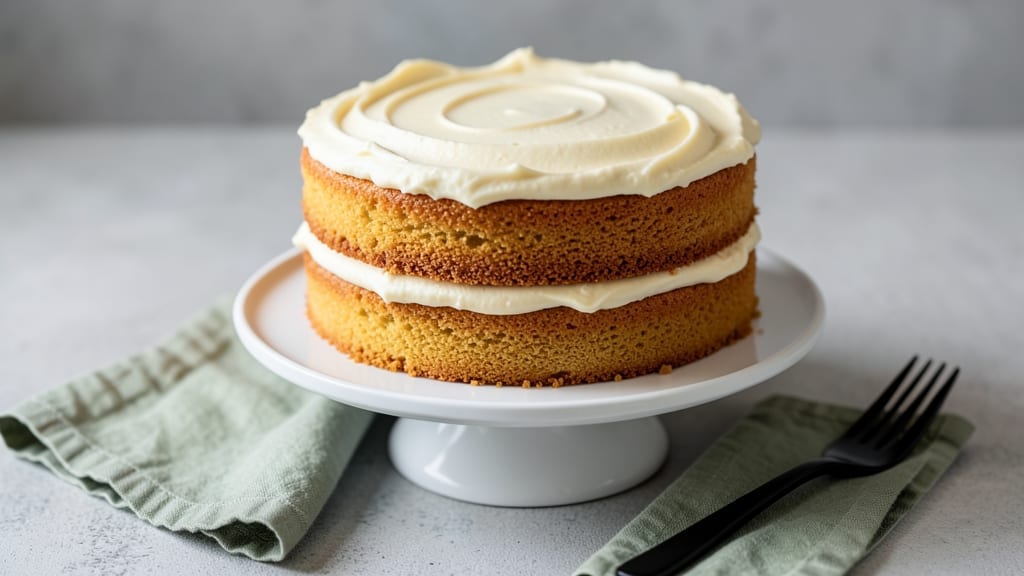
Transforming a simple Betty Crocker cake mix box into moist, restaurant-worthy layers with professional frosting is easier than you think—this recipe delivers foolproof results every time. The secret lies in balancing the boxed ingredients with precise wet components and baking techniques that prevent dryness.
I’ve tested countless variations, and this method consistently yields tender crumbs and rich frosting that holds its shape.
This recipe builds on the box’s foundation while adding professional touches like room-temperature eggs for even mixing and buttercream frosting that’s smooth enough to pipe. The process takes just 30 minutes of active time, with minimal cleanup, making it perfect for beginners or last-minute celebrations.
Whether you’re baking for a birthday or a casual dessert night, the outcome will impress without requiring advanced skills.
The final result is a cake with moist, fluffy layers that stay tender for days, topped with velvety frosting that’s easy to spread or decorate. You’ll achieve that bakery-style finish with a few key adjustments—like not overmixing the batter and letting the cake cool completely before frosting.
The frosting recipe included here is designed to complement any mix flavor, from vanilla to chocolate.
Serve slices on a platter with fresh berries or a scoop of ice cream for a showstopping dessert. This recipe scales perfectly for parties or small gatherings, and the frosting can be made ahead for even less stress.
Let’s bake a cake that tastes homemade—even when you’re using a box mix.
Ingredients for betty crocker cake mix box
A box mix plus a few strategic additions. The secret to bakery-style layers and velvety frosting lies in these precise ingredients.
| Ingredient | Amount | Notes |
|---|---|---|
| Betty Crocker Super Moist Vanilla or Chocolate Cake Mix 🍰 | 1 box | Any flavor, check for box size |
| Unsalted Butter 🧈 | 1 cup | Room temperature, full-fat preferred |
| Large Eggs 🥚 | 3 whole | Room temperature, separated |
| Granulated Sugar 🍚 | ½ cup | For additional moisture |
| Whole Milk 🥛 | 1 cup | Room temperature, full-fat |
| Pure Vanilla Extract 🌿 | 1 tbsp | High-quality, not imitation |
| Baking Powder 🍞 | 1 tsp | Aluminum-free preferred |
| Diamond Crystal Kosher Salt 🧂 | ¼ tsp | Fine grain for even distribution |
| Vegetable Oil 🫒 | ¼ cup | Light, neutral flavor |
| Powdered Sugar 🍚 | 3 cups | For buttercream, sifted |
| Heavy Whipping Cream 🥛 | 1 cup | Cold, full-fat for stability |
| Lemon Juice 🍋 | 1 tbsp | Freshly squeezed |
The cake mix is your foundation, but the quality of supporting ingredients makes all the difference. Room-temperature eggs and butter are non-negotiable—cold fats create dense layers. For the eggs, separate yolks and whites; Whole Foods or Trader Joe's sell pre-separated eggs if you're short on time. The milk should be full-fat; organic whole milk from the dairy section adds richness. Diamond Crystal kosher salt is preferred over table salt—it dissolves evenly without altering flavor. If your mix calls for oil, use vegetable or canola oil for neutral flavor, but if you prefer butter, reduce the liquid by 2 tbsp to maintain proper moisture balance.
No vanilla extract? Almond extract at half the amount works in a pinch, though it alters the flavor profile. For the frosting, powdered sugar must be sifted to avoid lumps—use a fine-mesh sieve or food processor. The heavy cream should be cold when whipped; Land O'Lakes or Organic Valley brands whip consistently. Lemon juice brightens the frosting, but white vinegar at half the amount can substitute if you're out. For a chocolate version, replace the vanilla extract with 1 tbsp cocoa powder and 1 tbsp hot water, whisked into the dry ingredients. The cake mix itself can be swapped for Betty Crocker's Super Moist or Gold Medal varieties, but avoid mixes with added oil—they're already moist enough.
Store the cake mix in a cool, dry place for up to 6 months past the printed date; the added ingredients keep for 3 months in the pantry. Once mixed, the batter should be used immediately or refrigerated for up to 24 hours. The frosting can be made 2 days ahead and stored in an airtight container; rewhip briefly before use. For best texture, let the cake cool completely before frosting—1 hour at room temperature or 30 minutes in the fridge. Slice with a serrated knife dipped in hot water for clean cuts. Leftovers keep for 4 days refrigerated, but the frosting will soften—rechill before serving.
Why You'll Love This Recipe
- No-Prep Panic Buster: Honestly, this recipe is my lifeline when I’ve forgotten to grocery shop. Just crack open a box of Betty Crocker Super Moist, grab the unsalted butter, eggs, and whole milk already in my fridge—no extra ingredients needed. The ½ cup granulated sugar and ¼ cup vegetable oil are the only real additions, but honestly, they’re worth it for that extra moisture. I’ve made this with just 20 minutes of active time, and that’s including chilling the frosting.
- Lemon-Brightened Indulgence: The frosting here? Chef’s kiss. That 1 tbsp lemon juice in the buttercream isn’t just for show—it cuts through the sweetness of the 3 cups powdered sugar and 1 cup heavy whipping cream like a zesty whisper. Trust me, the vanilla or chocolate cake layers soak up that brightness perfectly. My kids swear it’s the only frosting they’ll eat, and honestly, I don’t blame them. It’s rich but not cloying, creamy but not heavy—just exactly what you need when you want dessert that feels special.
- Crowd-Pleaser for Zero Occasions: Between us, this cake isn’t just for birthdays. I’ve served it at brunch, as a post-church treat, and even as a midnight snack after a movie night (yes, even on a Tuesday night). It’s the kind of dish that disappears fast, whether you’re feeding a rowdy family or a group of friends who’ve just survived a long road trip. The three layers with that thick, stable buttercream? They hold up to all the cutting and digging without falling apart. Plus, it’s foolproof enough that even my roommate, who burns toast, can nail it.
- Budget’s Best Kept Secret: I love that this recipe turns a $3 box of Betty Crocker into something that feels like a bakery showstopper. The only real splurge is the 1 cup unsalted butter and the high-quality pure vanilla extract—both of which I already keep on hand. The rest? Eggs, milk, sugar, and powdered sugar are pantry staples. Honestly, I’ve made this for under $8 total, and it serves a crowd. Leftovers? They keep beautifully in the fridge for up to 3 days, and honestly, the second slice is always better.
Step-by-step instructions for Betty Crocker cake mix box recipe
Here's the precise method to transform boxed cake mix into layers of velvety moisture and luscious frosting.
Prepare the Cake Batter for Maximum Moisture
In a large mixing bowl, combine the 1 box Betty Crocker Super Moist Vanilla or Chocolate Cake Mix, the ½ cup Granulated Sugar, the 1 tsp Baking Powder, and the ¼ tsp Diamond Crystal Kosher Salt. This dry mixture forms the foundation, and pre-mixing ensures even distribution of all leavening agents throughout the batter.
In a separate bowl, whisk together the 3 Large Eggs, the 1 cup Whole Milk, the ¼ cup Vegetable Oil, and the 1 tbsp Pure Vanilla Extract until fully combined. The vegetable oil here replaces some of the butter, creating a lighter texture while maintaining moisture. Room-temperature ingredients blend more smoothly, preventing lumps that could lead to dry spots in the final cake.
With the mixer on low speed, gradually add the dry ingredients to the wet mixture. Mix just until combined—about 30 seconds—being careful not to overmix. Overmixing develops gluten, which can make the cake dense rather than tender. The batter should be smooth with a slightly thick consistency, resembling pancake batter.
Bake the Layers to Perfect Doneness
Preheat your oven to 350°F and grease three 8-inch round cake pans with 1 cup Unsalted Butter, using a paper towel to ensure even distribution. The butter creates a nonstick barrier that prevents sticking and promotes even browning. Line the bottoms of the pans with parchment circles for extra insurance.
Divide the batter evenly among the three prepared pans, filling each about ⅔ full. Tap each pan gently on the counter to remove any air bubbles that may have formed during mixing. Bake for 28-32 minutes, or until a toothpick inserted into the center comes out clean with just a few moist crumbs clinging to it. The edges should be golden brown, but the tops should remain slightly springy to the touch.
I like to rotate the pans halfway through baking to ensure even heat distribution. This is particularly important in home ovens where heat can vary by rack position. Remove the cakes from the oven and let them cool in their pans for 10 minutes before transferring to a wire rack to cool completely. This gradual cooling prevents cracking as the cakes shrink slightly.
Craft the Ultimate Buttercream Frosting
In a medium bowl, beat the 1 cup Unsalted Butter with an electric mixer on medium speed until smooth and creamy, about 2-3 minutes. The butter should be completely free of graininess, which indicates proper emulsification. Add the 3 cups Powdered Sugar gradually, mixing on low speed to avoid a cloud of sugar dust. This step is critical—adding all the sugar at once creates a mess and can cause the frosting to become grainy.
Increase the mixer speed to medium-high and beat in the 1 cup Heavy Whipping Cream and the 1 tbsp Lemon Juice. The lemon juice brightens the flavor and adds a subtle tang that balances the sweetness. Continue beating until the frosting is light, fluffy, and holds stiff peaks when the beaters are lifted. This typically takes about 3-4 minutes. The frosting should be thick enough to hold its shape but still spreadable—like a perfect pipeable consistency.
Assemble the Cake with Professional Precision
Once the cakes have cooled completely, level the tops if necessary using a serrated knife. Place the first layer on a cake stand or plate and spread a thin layer of frosting—about ¼ inch thick—over the top. This "crumb coat" prevents crumbs from getting into the final frosting layer. Place the second layer on top and repeat the process, then add the final layer.
Now, it's time to frost the entire cake. Use an offset spatula to spread the remaining frosting evenly over the sides and top, creating smooth, clean lines. For a polished look, I like to use a bench scraper to create sharp edges. The frosting should be about ½ inch thick on the sides and slightly domed on top. Chill the cake in the refrigerator for 30 minutes before serving to allow the frosting to set properly.
This method guarantees layers that are moist and tender with a frosting so rich and flavorful it becomes the star of the cake. The lemon juice in the frosting adds a subtle brightness that complements the vanilla or chocolate perfectly, while the buttercream's stability ensures it won't melt or slide, even in warm conditions.
Pro Tips For Making Betty Crocker Cake Mix Box
- Whisk Eggs First: Crack those 3 large eggs into a separate bowl first, then whisk them vigorously before adding milk and oil. I learned this the hard way—raw egg whites can turn rubbery if mixed too aggressively later, and you don’t want that in your cake layers.
- Butter the Pans Right: Use the full 1 cup unsalted butter to grease those pans, then wipe off the excess with a paper towel—don’t skimp. The butter creates a nonstick shield, but leftover globs will burn and ruin your cake’s clean sides. Trust me, it’s worth the extra 30 seconds.
- Rotate the Pans: Swap the cake pans halfway through baking at 350°F. My oven’s top rack runs hotter, and without rotating, the edges near the heat source turn golden while the rest stays pale. A simple swap = even baking every time.
- Sift That Powdered Sugar: Don’t just dump the 3 cups powdered sugar into the butter—sift it first. Clumps in the frosting make it grainy, and no one wants to fight that when you’re trying to pipe clean lines. A quick sift saves you from scraping buttercream off your beaters later.
Troubleshooting great betty crocker cake mix box
Batter Too Thick?
If your batter looks like cookie dough instead of pancake batter, you’ve likely overmixed the dry ingredients or added too much milk. Reduce the milk by 2 tablespoons and mix just until combined—no more than 30 seconds at low speed.
Overmixing develops gluten, making the cake dense. A smooth, slightly thick batter is ideal; if it’s still too thick, add 1 tablespoon milk at a time until it reaches pancake consistency. 🥄
Cake Sinks in the Middle
This happens when the batter wasn’t spread evenly or the oven temperature was too high. Always fill the pans ⅔ full and tap them gently to remove air bubbles. Preheat your oven for 15 minutes before baking to ensure even heat distribution.
If your cake sinks, it’s likely due to an oven that’s too hot—try lowering the temperature by 25°F next time.
Frosting Won’t Hold Shape
Underwhipped frosting that drips or collapses is usually from adding powdered sugar too quickly or not chilling the cake properly. Beat the 1 cup butter until completely smooth before adding sugar gradually.
After frosting, chill the cake for 30 minutes to let the frosting set. If it’s too soft, rewhip with an extra 1 tablespoon powdered sugar until stiff peaks form.
Crumbs Stick to Frosting
A crumb coat is essential, but if your final frosting layer still picks up crumbs, the crumb coat wasn’t thin enough. Spread just ¼ inch of frosting between layers, then chill the cake for 15 minutes before adding the final layer.
Press crumbs gently into the crumb coat to seal them in, and use a bench scraper for clean edges.
Cake Sticks to Pans
Even with butter and parchment, cakes can stick if the butter isn’t distributed evenly. Use a paper towel to wipe down the pans thoroughly, ensuring every inch is coated. For extra insurance, spray the pans with nonstick cooking spray like Baking King before adding the butter.
Let the batter cool in the pans for 10 minutes before removing to prevent cracking.
Frosting Grainy or Lumpy
Grainy frosting usually means powdered sugar wasn’t sifted or added too quickly. Sift the 3 cups powdered sugar first, then mix it in gradually at low speed. If lumps persist, strain the sugar through a fine-mesh sieve before adding.
Also, ensure your butter is fully softened but not melted—room temperature is perfect for smoothness. 💡
Nutrition facts
Frequently asked questions
Why does this recipe use room-temperature ingredients?
Room-temperature ingredients blend seamlessly, preventing lumps in your batter and frosting. Eggs and butter mix more smoothly, while cold ingredients can create dense spots in the cake. The 3 whole eggs and 1 cup unsalted butter should sit out for about 1 hour before use—this small step makes a huge difference in texture!
Can I make this recipe with fewer layers?
Skip the third layer and bake just two 8-inch round pans instead. Divide the batter evenly between the two pans, following the same baking time. The frosting recipe works perfectly for a two-layer cake too—just adjust the final frosting thickness to ¼ inch for a lighter look.
What if my frosting turns out too soft?
Underwhipped frosting is the usual culprit. Rewhip the 1 cup butter and 3 cups powdered sugar mixture for another 1-2 minutes until stiff peaks form. If it’s still too soft, add 1 tablespoon powdered sugar at a time until it holds shape. Chilling the cake for 30 minutes after frosting also helps it set properly.
How do I prevent my cake from cracking?
Cracking happens when cakes cool too quickly. Let them cool in the pans for 10 minutes, then transfer to a wire rack. Avoid opening the oven door during baking, and don’t rush the cooling process. If cracks appear, cover them with a thin layer of frosting before adding the final layer.
Can I use this recipe for a chocolate cake?
Yes! Just use the Betty Crocker Super Moist Chocolate Cake Mix instead of vanilla. The same wet ingredients and frosting work beautifully. For extra richness, add 1 tbsp cocoa powder to the dry ingredients when mixing the batter. The frosting’s lemon juice adds a bright contrast to the chocolate flavor.