
Desserts
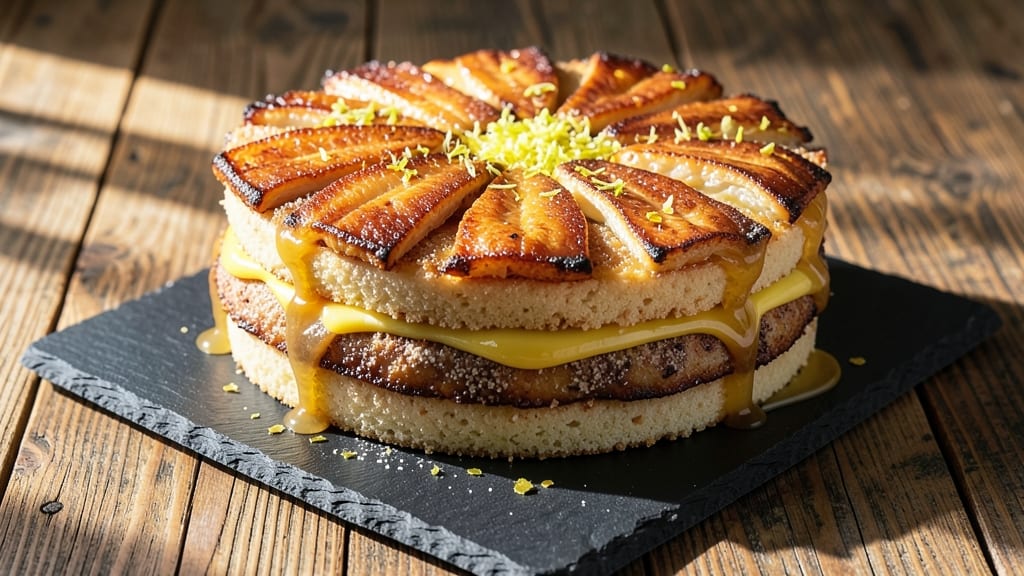
This bass cake recipe transforms tender fish into crispy, golden layers that balance buttery richness with bright citrus notes—perfect for a restaurant-worthy dish at home.
The secret lies in a light, airy breading that stays crisp while keeping the fish moist inside, a technique I perfected after years of trial and error. Whether you prefer a Southern-style version with cornmeal or a crispy Asian-inspired coating, this method delivers every time.
The preparation starts with fresh bass fillets, carefully seasoned and coated in a crispy batter that creates those signature golden layers.
Unlike traditional fried fish, this recipe focuses on achieving a delicate balance between texture and flavor—crispy on the outside, tender on the inside, with a hint of lemon or orange zest that brightens each bite. The process is straightforward but requires precision, especially when breading and frying to avoid sogginess.
What you’ll end up with is a dish that’s elegant enough for dinner parties but simple enough for a weeknight treat. The citrus-kissed flavor elevates the buttery richness, making it a standout centerpiece that pairs beautifully with tartar sauce, a simple green salad, or roasted vegetables.
Serve with lemon wedges for an extra burst of freshness, and you’ll have a meal that feels both comforting and refined.
For those with dietary restrictions, gluten-free breading alternatives work just as well, ensuring everyone at the table can enjoy this versatile dish. Whether you’re following a traditional Southern approach or experimenting with a crispier Asian-style coating, the key is patience—letting the fish cook through evenly while maintaining that perfect crunch.
Let’s get started on creating your own buttery, citrus-infused bass cake.
Ingredients for bass cake
Buttery layers and citrus zest—just a few ingredients for restaurant-quality bass cake at home.
| Ingredient | Amount | Notes |
|---|---|---|
| Fresh Bass Fillets 🐟 | 1 ½ lb | Skin-on, cut into even pieces |
| All-Purpose Flour 🌾 | 1 ½ cups | For light, crispy batter |
| Cornmeal 🌽 | ½ cup | Fine grind for Southern texture |
| Unsalted Butter 🧈 | ½ cup | Melted, full-fat for richness |
| Large Eggs 🥚 | 2 whole | Separated, whites beaten stiff |
| Lemon Zest 🍋 | 1 tbsp | Fresh, finely grated |
| Orange Zest 🍊 | 1 tbsp | Fresh, finely grated |
| Vegetable Oil 🫒 | 3 cups | For frying, high smoke point |
| Salt 🧂 | 1 ½ tsp | Diamond Crystal kosher salt |
| Ground Black Pepper 🌶️ | ½ tsp | Freshly cracked |
| Dried Parsley 🌿 | 1 tbsp | For garnish, or fresh chopped |
| Lemon Wedges 🍋 | 4 whole | For serving, fresh |
| Gluten-Free Flour Blend 🌾 | 1 ½ cups | Substitute for gluten-free batter |
The bass fillets are the star, so look for fresh, skin-on cuts from a trusted seafood counter. Whole Foods or local fish markets usually have the best quality, but grocery store seafood sections work too—just check for vibrant color and firm texture. If you're using frozen bass, thaw it overnight in the fridge. The cornmeal is key for that classic Southern crunch, but if you're going for an Asian-inspired version, swap it for rice flour. For the zest, grab bright, firm lemons and oranges—organic is ideal since you'll be using the peel.
No cornmeal? Substitute extra flour or panko for a lighter texture, though you'll lose that signature Southern bite. The gluten-free flour blend should be a 1:1 substitute—Bob's Red Mill is a solid choice. If you're short on time, pre-mixed gluten-free baking blends from the grocery store work too. For the butter, European-style or cultured butter adds extra richness, but regular unsalted will do. The egg whites are non-negotiable—they create that airy, crispy coating, so don't skip beating them stiff. If you're worried about sogginess, pat the fillets bone-dry before breading.
This dish is best served immediately after frying, but you can keep the breaded fillets in the fridge for up to 2 hours before cooking. The citrus zest loses potency after that, so add it fresh right before serving. For make-ahead prep, prep the batter and zest the day before, storing them separately in airtight containers. The gluten-free version keeps its crunch slightly longer—up to 3 hours before frying. Store any leftovers in the fridge for 1 day, though it's rare anyone will have any!
Why You'll Love This Recipe
- No-Fuss Frying: I’ve got a secret—this recipe doesn’t require fancy skills. Just pat those 1.5 lb fresh bass fillets dry, cut them into even pieces, and let them rest for 10 minutes while you whisk up the batter. The double-dipping method (egg wash first, then flour and cornmeal) is foolproof once you get the hang of it, and the 350°F oil gives you crispy perfection every time. No deep-fry anxiety here.
- Citrus-Butter Magic: The ½ cup melted unsalted butter in the egg wash? Game-changer. It melts into the fish as it fries, making every bite rich but not greasy. Then there’s the lemon and orange zest—bright, zesty, and just enough to cut through the crispy cornmeal coating. Trust me, the first bite will have you saying, “Why didn’t I do this sooner?”
- Gluten-Free Friendly: Need to accommodate everyone? Swap the 1.5 cups all-purpose flour for 1.5 cups gluten-free blend, and you’ve still got that crunchy, golden exterior. The gluten-free version even holds up better for prepping ahead—up to 3 hours before frying, no soggy batter here. It’s the only fried fish recipe I know that’s truly inclusive.
- Budget-Friendly Catch: Fresh bass might feel fancy, but 1.5 lb goes a long way, especially when you’re feeding a crowd. The cornmeal and flour are dirt cheap, and the ½ cup butter stretches further than you’d think. Leftovers? Nonexistent—this is the kind of dish that disappears off plates fast. Plus, it’s the kind of meal that makes you feel like a pro without breaking the bank.
Step-by-step instructions for buttery layers with citrus-kissed flavor
Here's how to transform fresh bass into golden, crispy layers with a bright citrus finish.
Prepare the Bass Fillets for Battering
Pat the 1½ lb fresh bass fillets completely dry with paper towels—this is critical for maximum crispiness. Using a sharp knife, cut each fillet into 4 even pieces (about 3-4 ounces each) while leaving the skin intact. The skin acts as a natural barrier that helps maintain shape during frying. Arrange the pieces on a plate and season both sides generously with 1½ tsp salt and ½ tsp ground black pepper. Let them rest for 10 minutes at room temperature while you prepare the batter.
This resting period ensures even cooking and prevents the fish from curling up in the hot oil. The seasoning should cling to the surface rather than absorbing into the flesh, creating that perfect balance of flavor and texture in each bite.
Create the Two-Stage Batter System
In a medium bowl, whisk together the 1½ cups all-purpose flour, 1½ cups gluten-free flour blend, ½ cup cornmeal, 1 tbsp lemon zest, 1 tbsp orange zest, and 1 tbsp dried parsley. This dry mixture forms the foundation of your batter—each flour contributes differently to the texture. The cornmeal adds that signature Southern crunch, while the citrus zest infuses subtle brightness.
In a separate bowl, beat the 2 large eggs until fully incorporated, then whisk in the ½ cup melted unsalted butter. The butter adds richness that carries through the crispy exterior. For a lighter texture, you could separate the eggs and whip the whites to stiff peaks, but this version keeps things simple while still delivering incredible results.
Assemble the Double Batter Coating
Working in batches to avoid crowding, dip each seasoned bass piece into the egg mixture, letting any excess drip off. Then immediately press it into the dry flour mixture, coating all sides thoroughly. The double batter creates two distinct textures—a crispy outer layer from the cornmeal and flour, with a tender interior from the egg wash. Place the coated fillets on a wire rack set over a baking sheet to prevent sticking, and let them rest for 5 minutes while you prepare the frying station.
This resting period allows the batter to adhere more securely, preventing it from falling off during frying. Real talk: Don't skip this step. I've tried frying without it, and the results were uneven and messy.
Fry to Golden Perfection
Heat 3 cups vegetable oil in a deep skillet or Dutch oven over medium heat until it reaches 350°F—use a thermometer for accuracy. The oil should shimmer gently but not smoke excessively. Working with one piece at a time, carefully lower the battered bass into the hot oil. Fry for 3-4 minutes per side until the exterior is deep golden brown and the internal temperature reaches 145°F when checked with an instant-read thermometer.
Here's the thing—don't overcrowd the pan. Frying too many pieces at once will drop the oil temperature, leading to greasy rather than crispy results. You'll know it's ready when the batter releases easily from the fish and the skin underneath is just beginning to crisp. Transfer the fried pieces to a paper towel-lined plate to drain excess oil.
Serve with Citrus Accents
Arrange the golden-brown bass pieces on a serving platter and garnish immediately with the 4 lemon wedges. The bright citrus cuts through the richness of the butter and crispy batter, creating a perfect balance of flavors. For an extra touch, sprinkle with additional 1 tbsp dried parsley or a pinch of 1½ tsp salt to enhance the natural flavors.
Serve immediately while the interior is still warm and the exterior maintains its crisp texture. Each bite should deliver that satisfying crunch followed by tender, flaky fish underneath. This dish shines best when enjoyed fresh—it won't reheat well without losing some of that coveted crispiness.
Pro Tips For Making Bass Cake
- Cut Skin Side Down: DESCRIPTION: The skin’s job is to hold shape, not crisp first. Lay the fillets skin-side down on your cutting board before slicing—this keeps the pieces flat and prevents curling in the oil. I learned this the hard way when my first batch turned into fish boats mid-fry.
- Whisk Eggs Fast: DESCRIPTION: Beat the 2 large eggs just until fully combined, then immediately whisk in the ½ cup melted butter. Over-whipping introduces air, which can make the batter puff up unevenly in the oil. Think "smooth, not fluffy"—this keeps the crust consistent.
- Press, Don’t Dredge: DESCRIPTION: When coating the fillets in the dry flour mixture, press firmly—not just a quick shake. The cornmeal needs pressure to stick, especially on the skin side. Skip this, and you’ll end up with half the crunch you paid for.
- Test Oil Temp: DESCRIPTION: Use a thermometer to hit 350°F—no guesswork. Oil that’s too cool gives greasy fish; too hot burns the batter before the inside cooks. I used to fry by sight, and my first batch came out either soggy or charred. Trust the gauge.
Storing and reheating your bass cake
Refrigerator Storage
For the best texture, keep breaded bass fillets in the fridge for up to 2 hours before frying. Store them uncovered on a wire rack inside an airtight container to maintain crispness.
Place a paper towel underneath to absorb any moisture that develops. This prevents sogginess when you're ready to cook. ❄️
Gluten-Free Prep Tips
The gluten-free version holds its crunch for up to 3 hours before frying, giving you more flexibility. Store the gluten-free batter mixture separately in a sealed container and keep the fillets refrigerated.
When ready to cook, dip immediately to preserve the crispy texture. I find this works best when using Bob's Red Mill gluten-free blend.
Avoid Freezing Fried Fillets
Unfortunately, fried bass cake doesn't freeze well. The crispy coating becomes greasy and loses its structure when thawed. If you must store leftovers, focus on the uncooked battered fillets—keep them refrigerated for 1 day max before frying. Cook immediately after removing from the fridge for best results.
Reheating Leftovers
If you have cooked leftovers (rare but possible), reheat in a 350°F oven for 5-7 minutes on a wire rack. This helps restore some crispiness. Avoid microwaving as it makes the coating soggy. Serve immediately after reheating to maintain texture. 🔥
Citrus Zest Storage
For best flavor, zest your lemons and oranges fresh right before using. If you must prep ahead, store the zest in a small airtight container in the fridge for up to 3 days.
The citrus oils evaporate quickly, so I recommend zesting just before cooking for maximum brightness. Fresh is always better!
Nutrition facts
Frequently asked questions
Why does this recipe use a double batter coating?
The double batter technique creates two distinct textures: a crispy outer layer from the cornmeal and flour, while the egg wash keeps the interior tender and juicy. This method ensures every bite delivers satisfying crunch without sacrificing moisture—perfect for that buttery, citrus-kissed flavor profile. The cornmeal also adds that signature Southern crunch that elevates the dish!
Can I substitute other types of flour for the gluten-free blend?
While you can use other gluten-free blends, Bob's Red Mill works best here as it mimics the texture of all-purpose flour closely. Avoid rice flour if you want that classic Southern crunch—it'll make the coating lighter and less dense. For best results, stick to a well-balanced blend designed for baking.
What's the best way to avoid soggy batter when frying?
Pat the fish fillets bone-dry before seasoning and let them rest for 10 minutes at room temperature. After coating, place the battered pieces on a wire rack instead of a flat surface—this allows air circulation and prevents moisture buildup. Never skip the 5-minute rest before frying! This step is critical for crispiness.
How do I know when the bass cake is fully cooked?
Use an instant-read thermometer to check the internal temperature—it should reach 145°F when inserted into the thickest part of the fillet. The exterior should also be deep golden brown and the batter should release easily from the fish. Overcrowding the pan can drop oil temperature, so fry one piece at a time for even cooking.
Can I make this dish ahead of time?
Prep the batter and zest ahead, but don't bread the fish more than 2 hours before frying. The gluten-free version holds up slightly longer—3 hours—but cook immediately for best texture. Fried bass cake doesn't reheat well, so plan to serve it fresh for that perfect crispy-tender balance.