
Desserts
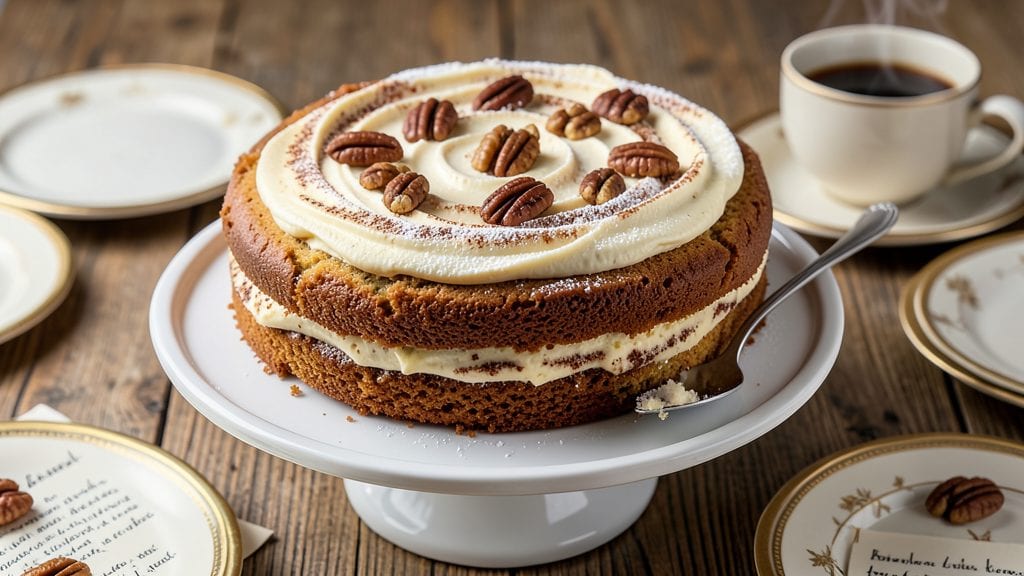
This basic cinnamon cake recipe delivers the perfect balance of moist layers and warm spice infusion that makes every slice irresistible. The secret lies in a precise mix of butter, sugar, and cinnamon that creates tender crumb while maintaining that signature spiced aroma.
I've baked this cake countless times for gatherings, and it consistently earns rave reviews for its foolproof simplicity and restaurant-quality texture.
The foundation of this recipe is the creaming method—where butter and sugar are beaten together until light and fluffy, creating air pockets that result in a tender crumb. A touch of vanilla extract enhances the cinnamon flavor, while baking powder ensures a gentle rise.
The cake bakes at a moderate temperature to prevent drying, guaranteeing those moist layers you crave in every bite.
What sets this cinnamon cake apart is how the spices infuse throughout, creating a warm, comforting aroma that fills your kitchen. The cake pairs beautifully with a simple cream cheese frosting or a dusting of powdered sugar.
Whether you're baking for a special occasion or a cozy weekend treat, this recipe delivers consistent, professional results every time.
For those watching their fat intake, an oil-based variation maintains the same moist texture while reducing calories. The recipe scales easily for larger gatherings, and leftovers stay fresh for days when stored properly. Let's get started on creating your perfect cinnamon cake.
Ingredients for basic cinnamon cake
Classic butter and sugar meet warm cinnamon for tender, aromatic layers that bake up perfectly every time.
| Ingredient | Amount | Notes |
|---|---|---|
| Unsalted Butter 🧈 | 1 cup | Cold, cubed for creaming |
| Granulated Sugar 🍚 | 1 ½ cups | White or light brown |
| Large Eggs 🥚 | 2 whole | Room temperature preferred |
| All-Purpose Flour 🌾 | 2 cups | Sifted, spooned and leveled |
| Baking Powder 🧂 | 2 tsp | Double-acting preferred |
| Ground Cinnamon 🌶️ | 2 tsp | Pure Ceylon preferred |
| Pure Vanilla Extract 🌸 | 1 tbsp | Bottled in glass |
| Whole Milk 🥛 | ½ cup | Room temperature |
| Diamond Crystal Kosher Salt 🧂 | ½ tsp | Fine grain preferred |
| Vegetable Oil 🫒 | ¼ cup | For oil-based variation |
| Powdered Sugar 🍚 | 1 cup | For dusting or frosting |
The butter quality makes all the difference here. Plugrá or Land O'Lakes unsalted are my go-tos for consistent results, but any good-quality brand works if it's cold and cubed. For the cinnamon, Ceylon ground cinnamon from Penzeys delivers the most authentic flavor without bitterness. If you're using brown sugar, pack it firmly into the measuring cup—those air pockets reduce your yield. The baking powder must be fresh; if it's older than six months, test it by mixing with water—it should bubble vigorously.
No vanilla extract? Vanilla bean paste works beautifully, or even a scraped vanilla bean. For the oil-based variation, light olive oil maintains moisture while reducing calories, though the texture will be slightly denser. If you're watching flour, substitute King Arthur Measure for Measure at a 1:1 ratio—it's gluten-free but bakes like regular flour. The milk can be swapped for any dairy-free milk, though the texture may vary slightly. For a deeper spice profile, add a pinch of nutmeg to the dry ingredients, but keep it subtle.
This cake stays fresh for 4-5 days when wrapped tightly in plastic at room temperature, or up to 1 week in the refrigerator. For longer storage, freeze individual slices wrapped in parchment for up to 3 months. The aroma intensifies as it cools, so let it sit for 30 minutes before slicing. For serving, dust with powdered sugar or pair with a simple cream cheese frosting. The oil-based variation reheats beautifully—just 10 seconds in the microwave to restore moisture.
Why You'll Love This Recipe
- No-Fuss Moisture Lock: I love how the ½ cup whole milk and room-temperature eggs keep this cake from drying out—no sad, crumbly mess here. That creaming step with 1 cup cold butter and 1½ cups sugar actually traps air, so you get those light, airy layers without fussing over buttercream or extra fillings.
- Cinnamon Infusion Magic: The 2 teaspoons ground cinnamon isn’t just sprinkled on top—it’s folded right into the batter with the 2 cups flour and 2 teaspoons baking powder, so every bite is warm and spiced. Pair that with the 1 tablespoon vanilla extract, and you’ve got a flavor that’s cozy but not cloying. Honestly, this is the kind of cake that makes you want to lick the bowl.
- Leftovers? No Problem: This recipe makes two 8-inch layers, but let’s be real—you’ll probably eat it all within 24 hours. If you have slices left, they stay fresh for 4-5 days wrapped tightly, or you can freeze them for up to 3 months. No sad, dry cake lurking in the back of your fridge here.
- Budget-Friendly Comfort: You’re working with pantry staples like all-purpose flour, granulated sugar, and baking powder, but the result feels like a treat. The ¼ cup vegetable oil (if you use it) keeps costs low while ensuring a tender crumb. It’s the kind of cake that doesn’t guilt you for feeding a crowd—just pull it out for game day, a lazy Sunday, or even a last-minute dessert.
Step-by-step instructions for basic cinnamon cake
This method delivers consistently moist layers with perfect cinnamon infusion every time.
Cream Butter and Sugar to Lighten the Mixture
In a stand mixer fitted with the paddle attachment, combine the 1 cup unsalted butter (cold, cubed) and 1½ cups granulated sugar. Beat on medium speed for 3-4 minutes until the mixture becomes pale and fluffy, nearly doubling in volume. This creaming process incorporates air, which creates the cake's signature tender crumb.
Here's the thing—don't rush this step. You'll know it's ready when the butter and sugar mixture leaves a ribbon-like trail when the beaters are lifted. The texture should be thick and smooth, like whipped cream. If you skip proper creaming, your cake will turn out dense instead of light and airy.
Incorporate Eggs and Flavorings
Add the 2 large eggs (room temperature) one at a time, mixing well after each addition. Then stir in the 1 tbsp pure vanilla extract and ½ cup whole milk. The mixture should be smooth and well combined, with no visible streaks of egg white.
This is where the cake's signature flavor begins. The vanilla extract infuses throughout, while the milk provides moisture that prevents dryness. I always use room-temperature eggs—they emulsify better with the butter, creating a more stable batter. If your eggs are cold, warm them slightly in warm water for 5 minutes before using.
Combine Dry Ingredients
In a separate bowl, whisk together the 2 cups all-purpose flour, 2 tsp baking powder, 2 tsp ground cinnamon, and ½ tsp diamond crystal kosher salt. Sift the flour mixture directly over the wet ingredients to prevent lumps from forming. Gently fold everything together using a spatula until just combined—you should still see some flour streaks.
Overmixing develops gluten, which makes cakes tough. The key is to combine until the dry ingredients are evenly distributed without overworking the batter. For an oil-based variation, add the ¼ cup vegetable oil during this step and mix until fully incorporated.
Bake to Golden Perfection
Preheat your oven to 350°F and grease two 8-inch round cake pans with butter or line them with parchment paper. Divide the batter evenly between the pans. Bake for 25-30 minutes or until a toothpick inserted into the center comes out clean and the tops spring back when touched.
The reason we wait until the toothpick test is that the cake needs to fully set before removing it from the oven. If you open the oven too soon, the cakes may collapse. For extra moisture, you can tent the pans with foil after 15 minutes of baking, but monitor closely to prevent overbrowning.
Dust with Powdered Sugar
Allow the cakes to cool in their pans for 10 minutes, then transfer them to a wire rack to cool completely. Once cooled, dust the tops generously with 1 cup powdered sugar using a fine-mesh sieve for an elegant finish. This step enhances the presentation while adding a subtle sweetness that complements the warm cinnamon flavor.
The powdered sugar should create a light, even coating without clumping. For a more decadent version, you can also brush the cooled cakes with a simple glaze made from powdered sugar and milk, but the dusting method keeps the cake's natural moisture intact.
Pro Tips For Making Basic Cinnamon Cake
- Cube That Butter: Cut your 1 cup unsalted butter into ½-inch cubes and chill them for 15 minutes before creaming. I learned this the hard way—soft butter melts unevenly, and you’ll end up with a greasy mess instead of that perfect fluffy ribbon stage. Cold cubes incorporate air better, giving you that light, tender crumb every time.
- Sift the Flour Right: Sift the 2 cups all-purpose flour directly over the wet mixture, don’t just dump it in. I used to skip this, and my cakes always had lumps—even after mixing. Sifting aerates the flour, distributes the 2 tsp baking powder evenly, and keeps the cinnamon from clumping. It’s the thing that matters most for a smooth batter.
- Fold, Don’t Stir: When combining the dry ingredients, fold just until combined—you should still see streaks of flour. Overmixing develops gluten, and suddenly your tender cake turns into a dense brick. Use a spatula and cut through the center to check: if the batter resists and pulls away cleanly, you’re golden. If it slumps back, stop immediately.
- Tent for Moisture: After 15 minutes in the oven, tent the pans with foil if the edges are browning too fast. This traps steam, keeping the cake moist without sacrificing the golden top. I know, I know—it looks weird (and your oven will smell like cinnamon heaven), but it actually changes the outcome. Your future self will thank you for not drying out those layers.
Common mistakes when making this dish
Overmixing the Batter
One of the most common mistakes is overmixing the batter after combining wet and dry ingredients. This develops gluten, making your cake dense instead of light and tender.
I always check for flour streaks—if they disappear completely, you’ve mixed too much. Gently fold until just combined, and stop before the batter looks smooth. 💡
Skipping the Ribbon Test
Many home bakers rush through the butter and sugar creaming step, but this is where the cake’s texture starts. The mixture should leave a ribbon-like trail when you lift the beaters—if it drops immediately, keep mixing.
Cold butter and sugar need that 3-4 minutes to properly incorporate air for a fluffy crumb.
Underbaking the Cake
Pulling the cake out too early is a classic error that leads to a gummy center. Always wait until a toothpick comes out clean (no wet batter clinging) and the top springs back when touched.
I’ve seen cakes collapse from premature removal—trust the toothpick test! The oven thermometer might even be off; use an instant-read thermometer to confirm 350°F.
Using Warm Ingredients
Room-temperature eggs and milk are essential for a smooth batter, but warm butter or sugar can create lumps. I always measure cold butter and let granulated sugar sit at room temp for 30 minutes before mixing. Cold ingredients combine better and create a more stable batter—no exceptions here.
Ignoring the Cooling Process
Slicing your cake too soon after baking can lead to a crumbly texture. Let it cool in the pans for 10 minutes first, then transfer to a rack. This prevents uneven cooling and helps the layers set properly. Patience here pays off with a more stable, moist cake.
Nutrition facts
Frequently asked questions
Why does my cake need room-temperature eggs and milk?
Room-temperature eggs and milk blend seamlessly with the cold butter and sugar, creating a smooth batter without lumps. Cold ingredients can cause separation, leading to uneven texture. Warm them slightly in warm water for 5 minutes if they're chilled—this simple step makes all the difference in achieving that light, airy crumb.
Can I use brown sugar instead of granulated sugar?
Yes! You can substitute 1½ cups of light brown sugar for the granulated sugar, but pack it firmly into your measuring cup—those air pockets reduce your yield. Brown sugar adds moisture and a deeper caramel flavor, which pairs beautifully with the cinnamon. Just be mindful that the cake may bake slightly slower due to the sugar's moisture content.
What’s the best way to test if my cake is fully baked?
Insert a toothpick into the center of each cake layer—if it comes out clean with no wet batter clinging, it's done! Also check if the top springs back when gently pressed. This toothpick test ensures your cake isn't underbaked (gummy center) or overbaked (dry). For extra confidence, use an instant-read thermometer to confirm the oven is at 350°F.
How do I prevent my cake from sticking to the pan?
Grease your 8-inch round cake pans generously with butter or use parchment paper liners for foolproof results. For extra insurance, lightly dust the greased pans with flour before adding the batter. Avoid overfilling the pans—fill them only ⅔ full to prevent overflowing. This simple prep keeps your cake layers intact and easy to remove.
Can I make this cake ahead of time?
Bake your cakes 1 day ahead and store them wrapped tightly in plastic at room temperature. For longer storage, freeze individual slices wrapped in parchment for up to 3 months. The flavors actually improve as the cake rests, so this is perfect for meal prep or holiday gatherings! Just let it sit at room temperature for 30 minutes before slicing.