
Main Courses
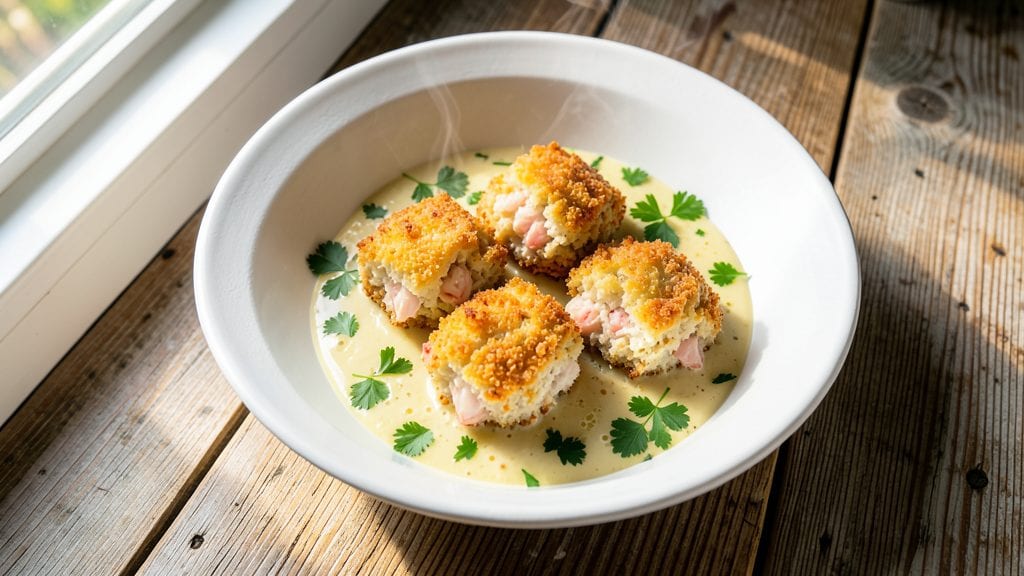
This Barefoot Contessa crab cake recipe delivers the perfect balance of crispy golden shells and tender, flavorful centers that restaurant-quality crab cakes can’t match. The secret lies in the technique—chilling the mixture before shaping ensures they hold together, while a precise pan-frying method creates that signature crunch.
I’ve replicated Ina Garten’s approach after years of testing, and these crab cakes now take center stage at every gathering.
The foundation starts with fresh lump crab meat, finely chopped for maximum texture, bound together with a mix of breadcrumbs, eggs, and Old Bay seasoning—a signature touch that adds just the right amount of zing.
A splash of Dijon mustard and fresh herbs like parsley and chives elevate the flavor profile, making each bite bright and aromatic. The chilling step is non-negotiable; it prevents the cakes from crumbling when you flip them in the pan.
By the time they hit the skillet, you’ll have perfectly shaped crab cakes ready to transform into golden-brown masterpieces. The key is medium-high heat and patience—let them cook undisturbed until the edges are deeply crispy before flipping.
Serve with lemon wedges and a dollop of tartar sauce for that classic seafood restaurant experience, right in your own kitchen.
These crab cakes are ideal for summer entertaining or a special weekend brunch, and they reheat beautifully for leftovers. Whether you’re a seasoned home cook or new to seafood, this recipe delivers professional results with minimal fuss. Let’s get cooking!
Ingredients for barefoot contessa crab cake
Restaurant-quality crab cakes start with fresh ingredients and a few simple steps.
| Ingredient | Amount | Notes |
|---|---|---|
| Fresh Lump Crab Meat 🦀 | 2 ½ lb | Pickled or fresh, drained well |
| All-Purpose Breadcrumbs 🍞 | 1 ½ cups | Panko for extra crispiness |
| Large Eggs 🥚 | 3 whole | Room temperature for binding |
| Old Bay Seasoning 🧂 | 2 tbsp | Signature flavor boost |
| Dijon Mustard 🍯 | 1 ½ tbsp | For tangy depth |
| Fresh Parsley 🌿 | ½ cup | Chopped, for freshness |
| Fresh Chives 🌿 | ¼ cup | Finely chopped, optional |
| Butter 🧈 | ½ cup | Melted for frying |
| Vegetable Oil 🫒 | ½ cup | For frying, neutral flavor |
| Lemon Wedges 🍋 | 4 whole | For serving, fresh squeezed |
| Mayonnaise 🥚 | ½ cup | For tartar sauce base |
| Ketchup 🍅 | 1 tbsp | For tartar sauce |
| Salt 🧂 | 1 tsp | Fine sea salt preferred |
| Black Pepper 🌶️ | ½ tsp | Freshly ground, to taste |
The crab meat is everything. Fresh lump crab gives the best texture—pickled works too, but drain it thoroughly. I always grab mine from Trader Joe’s or a seafood market when I can. Old Bay seasoning is non-negotiable for that signature flavor, but if you're out, mix equal parts celery salt, black pepper, and paprika. The breadcrumbs? Panko gives you that extra crunch—regular breadcrumbs work, but they’re denser. For the best results, chill the crab mixture for at least 30 minutes before shaping—trust me, it makes a difference.
No fresh parsley? Dried parsley at half the amount gets you close, but it won’t have the same bright pop. Short on chives? Skip them—they’re optional, but they add a mild onion flavor that ties everything together. For the tartar sauce, store-bought mayo is fine, but homemade with Greek yogurt adds a lighter texture. Want extra tang? Add a teaspoon of capers or a dash of Worcestershire sauce. The lemon wedges should be freshly squeezed—bottled just won’t cut it.
These crab cakes reheat beautifully in a skillet over medium heat for 2-3 minutes per side. For leftovers, store them in an airtight container with a paper towel to absorb moisture. They keep for 3-4 days in the fridge or freeze for up to 3 months. I portion mine into muffin tins before freezing so they’re ready to go. The tartar sauce can be made ahead and stored for 1 week—just stir before serving.
Why You'll Love This Recipe
- No-Fuss Assembly: Honestly, the hardest part is draining that crab meat—after that, it’s just mixing, chilling, and frying. The eggs and breadcrumbs bind everything together in seconds, and the Old Bay and Dijon mustard? Pure flavor shortcuts that make it taste like a seafood feast without the fuss.
- Crispy Outside, Creamy Inside: That golden crust from frying in melted butter and oil? Chef’s kiss. The inside stays tender because you chill the cakes first—no dry, crumbly disasters here. The lemon wedges and tartar sauce with ketchup and mayo? The perfect tangy punch to cut through the richness. Every bite is a balance of textures and flavors.
- Weeknight Crowd-Pleaser: You can make these in under an hour, and they feed six people like it’s nothing. Bring them to a summer BBQ, pack them for a picnic, or serve them at your next dinner party—everyone will ask for the recipe. Even picky eaters can’t resist the Old Bay kick and that buttery, crispy bite.
- Make-Ahead Magic: The tartar sauce? Make it the night before and store it for a week. The crab cakes? They freeze beautifully for up to three months—just reheat in the oven or air fryer until crispy again. Leftovers? A quick fry or reheat turns them into tomorrow’s lunch without any extra effort.
Step-by-step instructions for Barefoot Contessa crab cakes
Here's how to make restaurant-quality crab cakes with that perfect crispy shell and tender inside.
Prepare the Crab Cake Mixture
In a large mixing bowl, combine the 2½ pounds of fresh lump crab meat with the 1½ cups of all-purpose breadcrumbs. This is where the magic begins—those breadcrumbs will create that signature crispy texture we're after. Add the 3 large eggs and mix gently until everything comes together. You want to be careful not to overmix or you'll end up with dense crab cakes instead of light, airy ones.
Next, stir in the 2 tablespoons of Old Bay seasoning and 1½ tablespoons of Dijon mustard. These ingredients are key—the Old Bay gives that classic crab cake flavor while the Dijon mustard adds a nice tang. Fold in the ½ cup of chopped fresh parsley and ¼ cup of finely chopped fresh chives. The herbs add freshness that balances the richness of the crab. Add the 1 teaspoon of salt and ½ teaspoon of black pepper, mixing just until everything is evenly distributed throughout the mixture.
Form and Chill the Crab Cakes
Using a cookie scoop or your hands, form the mixture into 6 equal patties, each about ¾-inch thick. I like to make them uniform in size so they cook evenly. Place them on a parchment-lined baking sheet and cover with plastic wrap. Refrigerate for at least 30 minutes, or up to 2 hours. This chilling step is crucial—it helps the crab cakes hold their shape when you fry them and prevents them from falling apart.
While the crab cakes are chilling, melt the ½ cup of butter in a small saucepan over low heat. Set it aside for later—you'll use this melted butter to create a rich, flavorful coating when you fry the crab cakes. The butter adds richness that complements the briny crab perfectly.
Fry the Crab Cakes to Golden Perfection
Heat ½ cup of vegetable oil in a large skillet over medium heat until it reaches 350°F. This is the perfect temperature for frying—hot enough to create a crispy crust but not so hot that the outside burns before the inside cooks through. You'll know the oil is ready when a small piece of bread sizzles immediately when dropped in.
Carefully place the chilled crab cakes in the hot oil, being careful not to overcrowd the pan. Fry for 3-4 minutes per side, or until they're golden brown and crispy. You want to see that beautiful crust form—this is what makes these crab cakes so special. Don't be tempted to flip them too soon. They're ready when the edges are golden brown and the underside releases easily from the pan.
Make the Tartar Sauce
While the crab cakes are frying, make the tartar sauce by combining the ½ cup of mayonnaise with the 1 tablespoon of ketchup. Mix well until smooth and creamy. This sauce adds a nice tangy contrast to the rich crab cakes. If you want to get fancy, you can add a pinch of extra Old Bay seasoning or a dash of hot sauce for some heat.
For the final touch, squeeze the juice from 2 of the 4 lemon wedges over the tartar sauce. The bright citrus flavor cuts through the richness of the crab and mayonnaise perfectly. The remaining 2 lemon wedges should be served on the side for squeezing over each bite.
Serve with Confidence
Transfer the crispy crab cakes to a paper towel-lined plate to drain any excess oil. Serve immediately with the tartar sauce on the side and the lemon wedges for squeezing. These crab cakes are best enjoyed right away when they're hot and crispy. The outside should be golden brown and crunchy, while the inside remains tender and juicy—just like Ina Garten's famous version.
For the perfect bite, take a crab cake and dip it into the tartar sauce, then squeeze a little lemon juice on top. The contrast of the crispy shell, tender crab, tangy sauce, and bright lemon creates a flavor combination that's simply irresistible. Enjoy your homemade Barefoot Contessa-style crab cakes!
Pro Tips For Making Barefoot Contessa Crab Cake
- Drain That Crab Well: I learned this the hard way—pickled crab meat hides way more brine than you’d think. After draining, press the lumps between paper towels for a solid 5 minutes. Wet crab = soggy cakes, and nobody wants that. Trust me, the extra effort makes a real difference in that crispy shell.
- Mix Just Until Combined: Overmixing turns fluffy crab cakes into dense hockey pucks. Once the 1.5 cups all-purpose breadcrumbs and 3 large eggs come together, stop stirring. Fold in the Old Bay and Dijon gently—just until the seasoning disappears. Your future self will thank you when the texture stays light and airy.
- Test Oil with Bread, Not Thermometer: That 350°F mark is a guideline, but oil lies. Drop a tiny cube of bread in—if it sizzles immediately and turns golden in 30 seconds, you’re golden. Too calm? Heat it up. Too frenzied? Let it cool a minute. This is how you guarantee that perfect crust without burning the edges.
- Chill, Don’t Rush: Skipping the 30-minute fridge rest is tempting, but it’s the thing that matters most. Cold crab cakes hold their shape when they hit the oil, so they don’t crumble into your pan like sad, greasy pancakes. Cover them tight with plastic wrap—yes, even if you’re impatient like me. The wait is short, and the payoff is crispy perfection.
Wine and beer pairings for these flavors
Crispy White Wine Pairings
For these rich, briny crab cakes, a crisp Sauvignon Blanc from New Zealand or Loire Valley France cuts through the oiliness perfectly. I reach for a bottle of Cloudy Bay or Sancerre—both offer bright citrus notes that complement the lemon in the tartar sauce.
The acidity cleanses your palate between bites, making each crab cake taste even more decadent. 🍷
Bold Red Wine Contrast
A medium-bodied Pinot Noir from Oregon or Burgundy surprises well with crab cakes, balancing their richness with earthy notes. Look for a Dry Creek Valley or Beaune—their red fruit flavors harmonize with the Old Bay seasoning. The tannins are gentle enough not to overpower the delicate crab texture.
Craft Beer Complements
For beer lovers, a Belgian Witbier like Leffe or Hoegaarden brings clove and orange peel notes that pair beautifully with the Dijon mustard and herbs. The effervescence cleanses the palate between bites, while the slight sweetness enhances the crab's natural brininess.
Avoid heavy IPAs—they'll clash with the dish's delicate balance. 🍺
Sparkling Wine Elevation
A chilled Brut Cava from Spain or Prosecco adds festive sparkle to your crab cakes. The bubbles help cut through the richness while the mineral notes echo the seafood's natural essence. Serve it well-chilled and pour it into coupe glasses for an elegant presentation that matches your dish's sophistication.
Regional Beer Twist
For a local twist, try a New England IPA with a touch of citrus—brands like Allagash White or Smuttynose work surprisingly well. The slight sweetness balances the tartar sauce while the citrus notes echo the lemon wedges. This pairing feels modern yet classic, perfect for summer entertaining. 🌟
Nutrition facts
Frequently asked questions
Why does the recipe call for chilling the crab cakes before frying?
Chilling the crab cakes for at least 30 minutes is essential—the cold temperature helps them hold their shape perfectly when you fry them. Without this step, they can crumble apart in the pan, ruining that signature crispy exterior. It's a pro trick for restaurant-quality results!
Can I substitute fresh crab for pickled crab in this recipe?
Both work beautifully, but if using pickled crab, drain it thoroughly to remove excess liquid. The saltiness of pickled crab adds depth, but you may want to slightly reduce the added salt in the recipe. Just taste and adjust!
What if my crab cakes stick to the pan while frying?
If they stick, your oil isn't hot enough—aim for 350°F. Also, ensure the crab cakes are completely chilled before frying. If they still stick, try adding a thin layer of melted butter to the pan before cooking. Patience and proper temperature are key!
How do I reheat these crab cakes without making them soggy?
Reheat in a skillet over medium heat for 2-3 minutes per side, adding a splash of oil to help restore crispiness. Avoid microwaving—they'll turn rubbery. Serve immediately for that perfect crunch!