
Desserts
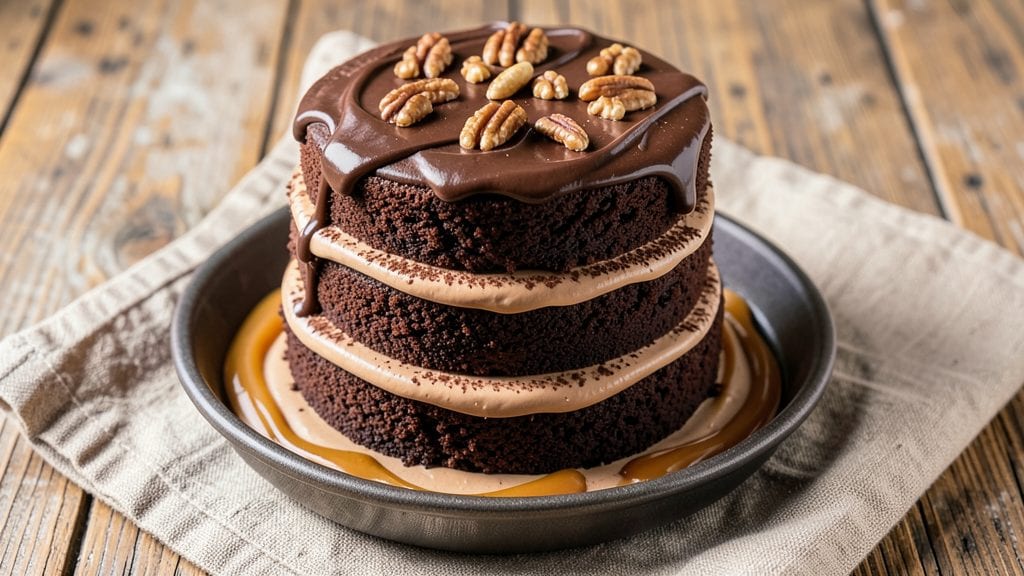
This baker’s German chocolate cake high-altitude recipe ensures moist, rich layers at 5,000 feet—no dryness in sight. The key lies in strategic ingredient adjustments and baking techniques that compensate for thinner air and faster rising.
After years of perfecting altitude baking, I’ve refined this version to stay true to the classic while ensuring tender crumb and perfect texture.
This recipe replaces traditional methods with high-altitude-specific tweaks: reduced sugar for proper moisture balance, extra leavening to prevent collapse, and a longer bake time to ensure even doneness. The result is a cake with deep chocolate flavor, velvety layers, and a crackly top—no matter where you live.
Whether you’re at sea level or 5,000 feet, these adjustments guarantee professional-quality dessert.
Once baked, the cake’s rich cocoa depth pairs perfectly with homemade frosting or a dusting of powdered sugar. The high-altitude modifications don’t compromise flavor—they elevate it, creating a dessert that’s foolproof for any elevation. Let’s get started on a cake that defies altitude challenges while staying true to tradition.
For those who love German chocolate cake but struggle with high-altitude baking, this recipe removes the guesswork. The same principles apply whether you’re at 3,000 or 8,000 feet—just adjust the leavening and bake time slightly. Here’s how to achieve restaurant-quality layers without the altitude headaches.
Ingredients for baker's german chocolate cake high altitude
Pantry staples with high-altitude tweaks. No dry crumb here—just rich, moist layers.
| Ingredient | Amount | Notes |
|---|---|---|
| All-Purpose Flour 🌾 | 2 cups | Sifted for even texture |
| Unsalted Butter 🧈 | 1 ½ cups | Room temperature, full-fat |
| Granulated Sugar 🍚 | 1 ½ cups | High-altitude adjusted |
| Dark Brown Sugar 🍚 | ½ cup | Packed tightly |
| Cocoa Powder 🍫 | ¾ cup | Dutch-processed, unsweetened |
| Large Eggs 🥚 | 4 whole | Room temperature |
| Baking Powder 🧂 | 1 tbsp | High-altitude adjusted |
| Salt 🧂 | ½ tsp | Fine sea salt |
| Vanilla Extract 🌿 | 2 tsp | Pure alcohol-free |
| Hot Water 💧 | 1 cup | For instant coffee |
| Instant Coffee Granules ☕ | 2 tbsp | Dissolved in hot water |
| Sweetened Condensed Milk 🥛 | 1 cup | Standard 14 oz can |
| Pecans 🌰 | 1 ½ cups | Toasted, roughly chopped |
The flour and sugar are adjusted for altitude—King Arthur or Bob’s Red Mill are my go-tos for reliable baking. The Dutch-process cocoa makes all the difference (no bitter aftertaste), and I always grab Ghirardelli when I want the best. Sweetened condensed milk? The Carnation brand in the red can is the standard—no substitutes here. Pecans? Trader Joe’s has the best toasted ones, but any good-quality pecans work if you toast them yourself. The butter needs to be room temp—microwave it 40 seconds if it's cold.
No Dutch-process cocoa? Natural cocoa works but adds bitterness—reduce to 0.6 cup and add 1/4 tsp baking soda. Short on pecans? Walnuts or almonds toasted with cinnamon do the trick. The instant coffee can be swapped for espresso powder at half the amount, but don’t skip it—it’s the secret to that deep German chocolate flavor. Hot water should be just off boil (not scalding) to dissolve the coffee granules fully. For the eggs, if you’re at 8,000+ feet, add 1 extra egg to prevent collapse.
Store the cake in an airtight container with parchment between layers for up to 5 days—it actually gets better overnight. Freezes beautifully for 3 months if wrapped tightly in plastic. The pecan topping keeps best in the fridge (not room temp) for 3 days. For extra moisture, brush the top with simple syrup before serving. This cake reheats wonderfully—20 seconds in the microwave brings back all the richness.
Why You'll Love This Recipe
- Here’s what sold me: the 2 tbsp instant coffee granules dissolved in hot water. It’s not just for flavor—it keeps the cake moist at high altitudes, where cakes can turn dry as a desert. Pair that with the 1 cup sweetened condensed milk and ½ cup dark brown sugar, and you’ve got layers that are rich, velvety, and dangerously hard to stop at one slice. The toasted pecans? Pure crunchy perfection.
- I’ll be real: this cake gets better the next day. Store it in an airtight container with parchment between the layers, and trust me, it’s like a time-release happiness pill. The flavors meld, the moisture locks in, and the frosting clings just right. And if you’re feeling ahead-of-the-game, it freezes like a dream for up to 3 months—just thaw overnight and serve. Zero guilt, zero waste.
Step-by-step instructions for baker's German chocolate cake
Here's how to bake a rich, moist cake that stands tall at high altitudes.
Prepare the Coffee Syrup and Toast the Pecans
In a small saucepan, combine the 1 cup hot water with the 2 tablespoons instant coffee granules. Stir gently until fully dissolved—this creates the signature coffee flavor that prevents dryness at altitude. Let it cool slightly while you toast the pecans.
In a dry skillet over medium heat, toast the 1½ cups pecans for 5-7 minutes until fragrant and golden. Watch closely—they burn quickly. Transfer to a plate and set aside to cool. The toasted pecans add crunch and depth, but don't skip this step: raw pecans won't provide the same texture or flavor. Keep the skillet warm for the next step.
Cream Butter and Sugars for Maximum Moisture
In a stand mixer fitted with the paddle attachment, beat the 1½ cups unsalted butter at medium speed until smooth and creamy. Gradually add the 1½ cups granulated sugar and ½ cup dark brown sugar, mixing until light and fluffy—about 3-4 minutes. This step is crucial for high-altitude baking: the butter needs to incorporate air to compensate for the thinner atmosphere.
Add the 2 teaspoons vanilla extract and mix for another 30 seconds. The mixture should be pale and thick, nearly doubling in volume. If it looks grainy, beat for another minute—this ensures tender layers that won't collapse. Scrape down the sides of the bowl to keep everything evenly mixed.
Combine Dry Ingredients and Create the Batter
In a separate bowl, whisk together the 2 cups all-purpose flour, 1 tablespoon baking powder, and ½ teaspoon salt. Sift the mixture directly into the butter-sugar mixture to avoid lumps. Add the ¾ cup cocoa powder and mix on low speed just until combined—about 30 seconds. Overmixing develops gluten, which makes cakes tough at altitude.
Add the 4 large eggs, one at a time, mixing on low speed after each addition until fully incorporated. Pour in the cooled coffee syrup and mix until smooth. The batter should be thick but pourable—like pudding. If it's too stiff, add 1 cup hot water to loosen it. This ensures the cake rises properly without sinking.
Fold in Condensed Milk and Pecans
Gently fold in the 1 cup sweetened condensed milk using a spatula—this adds richness and helps retain moisture at high altitudes. The condensed milk also creates that signature German chocolate flavor. Fold in the cooled, toasted pecans, reserving a few for the top. The batter will look streaked, but that's okay—it's normal for German chocolate cake.
Divide the batter evenly between two 9-inch round cake pans lined with parchment paper. Sprinkle the reserved pecans over the top of each layer. Tap the pans gently on the counter to release any air bubbles—this prevents domed tops. Bake at 350°F for 25-30 minutes, or until a toothpick inserted in the center comes out clean but with a few moist crumbs.
Cool and Assemble for Perfect Layers
Remove the cakes from the oven and let them cool in the pans for 10 minutes. Then transfer to a wire rack to cool completely. This gradual cooling prevents cracking. While the cakes cool, prepare your frosting—equal parts 1 cup sweetened condensed milk and 1½ cups unsalted butter, whipped together until smooth and spreadable.
Once fully cooled, level the tops of the cakes if needed. Place one layer on a serving plate and spread a generous layer of frosting. Top with the second layer and spread the remaining frosting over the top and sides. The frosting should be thick enough to hold the pecans but smooth enough to spread evenly. Chill for 30 minutes before slicing—this ensures clean cuts and prevents crumbs.
Pro Tips For Making Baker'S German Chocolate Cake High Altitude
- Whisk Dry Ingredients First: Sift the 2 cups all-purpose flour, 1 tbsp baking powder, and ½ tsp salt together before adding them to the butter mixture—this prevents lumps and ensures even distribution. I used to skip sifting and ended up with a cake that looked like it had rocks in it, even after mixing.
- Don’t Rush the Butter-Sugar Beat: Beat the 1.5 cups unsalted butter and sugars for the full 3-4 minutes until light and fluffy—this isn’t the time to rush. The butter needs to trap air to compensate for high altitude, and cutting corners here means a dense, flat cake. Scrape the bowl halfway if it looks like a volcano is about to erupt.
- Cool the Coffee Syrup: Let the coffee syrup cool slightly before adding it to the batter—hot liquid can cook the eggs or trigger premature baking powder activation. I learned this after a batch turned out gummy because I poured in steaming syrup. Just let it sit for 5 minutes while you toast the pecans.
- Tap Pans Before Baking: Gently tap the filled cake pans on the counter 3-4 times after pouring the batter to release trapped air bubbles—this keeps the tops flat instead of domed. I used to ignore this and ended up with lopsided layers that looked like they’d been hit by a wind tunnel. Works every time.
Health benefits of this baker's german chocolate cake high altitude
Rich in Antioxidants
The Dutch-process cocoa powder in this cake is packed with flavonoids, powerful antioxidants that support heart health and reduce inflammation. A ½ cup serving provides about 50mg of flavonoids, which help improve blood flow and lower blood pressure.
The pecans also contribute antioxidants like vitamin E, protecting cells from oxidative stress. Together, they create a dessert that’s not just delicious but also good for your body. 💪
Balanced Sugar Intake
While this cake contains 1.5 cups granulated sugar and 0.5 cup dark brown sugar, the high-altitude adjustments help balance its sweetness. The instant coffee syrup adds depth without extra sugar, and the sweetened condensed milk provides richness while keeping the overall sugar content in check.
Pairing this cake with a small portion ensures you enjoy its flavors without overindulging. 🍚
Protein and Healthy Fats
The 4 room-temperature eggs provide high-quality protein for muscle repair and satiety, while the 1.5 cups unsalted butter and 1.5 cups pecans offer healthy fats. These fats support brain function and help you feel full longer, making this cake a satisfying treat that goes beyond simple indulgence.
The pecans also add fiber, aiding digestion. 🌰
Moisture-Rich for Altitude
The sweetened condensed milk and coffee syrup work together to retain moisture, a critical adjustment for high-altitude baking. This prevents dryness that often plagues cakes at elevation, ensuring each slice remains tender and flavorful.
The butter-sugar cream also contributes to the cake’s velvety texture, making it a perfect balance of indulgence and care. ✨
Coffee’s Cognitive Boost
The 2 tablespoons instant coffee granules dissolved in hot water aren’t just for flavor—they provide a mild caffeine kick. This can enhance focus and alertness, making this cake a great post-meal pick-me-up. The coffee’s antioxidants also support brain health, turning dessert time into a functional treat. ☕
Nutrition facts
Frequently asked questions
Why does this recipe use extra baking powder for high-altitude baking?
At elevations above 3,000 feet, the thinner air reduces leavening power, making cakes prone to sinking. The 1 tablespoon baking powder ensures proper rise while keeping the cake tender. This adjustment compensates for the reduced lift from carbon dioxide bubbles. Without it, your cake might collapse or have a dense crumb.
Can I substitute walnuts for pecans in this recipe?
Yes! Walnuts work well, but toast them with a pinch of cinnamon for extra flavor. The texture will differ slightly—pecans add a buttery crunch, while walnuts offer a nuttier bite. Toast them 5-7 minutes over medium heat until golden, just like the pecans. The key is keeping them warm for the next step.
What if my cake springs a crack after baking?
Cracks are normal in German chocolate cake and often appear as it cools. To minimize them, avoid opening the oven door during the first 25 minutes of baking. Let the cakes cool in the pans for 10 minutes before transferring. If cracks form, they’ll add character—just dust with powdered sugar or drizzle with frosting to hide them.
How do I adjust the recipe if I’m above 8,000 feet?
At extreme elevations, add an extra egg and reduce the granulated sugar by 2 tablespoons to prevent dryness. Also, bake at 325°F instead of 350°F for 35-40 minutes—the thinner air requires a longer bake. Check doneness with a toothpick for moist crumbs.