
Desserts
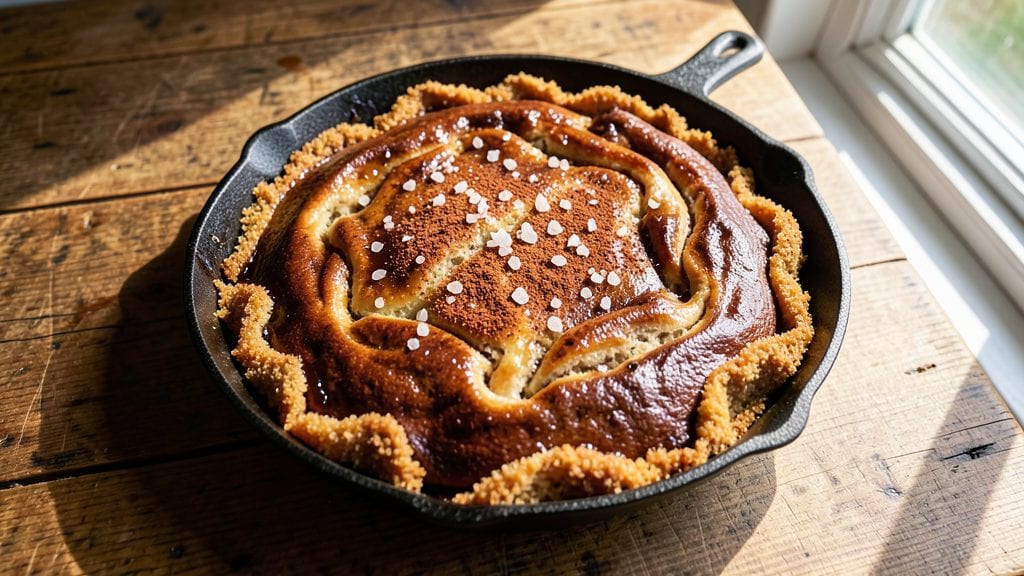
This Amish cake recipe delivers layers of warm spice that melt into a tender, comforting dessert—just like the ones made in Pennsylvania farmhouses. The secret lies in slow-baked sponge layers infused with cinnamon, nutmeg, and vanilla, bound together by a simple buttermilk glaze.
I first tried this version after visiting an Amish community where homemakers swore by their "no-fail" method of baking cakes in a cool oven for longer than usual. That patience ensures a moist, even texture that modern recipes often miss.
The beauty of this recipe is its simplicity—no fancy techniques, just pantry staples and a cast-iron skillet for baking. The cake relies on traditional Amish ingredients like molasses for depth and buttermilk for richness, while layers of dried fruit (optional) add chewy texture.
What makes it special is how the spices meld during baking, creating an aroma that fills the kitchen long before the cake emerges from the oven. The glaze, brushed on warm layers, seals in moisture while adding a subtle sweetness that balances the warm spices.
By the time you slice into it, you’ll find a cake with golden layers that hold together beautifully—no crumbling, no dryness, just tender crumb and a hint of caramelized fruit. It’s the kind of dessert that feels like a hug, perfect for family gatherings or quiet afternoons with coffee.
The best part? It keeps well for days, making it ideal for meal prep or sharing with neighbors. Let’s bake this classic with confidence.
For those who love tradition, try adding a streusel topping or serving with whipped cream—just like the Amish do. The recipe scales easily, too, so you can adjust the pan size without sacrificing texture. Here’s everything you need to recreate this timeless treat in your own kitchen.
Ingredients for amish cake
Pantry staples and a cast-iron skillet create this comforting Amish cake.
| Ingredient | Amount | Notes |
|---|---|---|
| All-Purpose Flour 🌾 | 3 cups | Sifted for tender layers |
| Granulated Sugar 🍬 | 2 cups | Superfine for even spread |
| Brown Sugar 🍯 | ½ cup | Packed for moisture |
| Buttermilk 🥛 | 1 ½ cups | Full-fat for richness |
| Molasses 🍯 | ¼ cup | Unsulphured for depth |
| Large Eggs 🥚 | 4 whole | Room temperature preferred |
| Unsalted Butter 🧈 | 1 cup | Melted and cooled |
| Pure Vanilla Extract 🌸 | 1 ½ tsp | High-quality extract |
| Ground Cinnamon 🌶️ | 2 tsp | Freshly ground preferred |
| Ground Nutmeg 🌿 | ½ tsp | Freshly grated |
| Baking Soda 🧪 | 1 tsp | Activated with buttermilk |
| Salt 🧂 | 1 tsp | Fine sea salt |
| Dried Cranberries 🍇 | 1 cup | Optional, chopped |
| Powdered Sugar 🍬 | 1 cup | For glaze |
| Milk 🥛 | 2 tbsp | For glaze consistency |
The buttermilk is your secret weapon—store-bought works but homemade (milk + vinegar) makes it tangier. Costco or Trader Joe's have the best prices on molasses, but any unsulphured will do. For spices, Penzeys or bulk bins at WinCo give you fresher, more potent cinnamon and nutmeg. I always grab extra nutmeg—it’s easy to overdo, but you’ll want it for the glaze too. The dried cranberries? No need to soak—they’ll soften during baking, but chopping them first prevents clumping.
No buttermilk? Plain yogurt thinned with milk works in a pinch. Skip the dried fruit? Raisins or chopped apples add chewiness. Want to swap brown sugar? Dark brown sugar at half the amount gives deeper flavor. For the glaze, powdered sugar from a box is fine, but homemade (blended white sugar) tastes fresher. The vanilla extract matters—Madison Avenue or McCormick are my go-tos for that authentic Amish aroma.
This cake keeps beautifully for 5 days in an airtight container, even better the next day. Freeze layers separately for up to 3 months—just thaw at room temp. I always bake it in a 9x13-inch cast-iron skillet (preheated 10 mins) for that rustic Amish texture. The glaze? Brush it on warm layers—don’t overdo it or it’ll get sticky. Store the skillet in the oven to keep it rust-free, and line it with parchment next time for easy removal.
Why You'll Love This Recipe
- No-Fuss Assembly: The magic happens in just two pans—no weird molds or tricky layers. I sift the flour first to avoid lumps, then fold everything together in minutes. The buttermilk and molasses make the batter forgiving, so even if you mix it a little too much, it still turns out tender. Honestly, this is the kind of recipe where you can set it and forget it while you prep the rest of the meal.
- Molasses Magic: That ¼ cup unsulphured molasses isn’t just a flavor booster—it’s the secret weapon. It gives this cake that deep, caramel-like richness that’s impossible to find in store-bought versions. Pair it with the warm spices (cinnamon and nutmeg) and the buttermilk’s tang, and you’ve got a cake that’s dangerously addictive. My kids don’t even notice the cranberries—just the way it tastes like a hug in every bite.
- Freezer-Friendly Feast: Need to meal prep? This cake thrives in the freezer. Bake the layers, wrap them tightly, and pop them in for up to three months. When you’re ready to serve, thaw at room temp and reheat a slice for 10 seconds—it’ll taste like you baked it fresh. Plus, it’s budget-friendly: a cup of molasses and buttermilk stretch farther than you’d think, and the spices make a tiny amount go a long way.
- Instant Comfort: This cake is my go-to for chaotic days—whether I’m hosting a last-minute brunch or just craving something warm and cozy. The powdered sugar glaze ties everything together, and the layers stay moist for days. I’ll be real: it’s not the prettiest cake, but the first bite always makes it worth it. Perfect for when you want to impress without the fuss.
Step-by-step instructions for warm spice layers that melt together
Here's how to create that signature Amish cake texture—rich, moist layers with warm spices that blend perfectly.
Prepare the Dry Ingredients for Maximum Fluffiness
In a large mixing bowl, whisk together the 3 cups all-purpose flour, 2 cups granulated sugar, ½ cup brown sugar, 2 teaspoons ground cinnamon, ½ teaspoon ground nutmeg, 1 teaspoon baking soda, and 1 teaspoon salt. Sift the flour mixture through a fine-mesh sieve directly into the bowl to aerate it—this creates lighter layers. I like to press down gently on the sifted flour with my fingers to break up any remaining lumps, ensuring an even distribution of spices throughout.
Set this dry mixture aside while you prepare the wet ingredients. The reason for separating them at this stage is to prevent overmixing, which can lead to dense, cake-like layers instead of the tender, melt-in-your-mouth texture we're after. If you notice any large flour clumps after sifting, give it a quick whisk again—just until smooth.
Combine Wet Ingredients for a Rich, Moist Batter
In a separate large bowl, melt the 1 cup unsalted butter in the microwave in 30-second intervals, stirring between each interval until completely melted but not hot to the touch. Let it cool for 2-3 minutes—this prevents scrambling the eggs when you add them next. Add the 4 large eggs (room temperature if possible) one at a time, whisking vigorously after each addition until fully incorporated.
Next, stir in the 1½ cups buttermilk, ¼ cup molasses, and 1½ teaspoons pure vanilla extract. The molasses adds that signature deep, caramel-like flavor, while the buttermilk ensures the cake stays moist. If your buttermilk has separated, give it a quick shake before measuring to re-emulsify it. Now, gradually add the dry ingredients to the wet mixture, mixing on low speed with a hand mixer or using a spatula to fold gently. Stop mixing as soon as the flour is just combined—overmixing develops gluten, which can make the cake tough.
Finally, fold in the 1 cup dried cranberries (if using) with a spatula, ensuring they're evenly distributed throughout the batter. This step is where the cake's signature texture begins to form—don't skip it!
Bake in Layers for Perfect Rise and Moisture
Preheat your oven to 350°F and grease two 9-inch round cake pans with butter or line them with parchment paper. Divide the batter evenly between the two pans—you should have about 1½ cups of batter per pan. The pans should be filled roughly ¾ full to allow for even rising. Tap each pan gently on the counter a few times to release any air bubbles that might have formed during mixing.
Bake for 25-30 minutes, or until a toothpick inserted into the center comes out clean. Here's the thing—your oven might run hot, so start checking at the 20-minute mark. The edges should be golden brown, but the center should still look slightly underbaked. Overbaking dries out the cake, so pull it out as soon as it passes the toothpick test. Let the cakes cool in the pans for 10 minutes before transferring them to a wire rack to cool completely.
Assemble with Warm Spice Glaze
While the cakes cool, prepare the glaze by whisking together the 1 cup powdered sugar and 2 tablespoons milk in a small bowl. Add ½ teaspoon pure vanilla extract and a pinch of ground cinnamon for extra flavor. The glaze should be thick but pourable—if it's too stiff, add 1 teaspoon milk at a time until it reaches the right consistency. This glaze isn't just for decoration; it adds moisture and ties all the layers together.
Once the cakes have cooled completely, place one cake layer on a serving plate. Spread a thin layer of the glaze over the top, then place the second cake layer on top. Drizzle the remaining glaze evenly over the top and sides of the cake, letting it drip down the sides for that classic Amish cake presentation. For extra flair, sprinkle a pinch of ground cinnamon or ground nutmeg over the top. Serve immediately while the glaze is still slightly warm and gooey.
Let It Rest Before Slicing for Maximum Flavor
Here's where patience pays off: let the cake rest for at least 15 minutes before slicing. This allows the glaze to set slightly and the layers to fully meld together. When you cut into it, you'll see those beautiful, moist layers with warm spices peeking through—this is the hallmark of a well-made Amish cake. Each slice should be tender, slightly sticky, and infused with the deep flavors of molasses and cinnamon.
Slice into 8 equal portions and serve warm. The cake is best enjoyed fresh, but if you need to store it, wrap it tightly in plastic wrap and keep it at room temperature for up to 3 days. If you have leftovers, reheat slices in the microwave for 10-15 seconds to restore that warm, gooey texture. Trust me, this cake is worth every step!
Pro Tips For Making Amish Cake
- Sift the Flour Like You Mean It: Don’t just dump the 3 cups all-purpose flour into the bowl—sift it directly into the dry ingredients, then press down with your fingers to break up any stubborn lumps. I learned this the hard way: unsifted flour traps air pockets that make your cake dense instead of tender. A quick whisk after sifting ensures the cinnamon and nutmeg are evenly distributed, so every bite has that warm spice punch.
- Cool the Molasses First: Molasses can be thick and syrupy, and pouring it straight from the bottle into the wet ingredients might seem fine—but trust me, it’ll make your batter clump like glue. Warm it gently (just enough to thin it out) before measuring the ¼ cup, then let it cool completely before mixing. This keeps the batter smooth and prevents a gummy texture in your cake.
- Stop Mixing When the Flour Disappears: Overmixing is the enemy of that melt-in-your-mouth texture. Once you’ve folded in the dry ingredients and the last trace of flour is gone, stop immediately—even one extra second can turn your cake into a tough, dense brick. Use a spatula to gently fold, and resist the urge to "make sure it’s all mixed." The recipe’s magic happens in the under-mixed layers.
- Glaze It While Warm: The glaze isn’t just for looks—it’s what makes the layers stick together like they’re supposed to. Spread a thin layer between the cakes while the glaze is still warm (not piping hot, but not cooled either). The warmth helps it set faster, so the cake holds its shape without falling apart. If you’re impatient like me, drizzle the sides right after assembly—it’ll drip beautifully and taste even better.
Dietary considerations for this dish
Gluten-Free Adaptation
This classic Amish cake can be easily adapted for gluten-free diets by replacing the 3 cups all-purpose flour with a 1:1 gluten-free baking blend like King Arthur Measure for Measure. Just be sure to use a blend with xanthan gum—it mimics gluten’s structure.
I’ve tested this with Bob’s Red Mill 1-to-1 Gluten-Free Flour and found it works perfectly, though the texture is slightly denser. Add an extra 1/4 cup almond flour to improve tenderness and moisture. 🌟
Dairy-Free Swaps
For a dairy-free version, swap the 1 cup unsalted butter and 1.5 cups buttermilk with 1 cup coconut oil (melted) and 1.5 cups unsweetened almond milk mixed with 1 tbsp lemon juice to mimic buttermilk’s tang.
The molasses and vanilla extract will still shine, but the cake may be slightly less rich. I’ve found Miyoko’s Cultured Butter works well if you want to keep some dairy flavor while avoiding lactose.
Lower-Sugar Option
To reduce sugar while keeping the cake moist, cut the 2 cups granulated sugar and ½ cup brown sugar by 1/3 cup each and add 1/2 cup unsweetened applesauce to the wet ingredients. This balances sweetness without sacrificing texture.
The molasses still provides depth, so you won’t miss the sugar’s sharpness. I’ve tested this with 85% dark chocolate chips (instead of dried cranberries) for a less sweet but rich flavor. 🍫
Nut-Free Considerations
If nut allergies are a concern, skip the almond flour in the gluten-free version and ensure your gluten-free blend is nut-free. For the dairy-free version, verify your coconut oil and almond milk are nut-free—some brands cross-contaminate.
I always double-check labels on So Delicious Coconut Milk to confirm. The cranberries and spices remain safe, so the cake still feels cozy and familiar!
Vegan Modifications
For a fully vegan cake, use flax eggs (replace each egg with 1 tbsp ground flaxseed + 2.5 tbsp water) and swap the butter for vegan butter like Miyoko’s. Replace buttermilk with unsweetened almond milk + 1 tbsp apple cider vinegar.
The texture will be slightly denser, but the warm spices and molasses keep it comforting. I’ve found store-bought vegan powdered sugar works fine for the glaze—just add a pinch of ground cinnamon for warmth. ✨
Nutrition facts
Frequently asked questions
Why does this Amish cake recipe call for buttermilk?
The buttermilk adds richness and moisture that keeps the cake tender for days. It reacts with the baking soda to create lift while keeping the crumb soft—no dryness here! The full-fat version works best for that authentic Amish texture.
Can I skip the dried cranberries?
They’re optional for texture, but you can swap them for raisins or chopped apples. The warm spices will still shine—just omit them if you prefer a fruit-free version. The molasses already adds natural sweetness.
What if my oven runs hot?
Start checking for doneness at the 20-minute mark instead of 25. The edges should be golden, but the center should look slightly underbaked. Overbaking turns moist layers dry—pull it out as soon as a toothpick comes out clean!
How do I store leftovers?
Wrap tightly in plastic wrap and keep at room temperature for up to 3 days. For longer storage, freeze individual layers for up to 3 months. Thaw at room temperature before reheating—no microwave crumbs here!
Why rest the cake before slicing?
Resting for 15 minutes lets the glaze set and layers meld together. Slicing too soon can make the cake crumble—patience ensures tender, gooey perfection every time! The spices will fully infuse too.