
Desserts
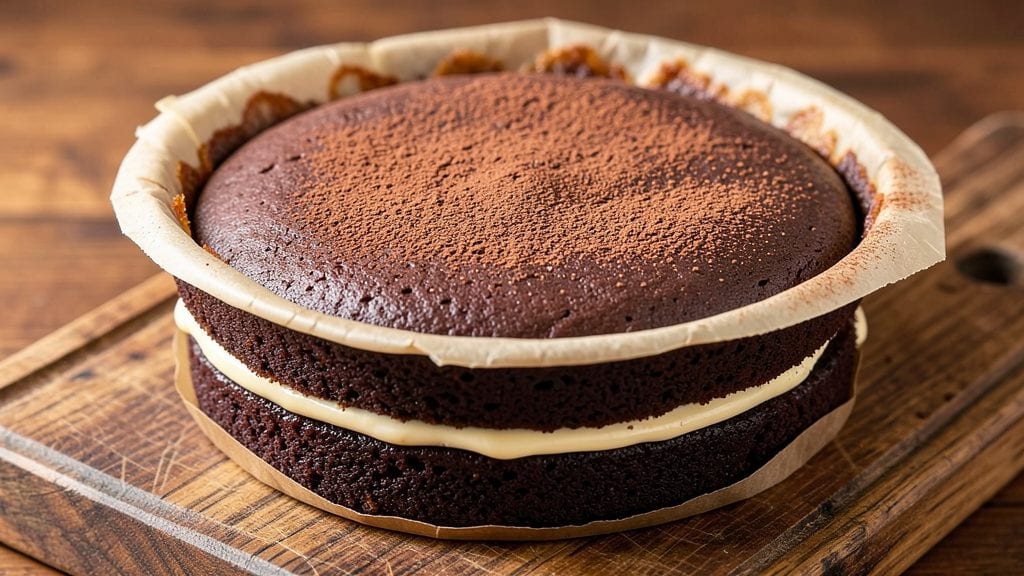
America's Test Kitchen Old-Fashioned Chocolate Cake delivers the kind of deep, fudgy layers and moist texture that make it a dessert legend. This isn’t your average chocolate cake—it’s a buttermilk-boosted masterpiece with a secret technique that keeps it rich yet tender, not dense.
I’ve baked countless versions, and this one consistently earns raves for its perfect balance of cocoa and sugar without being overly sweet.
The key to this recipe lies in precise mixing and room-temperature ingredients, two hallmarks of ATK’s approach. You’ll use natural cocoa powder (not Dutch-processed) for authentic flavor, and the buttermilk creates that signature fine crumb and moist crumb that stays fresh for days.
The cake bakes in three layers, each with its own distinct texture—fudgy outer edges and a velvety center that melts in your mouth.
What sets this cake apart is how it serves up restaurant-quality results at home, with a buttery, caramelized flavor that’s impossible to resist. The frosting—if you choose to add it—is a simple, creamy vanilla buttercream that complements rather than overpowers the cake’s natural richness.
Whether you serve it with vanilla ice cream or fresh berries, this cake is a showstopper.
Perfect for celebrations or a weeknight treat, this recipe scales beautifully and delivers consistent results every time. The instructions walk you through ATK’s signature techniques, ensuring you get the same layered richness and moist texture that made this cake famous. Let’s get baking!
Ingredients for america's test kitchen old fashioned chocolate cake
Pantry staples with a few specialty touches—this is where the magic happens for that signature ATK texture.
| Ingredient | Amount | Notes |
|---|---|---|
| All-Purpose Flour 🌾 | 2 ½ cups | Sifted for fine crumb texture |
| Natural Cocoa Powder 🍫 | ¾ cup | Unsweetened, not Dutch-processed |
| Granulated Sugar 🍚 | 2 cups | White sugar preferred |
| Light Brown Sugar 🍚 | ½ cup | Packed, for moisture |
| Unsalted Butter 🧈 | 1 ½ cups | Room temperature, cubed |
| Large Eggs 🥚 | 2 whole | Room temperature, separated |
| Buttermilk 🥛 | 1 cup | Room temperature |
| Vanilla Extract 🌿 | 2 tsp | Pure, high-quality |
| Baking Powder 🧂 | 1 ½ tsp | Aluminum-free |
| Diamond Crystal Kosher Salt 🧂 | ½ tsp | Fine grain preferred |
| Instant Espresso Powder ☕ | 1 tsp | Enhances chocolate depth |
| Vegetable Oil 🫒 | ¼ cup | For greasing pans |
| Vanilla Bean Seeds 🌿 | 1 tsp | Scraped from 1 pod |
| Heavy Whipping Cream 🥛 | 1 cup | Cold, for buttercream |
| Powdered Sugar 🍚 | 2 cups | Sifted for smooth frosting |
The cocoa powder is non-negotiable here. Natural cocoa (not Dutch-processed) delivers that rich, slightly bitter depth that separates this cake from the rest. Hershey’s Special Dark or Valrhona are my go-tos, but the bulk bins at Whole Foods or Penzeys work perfectly. If you’ve got leftover cocoa, store it in an airtight container away from light—it keeps for up to a year. The buttermilk? Room temperature is critical—cold buttermilk can make the cake dense. If you don’t have it on hand, mix 1 tablespoon lemon juice or vinegar with 1 cup milk and let it sit for 5 minutes. The eggs and butter should be at room temperature too—this isn’t just a suggestion, it’s the secret to that fine crumb.
No buttermilk? Substitute with 1 cup plain yogurt—Greek or regular, but make sure it’s full-fat for the best texture. Running out of vanilla extract? Vanilla bean paste works in a pinch, but scrape out those seeds for extra flavor. The instant espresso powder might seem odd, but trust me—it deepens the chocolate flavor without adding bitterness. If you’re avoiding caffeine, regular instant coffee works too. For the frosting, European-style butter (like Plugrá) gives a smoother texture, but Land O’Lakes works fine. And if you’re feeling fancy, infuse the buttercream with a splash of Grand Marnier—just 1 tablespoon makes a world of difference.
This cake keeps beautifully—3-4 days at room temperature wrapped tightly in plastic, or up to a week in the fridge. For longer storage, freeze the layers (unfrosted) for up to 3 months. The frosting? It’ll last 5 days in the fridge, but I recommend making it fresh—it’s that good. To reheat, wrap the whole cake in foil and warm it in a 200°F oven for 10 minutes. And if you’re prepping ahead, bake the layers a day in advance, then frost just before serving. The flavors meld even better overnight.
Why You'll Love This Recipe
- Here’s what sold me: that 1 tsp of instant espresso powder mixed with the cocoa powder. It’s like a secret weapon—deepens the chocolate flavor without tasting like coffee. Pair that with the vanilla bean seeds (from just one pod) and the light brown sugar for moisture, and you’ve got layers that are rich but not heavy. The frosting? Creamy, not sweet—just the right amount of indulgence.
- No Panic Needed: I’ve baked enough chocolate cakes to know what’s a nightmare—this one isn’t. The pans get greased with vegetable oil (just ¼ cup) and lined with parchment, so no sticky messes or collapsed layers. And the dry ingredients? Sifted and whisked just enough—no overworking the batter, no dense crumb. The buttermilk and eggs handle the moisture, so you won’t even think about adding extra liquid. Trust me, my third attempt was spot-on.
- Espresso Boosted Bliss: Here’s what sold me: that 1 tsp of instant espresso powder mixed with the cocoa powder. It’s like a secret weapon—deepens the chocolate flavor without tasting like coffee. Pair that with the vanilla bean seeds (from just one pod) and the light brown sugar for moisture, and you’ve got layers that are rich but not heavy. The frosting? Creamy, not sweet—just the right amount of indulgence.
- Crowd-Pleaser for Any Moment: This cake isn’t just for birthdays. It’s my go-to for potlucks (because it feeds a crowd without feeling fussy), game days (since it travels well), or even a Tuesday night dessert (yes, even on a Tuesday night). The layers freeze beautifully, unfrosted, for up to 3 months—so you can bake once and enjoy it all week. My daughter picks out the vanilla bean seeds to scrape, but still asks for seconds.
Step-by-step instructions for america's Test Kitchen old fashioned chocolate cake
This cake delivers decadent layers with a moist crumb and velvety frosting—every step is designed for perfect results.
Prepare the Cake Pans and Mix Dry Ingredients
Preheat your oven to 350°F. Generously grease two 8-inch round cake pans with ¼ cup vegetable oil, then line the bottoms with parchment paper. This ensures easy release and clean slices. While the oven heats, sift together the 2½ cups all-purpose flour, 1½ tsp baking powder, and ½ tsp Diamond Crystal kosher salt in a medium bowl. Set aside—this keeps the dry ingredients light and aerated for a tender crumb.
In a separate small bowl, whisk together the ¾ cup natural cocoa powder, 1 tsp instant espresso powder, and the remaining ½ tsp salt. The espresso powder enhances the chocolate depth, while the cocoa ensures a rich, velvety texture. Sift this mixture into the flour mixture and whisk to combine. Here's the thing—don't overmix. Just until the dry ingredients are evenly distributed, no lumps.
Cream Butter and Sugars for Maximum Fluffiness
In a stand mixer fitted with the paddle attachment, beat the 1½ cups unsalted butter (room temperature) on medium speed until smooth and creamy—about 2 minutes. Gradually add the 2 cups granulated sugar and ½ cup light brown sugar, mixing until light and fluffy, about 3-4 minutes. You'll see the mixture nearly double in volume and turn pale. This step is critical—it incorporates air, which creates the cake's signature tender crumb.
Add the 2 large eggs (room temperature) one at a time, mixing well after each addition. Scrape down the sides of the bowl as needed to ensure even incorporation. Then add the 2 tsp vanilla extract and 1 tsp vanilla bean seeds, mixing for 30 seconds until fully combined. The vanilla bean seeds add a subtle complexity that separates this cake from ordinary chocolate cakes.
Combine Wet and Dry Ingredients for a Smooth Batter
With the mixer on low speed, gradually add the dry ingredient mixture to the wet ingredients, mixing just until combined—about 30 seconds. Avoid overmixing, which can lead to a dense cake. Scrape the bowl again to ensure all ingredients are evenly distributed. In a separate bowl, whisk the 1 cup buttermilk until smooth, then add it to the batter in two additions, mixing on low speed just until incorporated.
The buttermilk acts as a tenderizer and adds moisture without making the cake dense. Here's where the magic happens: the batter should be thick but pourable. If it looks too stiff, gently fold in 1-2 tablespoons vegetable oil until it reaches the right consistency. Divide the batter evenly between the prepared cake pans, spreading it out smoothly.
Bake to Perfect Doneness
Bake the cakes in the preheated 350°F oven for 30-35 minutes, or until a toothpick inserted into the center comes out with a few moist crumbs but no wet batter. Rotate the pans halfway through baking for even browning. The cakes should spring back slightly when pressed in the center, indicating they're fully set but still moist.
Remove the cakes from the oven and let them cool in the pans for 10 minutes, then transfer them to a wire rack to cool completely. This gradual cooling prevents cracking and ensures the layers hold their shape when assembling. While the cakes cool, prepare the buttercream frosting by beating the 1 cup heavy whipping cream and 2 cups powdered sugar until smooth and fluffy.
Assemble and Frost for Decadent Layers
Once the cakes are completely cool, level the tops if necessary for even layers. Place one cake layer on a serving plate and spread a generous layer of the buttercream frosting on top. The frosting should be thick enough to hold the layers together but still spreadable. Place the second cake layer on top and frost the entire cake with the remaining buttercream, creating a smooth, even surface.
For a polished finish, dust the top of the cake with a light coating of cocoa powder using a fine-mesh sieve. This adds a subtle contrast to the rich frosting and enhances the chocolate flavor. Slice and serve immediately to enjoy the cake at its peak texture and flavor—moist layers with a velvety frosting that melts in your mouth.
Pro Tips For Making America'S Test Kitchen Old Fashioned Chocolate Cake
- Whisk Butter Until Smooth: I used to rush this step and wonder why my cake turned out dense—don’t. Beat the 1.5 cups unsalted butter for a full 2 minutes until completely smooth and creamy before adding sugars. That’s the foundation for lightness, not just fluff.
- Sift Dry Ingredients Twice: The recipe says to sift the flour, cocoa, and baking powder—but I’ve learned the hard way that sifting the 2.5 cups all-purpose flour and the 0.75 cup natural cocoa powder separately (with the espresso powder) prevents clumps better. Trust me, your crumb will thank you.
- Rotate Pans Mid-Bake: Skipping this move means one cake might bake faster than the other. After 15-18 minutes, swap the pans front to back in the oven. This evens out browning and ensures both layers finish at the same time—no dry top, no gummy center.
- Chill Cream Before Whipping: The recipe calls for 1 cup cold heavy whipping cream for the buttercream, but I’ve had it fail when it’s even slightly warm. Pop the cream in the fridge for 10 minutes before whipping—it whips faster, holds better, and gives you that silky texture the first time.
Wine and beer pairings for this dish
Rich Chocolate Wines
The deep, velvety notes of this chocolate cake pair beautifully with full-bodied reds that complement its cocoa richness. I always reach for a Nebbiolo from Piedmont, like Gaja—its tannic structure and dark fruit flavors stand up to the cake’s intensity.
The wine’s earthy undertones create a sophisticated contrast to the sweetness. For a more approachable option, Malbec from Argentina, such as Catena Zapata, delivers juicy blackberry and plum notes that balance the cake’s cocoa depth. 🍷
Creamy White Pairings
Surprisingly, certain whites can shine alongside this decadent dessert. A Chardonnay with oak aging, like Meursault, offers buttery richness that mirrors the cake’s texture. The wine’s vanilla and citrus notes provide a refreshing counterpoint to the chocolate.
For a lighter option, try a Viognier—its floral and peach aromas cut through the cake’s sweetness without overpowering it.
Craft Beer Complements
For beer lovers, a Belgian Dark Strong Ale like Westmalle Tripel brings complex spice and caramel notes that enhance the chocolate flavors. Alternatively, a Barrel-Aged Stout such as Founders Kentucky Breakfast Stout offers coffee and chocolate undertones that feel like a perfect match.
Both pairings elevate the cake’s depth without competing with its richness. 🍺
Classic Dessert Pairings
No wine or beer necessary—this cake is a showstopper with classic dessert companions. A scoop of vanilla bean ice cream melts into the cake’s layers, creating a creamy contrast. Fresh raspberries or blackberries add a tart brightness that cuts through the sweetness.
For an extra touch, drizzle with hot fudge sauce or a sprinkle of sea salt to enhance the chocolate experience. ✨
Unexpected Twist
For a bold pairing, try a Port wine like Taylor’s Late Bottled Vintage. Its caramel and dried fruit notes harmonize with the cake’s cocoa, while the wine’s sweetness adds another layer of indulgence.
If you prefer something lighter, a sparkling Moscato d’Asti offers effervescence that cleanses the palate between bites. Both options surprise and delight. 💫
Nutrition facts
Frequently asked questions
Why does this cake recipe use buttermilk instead of regular milk?
The buttermilk creates a tender, moist crumb that’s lighter than milk alone. It also reacts with the baking powder to create extra lift, giving you that signature fine texture America’s Test Kitchen is known for. Plus, it enhances the chocolate flavor without adding extra sweetness!
Can I substitute instant espresso powder with regular coffee?
Yes! Instant coffee works perfectly—just use the same 1 teaspoon measurement. The coffee enhances the chocolate depth without bitterness, just like the espresso. For the strongest flavor, use freshly brewed coffee that’s been cooled first. This keeps the cake’s richness intact while adding a subtle coffee note.
What if my cake layers crack when cooling?
Cracking often happens if cakes cool too quickly. Let them cool in the pans for 10 minutes before transferring to a rack, then cool completely at room temperature. Avoid placing them on a cold surface or in front of a fan. If cracks appear, simply frost them—they’ll be hidden and the cake will still taste delicious!
How do I prevent the buttercream from being too sweet?
Start with 1 cup heavy whipping cream and 2 cups powdered sugar—this is the perfect balance. If it tastes too sweet, reduce the powdered sugar by ¼ cup increments while mixing. You can also add a splash of vanilla extract or a pinch of salt to enhance flavor without sweetness. Taste as you go!
Can I make this cake ahead of time?
Bake the layers a day in advance and store them wrapped tightly at room temperature. Frost just before serving for the best texture. For longer storage, freeze the unfrosted layers for up to 3 months. Thaw overnight in the fridge before frosting. This method keeps the cake moist and flavorful!