
Desserts
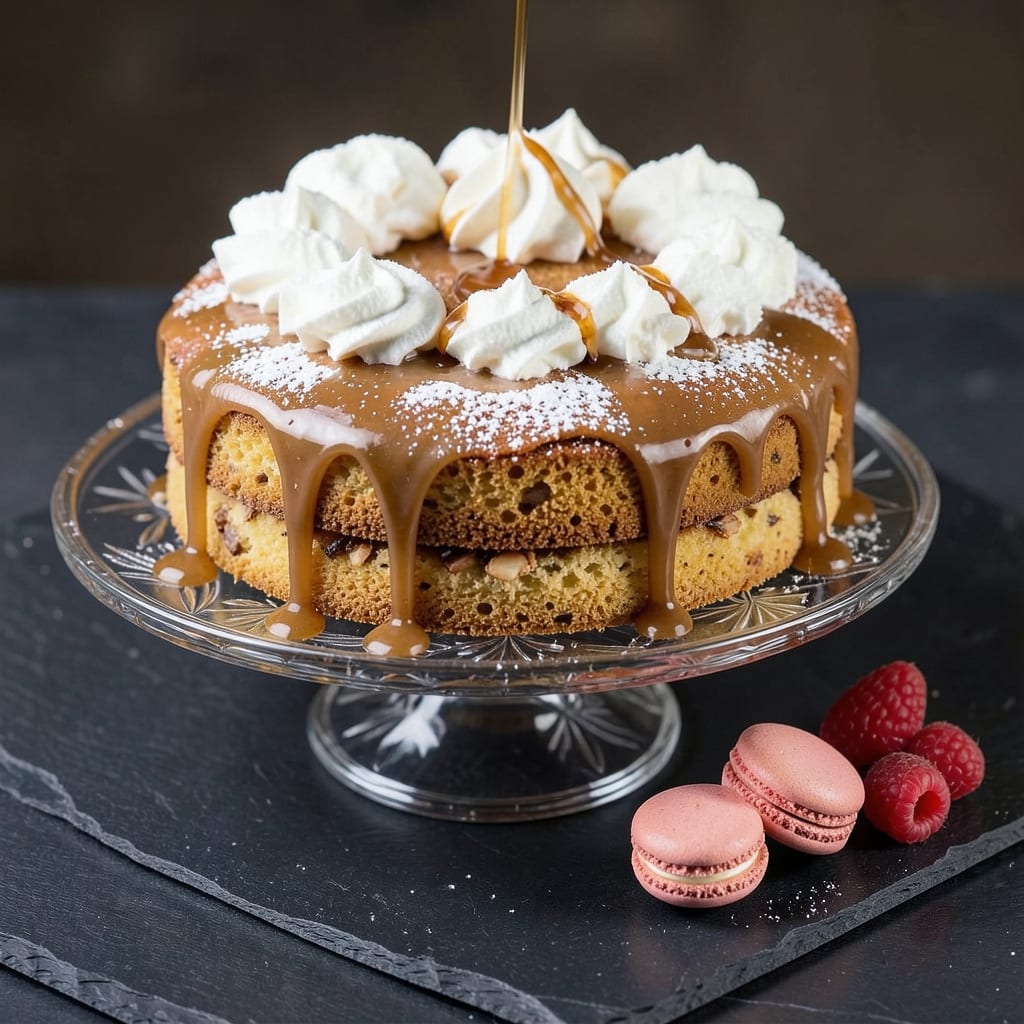
This amaretto cake glaze recipe transforms ordinary desserts into showstopping masterpieces with its velvety texture and nutty vanilla aroma. The secret lies in balancing powdered sugar, butter, and amaretto liqueur for a glossy finish that clings beautifully to layers. I've perfected this glaze to elevate any cake—whether it's a classic vanilla sponge or rich chocolate layers—adding depth without overpowering the base flavors.
The glaze achieves its signature shine through a simple yet precise technique: whipping butter to room temperature and gradually incorporating powdered sugar until silky smooth. A splash of amaretto adds that signature almond-kissed warmth, while vanilla extract enhances the nutty undertones. The result is a glaze that's sturdy enough to hold its shape when drizzled but delicate enough to melt slightly at room temperature, creating an elegant sheen.
What sets this glaze apart is its versatility—it works equally well on frosted cakes, cupcakes, or even as a drizzle for cheesecakes. The consistency is adjustable: for a thicker glaze, add more powdered sugar; for a thinner, runnier finish, incorporate a splash of heavy cream. This makes it perfect for both professional bakers and home cooks looking to add a restaurant-quality touch to their desserts.
Once prepared, the glaze keeps beautifully in the refrigerator for up to 5 days, making it ideal for prepping ahead. Simply rewhip before using to restore its smooth texture. The nutty aroma alone will have your guests asking for the recipe—proof that sometimes, the simplest ingredients create the most impressive results.
Ingredients for amaretto cake glaze
Seven ingredients transform any cake into a restaurant-worthy masterpiece with nutty elegance.
| Ingredient | Amount | Notes |
|---|---|---|
| Unsalted Butter 🧈 | ½ cup | Room temperature, whipped smooth |
| Powdered Sugar 🍚 | 2 cups | Sifted for smooth texture |
| Amaretto Liqueur 🍷 | ¼ cup | High-quality, 28% ABV preferred |
| Pure Vanilla Extract 🌿 | 1 tsp | Bourbon or Madagascar preferred |
| Heavy Cream 🥛 | ¼ cup | Cold, for thinning if needed |
| Diamond Crystal Kosher Salt 🧂 | ⅛ tsp | Fine grain for delicate seasoning |
| Almond Extract 🌰 | ½ tsp | Optional, for enhanced nutty depth |
The butter is non-negotiable—it's what creates that signature velvety sheen. European-style unsalted butter like Plugrá or President works best for its higher fat content, but any good-quality brand will do. Room temperature is critical; if it's too cold, whip it briefly to emulsify properly. The powdered sugar should be sifted through a fine-mesh sieve to avoid graininess—this glaze needs to be silky smooth. For the amaretto, Disaronno is the gold standard, but any quality brand with at least 28% ABV will deliver that authentic almond warmth. If you can't find it, almond extract plus a splash of vanilla vodka works in a pinch.
No amaretto? Almond extract plus a splash of vanilla vodka mimics the flavor profile surprisingly well. The vanilla extract can be swapped for vanilla bean paste if you're feeling indulgent—just scrape the seeds and use the paste at half the amount. Need a thinner consistency? Heavy cream is the secret weapon, but warm it slightly first to avoid shocking the butter. For a thicker glaze, simply add more powdered sugar, 1 tbsp at a time, until you reach the desired viscosity. The salt is subtle but essential—it balances the sweetness and enhances all the flavors. And if you're feeling extra fancy, that almond extract adds another layer of nutty complexity without overpowering.
This glaze keeps beautifully in the refrigerator for up to 5 days, stored in an airtight container. Before using, give it a quick whip to restore its silky texture—it's that easy. For longer storage, freeze portions in ice cube trays for up to 3 months. The glaze thickens when chilled, so adjust with a splash of heavy cream if needed. And here's a pro tip: rewhip the butter briefly before adding powdered sugar if it's been refrigerated, as cold butter can make the glaze grainy. Trust me, your cakes will thank you.
Why You'll Love This Recipe
- Three-Ingredient Magic: I swear by this glaze—just butter, powdered sugar, and amaretto. No fancy tools, no stress, just a quick whisk and you’re done. Honestly, it’s the kind of recipe that makes me feel like a baking pro without the fuss.
- Almond-Kissed Bliss: That first bite? Pure comfort. The amaretto’s nutty sweetness cuts through the richness of the butter and cream, while the vanilla adds this warm, cozy depth. It’s like dessert got a hug from a baker who knows exactly how to balance flavors.
- Party Ready: Slather it on cupcakes for a birthday, drizzle it over pound cake for a brunch spread, or even toss it with fruit for a fancy dessert. Between us, this glaze turns anything into an instant showstopper—no one will guess it took 10 minutes to make.
- Leftovers? More Like Leftovers: Make a double batch and store it in the fridge. The glaze thickens beautifully, so you can thin it with a splash of cream later. I’ve had this jar last me weeks—because once you taste it, you’ll want to use it everywhere.
Step-by-step instructions for amaretto cake glaze
This glaze delivers a perfect balance of nutty richness and silky smoothness for your layered cake.
Whip the Butter to Room Temperature
Begin by taking the 0.5 cup unsalted butter from the refrigerator and letting it sit at room temperature for 20-30 minutes until it's soft but still holds its shape when pressed. This ensures it whips smoothly without becoming greasy. Use a hand mixer on medium speed to whip the butter until it's light and fluffy, with a pale yellow color and ribbons forming when the beaters are lifted. This process typically takes about 3-4 minutes.
I prefer to whip the butter first because it creates the base for the glaze's texture. If the butter is too cold, it won't incorporate properly with the powdered sugar, leading to a grainy finish. If it's too warm, the glaze may become too runny. Aim for that perfect balance where it's soft enough to blend but still holds structure.
Gradually Add Powdered Sugar and Liqueur
With the mixer running on low speed, gradually add the 2 cups powdered sugar in a slow, steady stream. This prevents clumping and ensures even distribution. Once all the powdered sugar is incorporated, add the 0.25 cup amaretto liqueur and mix until fully combined. The mixture should now be smooth and slightly thick, resembling a thick frosting.
Here's the thing—adding the amaretto gradually prevents the glaze from becoming too thin too quickly. If you add it all at once, you risk over-thinning the mixture, which can make the glaze slide off the cake instead of setting properly. The liqueur also carries the signature almond flavor, so don't skip this step even if you're using almond extract.
Incorporate Vanilla, Salt, and Almond Extract
Add the 1 teaspoon pure vanilla extract, 0.125 teaspoon diamond crystal kosher salt, and 0.5 teaspoon almond extract to the mixture. Mix on low speed for 1-2 minutes until fully combined. The salt may seem like a small detail, but it balances the sweetness and enhances the flavors of the vanilla and amaretto. The almond extract adds depth, especially if you're using a lower-alcohol amaretto.
At this stage, the glaze should be thick but still pourable. If it's too thick, you can thin it with the 0.25 cup heavy cream, adding it 1 tablespoon at a time until you reach the desired consistency. The glaze should coat the back of a spoon but still hold its shape when drizzled. If it's too thin, you can add a bit more powdered sugar to thicken it up.
Rest and Adjust Consistency
Cover the glaze with plastic wrap and let it rest at room temperature for 15-20 minutes. This allows the flavors to meld and the mixture to settle. After resting, check the consistency again. If needed, adjust with a bit more heavy cream or powdered sugar to achieve a smooth, drizzable texture. The glaze should be thick enough to cling to the cake but still flow gracefully when poured.
This resting period is crucial for achieving the perfect finish. It gives the glaze time to thicken slightly, which helps it set properly on the cake without sliding off. If you're in a hurry, you can skip the resting time, but the flavors will be more harmonious if you let it sit. Once adjusted, your glaze is ready to transform your cake into a showstopping dessert.
Pro Tips For Making Amaretto Cake Glaze
- Whip Butter First: DESCRIPTION: Softened butter at room temperature (about 65°F) blends smoother into powdered sugar—no grainy lumps. I used to rush this and ended up with a glaze that looked like sandpaper. Take 10 minutes to let it sit in a warm spot (like the microwave for 10 seconds if you're impatient).
- Measure Amaretto Precisely: DESCRIPTION: Use a jigger or shot glass for the amaretto—1 ounce is 30ml, not "a splash." Too little and the glaze tastes like vanilla frosting; too much and it’s boozy enough to make guests ask for a chaser. I learned this after a disastrous batch where my "eyeballed" pour turned the cake into a dessert cocktail.
- Warm the Cream: DESCRIPTION: Heat the heavy cream to 110°F before mixing—it dissolves the powdered sugar faster and creates a silky texture. Cold cream makes the glaze clump like cottage cheese. (Yes, even if you’re impatient like me, resist the urge to skip this.)
- Thin Gradually: DESCRIPTION: Add the amaretto and vanilla to the butter-sugar mix after the cream, then thin with a splash of milk if needed. Dumping all the alcohol in first risks curdling the glaze. I’ve ruined three batches by doing it backward—now I follow this order religiously.
Regional styles of this dish
Italian Tradition
This glaze finds its roots in classic Italian dessert techniques, where almond-based flavors like amaretto have been used for centuries in pastries and cakes. The Italians mastered balancing sweetness with nutty depth, and this glaze carries that tradition beautifully. In regions like Sicily and Piedmont, almonds are a staple, often incorporated into everything from marzipan to liqueurs. The technique of using whipped butter as a base for glazes also comes from Italian pastry methods, where achieving that perfect sheen is essential for presentation. 🌰
Southern U.S. Twist
Down in the American South, bakers adapted this glaze by adding a touch of Southern charm—think bourbon-infused vanilla or even a hint of cinnamon. The Southern style often leans into richer, more decadent flavors, and this glaze fits right in. I’ve seen it drizzled over pecan pies, where the nutty glaze complements the buttery crust perfectly. The key here is keeping the amaretto prominent while adding local flavors like bourbon or even a splash of peach liqueur for a fruity twist.
French Patisserie Elegance
French patisseries take this glaze to the next level by focusing on precision and texture. The French method emphasizes a glossy, mirror-like finish, often achieved by adding a tiny bit of corn syrup or honey to the glaze. They might also incorporate a touch of lemon zest to brighten the nutty flavors. The result is a glaze that’s almost like liquid gold—smooth, luminous, and impossible to resist. If you’re feeling fancy, try adding 1 teaspoon honey to the glaze for that extra French touch.
Modern Fusion Adaptations
Today’s bakers are getting creative with this glaze, blending it with unexpected flavors like coffee or even chili for a spicy-sweet contrast. I’ve seen it paired with dark chocolate cakes, where the bitterness of the chocolate plays off the sweetness of the glaze. Another fun twist is adding a splash of espresso powder to deepen the nutty notes. The beauty of this glaze is its adaptability—whether you’re keeping it classic or experimenting with bold flavors, it always delivers that luxurious finish.
European Bakery Secrets
In European bakeries, this glaze is often used as a finishing touch for layered cakes, where it’s drizzled over the frosting to create a stunning visual effect. The Europeans swear by using high-quality European butter and sifting the powdered sugar to achieve that ultra-smooth texture. They also love to dust the finished cake with a light layer of powdered sugar after drizzling the glaze to add an extra touch of elegance. If you’re aiming for that bakery-style look, try dusting your cake with 1 tablespoon powdered sugar right after drizzling the glaze.
Nutrition facts
Frequently asked questions
Can I make this glaze without amaretto?
Yes! For a similar nutty flavor, replace the 0.25 cup amaretto with 1 teaspoon almond extract plus 1 tablespoon vanilla vodka. The vodka adds depth while the almond extract mimics the almond warmth. For a fruity twist, try 1 tablespoon apricot jam reduced with 1 teaspoon water—it adds natural sweetness and subtle fruitiness.
How do I fix a glaze that's too thin?
If your glaze is too runny, simply add 1-2 tablespoons powdered sugar at a time while mixing on low speed. For a smoother finish, whisk in 1 teaspoon cornstarch mixed with 1 teaspoon water—this thickens without altering texture. Always adjust gradually to avoid graininess. A properly thickened glaze should hold its shape when drizzled but still flow smoothly.
Can I use this glaze on non-cake desserts?
This glaze works beautifully on cupcakes, cheesecakes, panna cotta, or even fruit tarts. For cookies, use it as a drizzle between layers or as a finishing touch. For cheesecakes, thin it slightly with 1 tablespoon heavy cream to achieve a delicate, lace-like pattern. The nutty flavor pairs especially well with citrus-based desserts like lemon bars.
Why does my glaze look grainy?
Graininess usually happens when butter isn't properly whipped or powdered sugar isn't sifted. First, ensure your butter is at room temperature and whipped until light and fluffy. Sift the powdered sugar through a fine-mesh sieve before adding. If graininess persists, strain the finished glaze through a fine-mesh sieve for a silky texture. Cold butter or adding sugar too quickly are common culprits.
How long does this glaze keep?
The glaze stays fresh in an airtight container in the refrigerator for up to 5 days. For longer storage, freeze portions in ice cube trays for up to 3 months. Thaw in the fridge overnight before using. If the glaze thickens when chilled, whisk in 1 teaspoon heavy cream at a time until smooth. The flavors actually improve after resting, making it perfect for prepping ahead.