
Desserts
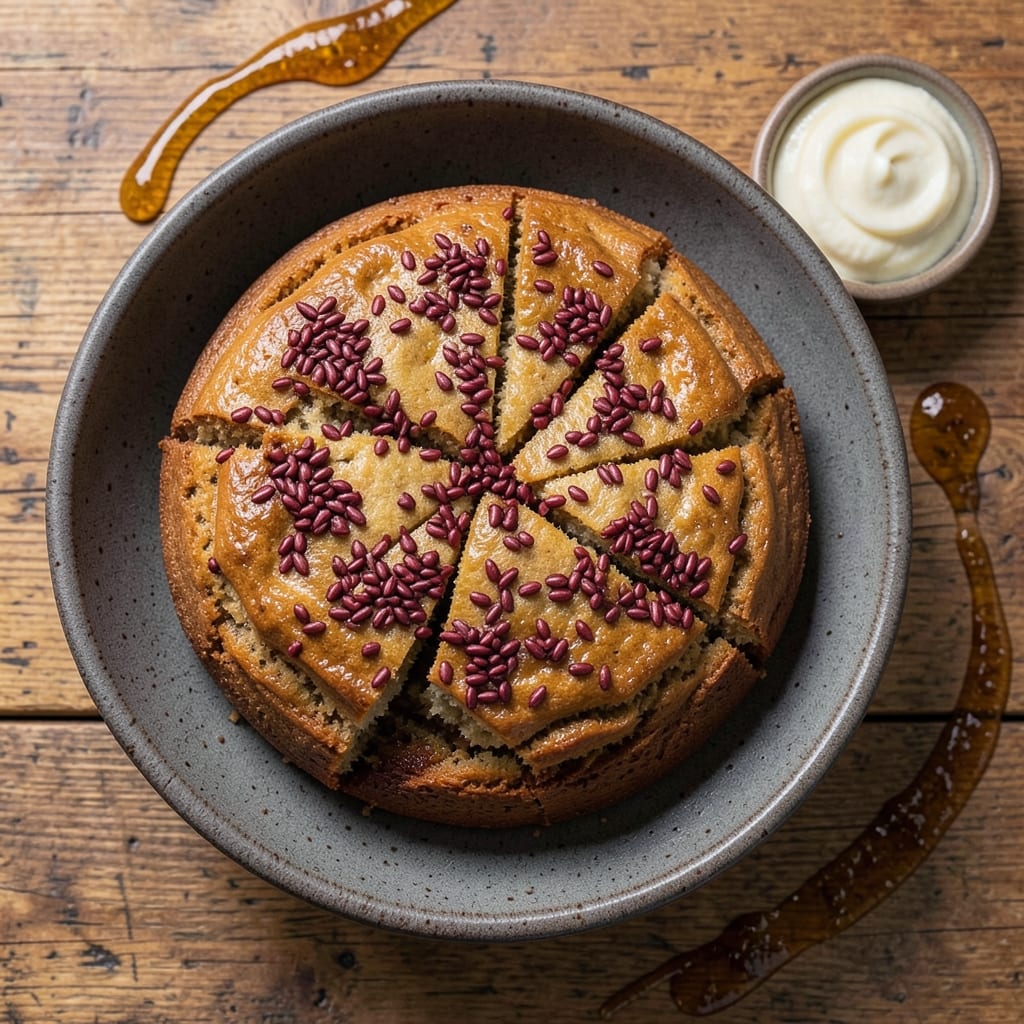
This gluten-free amaranth cake delivers a surprisingly rich, nutty depth that rivals traditional wheat-based desserts—without the heaviness. The secret lies in finely ground amaranth groats, which add a subtle earthiness and moist, dense texture that stays fresh for days. I developed this recipe after years of experimenting with ancient grains, and it finally cracked the code for a cake that's both nutrient-packed and irresistibly tender.
The beauty of amaranth flour is its ability to absorb moisture while maintaining structure, creating a cake with a fudgy center and a lightly crisp exterior. Unlike many gluten-free cakes that dry out quickly, this recipe uses a combination of aquafaba (chickpea brine) and applesauce to keep it perfectly moist without relying on eggs or dairy. The nutty flavor profile comes through beautifully, making it a standout for those seeking whole-grain desserts with real depth.
What makes this recipe truly special is how it balances simplicity with sophistication—just 10 ingredients come together in one bowl, yet the result is a cake that feels restaurant-worthy. The baking process is straightforward, with a 350°F oven and 35-minute bake time, ensuring you won’t spend hours in the kitchen. Whether you top it with a lemon glaze, a sprinkle of cinnamon, or leave it bare to let the amaranth shine, this cake is a game-changer for gluten-free baking.
Perfect for brunch, dessert, or even a healthier cake option for celebrations, this recipe proves that gluten-free doesn’t mean sacrificing flavor or texture. The nutty, slightly sweet profile makes it versatile enough to pair with coffee, tea, or fresh fruit. Let’s get baking—your taste buds (and dietary needs) will thank you.
Ingredients for amaranth cake
Ten ingredients transform into a gluten-free masterpiece with nutty depth and perfect moisture.
| Ingredient | Amount | Notes |
|---|---|---|
| Amaranth Flour 🌾 | 2 cups | Finely ground for optimal texture |
| Aquafaba 🥫 | ½ cup | From chickpea brine, unsalted |
| Unsweetened Applesauce 🍎 | ½ cup | Unseasoned, for moisture |
| Coconut Sugar 🌿 | ¾ cup | For balanced sweetness |
| Extra-Virgin Olive Oil 🫒 | ½ cup | Cold-pressed for richness |
| Vanilla Extract 🌸 | 1 tbsp | Pure, high-quality extract |
| Almond Milk 🥛 | ½ cup | Unsweetened, for liquid base |
| Baking Powder 🍞 | 1 tsp | Aluminum-free, gluten-free |
| Salt 🧂 | ½ tsp | Fine sea salt preferred |
| Ground Cinnamon 🌶️ | 1 tsp | Freshly ground for warmth |
The amaranth flour is the star here—Bob’s Red Mill or Anthony’s Goods are my go-tos for finely ground, nutrient-rich groats. Look for a vibrant, earthy hue; anything dull or off-colored may have lost potency. If you can’t find pre-ground amaranth, pulse whole groats in a high-speed blender until ultra-fine, but sift thoroughly to avoid grit. The aquafaba must be unsalted—chickpea brine from canned chickpeas works perfectly. For coconut sugar, Wholesome! brand has the cleanest texture, though any organic variety will suffice. Store your amaranth flour in an airtight container away from light to preserve its nutty flavor.
No aquafaba? Flax eggs (3 tbsp ground flaxseed + 9 tbsp water = 3 eggs) work as a 1:1 substitute, though texture may vary slightly. Swap applesauce for unsweetened applesauce pouches from Trader Joe’s—they’re shelf-stable and consistent in texture. Running low on almond milk? Oat milk or cashew milk both work, but almond provides the best neutral base. The baking powder must be gluten-free; Bob’s Red Mill makes a reliable aluminum-free version. For extra depth, toast the amaranth flour in a dry pan for 2 minutes before mixing—this enhances its nutty aroma without burning. If you prefer a sweeter profile, add 1 tsp maple syrup to the wet ingredients.
This cake keeps beautifully—5 days in an airtight container at room temperature or 2 weeks refrigerated. For longer storage, slice and freeze portions for up to 3 months; thaw overnight in the fridge. The lemon glaze (optional) adds brightness; mix 0.25 cup powdered sugar + 1 tbsp lemon juice and drizzle over cooled cake. To maintain moisture, wrap tightly in plastic wrap or place in a sealed container with a slice of bread. The cake’s dense texture means it reheats poorly, so enjoy it fresh or at room temperature for the best experience.
Why You'll Love This Recipe
- No-Fuss Mixing: I swear by this recipe—just whisk, pour, bake. The aquafaba replaces eggs without fuss, and the amaranth flour blends like a dream (no sifting, no lumps). Honestly, I’ve made it while chatting on the phone.
- Nutty-Sweet Magic: That amaranth flour? It’s got a toasty, almost caramel-like depth that pairs perfectly with the applesauce’s mild sweetness and coconut sugar’s warmth. The olive oil keeps it moist without tasting heavy—like a cross between a cake and a cookie.
- Crowd-Pleaser Twist: Between us, this cake is my go-to for potlucks or when I need a dessert that won’t leave half my guests eyeing me weird. It’s hearty enough for breakfast (yes, really) but fancy enough for a weekend brunch spread.
- Pantry Staple Hack: I keep amaranth flour and aquafaba on hand just for this—it’s cheaper than buying specialty cakes, and the leftovers? They last a week in the fridge. Even my picky nephew asks for seconds, and that’s saying something.
Step-by-step instructions for amaranth cake
This gluten-free amaranth cake delivers rich nutty depth and remarkable moisture using simple techniques.
Whisk Wet Ingredients for Proper Texture
In a medium bowl, combine the 0.5 cup aquafaba, 0.5 cup unsweetened applesauce, 0.75 cup coconut sugar, and 0.5 cup extra-virgin olive oil. Whisk vigorously for 2-3 minutes until the mixture becomes pale and slightly thickened. This process incorporates air, which is crucial for achieving the cake's signature lightness despite being gluten-free.
The aquafaba acts as our egg substitute here, providing both structure and moisture. You'll notice the mixture gradually lighten in color and thicken slightly as you whisk—this is your signal that the ingredients are properly emulsified. Add the 1 tablespoon vanilla extract and whisk for another 30 seconds to fully integrate the flavor.
Sift Dry Ingredients for Even Distribution
In a separate bowl, sift together the 2 cups amaranth flour, 1 teaspoon baking powder, 0.5 teaspoon salt, and 1 teaspoon ground cinnamon. Sifting prevents lumps and ensures even distribution of leavening agents throughout the batter. The fine texture of amaranth flour is particularly important here—any clumps would create dense pockets in your cake.
I like to press the sifted mixture gently with my fingers to break up any remaining small clumps. This step is especially critical with amaranth flour, which can be more prone to clumping than traditional flours. The baking powder and salt should be completely dissolved in the flour mixture—you shouldn't see any white or gray specks remaining.
Combine Wet and Dry Ingredients Gently
Create a well in the center of your dry ingredients and pour in the wet mixture. Using a spatula, gently fold the ingredients together just until combined—you should still see some streaks of flour throughout. Overmixing develops gluten in the amaranth flour, which would make the cake dense rather than light and tender. The goal is to create a smooth, thick batter that coats the back of your spatula.
Add the 0.5 cup almond milk gradually while continuing to fold gently. The batter should be thick but pourable—similar to pancake batter in consistency. If it appears too thick, add 1-2 tablespoons more almond milk to achieve the proper texture. This batter is designed to be slightly thicker than traditional cake batters, which helps maintain moisture during baking.
Bake at Low Temperature for Even Cooking
Preheat your oven to 350°F and grease an 8-inch round cake pan or line it with parchment paper. Pour the batter into the prepared pan and smooth the top with a spatula. Tap the pan gently on the counter 2-3 times to remove any air bubbles that may have formed during mixing.
Bake for 40-45 minutes, or until a toothpick inserted into the center comes out clean. The cake should have a slightly domed top and pull away from the sides of the pan easily. The low baking temperature is crucial here—it allows the cake to cook through evenly without developing a dry crust. The amaranth flour has a tendency to dry out quickly, so we want to give it plenty of time to develop moisture from the applesauce and aquafaba.
Cool and Serve for Optimal Texture
Allow the cake to cool in the pan for 10 minutes before transferring it to a wire rack to cool completely. This gradual cooling process helps prevent cracking and allows the flavors to meld together. The cake will sink slightly in the center as it cools, which is normal and actually enhances the moist texture.
For the best texture, serve the cake at room temperature. The nutty flavor of the amaranth flour will be most pronounced, and the moist crumb will hold together beautifully. This cake pairs exceptionally well with a dusting of powdered sugar or a light glaze made from powdered sugar and almond milk. Each slice should be tender yet sturdy enough to hold a fork, with a subtle sweetness that complements the warm cinnamon notes.
Pro Tips For Making Amaranth Cake
- Whisk Aquafaba First: Beat the aquafaba until stiff peaks form before folding it into the batter—this mimics egg whites and gives the cake its signature lightness. I used to skip this step and ended up with a dense brick; trust me, the extra 2 minutes make all the difference. ---
- Sift the Amaranth Flour: Amaranth flour is heavy and packed with protein, so sift it through a fine-mesh sieve to avoid lumps in the batter. I learned this the hard way when my first cake turned out gummy—now I sift it directly into the mixing bowl. ---
- Don’t Overmix the Batter: Once you fold in the aquafaba, stop mixing as soon as it’s just combined—overworking it collapses the air bubbles and flattens the texture. Two or three gentle folds are all you need; more than that, and you’ll regret it. ---
- Bake at 325°F, Not Higher: Amaranth cakes dry out fast, so a lower oven temp (325°F) ensures even baking without a dry crumb. I used to blast it at 350°F and ended up with a cake that crumbled like stale crackers—now I set the oven to 325°F and let it bake slowly.
Wine and beer pairings for amaranth cake
Sweet Wine Pairings
For this nutty, moist amaranth cake, I recommend dry Riesling from Germany or Alsace—its crisp acidity and subtle honeyed notes complement the cake's earthy depth without overpowering. A 2018 Dr. Loosen Blue Slate Riesling (around $25) has the perfect balance of minerality and sweetness to enhance the amaranth's natural nuttiness. 🍷
If you prefer reds, look for a Pinot Noir with earthy undertones, like a 2019 Domaine Serene Willamette Valley Pinot Noir ($40). Its red fruit and subtle spice notes harmonize beautifully with the cake's cinnamon warmth and moist texture.
Fruity Beer Matches
A Belgian witbier like Hoegaarden or Stella Artois provides a refreshing contrast to the cake's richness. The citrusy notes and effervescence cleanse your palate between bites, making each slice taste even more decadent. For a local option, try Allagash White—its coriander and orange peel flavors create a delightful balance. 🍺
For those who prefer darker beers, a Belgian dubbel like Westmalle Dubbel (around $12) adds caramel and spice notes that mirror the cake's cinnamon and coconut sugar. The malty sweetness complements the amaranth's nutty profile beautifully.
Coffee & Tea Pairings
If you're serving this cake with coffee, opt for a medium-roast Ethiopian Yirgacheffe—its floral and citrus notes enhance the cake's natural sweetness without competing. A light pour-over method brings out the best in both the coffee and the cake's subtle flavors. ☕
For tea lovers, Earl Grey with its bergamot aroma creates a sophisticated pairing. The tea's citrusy brightness contrasts nicely with the cake's nutty depth, while the bergamot's floral notes complement the vanilla. A steeped cup at room temperature works best to avoid overpowering the cake's delicate texture.
Unexpected Pairings
Try pairing this cake with dark chocolate ganache for a decadent dessert experience. The chocolate's bitterness enhances the amaranth's nutty profile, while the ganache's creaminess balances the cake's moist texture. Use 70% dark chocolate from Valrhona for the best results. 🍫
For a lighter option, serve with fresh berry compote—raspberries or blackberries work beautifully. The tartness of the berries cuts through the cake's richness, creating a perfect balance of flavors. A simple sugar and lemon juice reduction (simmer 1 cup berries + 2 tbsp sugar + 1 tsp lemon juice for 10 minutes) does the trick.
Nutrition facts
Frequently asked questions
Why does amaranth cake turn out dense if I don't whisk the wet ingredients properly?
The aquafaba and applesauce need 2-3 minutes of vigorous whisking to incorporate air, which creates lift in gluten-free baking. Without this step, the cake will be heavy and compact. Think of it like beating egg whites—air is your secret to lightness!
Can I substitute amaranth flour with regular flour?
Not recommended! Amaranth flour has a unique protein structure and nutty flavor that regular flour can't replicate. For a similar texture, try a 1:1 blend of almond flour and coconut flour, but expect slightly different taste and moisture levels. The cake won't have the same earthy depth.
How do I make this cake gluten-free but still moist?
The magic comes from aquafaba + applesauce—they replace eggs while adding moisture. The low 350°F baking temperature also prevents drying. For extra moisture, brush warm cake with almond milk while cooling. This recipe avoids common gluten-free pitfalls like dryness!
What's the best way to store leftover amaranth cake?
Wrap tightly in plastic wrap or store in an airtight container with a slice of bread (to prevent drying). It stays fresh for 5 days at room temp or 2 weeks refrigerated. For longer storage, freeze slices for up to 3 months—thaw overnight in the fridge.
Can I add chocolate chips to this recipe?
Use ½ cup vegan chocolate chips (like Enjoy Life brand) and fold them in during the final mixing step. For best results, melt them slightly first to help distribute evenly. The chocolate pairs beautifully with the nutty amaranth and cinnamon notes!