
Desserts
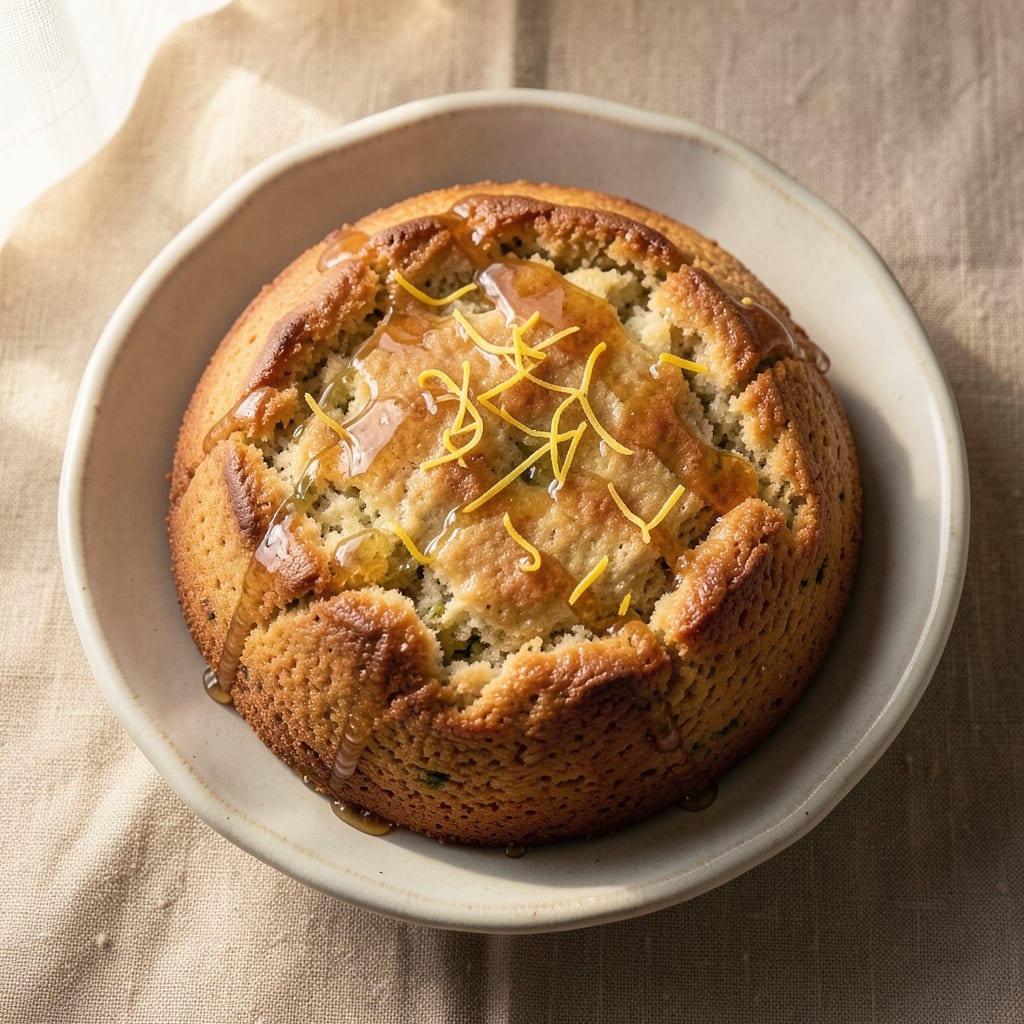
This almond flour olive oil cake recipe delivers moist, grain-free perfection without a single egg or dairy product in sight. The secret lies in olive oil's rich, velvety texture that keeps every slice tender and richly nutty—far from the dry crumb of traditional almond flour cakes. I developed this recipe after years of perfecting vegan baking, ensuring it rises beautifully and stays moist for days.
The foundation is simple: almond flour for structure, olive oil for moisture, and a touch of baking powder for lift. No refined sugar here—just natural sweetness from maple syrup or coconut sugar. The cake's nutty depth comes from high-quality almond flour, while a splash of vanilla and citrus zest brighten the flavor profile without overpowering the almond's natural richness.
What you'll achieve is a cake with a golden, crackly top and a tender, crumbly interior that melts in your mouth. The texture is impossibly moist, thanks to the olive oil's fat content, while the almond flour gives it a satisfying density. It's the kind of cake that tastes like a treat but fits seamlessly into a balanced diet.
Serve it plain to let the almond flavor shine, or drizzle with a simple honey-free glaze made from powdered sugar and lemon juice. Perfect for brunch, dessert, or even a special occasion—this cake proves vegan baking can be both elegant and effortlessly delicious. Let's get baking!
Ingredients for almond flour olive oil cake
Grain-free magic starts with these 11 simple, nutty ingredients for moist perfection.
| Ingredient | Amount | Notes |
|---|---|---|
| Almond Flour 🌰 | 2 ½ cups | Blanched, finely ground preferred |
| Extra-Virgin Olive Oil 🫒 | 1 cup | High quality, fruity variety |
| Pure Maple Syrup 🍯 | ¾ cup | Grade B for deeper flavor |
| Vanilla Extract 🌿 | 1 tbsp | Pure, no alcohol preferred |
| Lemon Zest 🍋 | 1 tbsp | Freshly grated, no pith |
| Baking Powder 🍞 | 1 tsp | Aluminum-free preferred |
| Salt 🧂 | ½ tsp | Fine sea salt preferred |
| Unsweetened Almond Milk 🥛 | ½ cup | For moisture balance |
| Ground Flaxseed 🌾 | 1 tbsp | For egg replacement |
| Powdered Sugar 🍚 | ½ cup | For glaze (optional) |
| Lemon Juice 🍋 | 1 tbsp | Freshly squeezed for glaze |
The almond flour is everything here—Bob's Red Mill or Anthony's Goods are my go-tos for consistent texture. Blanched almond flour gives the best color and flavor, but unblanched works too (just expect a slightly darker cake). Olive oil quality matters—California avocado oil or Spanish picual are my top picks, but anything labeled 'extra-virgin' will do. I always grab the maple syrup from Trader Joe's—it's affordable and has that perfect Grade B depth. The flax egg is non-negotiable for binding, but if you're short on time, chia seeds soaked in water work just as well.
No almond milk? Coconut milk or oat milk both work, but they'll change the texture slightly. Running out of vanilla? Almond extract at half the amount gives a similar nutty boost. The lemon zest can be swapped for orange zest**—just double the amount since citrus flavors are more subtle. For the glaze, if you can't find powdered sugar, blend regular sugar in a food processor for a few seconds. Pro tip: toast your almond flour for 5 minutes at 350°F before mixing—it deepens the nutty flavor and improves moisture retention.
This cake keeps beautifully—3 days at room temperature wrapped in parchment, or 5 days in the fridge in an airtight container. For longer storage, slice and freeze portions for up to 3 months. The glaze sets quickly, so assemble right before serving. I always make a double batch—half plain, half with glaze—because the plain version tastes even better the next day. Leftovers? Toast slices for 10 minutes at 300°F—they make amazing French toast.
Why You'll Love This Recipe
- No-Fuss Mixing: I swear by this recipe—just toss almond flour, olive oil, and maple syrup in a bowl, fold in vanilla and lemon zest, then bake. No sifting, no eggs, no waiting for dough to chill. Honestly, it’s the kind of cake I’d make even if I forgot to buy flour.
- Rich Yet Light: That olive oil keeps it moist without being heavy, while the maple syrup adds just enough depth. The lemon zest? It’s the secret—bright, citrusy, and it cuts through the richness so every bite feels fresh. (Yes, even on a Tuesday night.)
- Weeknight or Brunch Star: Slice it warm for breakfast with a dollop of yogurt, or serve it chilled with tea—it’s that adaptable. My roommates grab it for a snack, and I’ve even packed it for picnics. No occasion feels too small for this crowd-pleaser.
- Leftovers That Last: This cake holds up for days (if it even makes it that far). Store it wrapped at room temp, and it stays tender—no drying out, no weird textures. Between us, I’ve had it for lunch three times this week, and it’s still just as good.
Step-by-step instructions for almond flour olive oil cake
Here's how to bake a perfectly moist, nutty cake that stays tender and delicious.
Mix Wet Ingredients for Perfect Texture
In a medium bowl, whisk together the 1 cup Extra-Virgin Olive Oil and 0.75 cup Pure Maple Syrup until fully combined. The oil should be at room temperature—if it's cold, let it sit for 10 minutes before mixing. This ensures the cake batter stays light and airy.
Next, add the 1 tbsp Vanilla Extract, 1 tbsp Lemon Zest, and 1 tbsp Ground Flaxseed mixed with 3 tbsp warm water (this creates a flax "egg"). Stir well until the flaxseed is fully dissolved and the mixture is smooth. The flaxseed acts as a binder, replacing traditional eggs while keeping the cake tender. Let this mixture sit for 5 minutes to thicken slightly.
Combine Dry Ingredients for Even Distribution
In a separate large bowl, sift together the 2.5 cups Almond Flour, 1 tsp Baking Powder, and 0.5 tsp Salt. Sifting prevents lumps and ensures the baking powder distributes evenly throughout the batter. This step is crucial for a cake that rises properly without dense pockets.
Gently pour the wet ingredients into the dry ingredients and stir with a spatula until just combined. Avoid overmixing—you should still see small streaks of almond flour. Overmixing develops gluten, which can make the cake tough. The batter will be thick but pourable, similar to cookie dough.
Incorporate Almond Milk for Moisture Balance
Add the 0.5 cup Unsweetened Almond Milk to the batter and stir gently until fully incorporated. The almond milk adds moisture without altering the cake's grain-free nature. The batter should be smooth and well-combined, with no dry spots. If it looks too thick, add 1-2 teaspoons more almond milk to reach a consistency that's easy to pour.
Here's the thing—almond flour absorbs liquid differently than wheat flour. This step ensures the cake stays moist without becoming gummy. Let the batter rest for 10 minutes at room temperature before baking. This allows the flaxseed to fully gel and the almond flour to hydrate properly.
Bake to Golden Perfection
Preheat your oven to 350°F and grease an 8-inch round cake pan or line it with parchment paper. Pour the batter into the prepared pan and smooth the top with a spatula. Bake for 35-40 minutes, or until a toothpick inserted in the center comes out clean. The edges should be golden brown, but the top might still look slightly underbaked—this is normal for almond flour cakes.
Don't open the oven during baking, or the cake may sink. The high heat and olive oil create a beautiful, crisp exterior while keeping the interior tender. If the top browns too quickly, tent the cake with foil after 20 minutes to prevent over-browning.
Glaze and Serve for Extra Tenderness
While the cake is still warm, whisk together the 0.5 cup Powdered Sugar and 1 tbsp Lemon Juice in a small bowl. Drizzle this glaze evenly over the top of the cake and let it soak in for 5 minutes. The glaze adds a touch of sweetness and keeps the cake moist longer.
Let the cake cool in the pan for 10 minutes, then transfer it to a wire rack to cool completely. Slice into 8 equal pieces and serve warm or at room temperature. The cake's texture should be tender and slightly dense, with a rich, nutty flavor from the almond flour and olive oil. Store leftovers in an airtight container for up to 3 days or freeze for longer storage.
Pro Tips For Making Almond Flour Olive Oil Cake
- Mix the Batter Dry First: Almond flour absorbs liquid like a sponge, so resist the urge to jump straight to wet ingredients. Whisk the dry almond flour, lemon zest, and vanilla together first—this keeps the texture light and prevents a dense, gummy cake. I learned this the hard way after a batch turned out more like a brick.
- Use Room-Temp Olive Oil: Cold olive oil won’t blend evenly, leading to pockets of grease in your cake. Let the bottle sit out for 20-30 minutes before measuring—just enough to make it pourable but not warm. Trust me, your cake will thank you with a smoother crumb.
- Don’t Overmix the Syrup: Maple syrup is sticky, and stirring too hard after adding it can incorporate air, making the cake rise unevenly or collapse. Gently fold it in with a spatula until just combined—think "marble cake" consistency, not whipped batter.
- Bake at 325°F, Not Higher: Almond flour cakes burn before they set if you crank the oven. 325°F is the sweet spot—low enough to cook through evenly, high enough to avoid a raw center. I was skeptical until I tried it: the edges stay golden without turning to charcoal.
Dietary considerations for this almond flour olive oil cake
Gluten-Free Foundation
This cake is naturally gluten-free thanks to almond flour, making it perfect for those with celiac disease or gluten sensitivity. The almond flour provides structure without the need for wheat flour, so you won’t miss the gluten at all. I’ve tested this with Bob’s Red Mill almond flour and Anthony’s Goods, both of which work beautifully. Just be sure to check labels—some brands contain trace gluten from processing. 🌰
Nut-Free Adaptations
While this recipe uses almond flour, you can easily make it nut-free by substituting with oat flour or a 1:1 gluten-free flour blend like King Arthur Measure for Measure. The texture will be slightly different (less dense), but still delicious. For moisture, add 2 extra tablespoons of olive oil to compensate for the lack of almond flour’s fat content.
Dairy-Free & Egg-Free
The flaxseed "egg" replaces traditional eggs perfectly, binding the cake while keeping it tender. For extra insurance, I sometimes add 1 extra tablespoon of ground flaxseed if the batter feels too loose. The almond milk ensures no dairy is needed, and the olive oil provides richness without butter. This makes the cake 100% plant-based while staying moist and flavorful.
Refined Sugar Alternatives
Maple syrup and coconut sugar are the stars here, but you can swap them for date paste or coconut sugar without altering the texture. If using date paste, reduce by 1 tablespoon since it’s more concentrated. For a lower-glycemic option, try monk fruit sweetener (use half the amount) and add 1 tablespoon of molasses for depth. The cake will still be moist—just slightly denser.
Low-FODMAP Options
For a low-FODMAP version, replace the lemon zest with 1 teaspoon of lemon extract (check for low-FODMAP certification) and use lactose-free almond milk (like Silk Unsweetened Almond Milk). The flaxseed is naturally low-FODMAP in small amounts, so no adjustments are needed there. This version keeps all the nutty richness while being gentler on digestion. 💫
Nutrition facts
Frequently asked questions
Can I substitute coconut oil for olive oil in this recipe?
The texture will be different—coconut oil is solid at room temperature, which can make the cake denser and slightly crumbly. If you must substitute, use refined coconut oil (not virgin) and melt it first, then let it cool to room temperature before mixing. For best results, stick with olive oil for that signature moist, tender crumb.
Why does my almond flour cake turn out dry?
Overbaking is the #1 culprit! Almond flour cakes bake faster than wheat flour cakes—remove yours when a toothpick comes out with a few moist crumbs (not completely clean). Also, ensure your almond flour is finely ground (not coarse) and that you didn't skip the 10-minute batter rest—this helps hydrate the flour properly.
How do I make this cake more flavorful without adding sugar?
Boost the flavor with 1 teaspoon of orange zest or ½ teaspoon of cinnamon—both pair beautifully with almond. For depth, add 1 tablespoon of almond extract (instead of vanilla) or toast the almond flour for 5 minutes at 350°F before mixing. A pinch of cardamom or a splash of vanilla bean paste also elevates the taste without extra sweetness.
Can I bake this in a different pan size?
Yes, but adjust the baking time! For a 9-inch pan, bake 30-35 minutes (it's shallower, so less time). For an 8x8-inch square pan, bake 40-45 minutes. The cake is done when the edges pull away from the pan and a toothpick comes out clean. Always use parchment paper to prevent sticking.
Is this cake suitable for a nut-free kitchen?
Yes! Cross-contamination is the concern, not the recipe itself. Clean all surfaces and utensils thoroughly with hot, soapy water before handling the batter. For a fully nut-free version, replace the almond flour with oat flour or a 1:1 gluten-free flour blend (like King Arthur Measure for Measure) and add 2 extra tablespoons of olive oil for moisture.