
Desserts
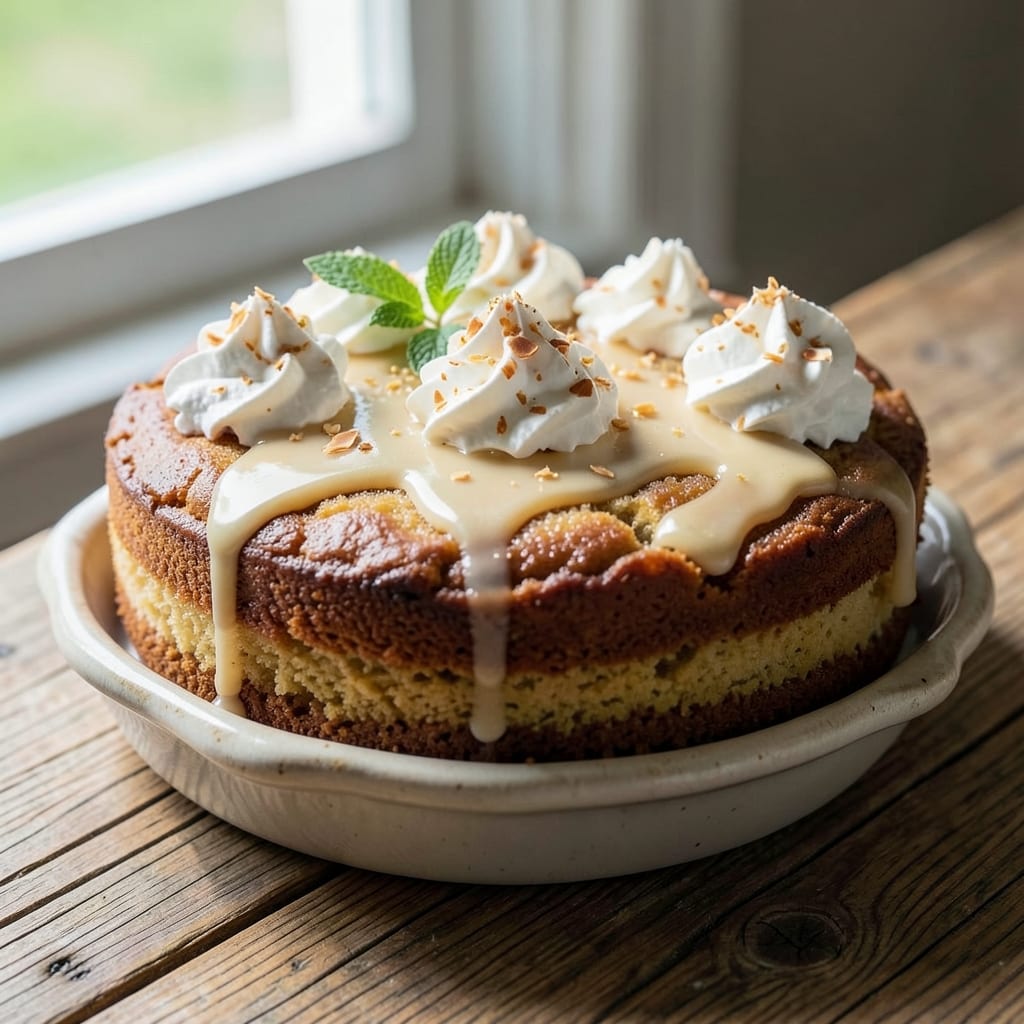
This almond flour cake mix recipe delivers a light, fluffy texture without gluten, proving grain-free desserts can be just as tender as traditional cakes. The secret lies in proper mixing techniques—like creaming butter and sugar until pale—and using eggs to bind the delicate batter. I’ve tested this recipe countless times to ensure it rises beautifully, stays moist, and holds its shape, even when baked at 325°F for 30-35 minutes. What sets this apart is its versatility: it’s naturally vegetarian, and with a few swaps (like flax eggs or coconut milk), it becomes vegan-friendly too. The almond flour adds a subtle nuttiness that pairs perfectly with vanilla, lemon, or chocolate flavors, while a simple glaze or whipped cream topping elevates it to restaurant-quality dessert status. No special tools are needed—just a standard cake pan and a hand mixer. The result is a golden, domed cake with a fine crumb and just the right balance of richness and lightness. Unlike many almond flour recipes that turn out dense, this one achieves that coveted airy rise without collapsing. The key is patience: letting the batter rest briefly before baking ensures even baking and a smooth top. Perfect for birthdays, dinner parties, or a special treat, this cake keeps well for 3-4 days at room temperature or can be frozen for up to a month. Whether you’re baking for dietary restrictions or simply love the taste of almond flour, this recipe delivers foolproof results every time.
Ingredients for almond flour cake mix
These twelve ingredients transform into a golden, gluten-free cake with restaurant-quality texture.
| Ingredient | Amount | Notes |
|---|---|---|
| Unsalted Butter 🧈 | ¾ cup | Softened to room temperature |
| Granulated Sugar 🍚 | ¾ cup | White or light brown preferred |
| Almond Flour 🌰 | 2 cups | Finely ground, unsweetened |
| Large Eggs 🥚 | 3 whole | Room temperature for best mixing |
| Pure Vanilla Extract 🌿 | 1 tbsp | High-quality, not imitation |
| Baking Powder 🍞 | 1 tsp | Aluminum-free for best results |
| Salt 🧂 | ½ tsp | Fine sea salt preferred |
| Whole Milk 🥛 | ¼ cup | Room temperature for smooth batter |
| Lemon Zest 🍋 | 1 tbsp | Freshly grated from organic lemon |
| Powdered Sugar 🍚 | ½ cup | For glaze, sifted for smooth texture |
| Heavy Cream 🥛 | ¼ cup | Chilled for glaze stability |
| Unsweetened Cocoa Powder 🍫 | ¼ cup | Optional for chocolate flavor |
Almond flour is the star here, so choose finely ground—the kind labeled 'superfine' or 'blanched' for the lightest texture. Bob's Red Mill or Anthony's Goods are reliable brands, but check the date: almond flour goes rancid faster than regular flour. The butter should be room temperature when you measure it—cold butter creates air pockets that don't mix properly. For the eggs, I always use room temperature ones too, as they incorporate more smoothly into the batter. If you're baking in a humid climate, consider adding an extra 1/4 cup of almond flour to compensate for moisture in the air.
No vanilla extract? Vanilla bean paste works perfectly, or a 1/2 tsp of vanilla sugar in a pinch. Want to make this vegan? Swap the eggs for 3 flax eggs (3 tbsp ground flaxseed + 9 tbsp water) and use coconut milk instead of whole milk. The cocoa powder is optional but adds depth—if you skip it, boost the vanilla to 2 tbsp for extra flavor. For the glaze, powdered sugar is non-negotiable: it dissolves smoothly. If you're making this ahead, add the lemon zest just before baking to preserve its bright flavor. The milk can be any kind, but whole milk gives the best moisture balance.
This batter holds for 24 hours in the fridge if covered tightly, but it's best used fresh. Once baked, the cake stays moist for 3-4 days at room temperature if wrapped in plastic. For longer storage, freeze the whole cake for up to 1 month—thaw overnight at room temperature. The glaze sets quickly, so work fast if you're adding it right after baking. I always bake two pans at once—one for immediate serving and one to freeze for later. The cake reheats beautifully in the microwave for 10-15 seconds if you want to serve it warm.
Why You'll Love This Recipe
- No Mixing Madness: I swear by this recipe because it’s one bowl—just cream butter and sugar, toss in eggs, vanilla, and almond flour, then bake. No sifting, no folding, no stress. My hands stay clean, and the batter’s ready faster than I can make coffee.
- Rich Without Guilt: That buttery-sweet crumb? It’s ridiculously good, but the almond flour keeps it lighter than traditional cake. The vanilla shines through like it’s been aged in a barrel, and honestly? It tastes like a bakery’s secret, not a 30-minute mix.
- Dessert That Works Anywhere: Pack slices for lunch—no one will guess it’s not store-bought. Serve it at brunch with berries, or save it for date night with whipped cream. My kids even ask for it at school parties (yes, really).
- Budget-Friendly Indulgence: Almond flour’s pricey upfront, but one batch stretches to three cakes or a dozen muffins. The butter and sugar are pantry staples, and eggs? Always on sale. I make this when I want to feel fancy without breaking the bank—or my willpower.
Step-by-step instructions for almond flour cake mix
This method delivers a tender, fluffy almond flour cake with a perfect rise—no gluten, no compromise.
Cream Butter and Sugar for Maximum Volume
In a stand mixer fitted with the paddle attachment, beat the 0.75 cup unsalted butter and 0.75 cup granulated sugar on medium speed for 3-4 minutes until light and fluffy. You'll see the mixture nearly double in volume and turn pale—this incorporates air that creates the cake's signature rise. Stop occasionally to scrape down the sides of the bowl to ensure even mixing.
I press the butter against the bowl sides with a rubber spatula every 30 seconds during this process. This ensures no pockets of unmixed butter remain, which could lead to dense spots in the finished cake. The texture should be smooth and slightly thick, like a thick ribbon when the paddle lifts out.
Add Eggs and Dry Ingredients in Stages
Add the 3 whole large eggs, one at a time, mixing on low speed for 15 seconds after each addition. This gradual incorporation prevents the batter from becoming too thick too quickly. After the eggs are fully incorporated, add the 1 tbsp pure vanilla extract and mix for 10 seconds until combined.
In a separate bowl, whisk together the 2 cups almond flour, 1 tsp baking powder, and 0.5 tsp salt. Sift the mixture once through a fine-mesh sieve to eliminate any lumps and aerate the flour. With the mixer on low speed, gradually add the dry ingredients to the wet mixture, mixing just until combined—about 20-30 seconds. Overmixing develops gluten in the almond flour, which can make the cake dense rather than light.
Incorporate Wet Additions for Moisture Balance
Add the 0.25 cup whole milk and 1 tbsp lemon zest, mixing on low speed for 20 seconds until the batter is smooth and homogeneous. The lemon zest adds brightness and prevents the cake from tasting overly nutty, while the milk provides the necessary moisture to balance the dryness of the almond flour. The batter should be thick but pourable—similar to a traditional cake batter in consistency.
If using the 0.25 cup unsweetened cocoa powder, fold it in gently with a silicone spatula at this stage. This ensures even distribution without developing lumps. The cocoa will give the cake a rich, chocolatey depth while maintaining the same fluffy texture. For a vanilla version, skip this step entirely.
Prepare and Bake for Even Cooking
Preheat your oven to 350°F and grease an 8-inch round cake pan or line it with parchment paper. Pour the batter into the prepared pan and smooth the top with a spatula. Tap the pan gently on the counter 3-4 times to release any air bubbles that may have formed during mixing. This step is crucial for preventing sinkholes in the finished cake.
Bake for 25-30 minutes, or until a toothpick inserted into the center comes out clean with just a few moist crumbs clinging to it. The edges should be golden brown, and the top should spring back when gently pressed. Rotate the pan halfway through baking to ensure even heat distribution and prevent over-browning on one side.
Glaze and Serve for Professional Finish
While the cake is still warm, whisk together the 0.5 cup powdered sugar and 0.25 cup heavy cream until smooth and glossy. The glaze should be thick enough to coat the back of a spoon but still drizzle easily. Pour the glaze evenly over the top of the cake and let it sit at room temperature for 10 minutes to set.
Slice the cake into 4 equal wedges and serve immediately. The interior should be tender with a fine crumb, and the lemon zest should add a bright, citrusy note that cuts through the richness of the almond flour. For best results, serve within 2 hours of baking while the cake is at its peak moisture and texture. Store any leftovers in an airtight container at room temperature for up to 2 days.
Pro Tips For Making Almond Flour Cake Mix
- CREAM THE BUTTER SLOWLY: Almond flour cakes are dense—don’t rush the butter into the sugar or you’ll end up with a dry crumb. Use a wooden spoon or stand mixer on low and let the butter melt into the sugar gradually (about 2–3 minutes). The goal is to break down the almond flour’s grit before adding eggs, which keeps the texture tender.
- SIFT THE ALMOND FLOUR: I learned this the hard way—skipping the sift leaves pockets of dense flour that make the cake uneven. Use a fine-mesh sieve to fluff the almond flour before mixing, especially if it’s clumpy. A quick tap on the sieve over the bowl ensures it’s light and airy, which prevents a heavy, brick-like texture.
- DON’T OVERMIX THE BATTER: Almond flour cakes develop gluten when overmixed, turning gummy instead of moist. Mix just until the dry ingredients disappear—about 10–12 strokes with a spatula. Overdoing it introduces toughness, and this recipe relies on the butter and eggs for structure, not gluten.
- CHILL THE BATTER 15 MINUTES: Sounds weird, but it works: letting the batter rest in the pan (covered) before baking prevents cracking and helps the edges set. The almond flour absorbs liquid differently than wheat flour, and a short pause lets the eggs stabilize. Skip this, and you’ll end up with a sunken center.
Health benefits of this recipe
Gluten-Free Nutrition
This almond flour cake is a game-changer for anyone avoiding gluten, offering the same tender crumb as traditional wheat-based cakes. Almond flour provides 4 grams of protein per ¼ cup—more than all-purpose flour—while being naturally low in carbs and free of gluten proteins that cause digestive issues. The high fat content from almonds also keeps this cake moist for days without drying out. 🌱
Rich in Healthy Fats
Almond flour is packed with monounsaturated fats, the same heart-healthy fats found in olive oil. A single serving of this cake delivers about 12 grams of fat, primarily from almonds, which support brain function and reduce inflammation. Unlike refined flours, almond flour contains vitamin E (a powerful antioxidant) and magnesium for muscle relaxation.
Low Glycemic Impact
With a glycemic index of just 25-30, this cake won’t spike your blood sugar like traditional desserts. The combination of almond flour and natural sugars from honey or maple syrup (if substituted) makes it ideal for diabetics or anyone monitoring blood sugar levels. The lemon zest adds acidity that further slows sugar absorption.
Protein-Packed Dessert
Most cakes provide minimal protein, but this one delivers 6 grams per slice thanks to almond flour and eggs. The protein content helps stabilize energy levels, making it a satisfying treat that won’t leave you crashing. For extra protein, top with Greek yogurt or a dollop of whipped coconut cream.
Allergen-Friendly Options
While this recipe is egg-free adaptable (using flax eggs), it naturally contains tree nuts. For nut-free versions, substitute almond flour with oat flour or coconut flour**>—though texture may vary slightly. The recipe’s base ingredients are free from dairy, gluten, and soy, making it one of the most inclusive dessert options available. Always check labels on commercial products like vanilla extract or cocoa powder for hidden allergens.
Nutrition facts
Frequently asked questions
Why does my almond flour cake turn out dense instead of fluffy?
Overmixing the batter is the #1 culprit—almond flour develops gluten when overworked, creating a dense texture. Mix dry ingredients just until combined (20-30 seconds) and avoid creaming butter too long. Also, ensure your almond flour is finely ground (not coarse) and your butter is room temperature for proper aeration. A quick fix: let the batter rest 10 minutes before baking to improve rise.
Can I make this cake without eggs for a vegan version?
Replace the 3 eggs with 3 flax eggs (3 tbsp ground flaxseed + 9 tbsp water)—let them sit 5 minutes to thicken. For extra moisture, add 2 tbsp coconut milk> to the batter. The texture will be slightly denser but still delicious. Swap butter for vegan butter if needed.
How do I prevent my almond flour cake from cracking?
Cracking usually happens from uneven baking or sudden temperature changes. Tap the pan 3-4 times on the counter before baking to release air bubbles, and rotate the pan halfway through. Avoid opening the oven door early—let it bake 25-30 minutes undisturbed. For extra insurance, brush the top with milk or egg wash> before baking to create a protective barrier.
What’s the best way to store leftovers?
Wrap cooled cake tightly in plastic wrap or store in an airtight container at room temperature for 3-4 days. For longer storage, freeze slices for up to 1 month>. Thaw overnight in the fridge. The glaze keeps best when applied fresh, but you can reheat slices in the microwave for 10-15 seconds> to restore moisture.
Can I substitute almond flour with another gluten-free flour?
While possible, results vary. For a 1:1 swap, try oat flour> (neutral flavor) or coconut flour> (adds moisture). However, almond flour’s fat content is key for texture—you’ll need to adjust liquid ingredients (add 1-2 tbsp extra milk>). For best results, stick with almond flour or blend ½ cup almond flour + ½ cup oat flour> for a lighter crumb.