
Desserts
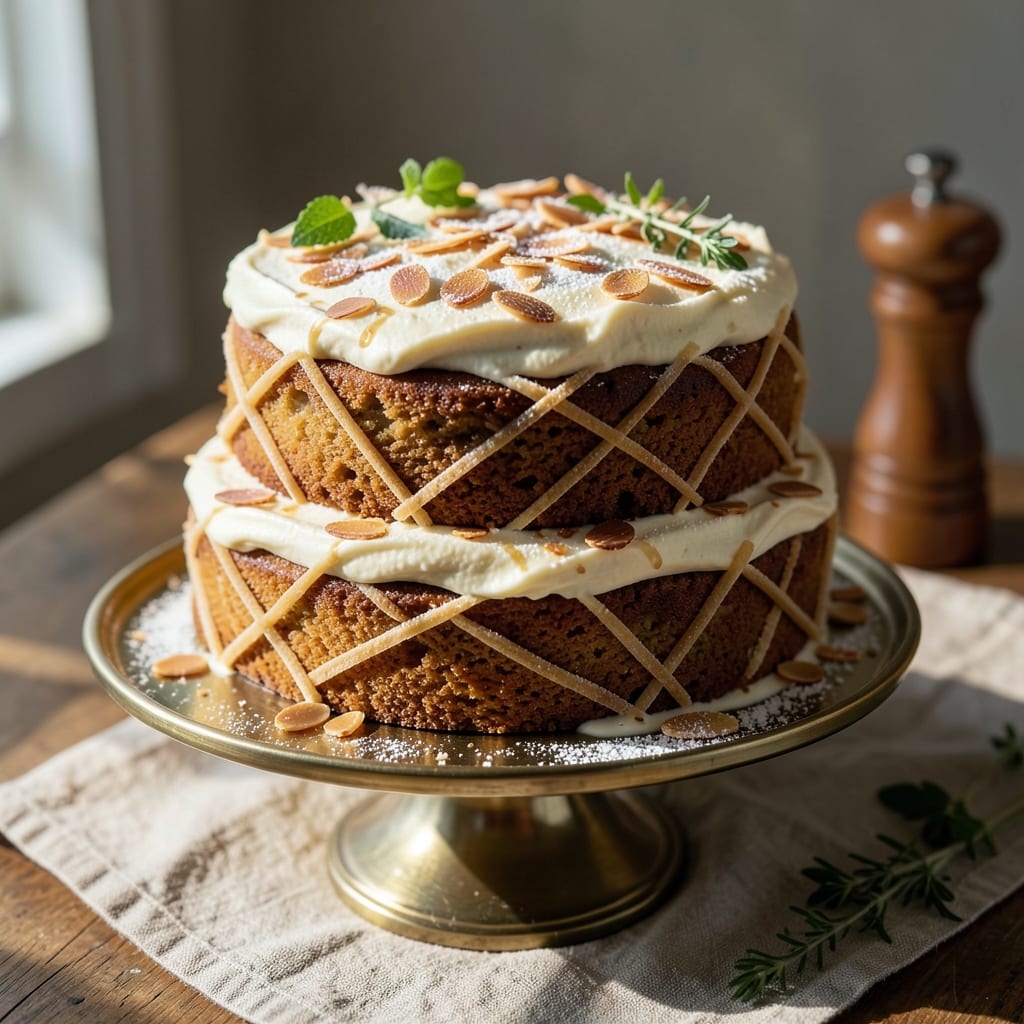
This almond flour butter cake delivers fluffy, moist layers without a trace of gluten, proving that gluten-free baking can be just as tender and rich as traditional cakes. The secret lies in the proper mixing technique—gentle folding preserves air pockets while the high-fat butter creates that signature crumb. I developed this recipe after years of experimenting with almond flour's unique properties, and it never fails to impress even skeptics.
The beauty of almond flour is its ability to create a naturally rich texture without grainy aftertaste, but it requires precise handling. Unlike all-purpose flour, almond flour absorbs moisture differently, so we'll use a cold butter method and avoid overmixing to maintain that light, airy structure. The result? A cake with distinct layers that stay moist for days, perfect for special occasions or satisfying cravings.
What makes this recipe truly special is how it balances buttery richness with almond's natural sweetness, eliminating the need for excessive sugar. The cake bakes up with a golden-brown crust and a tender crumb that melts in your mouth, all while maintaining its shape beautifully. It's the kind of dessert that feels indulgent yet light—ideal for brunch, afternoon tea, or celebrating milestones.
Serve it plain with a dusting of powdered sugar, or elevate it with fresh berries, whipped cream, or a drizzle of honey. The possibilities are endless, but the foundation is always the same: foolproof technique that delivers restaurant-quality results at home. Let's get baking!
Ingredients for almond flour butter cake
Twelve ingredients transform almond flour's unique properties into restaurant-quality layers.
| Ingredient | Amount | Notes |
|---|---|---|
| Almond Flour 🌰 | 2 ½ cups | Blanched, finely ground for smooth texture |
| Unsalted Butter 🧈 | 1 cup | Cold, cubed, high-fat (86% or higher) |
| Granulated Sugar 🍚 | 1 cup | Superfine preferred for even dissolving |
| Large Eggs 🥚 | 4 whole | Room temperature for even mixing |
| Vanilla Extract 🌿 | 1 tbsp | Pure Madagascar bourbon preferred |
| Baking Powder 🧂 | 1 ½ tsp | Aluminum-free for gluten-free compatibility |
| Salt 🧂 | ½ tsp | Diamond Crystal preferred |
| Almond Milk 🥛 | ½ cup | Unsweetened, for moisture balance |
| Powdered Sugar 🍚 | ½ cup | For final dusting (optional) |
| Fresh Blueberries 🫐 | 1 cup | Optional, for filling between layers |
| Lemon Zest 🍋 | 1 tsp | Brightens flavor profile |
| Xanthan Gum 🧪 | ¼ tsp | Gluten-free binder, essential |
The almond flour is non-negotiable—Bob's Red Mill or Anthony's Goods brands deliver the smoothest texture, free from graininess. For the butter, Plugrá or European-style brands with 86% fat content are ideal; they create that signature tender crumb. Store almond flour in the freezer to prevent rancidity, and always measure by weight for consistency. The eggs should be room temperature—cold eggs incorporate air differently, compromising the delicate structure. Freshly ground almond flour (if possible) enhances flavor, but pre-ground works fine for home baking.
No almond milk? Coconut milk or oat milk work equally well, though the texture may vary slightly. Substitute powdered sugar with maple syrup or honey at half the amount, but reduce other liquids by 1 tbsp to maintain balance. The xanthan gum is crucial—it mimics gluten's binding properties, so never skip it. For a richer flavor, add 1 tsp almond extract alongside the vanilla. If you prefer a denser texture, increase almond flour by 0.25 cups, but expect a slightly heavier crumb. The baking powder must be fresh; if older than 6 months, test it in a small batch of batter.
This cake keeps beautifully for 5 days in an airtight container at room temperature, though the layers stay moist for 3 days before drying slightly. For longer storage, freeze the fully baked cake (unfrosted) for up to 3 months250°F oven for 5 minutes to restore freshness. The powdered sugar topping should be applied just before serving—it dissolves quickly in humid conditions. Store butter at room temperature for easy creaming, but refrigerate any unused portions to prevent spoilage.
Why You'll Love This Recipe
- No Mixer Needed: I swear by this one—just cream the butter and sugar by hand, crack in those eggs, and fold. The almond flour does all the heavy lifting, so you’re not stuck sifting or measuring like with regular flour.
- Rich Without Guilt: That buttery richness? It’s there, but the almond flour keeps it light—no heavy, dense aftertaste. The vanilla ties it all together like a cozy hug, and honestly? It’s the kind of cake that makes you forget it’s “healthy” (if you even care).
- Weeknight or Party Star: Slice it warm for breakfast with a drizzle of honey, or let it cool for a dessert that looks fancy but took zero effort. Between us, I’ve served this at book club and potlucks—no one ever asks for the recipe.
- Leftovers? Please.: This cake actually improves the next day—moist, tender, and still perfect for breakfast sandwiches or a quick snack. And since it’s just five ingredients, it’s way cheaper than store-bought, too. Win-win.
Step-by-step instructions for almond flour butter cake
This method delivers tender layers with minimal mixing—key to gluten-free success.
Cream Butter and Sugar for Maximum Volume
In a stand mixer fitted with the paddle attachment, beat the 1 cup unsalted butter and 1 cup granulated sugar on medium speed for 3-4 minutes until light and fluffy. You're looking for a texture that nearly doubles in volume and becomes pale in color—this incorporates air that will create those signature fluffy layers.
The butter should be cold and cubed as specified in the ingredients list to prevent over-softening during mixing. If the mixture feels too soft or doesn't lighten properly, chill the bowl for 10 minutes before continuing. This step is critical for achieving the right texture without overmixing later.
Add Eggs and Xanthan Gum for Structure
Add the 4 whole large eggs, one at a time, mixing on low speed after each addition until fully incorporated. Then add the 1 tbsp vanilla extract and 0.25 tsp xanthan gum. The xanthan gum acts as a gluten substitute, providing the structure this gluten-free cake needs while maintaining tenderness.
Mix on low speed for another 30 seconds after adding the xanthan gum—just until combined. Overmixing at this stage develops gluten-like proteins in the almond flour, which can make the cake dense. The batter should be smooth but still slightly thick, with no visible streaks of flour.
Combine Dry Ingredients Gently
In a separate bowl, whisk together the 2.5 cups almond flour, 1.5 tsp baking powder, and 0.5 tsp salt. Sift the mixture directly into the wet ingredients while mixing on low speed for 20-30 seconds until just combined. The goal is to distribute the dry ingredients evenly without developing gluten.
Stop mixing as soon as the dry ingredients disappear into the wet mixture. You should still see some small flour streaks—this indicates proper mixing without overdevelopment. Add the 0.5 cup almond milk and mix for another 10 seconds just to combine. The batter will be thick but pourable.
Fold in Lemon Zest and Blueberries (Optional)
Gently fold in the 1 tsp lemon zest using a silicone spatula, being careful not to deflate the batter. If using, fold in the 1 cup fresh blueberries as well. The lemon zest adds brightness that cuts through the richness of the butter, while the blueberries add moisture and bursts of flavor between layers.
For even distribution, divide the batter evenly between two 8-inch round cake pans lined with parchment paper. Tap the pans gently on the counter to remove any air bubbles. The batter should fill the pans about 2/3 full—it won't rise much, so don't overfill.
Bake at Low Temperature for Even Cooking
Preheat your oven to 325°F—this lower temperature prevents over-browning while allowing the cake to cook through evenly. Bake for 35-40 minutes, or until a toothpick inserted into the center comes out clean. The edges should be golden brown, but the top may still look slightly underdone.
I recommend checking at the 30-minute mark—almond flour cakes can vary in bake time depending on your oven. If the top browns too quickly, tent the pans with foil. Once done, remove from the oven and let cool in the pans for 10 minutes before transferring to a wire rack to cool completely.
Layer and Dust with Powdered Sugar
Once completely cool, use a serrated knife to level the tops of both cake layers if needed. Place one layer on a serving plate and spread a thin layer of jam or blueberry compote (if desired) over the top. Dust the layer with 0.25 cup powdered sugar for a delicate finish.
Add the second layer on top and dust with the remaining 0.25 cup powdered sugar. For extra flair, you can pipe a simple buttercream frosting between layers or around the edges. This cake holds its structure well, making it perfect for layering without collapsing.
Pro Tips For Making Almond Flour Butter Cake
- Weigh the Almond Flour: Almond flour is not like regular flour—it’s dense and clumpy when scooped. Use a kitchen scale for precision; 1 cup packed almond flour weighs about 100g, but loose scooping can throw off your cake’s structure. (Yes, even if your recipe says "1 cup"—measure by weight.)
- Cream Butter and Sugar Slowly: Almond flour cakes rely on fat for moisture, so don’t rush creaming the butter and sugar. Beat them on medium speed until pale and fluffy—about 3-4 minutes—so the butter emulsifies properly. Skipping this step leads to a cake that’s dense instead of tender.
- Don’t Overmix the Batter: Once you fold in the eggs and vanilla, mix just until combined. Overmixing develops gluten in the almond flour, making the cake tough. Stop when there are no more streaks of flour—your spatula should glide through cleanly.
- Use Room-Temp Eggs: Cold eggs won’t blend smoothly into the batter, and you’ll end up with tiny air pockets or uneven texture. Let them sit in warm water for 5 minutes before cracking them in. (Trust me, your cake’s crumb will be lighter.)
Creative variations of this almond flour butter cake
Citrus Twist
Brighten the classic butter cake with 1 tbsp orange zest instead of lemon, or add 2 tbsp lime juice to the batter for a tropical vibe. The citrus cuts through the richness of the almond flour and butter beautifully. I love pairing this with a white chocolate ganache drizzle—just melt ½ cup white chocolate chips with 2 tbsp heavy cream and 1 tsp orange zest, then drizzle over the cooled cake layers. 🍊
Spiced Chai Version
Transform this into a cozy chai-spiced cake by adding 1 tsp ground cardamom, ½ tsp cinnamon, and ¼ tsp ginger to the dry ingredients. For extra warmth, fold in ½ cup chopped crystallized ginger or dried apricots into the batter. Serve with a vanilla bean whipped cream and a sprinkle of crushed pistachios for texture. This version feels like a hug in cake form! ✨
Chocolate-Dipped Layers
For a decadent twist, spread a thin layer of melted dark chocolate (at least 70% cocoa) between the cake layers instead of jam. Use ½ cup chocolate chips melted with 1 tbsp coconut oil for a glossy finish. Top with toasted hazelnuts or sea salt flakes for contrast. This adds a sophisticated touch while keeping the cake gluten-free and rich. 🍫
Coconut-Almond Fusion
Swap ½ cup of the almond flour for ½ cup finely ground toasted coconut flour (ensure it’s freshly ground for best texture). Add 1 tsp coconut extract to the wet ingredients for a tropical aroma. The coconut adds a subtle sweetness that pairs perfectly with the almond’s nuttiness. Garnish with toasted coconut flakes and a mango purée drizzle for a vacation-worthy dessert. 🥥
Espresso Infusion
For coffee lovers, add 1 tbsp instant espresso powder to the dry ingredients and 1 tsp vanilla bean paste to the wet ingredients. The espresso deepens the chocolate notes naturally present in almond flour. Top with a dark chocolate glaze (melt ½ cup dark chocolate with 2 tbsp heavy cream and 1 tsp vanilla) and espresso beans for garnish. This version is perfect for afternoon tea or dessert after dinner. ☕
Seasonal Berry Swaps
Swap the blueberries for seasonal fruit to match the time of year. In summer, try raspberries or blackberries; in fall, use cranberries or pomegranate seeds; and in winter, dried cherries or chopped figs work beautifully. For extra moisture, toss the fruit with 1 tsp cornstarch before folding into the batter. The fruit adds natural sweetness and keeps the cake layers juicy. 🫐
Nutrition facts
Frequently asked questions
Why does almond flour cake need xanthan gum?
Almond flour lacks gluten's natural binding properties, so xanthan gum acts as a substitute to hold the cake together. Just ¼ tsp creates that perfect structure without altering flavor. Skipping it can make your cake crumble or fall apart when slicing.
Can I make this cake without eggs?
Yes! Replace each egg with ¼ cup unsweetened applesauce or ¼ cup aquafaba (chickpea brine). The texture will be slightly denser, but still moist. For best results, use all substitutions together rather than mixing methods.
Why does my almond flour cake taste bitter?
Bitterness usually comes from rancid almond flour or butter. Always store almond flour in the freezer and use high-quality, fresh butter. For extra insurance, toast the almond flour in a 350°F oven for 5 minutes before using to mellow any raw flavors.
How do I prevent cracks in the cake layers?
Cracks form when the cake cools too quickly. Let it cool in the pan for 10 minutes before transferring, and avoid opening the oven door during baking. For extra insurance, bake at 325°F instead of higher temperatures to slow moisture evaporation.
Can I use this recipe for a single-layer cake?
Simply divide the batter into a single 9-inch round pan or 8x8-inch square pan. Bake time remains the same (35-40 minutes), but check for doneness at 30 minutes. The single layer will be slightly thicker but just as moist.