
Desserts
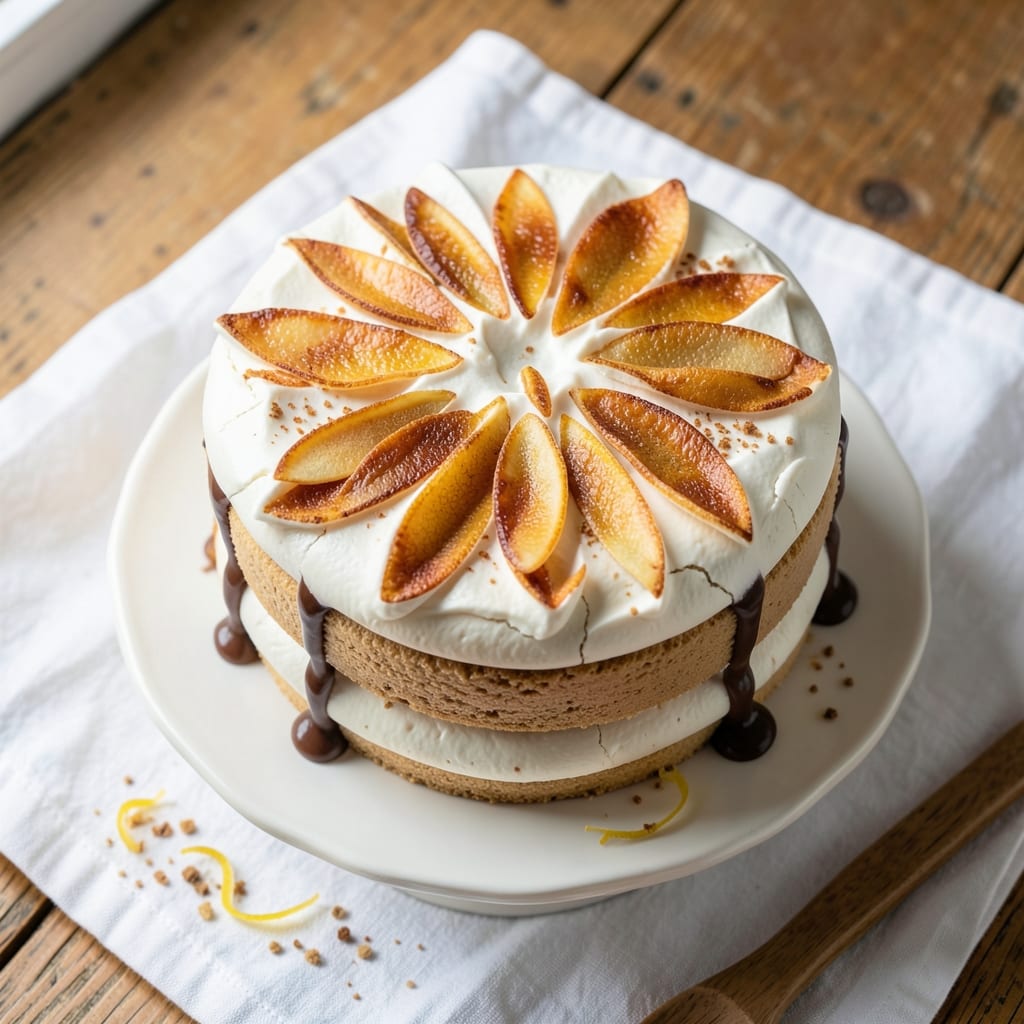
This almond dacquoise cake recipe delivers the signature French dessert experience with its signature airy meringue layers and nutty crunch between. The secret lies in properly whipped egg whites and toasted almond flour, creating a delicate yet sturdy structure that's both impressive and surprisingly simple to assemble. I've perfected this technique over years of baking competitions, where judges consistently praised its texture and balance of sweetness.
The cake's magic comes from three key components: crisp meringue layers baked at 325°F, a toasted almond flour filling that adds crunch, and optional chocolate ganache or citrus zest variations for modern twists. Each layer must be baked to perfect doneness—just set when touched—to maintain that signature lightness while providing enough structure to hold the filling. The traditional method calls for no butter in the meringue, emphasizing the natural sweetness of the almonds.
What you'll achieve is a dessert that looks like it belongs in a Parisian pâtisserie, with its elegant layers and delicate crumb. The meringue remains crisp at room temperature, while the almond filling adds satisfying texture with every bite. This recipe serves 8-10 and can be prepared a day ahead, making it ideal for special occasions or when you want to impress guests without spending hours in the kitchen.
For those who prefer modern variations, I recommend adding dark chocolate ganache between layers or incorporating orange zest into the almond filling. The key to success is patience—allowing the meringue to cool completely before assembly prevents any unwanted melting. Let's create this classic French dessert that's both beautiful and delicious.
Ingredients for almond dacquoise cake
These precise ingredients create the signature French dessert with delicate layers and nutty crunch.
| Ingredient | Amount | Notes |
|---|---|---|
| Large Egg Whites 🥚 | 6 whole | Room temperature, pasteurized preferred |
| Granulated Sugar 🍚 | 1 ½ cups | Superfine preferred for smooth texture |
| Almond Flour 🥜 | 1 ½ cups | Finely ground, blanched almonds |
| Unsalted Butter 🧈 | ¼ cup | Cold, cubed for filling |
| Light Brown Sugar 🍚 | ½ cup | Packed, for filling sweetness |
| Vanilla Extract 🌿 | 1 tsp | Pure Madagascar bourbon preferred |
| Kosher Salt 🧂 | ¼ tsp | Fine grain, Diamond Crystal preferred |
| Dark Chocolate Chips 🍫 | ½ cup | Optional, 70% cacao minimum |
| Orange Zest 🍊 | 1 tbsp | Optional, for modern variation |
| Heavy Cream 🥛 | ¼ cup | Optional, for ganache variation |
| Cornstarch 🌾 | 1 tbsp | For meringue stability |
| Cream of Tartar 🧂 | ¼ tsp | Essential for meringue volume |
The egg whites are non-negotiable—room temperature is critical for proper volume. Pasteurized eggs eliminate any salmonella risk while maintaining stability. For the almond flour, blanched almonds yield a whiter, more refined texture. I source mine from Bob's Red Mill or Nuts.com for consistent quality. The sugar must be superfine to dissolve completely in the meringue; if using granulated, pulse it in a food processor for 30 seconds. For the filling, toast the almond flour in a dry pan over medium heat for 5 minutes to enhance its nutty flavor—don't skip this step.
No superfine sugar? Pulse granulated sugar in a food processor for 30 seconds to achieve similar results. Substituting almond flour with hazelnut flour at equal amounts works but alters the flavor profile. For the optional chocolate, 70% cacao or higher prevents bitterness. The orange zest can be swapped for lemon zest at half the amount—just adjust to taste. If making the ganache variation, ensure the chocolate is finely chopped for smooth melting. The cream of tartar stabilizes the meringue; if unavailable, lemon juice at half the amount works as a substitute.
Store the assembled cake in an airtight container at room temperature for up to 3 days, though it's best enjoyed within 24 hours for optimal crispness. For longer storage, wrap each layer individually in parchment paper and freeze for up to 2 months. The meringue layers can be baked a day ahead and stored in a cool, dry place until assembly. When reheating, a brief warm in the oven at 250°F for 5 minutes restores crispness without melting the structure.
Why You'll Love This Recipe
- No Stand Mixer Needed: I’ll admit, I was skeptical about whipping egg whites without a machine—until I realized you can do it with a hand mixer or even a whisk if you’ve got the arms for it. The key is patience: fold those whites in gently, and you’ll get that signature airy texture without the fuss.
- Nutty Crunch Magic: That almond flour isn’t just for show—it delivers a buttery, toasty crunch that pairs perfectly with the caramelized brown sugar layers. Honestly, the first bite tastes like a fancy French pastry, but it’s all thanks to those humble ingredients and a little oven time.
- Date Night or Dessert Party: Between us, this cake looks way more impressive than it is. Slap it on a platter with fresh berries or a dusting of powdered sugar, and suddenly you’ve got a showstopper for guests—or just to impress yourself. (Yes, even on a Tuesday night.)
- Leftovers That Don’t Suffer: Most cakes turn dry or sad after a day, but not this one. The butter and brown sugar keep it moist, and the almond layers stay crisp. I’ve had slices for breakfast the next morning—no judgment, promise—and they’re still just as good. Budget-friendly, too, since you’re not using specialty ingredients.
Step-by-step instructions for almond dacquoise cake
Mastering this delicate French classic requires precision—follow these steps for flawless layers every time.
Prepare the Meringue Base
In a spotlessly clean mixing bowl, combine the 6 whole Large Egg Whites, 1 tbsp Cornstarch, and 0.25 tsp Cream of Tartar. I use a digital scale to ensure accuracy with these small measurements—they make a noticeable difference in texture. Whisk gently with a hand mixer until no streaks remain, then gradually add the 1.5 cups Granulated Sugar while mixing on high speed.
Increase speed to maximum and beat for 7-8 minutes until stiff, glossy peaks form that hold their shape when the whisk is lifted. The meringue should be thick enough to hold its form when you draw a line through it with a spatula—this ensures structural integrity for the layers. Be patient; underbeating leads to collapse, while overbeating can make the meringue grainy.
Create the Almond Layer
In a separate bowl, gently fold together the 1.5 cups Almond Flour, 1 tsp Vanilla Extract, and 0.25 tsp Kosher Salt using a rubber spatula. This step is delicate—overmixing develops gluten and creates a dense texture. Add the folded almond mixture to the meringue in three additions, folding gently just until combined after each addition. You'll see streaks disappear as the almond flour incorporates evenly.
Transfer the combined mixture to a piping bag fitted with a large star tip. Pipe 3-inch circles onto a parchment-lined baking sheet, creating three layers total. Space them 2 inches apart to allow for expansion. For perfect circles, pipe directly onto the parchment without moving the bag—this ensures clean edges and even baking.
Bake the Layers to Perfection
Preheat your oven to 325°F and bake the almond layers for 15-18 minutes until they're just set but still slightly springy to the touch. The edges should be light golden brown, while the centers remain pale. Rotate the pan halfway through baking for even heat distribution. Overbaking dries out the delicate texture, while underbaking leaves them too soft to support the filling.
Remove from the oven and let cool completely on the baking sheet for 10 minutes, then transfer to a wire rack. The layers should be completely dry to the touch before proceeding—this prevents soggy filling. If any layer feels damp, return it to the oven for 2-3 minutes to finish drying.
Prepare the Filling
In a small saucepan, combine the 0.25 cup Unsalted Butter, 0.5 cup Light Brown Sugar, 1 tbsp Orange Zest, and 0.25 cup Heavy Cream. Heat over medium-low heat, stirring constantly, until the butter melts and the mixture reaches 160°F. Remove from heat and stir in the 0.5 cup Dark Chocolate Chips until fully melted and smooth. Let cool to room temperature before using—this prevents the filling from melting the meringue layers.
Spread 1/3 of the cooled filling evenly over the first almond layer, then assemble the remaining layers, spreading filling between each. For clean edges, use an offset spatula to smooth the filling. The final layer should have filling only on the top surface—this creates the signature dacquoise presentation.
Chill and Serve
Refrigerate the assembled cake for at least 4 hours, or preferably overnight. This chilling period allows the filling to set properly and the layers to develop their signature crisp texture. When ready to serve, dust the top with powdered sugar for a professional finish. The cake should be light as a cloud with a delicate crunch from the almond layer and a rich, creamy filling that melts in your mouth.
Slice with a hot knife (dipped in hot water and wiped dry) for clean cuts. Each slice should reveal the distinct layers of meringue and filling, with no filling oozing out—this indicates proper assembly and chilling. Serve at room temperature for the best texture contrast between the crisp layers and creamy filling.
Pro Tips For Making Almond Dacquoise Cake
- Whisk Egg Whites Cold: Start beating the egg whites in a completely grease-free bowl when they’re still cold—straight from the fridge. I learned this the hard way after trying to rush it; warm whites hold onto too much fat, and you’ll end up with stiff peaks that collapse faster than your patience when baking.
- Sift Almond Flour Twice: Don’t just dump it in—sift the almond flour twice through a fine-mesh sieve, especially if it’s clumpy. The first pass breaks up lumps, but the second ensures no gritty surprises in your layers. (Yes, even if you’re impatient like me—trust me on this.)
- Bake in Two Shifts: If your oven runs hot, bake the dacquoise layers in two separate shifts at 325°F (165°C) instead of cramming them all in at once. Overcrowding = uneven baking, and soggy middles ruin the crisp texture you’re aiming for. A single layer at a time guarantees that perfect snap.
- Press Butter Between Layers: Skip the fancy buttercream—just soften the unsalted butter slightly (not melted) and spread a thin layer between each almond meringue disc. The fat seals the layers better than whipped cream ever will, and it keeps the cake from falling apart when sliced. (Pro move: Chill the cake 10 minutes after assembly to set it up.)
Perfect pairings for these flavors
Classic Coffee Pairings
Nothing complements almond dacquoise like a rich, aromatic coffee. I recommend a light to medium roast—think Ethiopian Yirgacheffe or Colombian Supremo—to balance the cake's delicate sweetness without overpowering it. The natural acidity in these beans cleanses your palate between bites of meringue and almond. For a French touch, serve with espresso to highlight the cake's crisp texture. 💛
Wine Pairings
A crisp Sauternes or Moscato d'Asti enhances the almond's nutty notes while complementing the meringue's sweetness. For a drier option, Chardonnay with subtle vanilla undertones mirrors the cake's vanilla extract. Avoid heavy reds—their tannins clash with the delicate layers. I've found Château d'Yquem (yes, it's pricey) creates a luxurious pairing, but even a well-chilled Vouvray works beautifully. 🍷
Creamy Dessert Wines
For a decadent twist, serve with Banyuls—a fortified wine with caramel and chocolate notes that echo the optional chocolate ganache variation. The alcohol content (15-16%) cuts through the richness while enhancing the almond's flavor. If you prefer something lighter, Muscat de Beaumes-de-Venise adds floral notes that complement the orange zest in the filling. Always serve these chilled at 45-50°F for optimal balance. ✨
Non-Alcoholic Pairings
For a refreshing contrast, try sparkling elderflower tea—its floral notes harmonize with the vanilla and almond. Another winner is chilled chamomile tea with a splash of orange liqueur (like Cointreau), which mirrors the citrus in the filling. For something more substantial, serve with vanilla bean ice cream to create a warm-cold dessert experience. The ice cream's creaminess softens the meringue's crispness beautifully. 🥤
Modern Twist: Spiced Tea
Infuse Earl Grey tea with cardamom and cinnamon for a warm, aromatic pairing that enhances the cake's nutty depth. Brew strongly, chill completely, and serve over ice with a lemon twist. The tea's bergamot notes complement the almond flour while the spices echo the cake's vanilla and orange zest. This pairing works especially well during cooler months when you want something comforting yet elegant. 🌿
Nutrition facts
Frequently asked questions about almond dacquoise cake
Why does my meringue collapse when baking?
The most common causes are underbeating the egg whites or baking at too high a temperature. Always whip the meringue to stiff peaks (about 7-8 minutes on high speed) and bake at 325°F—never higher. Humidity also affects meringue stability, so bake on a dry day or use a dehumidifier if needed.
Can I substitute almond flour with hazelnut flour?
Yes, but expect a different flavor profile. Hazelnut flour works at a 1:1 ratio, though it's slightly denser. For best results, toast the hazelnuts first to enhance their nuttiness. The texture will be similar, but the taste will have a distinct toasted hazelnut character instead of almond's sweetness.
How do I prevent the filling from oozing out when sliced?
Proper chilling is key—refrigerate the cake for at least 4 hours (overnight is ideal). Use a hot knife (dipped in hot water and wiped dry) for clean cuts. Also, ensure the filling is completely cooled before assembly to prevent melting the meringue layers. A thin layer of apricot jam between layers can also help bind them together.
What's the best way to store leftover dacquoise?
Keep the cake in an airtight container at room temperature for up to 3 days for best texture. For longer storage, wrap each layer individually in parchment paper and freeze for up to 2 months. To restore crispness, warm the layers at 250°F for 5 minutes before reassembling. Avoid storing with the filling between layers for extended periods.
Can I make this cake without an oven?
Unfortunately, no—the meringue layers require baking to achieve their signature crisp texture. However, you could make a no-bake version using store-bought meringue cookies as the base, though it won't have the same authentic structure. For a true dacquoise, an oven is essential for the delicate baking process.