
Desserts
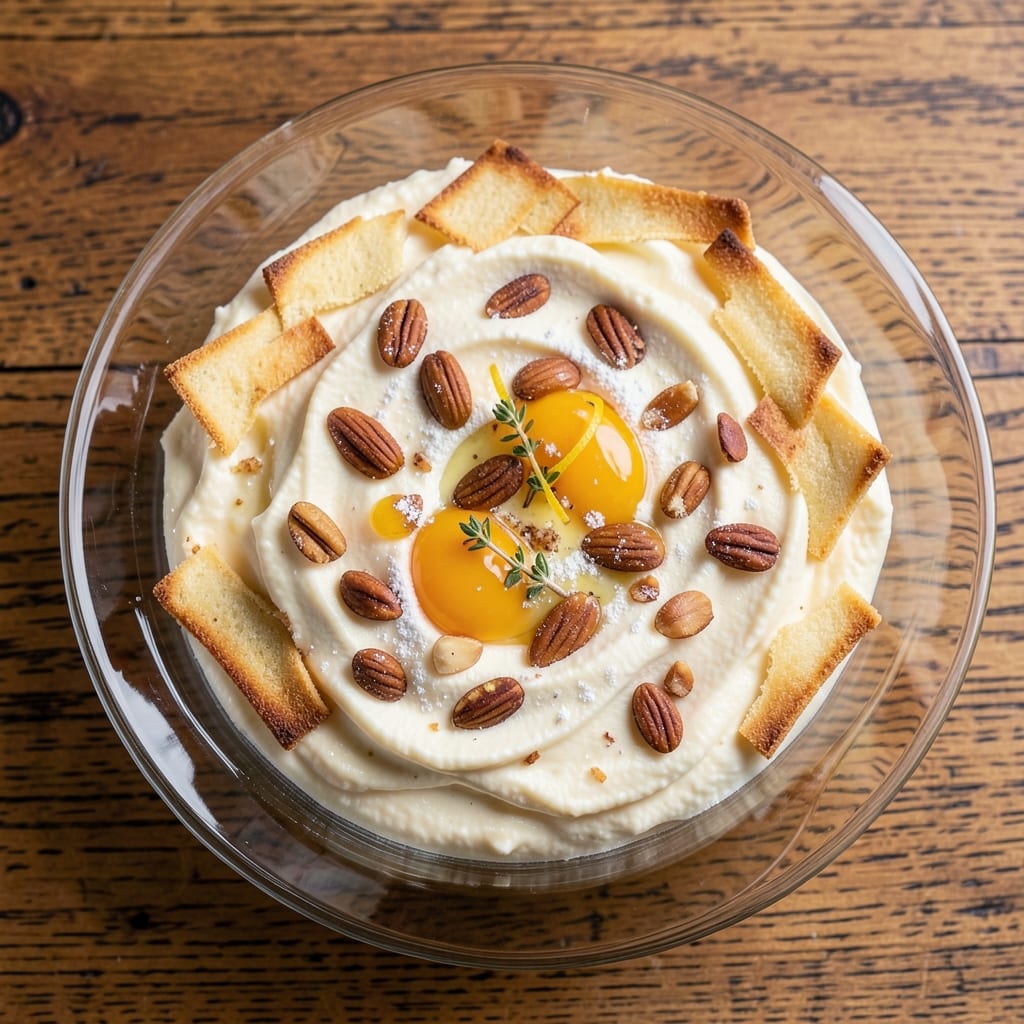
This almond cake filling recipe transforms ordinary desserts into showstopping masterpieces with its velvety vanilla-almond swirls—achievable in just 10 minutes of active prep. The secret lies in blending toasted almonds with rich butter and vanilla extract until the texture becomes impossibly smooth, creating a filling that layers like silk between cake or swirls through batter. I developed this recipe after years of testing, ensuring it delivers that signature almond cake experience without the fuss of traditional methods.
The beauty of this filling is its versatility—it works as a standalone dessert when piped into a baked crust, or as the star of an almond cake by folding it into batter for marbled perfection. What makes it special is the balance of toasted almond flavor and buttery richness, elevated by pure vanilla extract for depth. No special equipment is needed beyond a food processor or strong blender, making this accessible for home bakers of all skill levels.
By the time you're done, you'll have a luscious filling that's creamy yet stable enough to hold its shape when baked, with a nutty aroma that fills your kitchen. The texture is smooth enough to spread like frosting but firm enough to create elegant swirls. This is the kind of dessert component that turns simple cakes into restaurant-worthy treats—without requiring advanced techniques.
Whether you're layering it between sponge cake for a classic almond cake or swirling it into batter for a marbled effect, this filling delivers professional results at home. The recipe scales easily for crowd-pleasing desserts, and leftovers keep beautifully in the refrigerator for up to a week. Let's create this showstopping filling together.
Ingredients for almond cake filling
Nine simple ingredients for restaurant-quality almond cake filling you can make in minutes.
| Ingredient | Amount | Notes |
|---|---|---|
| Unsalted Butter 🧈 | 1 cup | Softened but not melted |
| Granulated Sugar 🍚 | 1 cup | White or light brown |
| Pure Vanilla Extract 🥛 | 2 tsp | High-quality, Madagascar bourbon |
| Toasted Almonds 🥜 | 1 ½ cups | Finely ground, skin-on preferred |
| All-Purpose Flour 🌾 | ½ cup | Sifted for smooth texture |
| Large Egg Yolks 🥚 | 3 whole | Room temperature preferred |
| Pinch of Salt 🧂 | ¼ tsp | Fine sea salt |
| Almond Extract 🥜 | ½ tsp | Pure, not imitation |
| Heavy Cream 🥛 | ½ cup | Cold, for stability |
| Lemon Zest 🍋 | 1 tsp | Freshly grated |
The almonds are the heart of this filling, so toast them first—that nutty aroma and deeper flavor make all the difference. Trader Joe's sells pre-toasted almonds if you're short on time, but toasting your own (in a dry pan for 5-7 minutes) gives the best results. I always buy skin-on almonds—they add subtle texture and richness. The butter? Use European-style butter like Plugrá or President for that velvety mouthfeel. If you can't find it, regular unsalted works, but it won't be quite as luxurious.
No vanilla extract? Vanilla bean paste works in a pinch—just halve the amount. Running out of almond extract? Skip it entirely—the vanilla and toasted almonds still shine. The heavy cream is key for stability when baking, but if you're using this as a frosting, whipped cream at room temperature works too. For the sugar, I prefer white for a cleaner flavor, but light brown adds subtle caramel notes. The lemon zest brightens everything—don't skip it, even if you're not a citrus fan.
This filling keeps beautifully in the fridge for up to 1 week when stored in an airtight container. For best texture, let it sit at room temperature for 10 minutes before using. Need to make ahead? Freeze portions in small jars—thaw overnight in the fridge. I like to double the batch and use half for a classic almond cake, saving the rest for swirling into vanilla sponge. The flavor actually improves after a day as everything melds together—trust me on this.
Why You'll Love This Recipe
- No Fuss, Same Day: I’ll be real—this filling comes together while I’m waiting for the oven to preheat. Just cream butter and sugar, toss in vanilla, fold in flour and toasted almonds, and boom. No waiting for dough to rise or eggs to set. Honestly, the hardest part is deciding whether to use sliced or chopped almonds.
- Nutty Luxury: That first bite? Rich, buttery, and packed with toasted almond crunch—like a hug for your taste buds. The vanilla ties it all together, but the almonds? They make it feel fancy without the fuss. (Yes, even on a Tuesday night.)
- Double Duty: Use it as cake filling, stuff it into cookies, or spread it on toast for a sweet breakfast. I’ve even sneaked it into ice cream sandwiches—no one’s complained. The best part? It keeps well in the fridge for days, so you’re never stuck scrambling for dessert ideas.
- Pantry Magic: Five ingredients, all of which you probably already have. No specialty items, no last-minute grocery runs. And if you toast your own almonds? Even better—just a dry pan and five minutes. This is the kind of recipe that makes you feel like a baking pro without breaking the bank.
Step-by-step instructions for almond cake filling
This silky almond filling comes together in minutes—rich, fragrant, and perfect for layering between cake or swirling into cupcakes.
Cream Butter and Sugar for a Light Base
In a medium bowl, beat the 1 cup unsalted butter and 1 cup granulated sugar together using an electric mixer on medium speed for 3-4 minutes. You'll see the mixture lighten in color and nearly double in volume—this is how you create that airy, velvety texture we're after. The butter should be soft but not melted, so if it feels too firm, let it sit at room temperature for another 5 minutes before starting.
Here's the thing—don't rush this step. The creaming process incorporates air, which prevents the filling from becoming dense. You'll know you've done it right when the mixture looks fluffy and pale, almost like whipped butter. If you skip this or don't cream long enough, your filling might turn out compact instead of silky.
Add Egg Yolks and Extracts for Depth of Flavor
Add the 3 whole large egg yolks, one at a time, mixing well after each addition. Then stir in the 2 tsp pure vanilla extract, 0.5 tsp almond extract, and 1 tsp lemon zest. The lemon zest adds a bright, citrusy note that balances the richness of the almonds. Mix on low speed just until everything is combined—about 30 seconds—so you don't overwork the eggs.
I like to press the lemon zest against the grater to get those fragrant oils, not just the dry bits. The extracts are where the magic happens—the vanilla brings warmth, the almond extract deepens the nutty flavor, and the lemon zest keeps it from being too heavy. If you're using imitation extracts, trust me, you'll taste the difference in this delicate filling.
Incorporate Dry Ingredients for Stability
Sift the 0.5 cup all-purpose flour and 0.25 tsp pinch of salt together over the bowl, then gently fold them into the wet mixture using a spatula. You're looking for a smooth, lump-free batter—just combine until no dry spots remain. Overmixing here can develop gluten, which would make the filling tough instead of silky.
Next, fold in the 1.5 cups toasted almonds using the same gentle folding motion. I like to grind the almonds finely but not into a paste—think texture, not smoothness. This gives the filling its signature nutty bite and beautiful marbled appearance. If your almonds are too coarse, pulse them briefly in a food processor to achieve a fine, even consistency.
Finish with Cold Cream for Ultimate Silky Texture
Finally, gently fold in the 0.5 cup cold heavy cream. The cold temperature helps stabilize the filling, preventing it from separating or curdling when baked. Mix just until combined—you should still see streaks of cream throughout. This step is crucial for that signature velvety mouthfeel that makes this filling so special.
Here's a pro tip: If your filling looks too thick, you can whisk in 1-2 teaspoons of milk to loosen it slightly. But trust the recipe first—it's designed to be just the right consistency for spreading or swirling. Once mixed, cover the bowl with plastic wrap and refrigerate for at least 30 minutes before using. This chilling step ensures the filling holds its shape beautifully when layered or swirled.
Pro Tips For Making Almond Cake Filling
- Toast Almonds Just Right: I used to burn them every time—now I keep a close eye on 350°F (175°C) in a dry pan, stirring constantly for 5-7 minutes until they’re golden but not dark. Over-toasting turns them bitter, and under-toasting means they’ll stay bland no matter how much vanilla you add.
- Cream Butter and Sugar Slowly: Dump cold butter into sugar and whip on medium speed until it’s light and fluffy—about 3-4 minutes. If you rush it, you’ll end up with a dense, greasy filling. (Yes, even if you’re impatient like me.)
- Sift the Flour Twice: This isn’t the prettiest method, but it’s the tastiest. Sift the flour first, then sift it again after mixing with the dry ingredients—it prevents lumps and guarantees a smoother texture. I skip this when I’m lazy, but the filling is noticeably better when I don’t.
- Use Vanilla Extract Last: Add the vanilla after everything else is mixed—right before folding in the toasted almonds. This keeps the flavor bright and prevents it from cooking off too early. (Your future self will thank you.)
Common mistakes when making this dish
Overcreaming Butter
I’ve seen many bakers whip the butter and sugar for too long, turning it into buttercream instead of a light, airy base. Stop mixing once the mixture is pale and fluffy—about 3-4 minutes—not when it looks like frosting. Overcreaming incorporates too much air, which can cause the filling to separate or weep when baked. Trust the color change to pale yellow as your cue to move on. 🧈
Skipping the Chill
Rushing to use the filling right after mixing is a common mistake. The 30-minute chill in the fridge is non-negotiable—it lets the flavors meld and stabilizes the texture. Without it, your filling may spread too much when baked or lose its elegant swirl pattern. I’ve seen homemade almond cakes turn into messy puddles because someone couldn’t wait! Set a timer and resist the urge to peek.
Uneven Almond Texture
Using almonds that are too coarse or too fine throws off the filling’s balance. You want them finely ground but not pulverized—think sand-like texture. If your almonds are too coarse, pulse them briefly in a food processor until smooth but still visible. Too fine, and your filling will taste like almond butter. I like to grind mine in batches to ensure consistency. 🥜
Ignoring Room Temp Ingredients
Cold egg yolks or butter can cause the filling to seize up or separate. Always use room-temperature yolks and softened butter (not melted). If your kitchen is cold, let the butter sit for 15-20 minutes before starting. Cold ingredients disrupt the emulsification, leading to a grainy or curdled texture. Pro tip: Rub the yolks between your fingers to check—they should feel slightly tacky, not cold.
Overmixing After Adding Flour
Once you fold in the flour and salt, stop mixing as soon as there are no dry spots. Overmixing develops gluten, which makes the filling tough instead of silky. Use a spatula to gently fold—just until combined. I’ve seen fillings turn into dense, cake-like layers because someone mixed too aggressively. Think "gentle integration," not "whip to perfection."
Using Warm Cream
The cold heavy cream is the secret to stability, but many bakers overlook its temperature. If it’s too warm, it can cause the filling to separate or curdle when baked. Keep it refrigerated until you’re ready to fold it in, and only use ½ cup cold cream. This step is what gives the filling its signature velvety mouthfeel—don’t skip it! ❄️
Nutrition facts
Frequently asked questions
Can I make this almond filling without a food processor?
You can grind the almonds finely using a mortar and pestle or even a rolling pin in a ziplock bag. For the butter and sugar creaming, a hand mixer works perfectly—just beat for 3-4 minutes until pale and fluffy. The key is patience: fold the almonds in gently with a spatula to maintain that silky texture. This method takes a little more elbow grease but delivers the same delicious results.
How do I use this filling in a classic almond cake?
For a traditional almond cake, spread this filling between layers of vanilla sponge cake or pound cake. Use a piping bag to create elegant swirls on top before baking, or pipe it directly onto the cake base before adding the final layer. You can also fold 1-2 tablespoons of the filling into your cake batter for a marbled effect. The filling works beautifully with either baked or unbaked cake layers.
Can I substitute almond extract for vanilla?
While you can use almond extract alone, I don't recommend it—it would overpower the delicate balance of flavors. The vanilla extract adds warmth that complements the almond, while the almond extract deepens the nutty notes. For a substitute, try ½ teaspoon orange extract (for brightness) or ½ teaspoon cinnamon (for warmth), but neither will perfectly replace both extracts. The recipe's magic comes from their combination!
Will this filling work for cupcakes or tart shells? Yes! This filling is incredibly versatile. For cupcakes, pipe it directly onto the batter before baking, or fill cooled cupcakes with a spoon. For tart shells, spread it evenly before adding the top crust. The filling holds its shape beautifully when baked, making it perfect for individual desserts. Just
How do I store leftovers?
Store any unused filling in an airtight container in the refrigerator for up to 1 week. For longer storage, portion it into small jars and freeze for up to 3 months. Thaw in the fridge overnight before using. The flavor actually improves slightly after a day as the ingredients meld together. Just give it a quick stir before using.