
Desserts
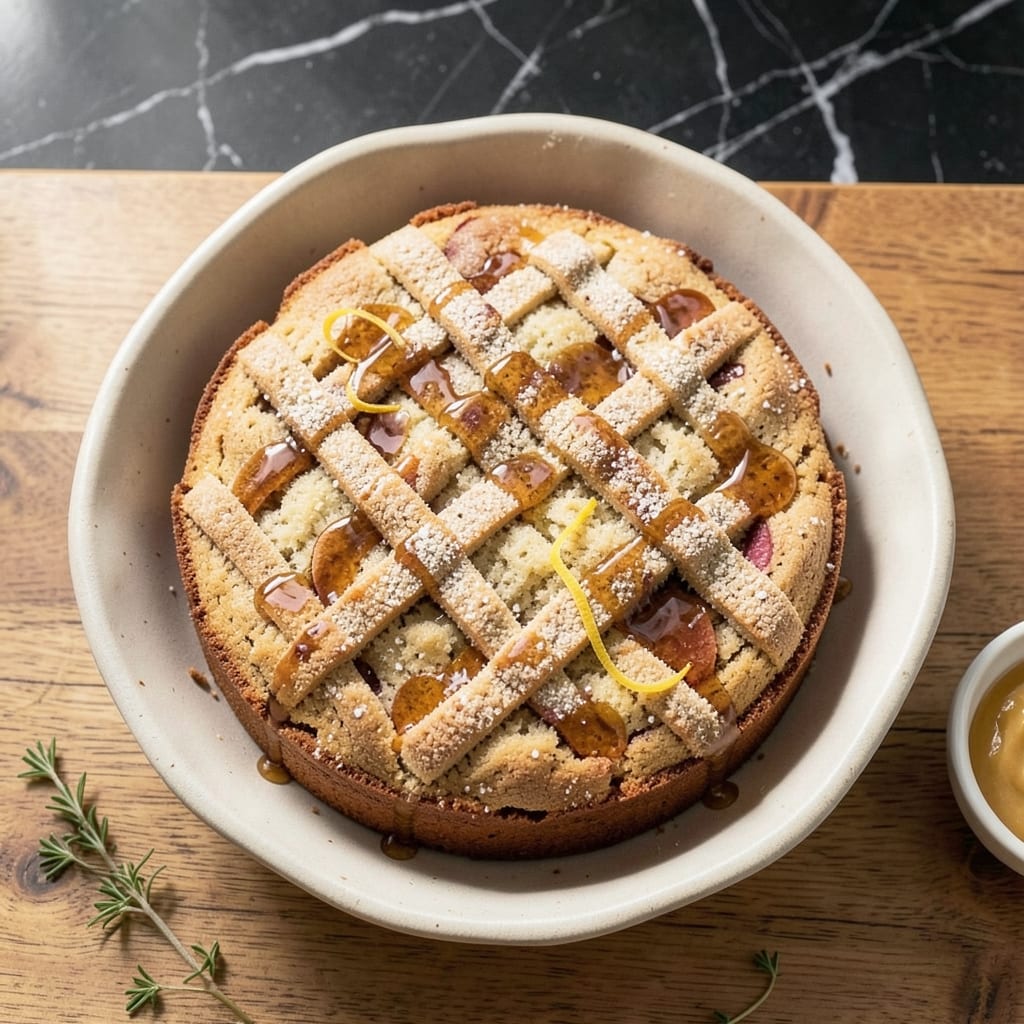
This allergen-free cake recipe delivers the same rich, moist layers you love—without gluten, eggs, or dairy. After years of testing substitutions, I’ve perfected a formula that replaces traditional binders with flaxseed and applesauce while keeping texture tender and flavor vibrant. The secret lies in precise ingredient ratios and gentle baking, ensuring every slice satisfies even the most discerning palates.
What sets this cake apart is its adaptability—swap ingredients for nut-free, soy-free, or other dietary needs without sacrificing moisture or structure. The recipe uses simple pantry staples like almond flour and coconut oil, making it accessible while still delivering restaurant-quality results. No one will guess it’s allergen-free until you tell them.
The final product is a cake with moist, evenly baked layers that stay fresh for days, thanks to a subtle vanilla-infused glaze. Whether it’s for a celebration or a weeknight treat, this recipe proves allergy-friendly desserts can be just as indulgent as their traditional counterparts. Let’s get baking.
For those with specific dietary needs, the recipe includes clear substitution guidelines, so you can customize it with confidence. The instructions are designed to minimize guesswork, ensuring success on the first try. Ready to enjoy cake without compromise?
Ingredients for allergen free cake
Simple pantry staples transform into a restaurant-quality cake—allergen-free and utterly indulgent.
| Ingredient | Amount | Notes |
|---|---|---|
| Almond Flour 🌰 | 2 ½ cups | Finely ground, unsweetened preferred |
| Applesauce (unsweetened) 🍎 | 1 cup | Substitute mashed banana if needed |
| Ground Flaxseed 🌾 | ½ cup | Freshly ground for best results |
| Coconut Oil (refined) 🥥 | ¾ cup | Melted, not solid |
| Granulated Sugar 🍚 | 1 ½ cups | White or organic preferred |
| Vanilla Extract 🌿 | 2 tsp | Pure, high-quality preferred |
| Baking Powder 🧂 | 2 tsp | Aluminum-free for best results |
| Salt 🧂 | ½ tsp | Fine sea salt preferred |
| Unsweetened Almond Milk 🥛 | ½ cup | Room temperature for best mixing |
| Lemon Zest 🍋 | 1 tbsp | Freshly grated for brightness |
| Vanilla Bean Paste 🌿 | 1 tbsp | For extra flavor depth |
| Powdered Sugar 🍚 | ½ cup | For glaze, sifted preferred |
| Lemon Juice 🍋 | 1 tbsp | Freshly squeezed for glaze |
Almond flour is the backbone here—Bob’s Red Mill or Anthony’s Goods are my go-tos for consistency. Grab the finest grind you can find, as texture matters more than you’d think. The flaxseed? Grind it fresh right before mixing—pre-ground loses its binding power fast. Coconut oil should be refined (not virgin) to avoid coconut flavor dominance, and melt it gently so it doesn’t overheat. For the almond milk, Blue Diamond unsweetened works perfectly, but any brand will do. Pro tip: measure your dry ingredients first, then add wet—this keeps the batter smooth.
No almond flour? Oat flour or coconut flour can work, but you’ll need to adjust liquids—oat flour absorbs more moisture. Swap applesauce for mashed banana or pumpkin puree if you’re not a fan, though flavor changes slightly. The vanilla bean paste is worth the splurge (I grab mine from Williams Sonoma), but regular extract works in a pinch. For the glaze, powdered sugar should be sifted to avoid lumps—Domino brand is my go-to because it’s fine and consistent. Lemon zest needs to be fresh—dried zest loses its punch, and you’ll taste the difference.
This cake keeps beautifully—3 days at room temperature covered loosely, or 1 week refrigerated in an airtight container. For longer storage, slice and freeze individual portions—they thaw in minutes. The glaze sets quickly, so assemble the cake just before serving. I like to dust the top with extra powdered sugar right before slicing—adds that bakery finish. If you’re making ahead, bake the layers first, then glaze and assemble when ready to serve—trust me, it’s worth the extra step.
Why You'll Love This Recipe
- No-Fuss Mixing: I swear by this batter—just blend, pour, bake. No eggs, no dairy, no fussing with weird substitutes. The ground flaxseed and applesauce do all the heavy lifting while I’m still deciding whether to watch the news or a baking show.
- Moist Without Guilt: That applesauce swap keeps it tender, and the coconut oil adds a subtle richness without overpowering. It’s the kind of cake that stays soft for days—no dry crumbs here, just pure, easy indulgence.
- Birthday to Brunch: Serve it warm with a dusting of powdered sugar for a casual dessert, or slice it cold for a grab-and-go breakfast. Honestly, I’ve even used it as a base for a savory galette (yes, really) when I’m feeling experimental.
- Pantry Magic: Almond flour and coconut oil last forever, so this recipe never feels like a splurge. A single batch stretches to four days of after-school snacks, and the leftovers? They disappear faster than I can say “second slice.”
Step-by-step instructions for allergen-free cake layers
Here's how to create tender, moist layers that rival traditional cakes—without dairy, eggs, or gluten.
Mix Wet Ingredients for Perfect Texture
In a large mixing bowl, combine the 1 cup unsweetened applesauce, 0.75 cup melted coconut oil, and 1.5 cups granulated sugar. Whisk until completely smooth—you should see a uniform, pale mixture with no streaks. This blend creates moisture and tenderness without relying on traditional fats.
Next, add the 0.5 cup unsweetened almond milk, 2 tsp vanilla extract, and 1 tbsp vanilla bean paste. Stir gently to incorporate. The vanilla bean paste adds depth that regular extract can't match. Let this mixture sit for 2 minutes while you prepare the dry ingredients—this brief rest helps the flavors meld.
Combine Dry Ingredients Precisely
In a separate bowl, sift together the 2.5 cups almond flour, 2 tsp baking powder, and 0.5 tsp salt. This ensures even distribution and prevents lumps in your final cake. I like to use a fine-mesh sieve for the almond flour—it makes all the difference in texture.
Add the 0.5 cup ground flaxseed and 1 tbsp lemon zest to the dry mixture. The flaxseed acts as a binder, replacing eggs while adding fiber, while the lemon zest brightens the entire cake. Whisk everything together until no dry spots remain—this is crucial for even baking.
Gently Fold for Light, Airy Layers
With the mixer on low speed, gradually add the dry ingredients to the wet mixture. Start slow—about 20 seconds per addition—to prevent deflating the air you've incorporated. Stop mixing as soon as everything is combined; overmixing develops gluten-like proteins in the almond flour that can make the cake dense.
The batter should be thick but pourable, like a rich cookie dough. If it seems too stiff, add 1 tablespoon of almond milk at a time until it reaches the right consistency. This is your final check before baking—don't skip it.
Bake in Two Perfect Layers
Preheat your oven to 350°F and grease two 8-inch round cake pans with coconut oil. Divide the batter evenly between the pans—you'll need about 1½ cups per pan. Smooth the tops with a spatula and bake for 25-30 minutes, until a toothpick inserted in the center comes out clean.
I always tap the sides of the pans gently after 20 minutes—if the cake pulls away slightly from the edges, it's ready. Let the cakes cool in the pans for 10 minutes before transferring to a wire rack. This prevents cracking as they cool completely.
Assemble with Lemon Glaze
While the cakes cool, make the glaze by whisking together 0.5 cup powdered sugar, 1 tbsp lemon juice, and 1 tablespoon almond milk until smooth. This light glaze adds shine and balances the cake's richness without making it heavy.
Once completely cool, place one layer on a serving plate and spread a thin layer of glaze on top. Add the second layer and cover the top and sides with the remaining glaze. For extra flair, dust with additional lemon zest or powdered sugar. Serve immediately or refrigerate for up to 3 days—though it rarely lasts that long!
Pro Tips For Making Allergen Free Cake
- MEASURE FLAXSEED PRECISELY: Almond flour absorbs moisture like a sponge, and too much ground flaxseed can turn your cake into a dense brick. Use a kitchen scale for the flax—1 tablespoon by volume varies wildly, and you’ll regret eyeballing it when the texture goes wrong.
- WHISK COCONUT OIL FIRST: Refined coconut oil solidifies fast, and mixing it into almond flour cold guarantees lumps. Microwave it for 10 seconds to soften, then whisk it into the applesauce until it’s completely smooth before adding dry ingredients. Cold oil = sad cake.
- DON’T OVERMIX THE BATTER: Almond flour releases gluten-like proteins when overworked, and this cake will turn tough instead of tender. Mix just until the sugar dissolves—maybe 15 strokes max. After that, you’re doing more harm than good.
- BAKE UNTIL TOOTHPICK COMES OUT CLEAN: Almond flour cakes often look done before they are. The center stays moist longer than wheat-based cakes, so bake 2–3 minutes past when you think it’s ready. A toothpick should pull out with maybe a few crumbs, not wet batter.
Troubleshooting this dish
Dense Layers?
If your cake turns out dense, check your mixing technique first. Overmixing develops gluten-like proteins in the almond flour, so mix just until combined—no more than 20 seconds per addition. Also, ensure your flaxseed is freshly ground (pre-ground loses binding power). For extra moisture, add 1 tablespoon of almond milk at a time until the batter reaches a thick but pourable consistency. 💫
Cracked Top?
Cracks usually mean uneven cooling or overbaking. Let the cakes cool in the pans for 10 minutes before transferring to a wire rack—this gradual transition prevents sudden temperature shifts. If your oven runs hot, reduce the temperature to 340°F and add 2-3 minutes to the baking time. A lightly greased pan helps too, but avoid overgreasing, which can cause sticking.
Dry Texture?
Dryness often comes from overbaking or insufficient moisture. Use a toothpick test—the cake is done when it comes out clean but still has a few moist crumbs. If your cake dries out quickly, try replacing 2 tablespoons of almond flour with oat flour (it absorbs less moisture). For extra richness, add 1 tablespoon of coconut oil to the glaze before assembling the layers.
Glaze Too Thick?
The glaze should coat the back of a spoon but remain pourable. If it’s too thick, add ½ teaspoon of almond milk at a time until smooth. For a glossier finish, sieve the powdered sugar before mixing—Domino brand works best for this. If the glaze sets too quickly, refrigerate the cake for 10 minutes before applying the final dusting of powdered sugar or lemon zest.
Uneven Rise?
Uneven rise usually means uneven heat distribution. Rotate your pans halfway through baking (after 15 minutes) for even cooking. Also, ensure your oven is fully preheated—350°F is critical. If your oven has hot spots, place a baking sheet on the lower rack for 5 minutes before adding the pans to help distribute heat more evenly. 🔥
Flavor Too Mild?
Boost flavor by using freshly grated lemon zest (dried zest loses brightness) and high-quality vanilla bean paste (like Williams Sonoma). For extra depth, add ½ teaspoon of lemon extract to the wet ingredients or fold in 1 tablespoon of lemon curd between the layers. A pinch of cardamom or cinnamon also enhances the vanilla-almond flavor profile without overpowering it.
Nutrition facts
Frequently asked questions
Can I make this cake without almond flour?
Yes! For nut-free versions, use oat flour (add 1 extra tablespoon of almond milk per cup) or coconut flour (reduce other liquids by ¼ cup). If you need a gluten-free alternative, certified gluten-free oat flour works best. The texture will be slightly denser but still delicious.
How do I make this cake vegan?
This recipe is already vegan-friendly! Just ensure your vanilla extract, lemon juice, and powdered sugar are certified vegan. The flaxseed and applesauce replace eggs perfectly, while coconut oil provides the fat. No additional substitutions are needed.
Can I add mix-ins like chocolate chips?
Fold in ½ cup dairy-free chocolate chips or chopped dried fruit (like cranberries) after mixing the wet and dry ingredients. For extra richness, use vegan dark chocolate chunks—they melt beautifully during baking. Just don’t overmix after adding them.
Why does my cake taste bitter?
Bitterness usually comes from overcooked almond flour or coconut oil. Bake at 350°F for 25-30 minutes max—no longer! For extra flavor balance, add ½ teaspoon of cinnamon or 1 tablespoon of lemon curd between layers. Always use refined coconut oil (not virgin) to avoid coconut aftertaste.
Can I bake this in a different pan size?
Yes, but adjust baking time accordingly. For a 9-inch pan, reduce batter by ¼ cup and bake 20-25 minutes. For a 6-inch pan, use ¾ of the batter and bake 25-30 minutes. Always check with a toothpick—it should come out clean but slightly moist.