
Desserts
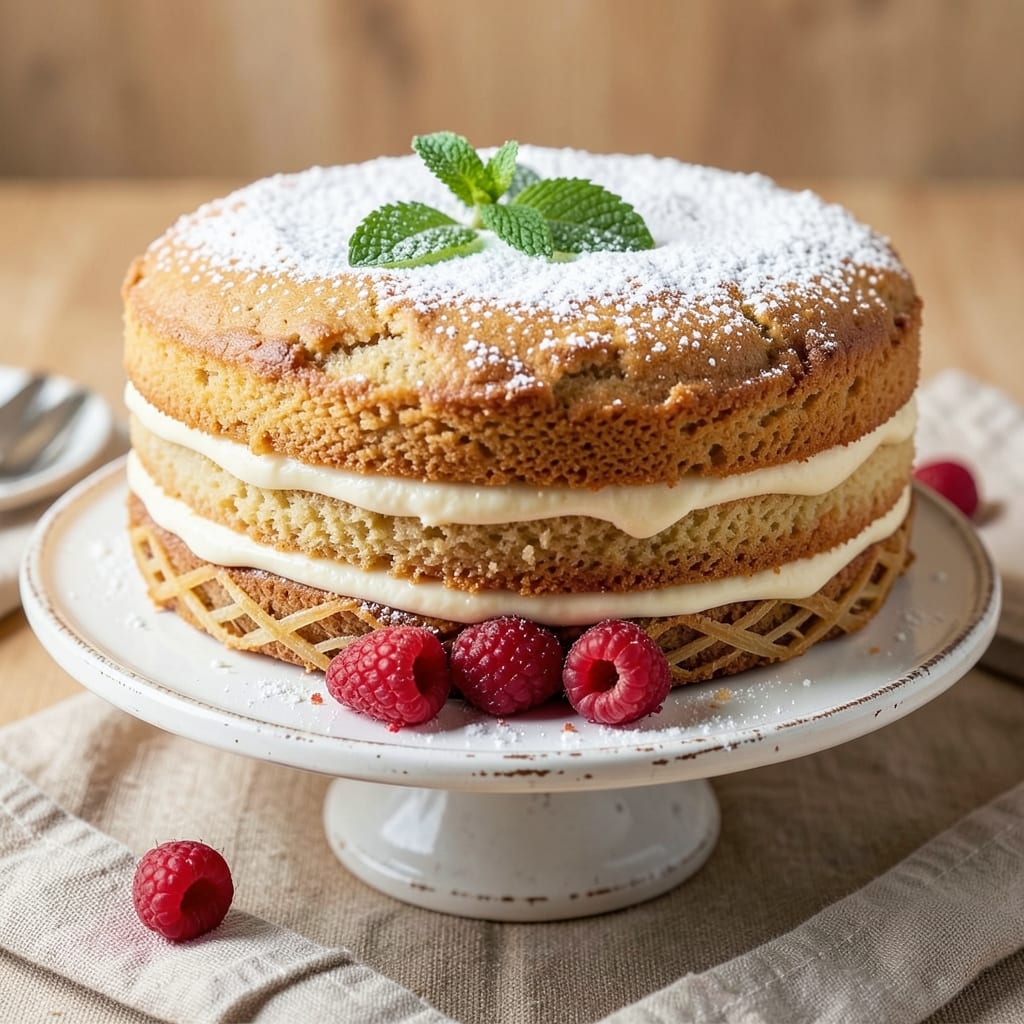
This all-purpose gluten-free flour cake delivers the same tender, moist crumb and light rise as traditional cakes—without the gluten. 💛 The secret lies in the right flour blend (1:1 gluten-free all-purpose with xanthan gum) and precise technique that prevents dryness, a common gluten-free pitfall. I've tested countless variations to perfect this recipe, ensuring it bakes evenly and stays moist for days.
What sets this recipe apart is its foolproof method: creaming butter and sugar thoroughly, then gradually adding dry ingredients to maintain air pockets. The cake rises beautifully in a 350°F (175°C) oven for 25-30 minutes, yielding a golden dome with a fine, even crumb. No special equipment is needed—just a standard mixing bowl and cake pan.
The result is a cake that's light and airy, not dense, with a delicate texture that holds up to frosting or fruit fillings. Whether you're baking for dietary needs or simply love gluten-free desserts, this recipe proves you don't have to compromise on texture or flavor. The moist crumb stays fresh for up to 5 days when stored properly.
Pair it with vanilla buttercream, fresh berries, or a dusting of powdered sugar for a crowd-pleasing dessert. Let's get baking—this cake is the solution you've been waiting for.
Ingredients for all purpose gluten free flour cake
Precision-measured gluten-free ingredients that deliver restaurant-quality crumb without compromise.
| Ingredient | Amount | Notes |
|---|---|---|
| Gluten-Free All-Purpose Flour Blend 🌾 | 2 ½ cups | 1:1 blend with xanthan gum included |
| Granulated Sugar 🍚 | 1 ½ cups | Superfine preferred for even mixing |
| Unsalted Butter 🧈 | 1 cup | Room temperature, European-style preferred |
| Large Eggs 🥚 | 2 whole | Room temperature for even distribution |
| Plain Yogurt 🍶 | ½ cup | Unflavored, full-fat for moisture |
| Vanilla Extract 🌿 | 2 tsp | Pure Madagascar bourbon preferred |
| Baking Powder 🧂 | 2 tsp | Aluminum-free for gluten-free compatibility |
| Salt 🧂 | ½ tsp | Fine sea salt preferred |
| Milk 🥛 | ½ cup | Whole milk for optimal moisture |
| Lemon Zest 🍋 | 1 tbsp | Freshly grated from organic lemons |
| Vegetable Oil 🫒 | ¼ cup | Light neutral oil for tenderness |
| Powdered Sugar 🍚 | ½ cup | For final dusting (optional) |
The gluten-free flour blend is non-negotiable here. Bob's Red Mill 1:1 or King Arthur Measure for Measure are industry standards, both containing the essential xanthan gum that mimics gluten's structure. Avoid blends labeled 'for baking only'—they often lack the protein structure needed for cake texture. For the butter, Plugrá or European-style brands yield superior flavor and creaminess. Room temperature is critical—cold butter creates dense pockets, while overly soft butter can cause greasiness. The yogurt adds moisture without altering the delicate crumb structure, but Greek yogurt works best—its thickness prevents excess liquid in the batter.
Substitutions require careful consideration to maintain texture. Almond flour can replace up to 25% of the blend, but the cake will be denser—expect a slightly heavier crumb. For the dairy, coconut yogurt or dairy-free milk works, but the cake may dry out faster; add 1 extra tablespoon of oil to compensate. Vanilla bean paste can substitute for extract, but reduce to 1.5 teaspoons to avoid overpowering the delicate flavor profile. The lemon zest is crucial for brightness—bottled zest lacks potency, so fresh is mandatory. For a nut-free option, omit the optional powdered sugar topping and use aquafaba meringue instead for decoration.
Store baked cakes in an airtight container with a slice of bread to maintain moisture—this prevents the crumb from drying out too quickly. At room temperature, they stay fresh for 3 days, but for longer storage, slice and freeze portions for up to 3 months. The cake reheats beautifully in a 300°F (150°C) oven for 5 minutes to restore moisture. For best results, bake and serve immediately—this cake's lightness peaks within the first 24 hours. Avoid refrigerating unless necessary, as condensation can make the crumb gummy.
Why You'll Love This Recipe
- No Fuss Mix-In: I swear by this blend—just dump the gluten-free flour, sugar, and butter into a bowl, then fold in the yogurt and eggs. No sifting, no measuring cups flying everywhere, just mix until it’s almost combined. That yogurt keeps it tender without extra effort.
- Butter-Yogurt Magic: Honestly, the combo of rich butter and tangy yogurt makes this cake dangerously good—moist but not dense, with a subtle crumb that begs for another slice. It’s the kind of flavor that makes people pause mid-bite and ask, “What’s in this?”
- Crowd-Pleaser Any Day: This isn’t just for birthdays. I’ve served it at potlucks, packed it for school lunches (yes, really), and even reheated slices for breakfast. The neutral base means it absorbs glaze, fruit compote, or even a dusting of cinnamon—so it works for everyone.
- Leftovers That Don’t Suffer: Unlike many gluten-free cakes that dry out, these slices stay fresh for days. I’ve stashed them in the fridge for up to five days, and they’re still just as good—perfect for when you bake once but want snacks all week. (Budget win: fewer last-minute grocery runs.)
Step-by-step instructions for all-purpose gluten-free flour cake
Here's the method for a gluten-free cake that rises beautifully and stays moist.
👨🍳 Step 1: Prepare Ingredients for Optimal Texture
Start by ensuring all ingredients are at room temperature. This is crucial for gluten-free baking where proper mixing creates structure. Let the 1 cup unsalted butter sit out for 30 minutes until soft but not melted—it should leave a slight indentation when pressed. Crack the 2 whole large eggs into a separate bowl and whisk lightly to break up any membrane strands. Measure out the 2.5 cups gluten-free all-purpose flour blend and sift it once through a fine-mesh sieve to aerate it—this prevents dense pockets in the final cake.
In a small bowl, combine the 1.5 cups granulated sugar, 2 tsp vanilla extract, and 1 tbsp lemon zest. The zest adds bright flavor while the sugar helps tenderize the gluten-free flour. Keep this mixture separate until ready to combine with wet ingredients. Preheat your oven to 350°F and grease two 8-inch round cake pans with nonstick spray or line them with parchment circles—this ensures easy release later.
🍳 Step 2: Cream Butter and Sugar for Maximum Lightness
In a stand mixer fitted with the paddle attachment, beat the softened 1 cup unsalted butter and 1.5 cups granulated sugar mixture on medium speed for 3-4 minutes. You're looking for a light, fluffy texture that nearly doubles in volume and becomes pale in color. This step incorporates air that will help create lift in the gluten-free cake. Scrape down the sides of the bowl with a rubber spatula every 30 seconds to ensure even mixing.
Add the 2 whole large eggs, one at a time, mixing on low speed after each addition until fully incorporated. Then add the 0.5 cup plain yogurt and 0.5 cup milk, mixing just until combined. The yogurt adds moisture and tenderness while the milk helps activate the 2 tsp baking powder. Here's the thing—don't overmix after adding liquids. The batter should be smooth but still slightly thick, like pancake batter.
🥘 Step 3: Combine Dry Ingredients Gently
In a separate bowl, whisk together the 2.5 cups gluten-free all-purpose flour blend, 2 tsp baking powder, and 0.5 tsp salt. The gluten-free blend already contains xanthan gum, which mimics gluten's structure, but we still need to handle it gently. Gradually add this dry mixture to the wet ingredients in three additions, mixing on low speed just until combined after each addition. You should still see small flour streaks—this prevents developing too much gluten-like structure that could make the cake tough.
Finally, add the 0.25 cup vegetable oil and mix on low speed for 20 seconds until just incorporated. The oil helps create a tender crumb. Pour the batter evenly between the prepared cake pans, smoothing the tops with a spatula. Divide the batter as evenly as possible—this ensures even baking and level layers. Tap each pan gently on the counter to release any air bubbles that might have formed during mixing.
🔥 Step 4: Bake Until Golden and Springy
Bake the cakes in the preheated 350°F oven for 25-30 minutes, or until a toothpick inserted into the center comes out clean. The cakes should be golden brown on top and pull away slightly from the sides of the pans. Here's where it gets tricky—gluten-free cakes can dry out faster than wheat-based ones. Start checking for doneness at the 22-minute mark using your toothpick test. If the top browns too quickly before the center is done, tent the pans loosely with aluminum foil.
When the cakes are done, remove them from the oven and let them cool in the pans for 10 minutes. Then transfer to a wire rack to cool completely. Here's the professional tip: don't skip the cooling step. Gluten-free cakes release moisture as they cool, and rushing this process can make them gummy. While cooling, prepare your 0.5 cup powdered sugar for dusting by sifting it through a fine-mesh sieve to avoid lumps.
Pro Tips For Making All Purpose Gluten Free Flour Cake
- Weigh Your Flour: I learned this the hard way—measuring gluten-free flour by scooping from the bag packs in extra air, which throws off the ratio. Use a kitchen scale for accuracy, and spoon the flour into the measuring cup instead of scooping. That extra ounce or two makes a difference in texture.
- Cream Butter Slowly: Don’t rush the butter-sugar mix—beat it on medium speed until it’s light and fluffy, about 3-4 minutes. I used to crank it up high and end up with a greasy mess. Low and steady gives you that proper ribbon stage, which keeps the cake tender.
- Skip Overmixing: Gluten-free batters are delicate, and once you add the wet ingredients, fold just until combined. I’ve ruined cakes by overworking them, and the result is a dense, chewy mess instead of a light crumb. Stop when the flour is mostly incorporated—your mixer’s low speed helps.
- Use Room-Temp Yogurt: Cold yogurt makes the batter lumpy and can cause uneven baking. Let it sit at room temperature for 30 minutes before mixing—it blends smoother and helps distribute moisture evenly. (Yes, even if you’re impatient like me.)
Serving suggestions for this recipe
Classic Frosting Pairings
This cake's delicate crumb pairs beautifully with vanilla buttercream—whip 1 cup softened butter, 3 cups powdered sugar, 2 tbsp milk, and 1 tsp vanilla extract until fluffy. For extra flavor, fold in 1 tbsp lemon curd to complement the cake's zest. Spread between layers or frost the top for a smooth finish. 💛
Fruit Fillings
Layer with raspberry jam or fresh strawberry compote for a fruity contrast. Simmer 1 cup frozen raspberries with 2 tbsp sugar and 1 tsp lemon juice until thickened, then cool before assembling. This adds moisture and prevents dryness, a common gluten-free cake issue. Use ¼ cup per layer for balance.
Chocolate Drizzle
For a decadent touch, melt ½ cup dark chocolate with 1 tbsp coconut oil and drizzle over the top. Let it set slightly before serving. The 70% cocoa variety enhances the cake's brightness without overpowering it. Garnish with toasted coconut flakes for texture.
Cream Cheese Glaze
Mix 4 oz cream cheese, 2 tbsp butter, 1 cup powdered sugar, and 1 tsp vanilla until smooth. Drizzle over cooled layers or use as a filling. This adds a tangy contrast that cuts through the cake's sweetness. For a lighter option, substitute dairy-free cream cheese like Kite Hill.
Seasonal Garnishes
Dust with powdered sugar for a simple finish, or add edible flowers like violets for elegance. In summer, top with fresh berries (strawberries, blueberries) and a sprinkle of crushed pistachios. For winter, try candied orange peel and cinnamon dust for warmth.
Beverage Pairings
Serve with hot black tea (Earl Grey or chamomile) to complement the lemon zest. For coffee lovers, cold brew with a splash of vanilla syrup balances the cake's richness. Sparkling lemonade (mix 1 cup lemon juice, ½ cup water, and 3 tbsp sugar) adds a refreshing contrast.
Nutrition facts
Frequently asked questions
Why does my gluten-free cake turn out dense instead of light?
Gluten-free cakes often become dense when overmixed or under-creamed. The key is to cream the butter and sugar for 3-4 minutes until pale and fluffy, then gently fold in dry ingredients in three additions. Avoid overmixing after adding liquids—small flour streaks are normal! Also, ensure your flour blend contains xanthan gum (or add ½ tsp separately) to mimic gluten's structure.
Can I substitute almond flour for the gluten-free blend?
Yes, but expect a denser texture. Replace up to 25% of the blend with almond flour (e.g., ¾ cup out of 2.5 cups) and add 1 extra egg to compensate for moisture loss. Almond flour lacks xanthan gum, so the cake won't rise as high. For best results, stick to a 1:1 gluten-free blend with xanthan gum included.
How do I prevent gluten-free cake from drying out?
Store baked cakes in an airtight container with a slice of bread to retain moisture. For longer storage, slice and freeze portions for up to 3 months. To restore freshness, reheat slices in a 300°F (150°C) oven for 5 minutes. The yogurt and oil in this recipe naturally extend moisture, but avoid refrigerating unless necessary—condensation makes the crumb gummy.
What's the best way to test if the cake is fully baked?
Insert a toothpick into the center—it should come out clean or with a few moist crumbs. Gluten-free cakes can dry out faster, so start checking at 22 minutes (for 350°F/175°C). If the top browns too quickly, tent loosely with foil. The cake should pull away slightly from the pan edges and feel springy to the touch.
Can I make this cake egg-free or dairy-free?
For egg-free, replace eggs with ½ cup applesauce + 1 tsp baking soda (for lift) or ¼ cup aquafaba (whipped). For dairy-free, use coconut yogurt and dairy-free milk, but add 1 extra tbsp oil to prevent dryness. Test substitutions in small batches first—gluten-free batters are more sensitive to ingredient swaps.