
Desserts
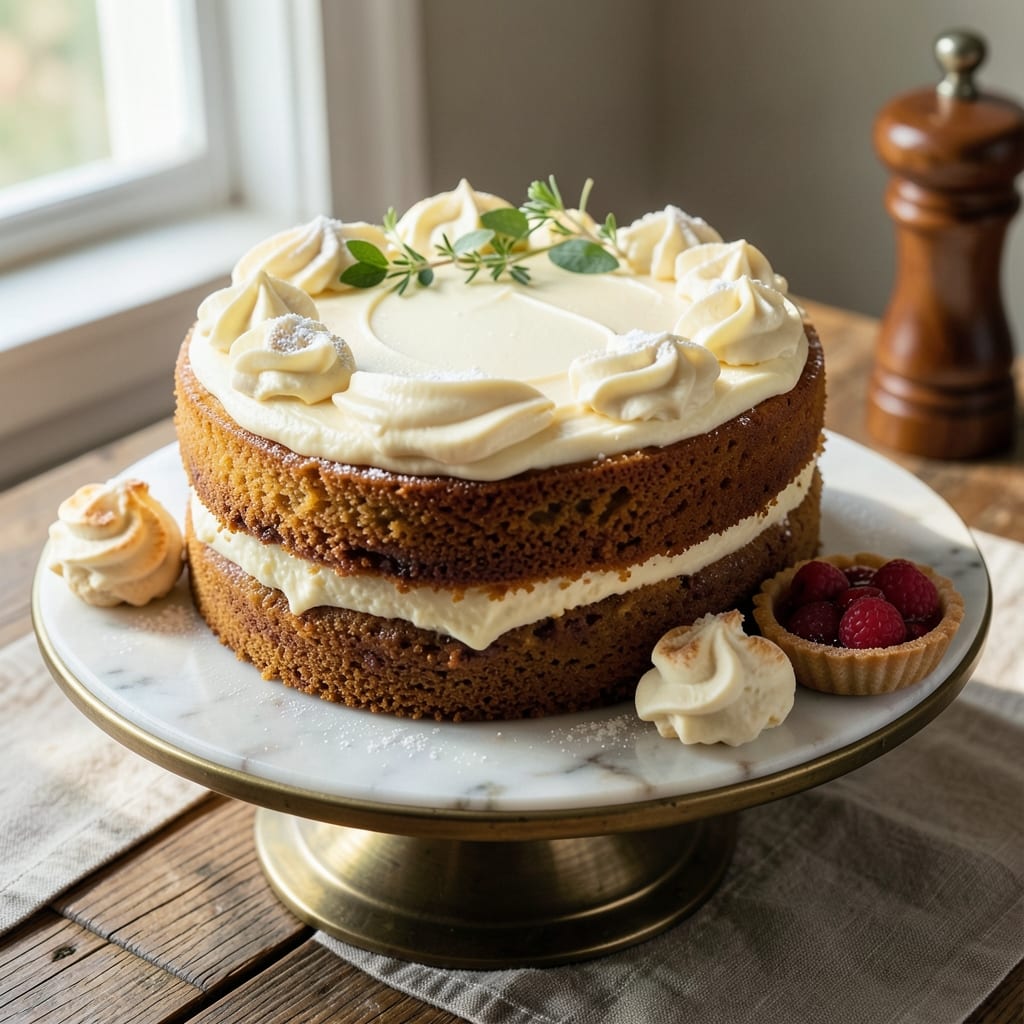
This all butter cake recipe delivers the perfect balance of a golden, crackly crust and an impossibly moist crumb—thanks to the magic of high-fat butter. The secret lies in creaming butter and sugar properly, which creates air pockets that keep the cake light and tender. I've baked this recipe dozens of times, and it never fails to impress with its rich flavor and professional-quality texture.
The beauty of this recipe is its simplicity—just six core ingredients come together to create something extraordinary. Unlike oil-based cakes, butter adds unmatched richness and a delicate flavor that makes every bite feel special. The cake bakes up with a perfect dome shape and that coveted golden crust, while staying moist for days when stored properly.
What you'll end up with is a cake that's ideal for celebrations or everyday treats, with a texture that's both tender and sturdy enough to hold frosting beautifully. The butter's fat content creates a velvety crumb that practically melts in your mouth, making this the perfect base for vanilla buttercream, fresh berries, or even a simple dusting of powdered sugar.
This recipe is designed to be foolproof, with clear instructions for achieving that signature all-butter cake texture every time. Whether you're a beginner or an experienced baker, the techniques here will help you master this classic dessert. Let's get started!
Ingredients for all butter cake
Six core ingredients transform into a golden, melt-in-your-mouth masterpiece—all thanks to butter's magic.
| Ingredient | Amount | Notes |
|---|---|---|
| Unsalted Butter 🧈 | 1 cup | Room temperature, high-fat preferred |
| Granulated Sugar 🍚 | 1 ½ cups | White or light brown |
| All-Purpose Flour 🌾 | 2 cups | Sifted, spooned lightly |
| Large Eggs 🥚 | 3 whole | Room temperature, separated |
| Vanilla Extract 🌸 | 1 tbsp | Pure, high-quality preferred |
| Baking Powder 🧂 | 1 ½ tsp | Aluminum-free preferred |
| Salt 🧂 | ½ tsp | Fine sea salt |
| Whole Milk 🥛 | ½ cup | Room temperature |
| Cornstarch 🌾 | 1 tbsp | For tender texture |
The butter is non-negotiable here—high-fat, unsalted butter (80%+ fat content) gives that signature rich flavor and tender crumb. European-style butter like Plugrá or Kerrygold is ideal, but any good-quality brand works. Room temperature is key—press the butter with your finger; it should dent but not flatten. The sugar? White or light brown—no need to splurge on fancy varieties. Flour should be sifted to avoid dense pockets, and King Arthur or Gold Medal are my go-tos for consistent results. Eggs? Room temperature makes all the difference in that light, airy texture.
No vanilla extract? Vanilla bean paste works too, or a scraped vanilla bean if you're feeling fancy. Short on baking powder? Baking soda plus cream of tartar at a 1:2 ratio gets you close. The cornstarch is a secret weapon—it keeps the crumb tender without making the cake gummy. For the milk, whole milk is best (the fat content mirrors the butter's richness), but 2% works in a pinch. Need to substitute? Evaporated milk or even water can work, but the texture won't be quite as velvety. And if you're using a boxed cake mix? Skip it—this is all about that butter magic!
This cake stays moist for 4-5 days at room temperature, wrapped tightly in plastic. For longer storage, freeze slices for up to 3 months—just thaw at room temp before serving. The secret to reheating? Warm in a 300°F oven for 5-10 minutes to restore that fresh-baked magic. And if you're prepping ahead? Bake the day before—the flavors deepen overnight, making it perfect for celebrations.
Why You'll Love This Recipe
- Three-Ingredient Magic: I swear, this cake feels like cheating—just butter, sugar, and flour, yet it’s ridiculously moist. No fancy stabilizers, no weird substitutions; just the real deal, every time.
- Rich Butter Love: That first forkful? Pure indulgence. The cold, creamy butter fat keeps this cake tender for days, while the vanilla extract adds that warm, cozy depth that makes it taste like a hug from your grandma’s kitchen.
- Party or Picnic: Slice it for a birthday, pack it for a hike, or just eat it straight from the pan—this cake handles everything. It’s sturdy enough for transport but still melts in your mouth, so no one will guess it’s been sitting around.
- Budget Baking Win: A single stick of butter and a bag of flour stretch far, and eggs? Always in the fridge. This recipe’s simplicity means more cake for less cash, plus leftovers that stay fresh for days—no sad, dry crumbs here.
Step-by-step instructions for all butter cake
This cake delivers that perfect golden crust and ultra-moist crumb we all crave—here's how to nail it every time.
👨🍳 Step 1: Cream Butter and Sugar to Fluffy Perfection
First, let that 1 cup unsalted butter sit at room temperature until it's soft enough to leave a slight indent when pressed. In a stand mixer with the paddle attachment, beat the butter on medium speed for 3-4 minutes until it's completely smooth and pale.
Gradually add the 1.5 cups granulated sugar while continuing to mix on medium speed. You're looking for a light, airy texture that nearly doubles in volume—this creates those signature tender crumbs. Here's the thing: don't rush this step. The butter should be completely incorporated and look like whipped cream before moving forward.
👨🍳 Step 2: Add Eggs and Vanilla for Rich Flavor
Add the 3 whole large eggs, one at a time, mixing on low speed after each addition until fully incorporated. Then stir in the 1 tablespoon vanilla extract. The mixture will look slightly curdled at first, but don't worry—it'll come together when we add the dry ingredients.
I always use room temperature eggs for this recipe. Cold eggs can cause the butter to seize up, leading to a dense cake. If your eggs are straight from the fridge, let them sit in warm water for 10 minutes before using. This step ensures maximum moisture and that perfect tender crumb we're after.
👨🍳 Step 3: Combine Dry Ingredients for Light Texture
In a separate bowl, whisk together the 2 cups all-purpose flour, 1.5 teaspoons baking powder, 0.5 teaspoon salt, and 1 tablespoon cornstarch. Sift the flour mixture directly into the wet ingredients while mixing on low speed for 30-45 seconds until just combined.
Real talk: don't overmix here. You want to see a few flour streaks remaining—this prevents tough cake. Then gently fold in the 0.5 cup whole milk using a spatula until the batter is smooth and just barely holds its shape when dropped from a spoon. The batter should be thick but pourable.
🔥 Step 4: Bake to Golden Perfection
Preheat your oven to 350°F and grease two 9-inch round cake pans thoroughly with butter and flour. Divide the batter evenly between the pans and smooth the tops with a spatula. Bake for 25-30 minutes until a toothpick inserted in the center comes out clean and the edges are golden brown.
Here's where it gets fun—the cake should spring back when gently pressed in the center. If the tops brown too quickly, tent the pans with foil after 15 minutes of baking. Let the cakes cool in the pans for 10 minutes before transferring to a wire rack to cool completely. Patience here prevents cracking!
Pro Tips For Making All Butter Cake
- Use Room-Temp Butter: Cold butter makes dense, greasy cake—no one wants that. Let your butter sit out for 60-90 minutes until it’s soft enough to press with a finger but still holds its shape. (Yes, even if you’re impatient like me, this step makes a real difference.)
- Mix Just Until Combined: Overmixing turns your cake into a tough, chewy brick. Once the flour is barely incorporated, stop—lumps are fine. The moment the batter starts looking smooth, you’ve gone too far. (Your future self will thank you.)
- Don’t Overfill the Pans: All-butter cake rises less than other cakes, so fill pans only ⅔ full. Packing them too tight guarantees a dome that spills over or a dense center. (I learned this the hard way after cleaning batter off my oven racks.)
- Add a Splash of Milk: No buttermilk? No problem. Replace the water in your recipe with 1 tablespoon of milk per cup of liquid—it tenderizes the crumb and balances the richness. (Sounds weird, but it works every time.)
Serving suggestions for this recipe
Classic Frosting Pairings
Vanilla buttercream is the ultimate match—whip 1 cup softened butter, 4 cups powdered sugar, 2 tbsp milk, and 1 tsp vanilla extract until fluffy. For extra richness, fold in 2 tbsp whipped cream. I often add a pinch of salt to balance sweetness. Spread between cooled layers or over the top for a professional finish. 🍰
Fresh Fruit Toppings
Berries elevate this cake instantly. Try 1 cup sliced strawberries or raspberries arranged in a circular pattern on top. For something more decadent, layer thinly sliced peaches or kiwi with a drizzle of honey. I recommend adding fruit just before serving to keep it vibrant and juicy.
Warm Spiced Whipped Cream
Heat 1 cup heavy cream with 2 tbsp brown sugar and ½ tsp cinnamon until steaming (don't boil). Whip until soft peaks form, then chill for 1 hour. Spoon over cake slices for a warm, aromatic contrast. This works especially well with the cake's rich butter flavor.
Coffee or Tea Pairings
A strong dark roast coffee or Earl Grey tea complements the cake's buttery richness. For a dessert pairing, try a cortado with its creamy texture or an English Breakfast tea to cut through the sweetness. I often serve this cake with a small cup of coffee for that classic afternoon treat feel.
Chocolate Ganache Drizzle
Melt ½ cup dark chocolate chips with ¼ cup heavy cream over a double boiler, then let cool until thickened. Drizzle over cake slices or use as a filling between layers. The chocolate's bitterness contrasts beautifully with the cake's sweetness. For extra flair, sprinkle with crushed pistachios or sea salt flakes.
Seasonal Variations
For summer, add lemon zest to the batter and top with blueberries. In fall, swap vanilla for maple syrup and add candied walnuts. Winter calls for a spiced syrup (warm ½ cup orange juice with 1 tbsp brown sugar and ½ tsp cinnamon) drizzled over slices. These seasonal twists keep the cake exciting year-round. 🍂
Nutrition facts
Frequently asked questions
Why does this recipe use so much butter?
The high butter content creates that signature rich flavor and tender crumb. Butter's fat content (80%+) contributes to moisture retention and that melt-in-your-mouth texture. Unlike oil-based cakes, butter adds unmatched depth of flavor and a delicate crunch in the crust. Think of it as the secret ingredient that makes this cake truly special.
Can I make this cake in a single layer instead of two?
Use a 9-inch round pan or 9x13-inch baking dish and reduce baking time by 5-10 minutes. For a sheet cake, spread batter evenly and bake until a toothpick comes out clean. The texture will be slightly denser but still delicious. Perfect for birthdays or office parties when you need a crowd-pleaser!
What's the best way to store leftover cake?
Wrap tightly in plastic wrap and store at room temperature for 4-5 days. For longer storage, freeze slices in an airtight container for up to 3 months. To refresh stale slices, warm in a 300°F oven for 5-10 minutes—they'll taste almost as good as fresh! The butter content helps maintain moisture longer than oil-based cakes.
How do I fix a cake that's cracked on top?
Cracking usually happens from overbaking or cooling too quickly. If it's minor, simply frost over the cracks—they'll disappear! For deeper cracks, brush with simple syrup (equal parts sugar and water) before frosting. To prevent this, bake until just done (toothpick test) and let cool in the pan for 10 minutes before removing. The cornstarch in the recipe helps reduce cracking too.
Can I substitute butter with something else?
While butter is essential for that signature flavor, you can use vegetable shortening for a similar texture (though less flavorful). For a lighter option, use half butter and half oil, but the cake will be less rich. The butter's fat content is what creates that perfect tender crumb—don't skip it if you want the authentic experience!