
Desserts
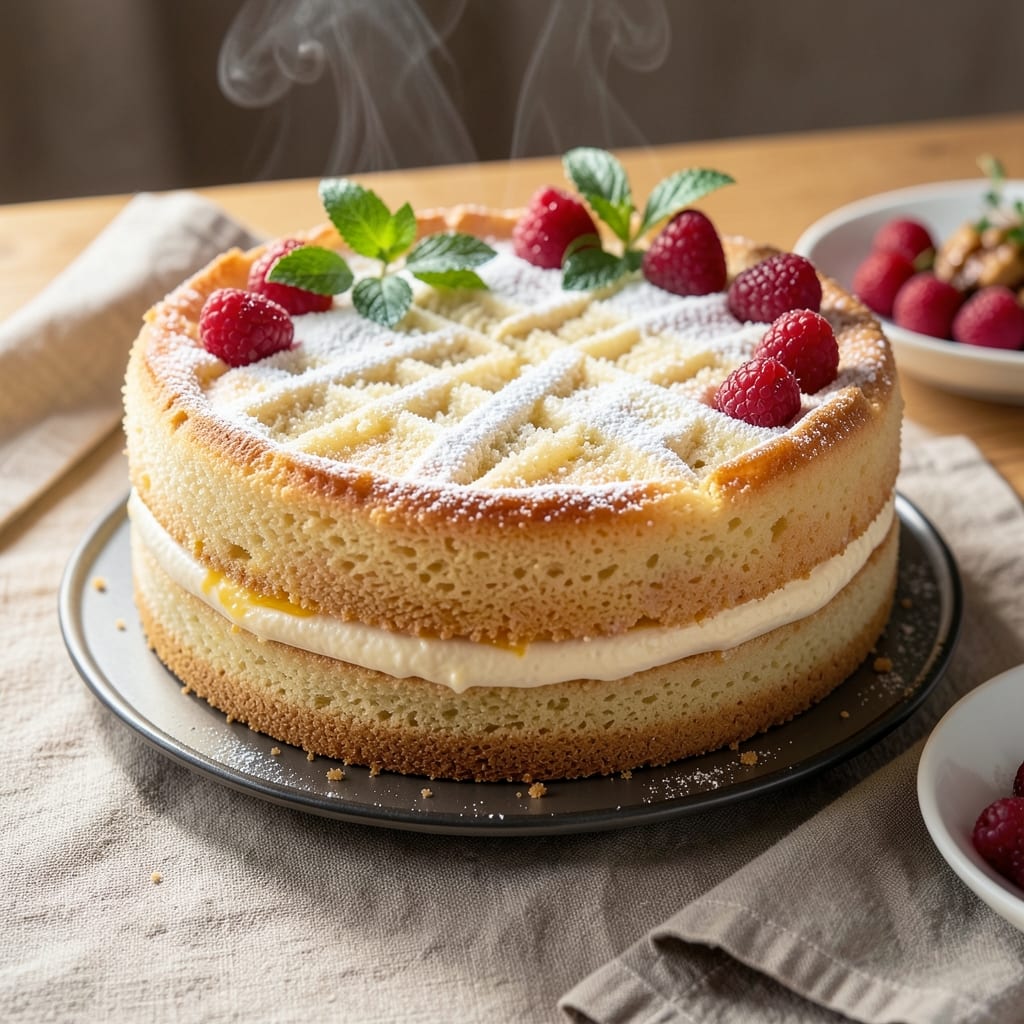
This 8-inch sponge cake recipe delivers the perfect balance of lightness and structure—ideal for elegant desserts without the fuss of fondant bridges. The secret lies in precise ingredient ratios and gentle folding, creating a cake that holds its shape beautifully while remaining tender. I've perfected this method after years of trial and error, ensuring every slice meets that ideal texture: airy yet sturdy, with just enough moisture to keep it fresh.
What sets this recipe apart is its adaptability—whether you're crafting a single-tiered masterpiece or stacking layers for a dramatic presentation, the technique remains the same. The cake bakes at a steady 350°F for 25-30 minutes, yielding a golden top and a springy crumb that resists crumbling. No special equipment is needed beyond a standard 8-inch round pan and a fine-mesh sieve for sifting dry ingredients.
The result is a cake that's foolproof for beginners but refined enough for advanced bakers, with a subtle vanilla flavor that pairs perfectly with buttercream, whipped cream, or fresh fruit. The key to its stability? A precise mix of cake flour and leavening agents that creates a sturdy yet delicate crumb—no heavy-handed mixing required. This is the kind of cake that makes even the simplest dessert feel like a showstopper.
For those aiming for tiered heights, the same batter works flawlessly when baked in layers and stacked with a simple crumb coating or light buttercream. The recipe scales effortlessly, making it perfect for special occasions or everyday indulgence. Let’s get started on creating a cake that’s as impressive as it is delicious.
Ingredients for 8 inch sponge cake
Nine essential ingredients for a foolproof sponge cake that holds its shape beautifully.
| Ingredient | Amount | Notes |
|---|---|---|
| Unsalted Butter 🧈 | ½ cup | Softened to room temperature |
| Granulated Sugar 🍚 | 1 cup | Superfine preferred for smoothness |
| Large Eggs 🥚 | 4 whole | Room temperature for even mixing |
| All-Purpose Flour 🌾 | 1 cup | Sifted for light texture |
| Cake Flour 🌾 | ½ cup | For delicate crumb structure |
| Pure Vanilla Extract 🍯 | 1 tbsp | High-quality for authentic flavor |
| Baking Powder 🍃 | 1 ½ tsp | Freshly measured for lift |
| Salt 🧂 | ¼ tsp | Fine sea salt preferred |
| Whole Milk 🥛 | ¼ cup | Room temperature for blending |
The butter matters most here—unsalted, room-temperature is non-negotiable for that tender crumb. Land O'Lakes or Plugrá are reliable brands, but any good-quality unsalted will work. The difference between cake flour and all-purpose flour is subtle but critical: cake flour gives that signature delicate texture. Bob's Red Mill makes a great pre-sifted version if you're short on time. Eggs should be at room temperature—cold eggs create air pockets that deflate during baking. For the vanilla, McCormick or Nielsen-Massey delivers the best flavor without artificial aftertaste. Buy it in the baking aisle, not the imitation section.
No cake flour? Substitute with 0.5 cup all-purpose flour minus 2 tbsp cornstarch—it's the secret to mimicking cake flour's lightness. Short on vanilla? Vanilla bean paste or almond extract at half the amount works in a pinch, though the flavor profile shifts slightly. The milk can be swapped for water or buttermilk, but whole milk gives the best moisture balance. Baking powder must be fresh—if it's over a year old, toss it. The Diamond Crystal brand is my go-to because it's lighter than others. For tiered cakes, divide the batter evenly between pans—8-inch pans for single layers, 6-inch for stacked tiers.
Store the batter at room temperature for up to 24 hours before baking—it actually improves as it rests. Once baked, cool the cake completely on a wire rack before stacking layers. Parchment paper between tiers prevents sticking. The cake keeps well wrapped at room temperature for 3 days or in the fridge for 5 days. For longer storage, freeze slices wrapped individually for up to 3 months. The secret to reheating? 5 seconds in the microwave brings back that fresh-baked texture without drying it out.
Why You'll Love This Recipe
- No-Fuss Mixing: I swear by this sponge’s simplicity—just creamed butter, sugar, and eggs folded into flours until just combined. No overmixing, no guesswork, and that signature light texture happens every time. (Yes, even if I rush.)
- Butter-Sugar Magic: That slow butter-sugar cream until it’s pale and fluffy? It’s the secret. The eggs add richness without heaviness, and the combo of all-purpose and cake flour gives it that perfect balance—tender crumb but still sturdy enough to slice.
- Layering Champion: This cake holds its shape like a dream, so it’s my go-to for birthdays, picnics, or even breakfast. Stack it with whipped cream, fill it with jam, or serve it plain—it’s the blank canvas I always reach for when I need something reliable.
- Budget-Friendly Stretch: A single 8-inch cake feeds four generously, and leftovers? They’re even better the next day. I’ll be real—it’s the kind of recipe where the ingredients don’t break the bank, but the results feel special enough for company. (My wallet approves.)
Step-by-step instructions for 8 inch sponge cake
This method delivers a perfectly structured, tiered sponge cake without relying on fondant bridges.
Prepare the Cake Pans and Preheat the Oven
Grease two 8-inch round cake pans thoroughly with the 0.5 cup unsalted butter, then line the bottoms with parchment circles cut to fit. Dust the pans lightly with 1 cup all-purpose flour and tap out any excess. This prevents sticking and ensures clean release later. Place the pans on a baking sheet to catch any overflow.
Preheat your oven to 350°F and position the racks in the middle position. I use an oven thermometer to confirm accuracy—home ovens often run hot or cold. Let the oven fully preheat while you prepare the batter, as cold pans can cause uneven baking.
Whip Eggs and Sugar to Ribbon Stage
In a stand mixer fitted with the whisk attachment, combine the 4 whole large eggs and 1 cup granulated sugar. Beat on medium-high speed for 2-3 minutes until the mixture triples in volume and forms soft peaks that hold their shape briefly. This stage is critical—under-whipped eggs create dense cake, while over-whipped eggs can deflate during baking.
Stop the mixer and scrape down the sides with a silicone spatula. Add the 1 tbsp pure vanilla extract and mix on low speed for 10 seconds to incorporate. The vanilla enhances flavor without altering the delicate structure you've built. Here's the thing—room temperature eggs whip better, so if yours are cold, let them sit at room temperature for 30 minutes before starting.
Fold in Dry Ingredients and Milk
In a separate bowl, sift together the 1 cup all-purpose flour, 0.5 cup cake flour, 1.5 tsp baking powder, and 0.25 tsp salt. Gently fold one-third of the dry mixture into the egg mixture using a spatula, cutting through the center to maintain air incorporation. Repeat with another third, then the final third.
Add the 0.25 cup whole milk and fold gently until just combined—you should still see streaks of flour. Overmixing develops gluten, which makes the cake dense. I like to use the "spoon and fold" technique: dip the spatula into the batter, bring it up, and fold over the top. This preserves the air bubbles created during whipping.
Divide and Bake for Even Height
Divide the batter evenly between the two prepared pans, smoothing the tops with an offset spatula. Tap each pan gently on the counter to release any air bubbles. Bake for 25-30 minutes until the tops spring back when touched and a toothpick inserted in the center comes out clean. Rotate the pans halfway through baking for even browning.
Here's where precision matters: the cake should be golden but not browned. If the edges brown too quickly, tent with foil. Let the cakes cool in their pans for 10 minutes, then transfer to a wire rack to cool completely before removing the parchment. This gradual cooling prevents cracking and maintains structural integrity for tiering.
Pro Tips For Making 8 Inch Sponge Cake
- Whip Butter & Sugar Cold: Take your butter straight from the fridge—no softening needed. I learned this the hard way after overmixing warm butter into a greasy mess. Cold butter creates air pockets better, and your cake will rise higher. Beat on medium until light and fluffy (about 3-5 minutes), then add eggs one at a time.
- Sift Flours Together: Mix cake flour and all-purpose flour in a bowl first, then sift them together. This balances protein content and prevents dense spots. I used to sift them separately, and the texture was noticeably lighter when I started combining them upfront.
- Don’t Overmix the Batter: Fold in dry ingredients just until combined—lumpy is better than overworked. Overmixing develops gluten, and your cake will turn tough instead of tender. Stop when no dry streaks remain, even if it looks uneven.
- Use Room-Temp Eggs: Let eggs sit in warm water for 5 minutes before adding—this ensures even emulsification. Cold eggs can curdle the butter mixture, and you’ll end up with a cake that’s greasy instead of moist. Trust me, this small step makes a real difference.
Wine and beer pairings for these flavors
Classic White Wine
An 8-inch vanilla sponge cake pairs beautifully with crisp, dry white wines that complement its delicate sweetness without overpowering it. I reach for Sauvignon Blanc from New Zealand—its zesty citrus notes and herbal undertones cut through the cake’s richness while enhancing the vanilla. A Marlborough Sauvignon Blanc like Oyster Bay or Kim Crawford is my go-to, offering bright acidity that refreshes your palate between bites. 🍷
For a slightly richer option, try a Chardonnay with subtle oak aging—look for one from California’s Sonoma Coast or Burgundy’s Chablis region. The buttery notes in the wine mirror the cake’s tender crumb, creating a harmonious balance. Avoid overly oaky Chardonnays, as they can clash with the cake’s lightness.
Light Red Wine
If you prefer red wine, opt for a Pinot Noir with delicate tannins and red fruit flavors. A Oregon Pinot Noir like Domaine Serene or a Burgundy Pinot from Gevrey-Chambertin works wonders—its bright acidity and cherry notes complement the vanilla without overwhelming the cake’s subtle sweetness. The key is to choose a Pinot with low tannins to avoid bitterness.
For a bolder but still complementary pairing, try a light Beaujolais like Brouilly or Fleurie. These wines have juicy raspberry flavors and a smooth finish that pairs surprisingly well with the cake’s vanilla essence. Serve slightly chilled (55°F) to enhance their fruitiness.
Sparkling Wine
Celebrate your cake with a Prosecco or Cava—their effervescence cleanses the palate and makes the cake taste even lighter. A Veneto Prosecco like La Marca or a Spanish Cava from Freixenet adds a festive touch to any occasion. The slight sweetness in some Proseccos also enhances the cake’s vanilla notes, creating a delightful contrast.
For a more luxurious option, try a Champagne like Veuve Clicquot Brut or a French Crémant. The crisp acidity and fine bubbles elevate the cake to a restaurant-quality dessert experience. Serve in flute glasses to maintain the bubbles and enhance the celebratory feel.
Beer Pairings
For beer lovers, a wheat beer or Belgian witbier is the perfect match. A Hoegaarden or Blue Moon with its coriander and citrus notes complements the cake’s vanilla and adds a refreshing twist. The slight sweetness in these beers balances the cake’s richness without competing.
If you prefer darker beers, try a light amber ale with subtle caramel notes, like Allagash White or Sierra Nevada Pale Ale. The malty sweetness pairs surprisingly well with the cake’s vanilla, creating a unique but harmonious combination. Serve the beer slightly chilled (45°F) to enhance its crispness.
Nutrition facts
Frequently asked questions
Why does this sponge cake recipe use both all-purpose and cake flour?
The combination creates the perfect balance of structure and tenderness. Cake flour gives that signature light, airy texture, while all-purpose flour adds just enough body to prevent the cake from being too delicate for tiering. This blend is especially important for 8-inch cakes that need to hold their shape without crumbling.
Can I make this recipe in a different sized pan?
Yes, but adjust the baking time accordingly. For a 6-inch pan, bake for 20-25 minutes (the cake will be thicker), while a 9-inch pan may need 30-35 minutes. Always use the toothpick test to determine doneness. The key is maintaining the same batter depth—about 1.5 inches—for even baking.
What's the best way to stack multiple layers without fondant bridges?
Use a simple crumb coating made from leftover cake crumbs mixed with a little buttercream. Spread a thin layer on each tier, then stack with parchment paper between layers. For extra stability, chill the assembled cake for 30 minutes before decorating. This method creates clean lines without the bulk of fondant.
Why did my sponge cake sink in the middle?
This usually happens from overmixing the batter or opening the oven too soon. The folding technique in this recipe is designed to preserve air pockets—mix just until combined. Also, never open the oven before the 20-minute mark, as the sudden temperature drop can cause collapse. Let the cake cool completely in the pan for 10 minutes before removing.
Can I substitute buttercream with whipped cream for decoration?
Whipped cream adds a lighter texture and pairs beautifully with the vanilla flavor. For stability, whip it with a touch of powdered sugar and 1 tsp cornstarch to prevent melting. Apply it between layers and on top, then chill for 20 minutes before serving. It's especially lovely for summer desserts.