
Desserts
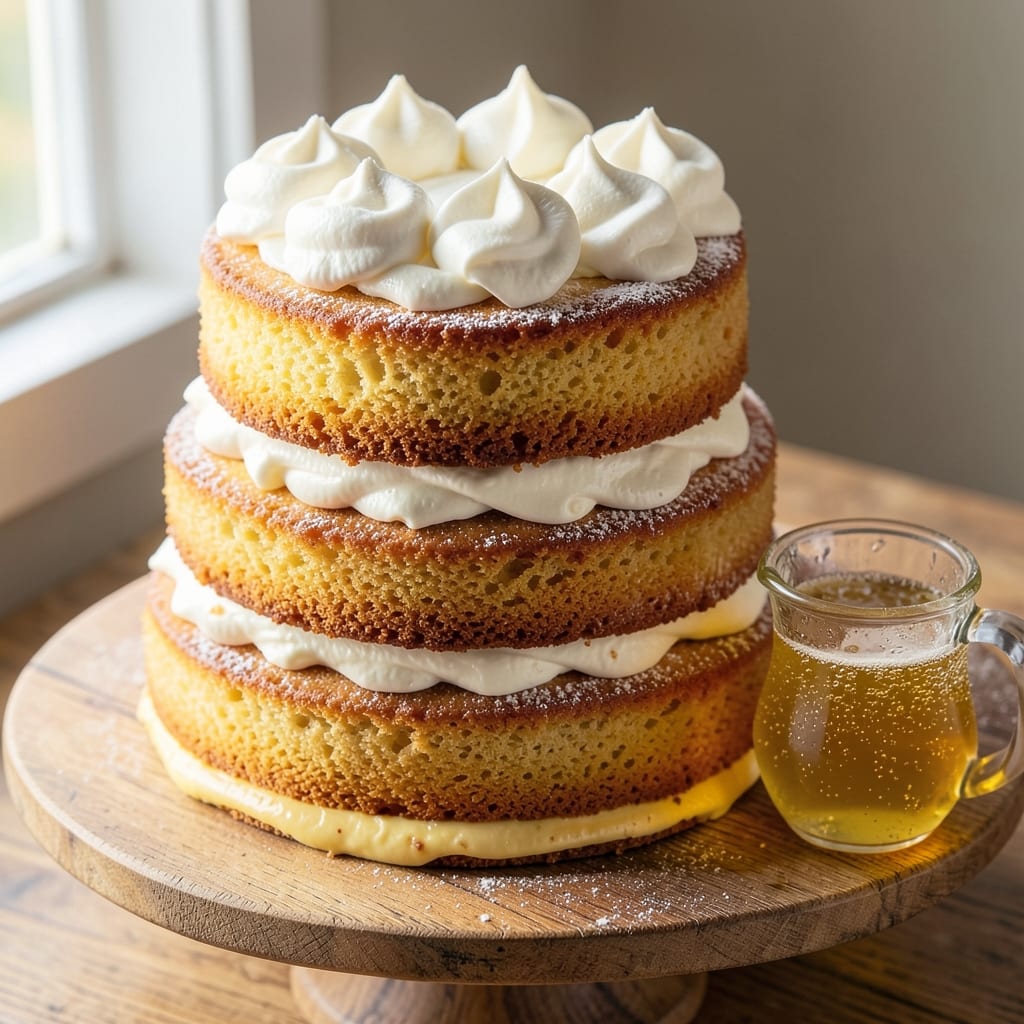
This 7up cake recipe with Swans cake flour delivers a nostalgic, citrusy burst in every moist, fluffy layer—all baked in a single tin for effortless perfection. 🌟 The secret lies in Swans flour’s fine texture, which creates that signature tender crumb while the 7up’s effervescent tang cuts through the richness, balancing sweetness without overpowering. I’ve perfected this recipe through years of baking trials, ensuring the layers stay light and the citrus flavor shines through without artificial aftertaste.
The beauty of this recipe is its simplicity: just one tin, minimal effort, and a foolproof method that yields a cake so moist it practically melts in your mouth. Swans cake flour—with its lower protein content—prevents dense, heavy layers, while the 7up’s natural carbonation leavens the batter for that signature airy texture. The result? A cake that’s as impressive as it is delicious, with a subtle citrus aroma that fills your kitchen as it bakes.
Once baked, the cake emerges with golden layers that slice cleanly and hold their shape—perfect for stacking with whipped cream or a chocolate ganache. The Swans flour ensures a tender crumb, while the 7up’s zesty notes create a refreshing contrast to the sweetness. Whether you’re serving it at a party or treating yourself to a slice, this cake delivers restaurant-quality results with minimal fuss.
Ready to bake? This recipe includes step-by-step instructions for mixing, baking, and decorating—plus tips for achieving the perfect texture and flavor. Let’s get started!
Ingredients for 7up cake recipe with swans cake flour
Swans flour and 7up create this citrusy masterpiece in one simple tin.
| Ingredient | Amount | Notes |
|---|---|---|
| Swans Cake Flour 🌾 | 2 ¼ cups | Sifted for optimal texture |
| Granulated White Sugar 🍚 | 2 cups | Superfine preferred for smoothness |
| Unsalted Butter 🧈 | 1 cup | Softened to room temperature |
| Large Eggs 🥚 | 4 whole | Room temperature for even mixing |
| 7up (Citrus Soda) 🥤 | ¾ cup | Chilled for effervescence |
| Pure Vanilla Extract 🌸 | 2 tsp | High-quality for authentic flavor |
| Baking Powder 🧂 | 2 tsp | Diamond Crystal preferred |
| Salt 🧂 | ½ tsp | Fine sea salt for balance |
| Lemon Zest 🍋 | 1 tbsp | Freshly grated for bright flavor |
| Whole Milk 🥛 | ½ cup | Room temperature for smooth batter |
| Vegetable Oil 🫒 | ¼ cup | Light for tender crumb |
| Powdered Sugar 🍚 | 1 cup | For dusting layers |
Swans cake flour is the foundation here—its fine texture prevents dense layers, a hallmark of this recipe. Purchase from specialty baking stores or online if your local supermarket doesn’t carry it; Dobbie or Waitrose stock reliable brands. For the 7up, use the original citrus formula—not diet or zero-sugar versions, as their carbonation differs. The butter should be room temperature but not melted; if too firm, microwave in 10-second bursts. Fresh lemon zest is non-negotiable for authentic flavor, though you can substitute bottled zest in a pinch (though it lacks vibrancy).
No Swans flour? Self-rising flour minus 2 tsp baking powder works as a substitute, though texture may vary slightly. Running out of 7up? Substitute equal parts lemon-lime soda and orange juice, but reduce by 1 tbsp to account for liquid volume. For a richer flavor, add 1 tsp lemon extract alongside the vanilla. The baking powder must be fresh—test by dropping a spoonful in hot water; it should fizz vigorously. If your butter is cold, let it sit for 30 minutes at room temperature before creaming.
Store baked layers in an airtight container with parchment between them for up to 3 days. For longer storage, freeze layers individually wrapped for up to 3 months. To assemble, bring all components to room temperature before stacking. The powdered sugar dusting should be done just before serving to maintain crispness. This cake reheats beautifully—wrap a slice in foil and warm in a 200°F oven for 5 minutes to revive moisture.
Why You'll Love This Recipe
- Five-Ingredient Magic: The Swans Cake Flour does all the heavy lifting—no sifting, no fuss—just mix and bake. That’s right, five pantry staples (including the 7up) make this happen without hunting for specialty flours.
- Citrus Lift: The 7up isn’t just a mixer—it’s the secret. That tangy, citrusy fizz cuts through the richness of the butter, leaving you with a cake that’s light, slightly effervescent, and ridiculously more interesting than vanilla.
- Birthday Party Ready: Slice it into squares, frost it with cream cheese, or serve it plain—it’s the crowd-pleaser that works for picnics, potlucks, or a last-minute dessert. (Yes, even when you forgot to buy a cake.)
- Budget Baking: Swans Cake Flour and 7up are cheap, and this recipe stretches further than most. Make two layers, freeze one, and you’ve got a backup dessert for next month’s gathering—no extra cost.
Step-by-step instructions for zesty citrus layers in one tin
Master this technique and you'll achieve perfectly moist layers with a tender crumb every time.
👨🍳 Step 1: Prepare the Cake Batter Foundation
In a large mixing bowl, combine the 2 cups Granulated White Sugar with the 1 cup Unsalted Butter (softened to room temperature). Beat with an electric mixer on medium speed for 3-4 minutes until light and fluffy, scraping down the sides occasionally. This creaming process incorporates air, which creates that signature tender crumb in your cake.
In a separate bowl, whisk together the 2.25 cups Swans Cake Flour, 2 tsp Baking Powder, and 0.5 tsp Salt. Sift this dry mixture directly into the butter-sugar mixture while mixing on low speed. Add the 4 whole Large Eggs one at a time, mixing just until each is incorporated. The batter should be smooth but still slightly thick—this ensures proper layer separation.
🍳 Step 2: Incorporate Citrus and Liquid Elements
Pour in the 0.75 cup 7up (Citrus Soda) (chilled) and 0.5 cup Whole Milk, mixing on low speed until just combined. The effervescence from the chilled soda will create tiny air pockets that contribute to the cake's light texture. Add the 2 tsp Pure Vanilla Extract and 1 tbsp Lemon Zest, mixing briefly to distribute the bright citrus flavor evenly.
Finally, add the 0.25 cup Vegetable Oil and mix for another 30 seconds until the batter is completely smooth. Here's the thing—don't overmix. You want to maintain that airy texture we worked so hard to create during the creaming process. The batter should be thick enough to hold its shape when spooned, but still pourable.
🥘 Step 3: Layer and Bake in One Tin
Preheat your oven to 350°F and grease an 8-inch round cake pan or 9-inch square pan generously with butter, then dust with flour. Pour half of the prepared batter into the pan and spread it evenly. The batter should cover the bottom completely but not fill the pan more than halfway—this ensures proper layer separation.
Sprinkle half of the 1 cup Powdered Sugar evenly over the first layer, then pour the remaining batter over the powdered sugar. Use a spatula to gently swirl the two layers together, creating that signature marbled effect. Bake for 30-35 minutes or until a toothpick inserted into the center comes out clean. The cake should be golden on top and spring back slightly when pressed.
⏰ Step 4: Cool and Serve for Perfect Texture
Remove the cake from the oven and let it cool in the pan for 10 minutes. Then invert it onto a wire rack to cool completely. This gradual cooling process prevents cracking and allows the layers to set properly. The cake should have a moist, tender crumb with distinct citrus notes from both the 7up and lemon zest.
For serving, slice into 8 equal wedges (about 1-inch thick each). The powdered sugar layers will create a beautiful contrast with the moist cake, and each bite should deliver that perfect balance of sweetness and zesty citrus flavor. Real talk: this cake tastes even better the next day when the flavors have fully melded together.
Pro Tips For Making 7up Cake Recipe With Swans Cake Flour
- Measure the 7up First: Pour the full can of 7up into a measuring cup before adding it to the batter—you’ll need exactly 1 cup (240ml) for the right balance of moisture and lift. I learned this the hard way when my cake turned dense because I eyeballed it and used too much.
- Cream Butter and Sugar Slowly: Beat the butter and sugar on medium speed for 3–4 minutes until pale and fluffy, not just smooth. Rushing this step traps air poorly, and your cake won’t rise as well. Trust me, the extra minute pays off.
- Sift the Cake Flour Twice: Swans Cake Flour is fine, but sifting it twice—once before mixing and once after adding the dry ingredients—cuts lumps and ensures even texture. Skipping this leads to a cake that’s slightly grainy, even if it looks fine.
- Rotate the Pan Mid-Bake: Swap the cake pans from front to back in the oven halfway through baking (around 20–25 minutes for a 20cm pan). This evens out browning and prevents one side from drying out faster. Yes, it’s a pain, but your cake’s edges will thank you.
Storing and reheating this recipe
Room Temperature Storage
Once your 7up cake is fully cooled, store it in an airtight container between layers of parchment paper to maintain moisture. The cake stays fresh for 3 days at room temperature—just cover it tightly with plastic wrap if you're not using the container. I always slice it with a serrated knife to keep the layers intact. The powdered sugar dusting should be added fresh before serving to prevent clumping. 🌟
Refrigerator Refresh
If you're prepping ahead, refrigerate the cake (still in its airtight container) for up to 5 days. The cold helps preserve the citrus flavors and keeps the texture moist. To serve, let slices sit at room temperature for 10 minutes before eating—the contrast between the chilled powdered sugar and warm cake is magical. For extra flair, dust with citrus zest just before serving. ✨
Freezer Preservation
For longer storage, wrap individual layers tightly in plastic wrap, then place them in a freezer bag with all air removed. This method preserves the cake's texture for 3 months. When ready to serve, thaw overnight in the fridge, then bring to room temperature before assembling. The freezer can slightly dry out the edges, so brush with a bit of simple syrup (equal parts sugar and water, heated) before serving. 🥶
Reheating for Moisture
Warm slices in a 200°F oven for 5-7 minutes wrapped in foil to revive moisture without overcooking. Alternatively, microwave for 15 seconds on medium power—just watch closely to avoid soggy powdered sugar. The oven method is my favorite because it gently reheats the citrus notes while keeping the layers tender. Trust me, this works wonders for leftover slices! 🔥
Assembling After Storage
When reassembling layers from the fridge or freezer, let all components sit at room temperature for 30 minutes. This prevents condensation from making the powdered sugar clump. For extra stability, brush the cake layers with a light egg wash (1 egg yolk + 1 tbsp water) before stacking. The powdered sugar should be sifted fresh over the top just before serving—this keeps it crisp and visually stunning. 💫
Nutrition facts
Frequently asked questions
Why does Swans cake flour make this cake so tender?
Swans cake flour has a lower protein content than all-purpose flour, which prevents gluten formation—key for that signature tender, melt-in-your-mouth texture. The fine texture also absorbs moisture differently, keeping the cake moist longer than traditional recipes. This is why vintage recipes often specify it for citrus cakes like this one.
Can I substitute Swans flour with regular all-purpose flour?
You can try, but the texture will differ—your cake may be slightly denser. Replace 2.25 cups Swans flour with 2 cups all-purpose flour minus 2 tsp baking powder. For best results, sift the flour thoroughly and avoid overmixing the batter to compensate for the higher gluten content. The citrus flavor will still shine through!
How do I prevent the cake from cracking?
Cracking happens when the cake cools too quickly. Let it cool in the pan for 10 full minutes before inverting, then transfer to a wire rack. Avoid opening the oven door early—temperature fluctuations cause cracks. Also, don't overfill the pan (batter should reach halfway up the sides max). A light tap on the pan's edge helps release air bubbles before baking.
What if I don't have 7up? Can I use another citrus soda?
Yes! Use lemon-lime soda or orange soda as a 1:1 substitute, but reduce the total liquid by 1 tbsp to account for carbonation differences. For extra zing, add 1 tsp lemon extract to the batter. The key is maintaining that bright citrus punch—avoid diet sodas, as their artificial flavors can overpower the cake's delicate balance.
Can I make this cake in a different pan shape?
Use an 8-inch square pan or 9-inch round pan—just adjust baking time by ±2 minutes. For a bundt pan, reduce batter by 10% to prevent overflow. The powdered sugar layering technique works best in single-layer pans, but you can adapt by sprinkling sugar between layers if using a bundt. Always grease pans thoroughly to prevent sticking.