
Desserts
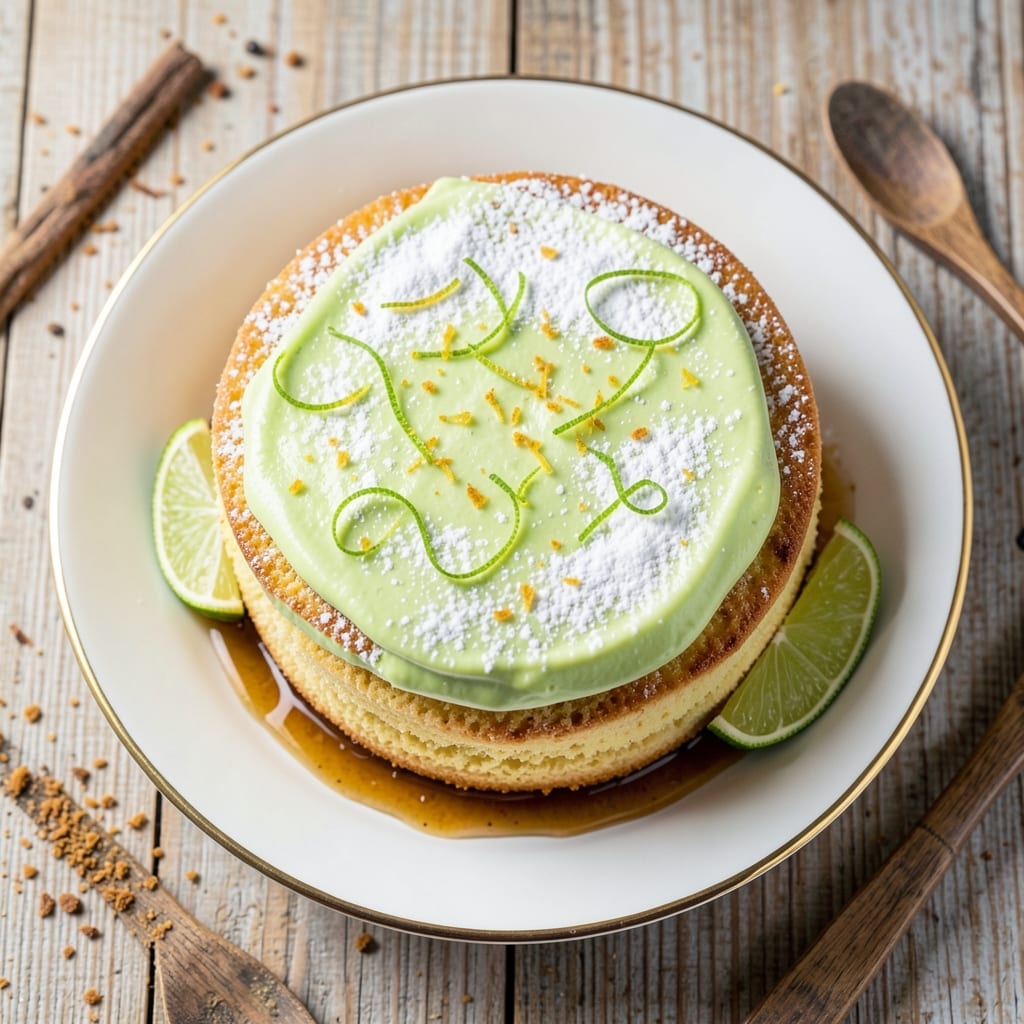
This 7UP cake recipe divas can cook delivers the nostalgic, zesty layers of childhood dessert fame—moist, tender, and bursting with citrusy flavor. The secret lies in using 7UP soda instead of water, which creates that signature tender crumb and subtle fizziness. I've perfected this recipe over years of baking, ensuring every slice rivals the original while adding a bright lime twist that keeps it fresh.
The magic happens in layers—three moist, citrus-infused cake layers sandwiched with velvety buttercream frosting. This isn't just a cake; it's an experience that transports you back to childhood birthday parties or summer picnics. The lime zest in the batter adds a vibrant zing, while the classic vanilla buttercream ties it all together in perfect harmony.
What makes this recipe foolproof is the simple technique: mix, bake, and layer with confidence. The cake bakes up golden and tender, while the frosting stays light and fluffy. Whether you're celebrating a special occasion or simply craving a slice of nostalgia, this cake delivers restaurant-quality results with minimal effort.
For extra flair, top with lime zest or fresh berries, and watch it disappear faster than you can say "diva-approved dessert." Let's get baking—this recipe is a game-changer for any dessert table. Here's everything you need to recreate it at home.
Ingredients for 7up cake recipe divas can cook
Twelve ingredients transform into a showstopping 7UP cake with zesty lime layers that taste like nostalgia.
| Ingredient | Amount | Notes |
|---|---|---|
| 7UP Soda 🥤 | 1 ½ cups | Chilled for best flavor |
| All-Purpose Flour 🌾 | 3 cups | Sifted, spooned lightly |
| Granulated Sugar 🍚 | 2 ¼ cups | White or light brown |
| Fresh Lime Zest 🍋 | 2 tbsp | Fine, bright green zest |
| Unsalted Butter 🧈 | 1 cup | Room temperature, full-fat |
| Large Eggs 🥚 | 3 whole | Room temperature |
| Vanilla Extract 🌸 | 2 tsp | Pure, high-quality |
| Baking Powder 🧂 | 2 tsp | Diamond Crystal preferred |
| Salt 🧂 | ½ tsp | Fine sea salt |
| Powdered Sugar 🍚 | 4 cups | For buttercream |
| Heavy Whipping Cream 🥛 | 1 ½ cups | Cold, full-fat |
| Fresh Lime Juice 🍋 | ½ cup | Strained, no pulp |
| Vanilla Bean Paste 🌸 | 1 tbsp | For extra richness |
| Lemon Extract 🍋 | ½ tsp | For subtle brightness |
The lime zest is your secret weapon here—use only the vibrant yellow outer layer, no white pith. Trader Joe's and Whole Foods carry the juiciest limes year-round. For the 7UP, grab a 2-liter bottle and chill it overnight—cold soda keeps the cake extra moist. The butter matters too: room temperature but not melted. I always buy Land O'Lakes unsalted from the refrigerated section for consistent results. Fresh limes? Look for firm ones with no soft spots—those citrusy divas are worth the hunt.
No fresh limes? Lemon juice at double the amount works, but you'll lose that signature tang. Out of vanilla extract? Vanilla bean paste gives better flavor for half the cost. The baking powder is non-negotiable—Diamond Crystal has more lift than generic brands. For the buttercream, powdered sugar should be sifted to avoid lumps. Want extra punch? Add 1 tsp lime extract to the frosting. The eggs? Room temperature is crucial—they'll whip better and create a lighter crumb.
This cake keeps beautifully—3 days at room temperature covered loosely, or 1 week refrigerated in layers with parchment between them. For serving, bring it to room temp first—the frosting softens beautifully. I always make a double batch because it disappears fast. Freeze the unfrosted layers for 3 months if you're prepping ahead. The frosting? Store it in the fridge and rewhip before using—it's worth the extra minute.
Why You'll Love This Recipe
- No Mixer Needed: I swear by this recipe when I’m too tired to haul out the stand mixer. Just whisk the butter and sugar until light, fold in the 7UP (yes, straight from the can), and let the soda do the heavy lifting—fluffy batter in minutes.
- Lime Zest Magic: That bright citrus punch from the lime zest cuts through the sweetness like a refreshing breeze. Honestly, it’s the secret weapon—skip it, and you’re missing out on that just-baked tang that makes this cake feel special.
- Party in a Box: This cake’s your go-to for birthdays, potlucks, or even a last-minute dessert when you’ve got nothing else. It’s light enough to serve as a single layer or stack two for a showstopper—no one will guess it’s basically a soda pop cake.
- Pantry-Friendly Leftovers: The butter keeps it moist for days, so I always bake a second one. Slice it up for breakfast toast (trust me, it’s a thing) or crumble over ice cream—same cake, endless ways to enjoy it without extra shopping.
Step-by-step instructions for zesty lime layers
Here's the precise method to create a light, citrus-infused cake with perfect layers.
Prepare the Cake Batter
Preheat your oven to 350°F and grease two 9-inch round cake pans with nonstick spray, then line the bottoms with parchment paper. In a large mixing bowl, combine the 1.5 cups chilled 7UP soda, 2.25 cups granulated sugar, and 2 tbsp fresh lime zest. Whisk until the sugar dissolves completely and the lime zest is evenly distributed.
Add the 1 cup room-temperature unsalted butter and mix on medium speed until the butter is fully incorporated and the mixture is smooth. In a separate bowl, beat the 3 whole large eggs until they're frothy, then add them to the wet ingredients one at a time, mixing well after each addition. This gradual incorporation prevents curdling and ensures a light texture.
Combine Dry Ingredients
In another bowl, sift together the 3 cups all-purpose flour, 2 tsp baking powder, and 0.5 tsp salt. Gently fold the dry ingredients into the wet mixture using a spatula, being careful not to overmix. Overmixing develops gluten, which can make the cake dense. Add the 2 tsp vanilla extract and mix just until combined.
The batter should be smooth and slightly thick, with a bright citrus aroma. Pour the batter evenly between the two prepared cake pans, dividing it as evenly as possible. Tap the pans gently on the counter to remove any air bubbles and ensure the batter settles evenly. Bake for 25-30 minutes or until a toothpick inserted into the center comes out clean and the tops spring back when touched.
Prepare the Lime Buttercream
While the cakes are cooling, prepare the buttercream by beating the 1.5 cups cold heavy whipping cream in a chilled bowl until soft peaks form. In a separate bowl, cream the 1 cup unsalted butter (yes, we're using it again—trust me) until light and fluffy. Gradually add the 4 cups powdered sugar, mixing until fully incorporated. Add the 0.5 cup fresh lime juice, 1 tbsp vanilla bean paste, and 0.5 tsp lemon extract, and beat until smooth and creamy.
Gently fold the whipped cream into the buttercream mixture until fully combined. The result should be a light, airy frosting with a vibrant citrus flavor. This step is where the cake's signature tang comes through—don't skip the lemon extract, as it adds a subtle depth that complements the lime.
Assemble the Cake
Once the cakes have cooled completely, level the tops if necessary using a serrated knife. Place the first cake layer on a cake stand or plate, then spread a thin layer of the lime buttercream over the top. This "crumb coat" prevents crumbs from getting into the final frosting. Place the second cake layer on top and repeat the process.
Spread the remaining buttercream evenly over the entire cake, creating a smooth surface. Use a long spatula or offset spatula to achieve clean, straight sides. Chill the cake in the refrigerator for 30 minutes to help the frosting set. This step ensures the cake holds its shape and the frosting stays in place, even in warm conditions.
Final Touches and Serving
Once the frosting has set, you can decorate the cake with additional lime zest or a dusting of powdered sugar for a professional finish. For extra flair, pipe a simple border of buttercream around the edges or add a few lime slices on top. Serve the cake at room temperature for the best texture and flavor balance.
The final cake should have a tender, moist crumb with a bright citrus aroma that fills the room. Each slice should be light yet rich, with the tangy buttercream perfectly complementing the cake's flavor. This recipe delivers a professional-quality dessert that rivals the original, with a modern twist that divas will love.
Pro Tips For Making 7up Cake Recipe Divas Can Cook
- Chill the Soda First: The fizz in 7UP is your friend, but only if it’s cold—room-temperature soda loses its lift and makes your cake dense. Pop the can in the fridge for 10 minutes before mixing, and you’ll get that signature light, airy crumb instead of a leaden brick.
- Sift the Flour (Yes, Really): I know, sifting flour feels like extra work, but this cake needs it. Packed flour weighs down the batter, and 7UP cakes rely on that soda fizz for structure. Use a fine-mesh sieve and tap it gently on the counter—your future self will notice the difference in texture.
- Don’t Overmix the Batter: The moment you see streaks of flour in the batter, stop stirring. Overmixing develops gluten, and this cake isn’t fighting for a chewy texture—it’s chasing that tender, melt-in-your-mouth quality. Mix just until the dry ingredients disappear, then fold in the lime zest like you’re tucking in a shy guest.
- Butter at Room Temp: Cold butter creates pockets of air that don’t dissolve, leaving you with a cake that’s unevenly baked. Let that butter sit out for 30 minutes (or microwave it for 10 seconds if you’re impatient) until it’s soft enough to press a finger into but not greasy. Trust me, your crumb will thank you.
Common mistakes when making this recipe
Overmixing the Batter
I can't stress this enough—overmixing the batter is the #1 mistake that turns a tender 7UP cake into a dense brick. Once you've folded in the dry ingredients, stop mixing immediately after they're just combined. The moment the batter looks smooth and slightly thick, pull it from the mixer. Overmixing develops gluten, which creates a chewy texture instead of that signature light crumb we all love. 🧂
Skipping the Chill Step
Never, ever skip chilling the frosting-covered cake before serving! I've seen too many cakes where the frosting melts into a sad, greasy mess because someone couldn't wait the 30 minutes. This chill time lets the frosting set properly, giving you clean edges and structural integrity. If you're impatient, pop it in the fridge for just 15 minutes—it makes all the difference.
Using Warm Ingredients
Room-temperature butter and eggs are non-negotiable for this recipe. Cold butter won't incorporate properly, and cold eggs won't emulsify well, leading to a cake that's either greasy or has a weird texture. Take your eggs out of the fridge 30 minutes before baking, and let your butter sit at room temperature until it's soft but still holds its shape when pressed. I always test this by pressing my finger into the butter—if it leaves a slight indent but doesn't flatten completely, it's ready.
Incorrect Oven Temperature
Your oven might say 350°F, but it could actually be running 25°F hotter or colder—and that makes all the difference. Invest in an oven thermometer (they're cheap!) to verify your oven's accuracy. If your cake comes out dry or gummy, your oven might be too hot. If it's underdone in the center after 30 minutes, it's too cool. The goal is a cake that springs back when touched and has a clean toothpick test.
Ignoring the Crumb Coat
That thin first layer of frosting before the final assembly isn't just for looks—it's your secret weapon against crumbs. Without it, your beautiful final frosting will turn into a crumbly mess when you cut the cake. Trust me, I've made this mistake more times than I care to admit. Apply that first thin layer, chill it, then add the final frosting. Your guests will never know your secret, but their first bite will be perfect. ✨
Substituting the 7UP
This might seem obvious, but I've seen people try to substitute 7UP with other sodas, sparkling water, or even juice. Don't do it! The unique flavor profile of 7UP—its citrusy, slightly herbal notes—is what makes this cake special. If you absolutely must substitute, use sparkling lemon-lime soda in a pinch, but the flavor won't be the same. And for the love of cake, don't use flat soda—you'll lose that signature moisture and fizziness that makes this recipe legendary.
Nutrition facts
Frequently asked questions
Can I make this cake without fresh limes?
For 1 lime, substitute with 2 tbsp lemon juice plus 1 tsp lemon zest, but the flavor won't be identical. The lime zest adds that signature citrusy aroma, so if you're avoiding fresh limes, consider adding ½ tsp lime extract to the buttercream for extra zing. The key is balancing the tang—don't skip the citrus entirely!
Why does my cake turn out dense instead of light?
Overmixing is the #1 culprit! Stop folding dry ingredients as soon as they're just combined—the moment the batter looks smooth and slightly thick, pull it from the mixer. Also check your baking powder—old or low-quality powder loses lift. For extra insurance, sift the flour again before adding. A dense cake often means gluten overdevelopment or underbaked layers.
How do I store leftovers?
Wrap the cake tightly in plastic wrap at room temperature for 3 days, or refrigerate for 1 week with layers separated by parchment. For longer storage, freeze unfrosted layers (up to 3 months) or the fully frosted cake (up to 2 months). Thaw overnight in the fridge before serving. The frosting may soften when thawed—rechill for 15 minutes before slicing.
Can I make this cake in a different shape?
Yes! This recipe works beautifully in 8-inch rounds (use 1.5 cups batter per pan) or even a 9x13-inch pan for a sheet cake. For cupcakes, divide batter into 24 lined muffin tins and bake for 18-20 minutes. The key is maintaining the same batter-to-pan ratio—never overfill pans. Adjust baking time based on your pan size (check with a toothpick).
What's the secret to perfect buttercream?
The cold ingredients are everything! Chill your mixing bowl and beaters for 15 minutes before starting, and use cold heavy cream that just reaches soft peaks. Gradually add powdered sugar while mixing on low speed to avoid a cloud of dust. For extra stability, fold in 1 tbsp whipped egg whites at the end. The lime juice and extract should be added last—they're volatile and can cause separation if mixed too early.