
Desserts
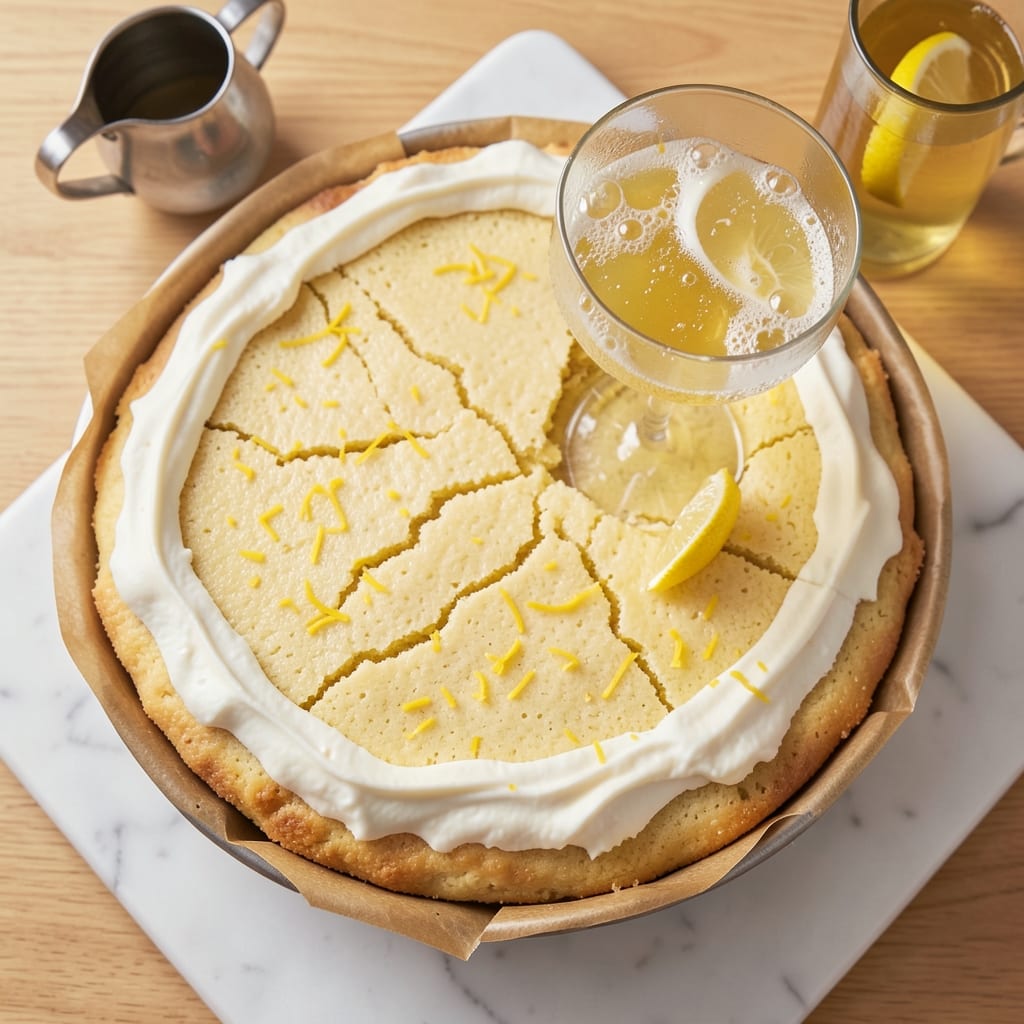
This 7-Up yellow cake recipe transforms a nostalgic soda into a moist, citrusy dessert that’s lighter than traditional vanilla cake. The secret lies in replacing water with 7 Up, which infuses the batter with a subtle lemon-lime tang while keeping it incredibly tender—no dense crumbs here. I’ve baked this version at least a dozen times, and it never fails to impress, whether served at birthdays or as a simple afternoon treat.
The cake’s magic comes from balancing the soda’s effervescence with classic yellow cake ingredients: all-purpose flour, baking powder, and a touch of vanilla extract to complement the citrus notes. Baking at 350°F for 25–30 minutes ensures a golden top with a perfectly springy crumb. The frosting—whether buttercream or cream cheese—should be smooth and slightly sweet to let the cake’s zesty flavor shine through.
What makes this recipe stand out is how the 7 Up’s carbonation creates air pockets, resulting in a cake that’s moist for days without needing extra oil or butter. The frosting, whether vanilla or lemon-infused, adds a creamy contrast that balances the cake’s bright tang. Serve it with whipped cream, fresh berries, or a sprinkle of citrus zest for extra flair—this isn’t just cake, it’s a celebration in every bite.
For variations, try adding a teaspoon of lemon zest to the batter or swapping the frosting for a tangy cream cheese glaze. The possibilities are endless, but the foundation—7 Up, flour, and a pinch of patience—is foolproof. Let’s get baking!
Ingredients for 7 up yellow cake
Transform nostalgic 7 Up into a citrusy, tender yellow cake with these carefully balanced ingredients.
| Ingredient | Amount | Notes |
|---|---|---|
| 7-Up Soda 🥤 | 1 ½ cups | Room temperature for best results |
| All-Purpose Flour 🌾 | 2 ¼ cups | Sifted, light and airy |
| Granulated Sugar 🍚 | 2 cups | White or light brown preferred |
| Unsalted Butter 🧈 | 1 cup | Softened to room temperature |
| Pure Vanilla Extract 🌿 | 2 tsp | Imitation-free for authentic flavor |
| Baking Powder 🧂 | 2 ½ tsp | Diamond Crystal brand preferred |
| Salt 🧂 | ½ tsp | Fine sea salt recommended |
| Large Eggs 🥚 | 3 whole | Room temperature for even baking |
| Lemon Zest 🍋 | 1 tbsp | Freshly grated for bright flavor |
| Buttercream Frosting 🧁 | 2 cups | Vanilla or lemon-infused preferred |
| Powdered Sugar 🍚 | 2 cups | Sifted for smooth frosting |
| Heavy Whipping Cream 🥛 | 1 cup | Cold for best whipping |
The 7 Up is non-negotiable here—its subtle lemon-lime tang infuses the batter perfectly. Grab a 12-ounce can from any grocery store, but avoid diet versions as they lack the necessary carbonation. For the flour, King Arthur or Gold Medal brands yield the lightest texture; sift it thoroughly to avoid dense crumbs. The butter should be unsalted and softened to room temperature—press a finger into it; it should leave a slight indent but hold its shape. If your vanilla extract isn't pure, Penzeys or Nielsen-Massey brands deliver superior flavor without imitation aftertastes. Lemon zest should be freshly grated from organic lemons—the vibrant color and bright flavor make all the difference.
No 7 Up? Sprite or lemon-lime soda works in a pinch, though the flavor will be slightly less complex. Short on buttercream? Cream cheese frosting adds a tangy contrast that complements the cake's citrus notes perfectly. The powdered sugar should be sifted before measuring to prevent lumps in the frosting. For a lighter texture, whip the heavy cream to soft peaks before folding it into the buttercream. If you're feeling adventurous, add 1 teaspoon of lemon extract to the frosting for an extra zesty kick. The eggs should be large and room temperature—cold eggs can cause the batter to curdle.
This cake stays moist for 3-4 days when stored in an airtight container at room temperature, though the frosting may soften in warm climates. For longer storage, cover tightly and refrigerate for up to 1 week, bringing to room temperature before serving. The batter can be prepared 24 hours ahead and refrigerated, with baking time increased by 5-10 minutes. For presentation, dust with powdered sugar or garnish with fresh berries—raspberries or strawberries pair beautifully with the citrus notes. Freeze unfrosted layers for 3 months if you prefer to assemble later.
Why You'll Love This Recipe
- Pantry Magic: I swear, this cake needs three things from your fridge and one from your pantry—7-Up, butter, sugar, and flour. That’s it. No special ingredients hunting, no last-minute grocery runs. The soda’s the secret: it keeps the texture light without extra fuss.
- Citrusy Comfort: The 7-Up’s lemon-lime fizz gives this cake a bright, nostalgic kick that’s not too sweet. It’s like a grown-up version of childhood cake—soft, tender, and with that little tang that makes every bite feel like a hug.
- Birthday Everyday: Between us, this is my go-to for any celebration—birthdays, potlucks, or just because. Frost it with cream cheese, drizzle with chocolate, or serve it plain. It’s the cake that works for lazy Sundays and last-minute gatherings.
- Budget Hero: A single can of 7-Up stretches into two cakes, and the rest of the ingredients? Basic. No pricey extracts or specialty flours here. Plus, leftovers? They disappear faster than you can say “second slice.” (Yes, even on a Tuesday night.)
Step-by-step instructions for 7-Up yellow cake
This method delivers a perfectly moist, citrus-infused cake with tender crumb and bright flavor.
Prepare the Cake Batter
Preheat your oven to 350°F and grease two 8-inch round cake pans, lining the bottoms with parchment paper. In a large mixing bowl, combine the 1.5 cups 7-Up Soda (room temperature), 2 cups Granulated Sugar, and 1 cup Unsalted Butter (softened). Beat on medium speed with an electric mixer until the mixture is light and fluffy, about 3-4 minutes. You'll notice the butter and sugar blend smoothly, creating a pale ribbon when the beaters are lifted.
In a separate bowl, whisk together the 2.25 cups All-Purpose Flour, 2.5 tsp Baking Powder, and 0.5 tsp Salt. Sift the dry ingredients directly into the wet mixture, alternating with the 3 whole Large Eggs (room temperature). Begin and end with the flour mixture to ensure even distribution. Add the 2 tsp Pure Vanilla Extract and 1 tbsp Lemon Zest, mixing on low speed until just combined—overmixing develops gluten and can make the cake dense.
Bake to Golden Perfection
Divide the batter evenly between the prepared cake pans, filling each about two-thirds full. Bake in the preheated oven for 25-30 minutes, or until a toothpick inserted into the center comes out clean and the tops spring back when gently touched. The cake should have a golden hue and pull away slightly from the edges of the pan.
I like to rotate the pans halfway through baking to ensure even browning. If the tops brown too quickly, tent the pans loosely with aluminum foil. Once baked, remove the cakes from the oven and let them cool in their pans for 10 minutes before transferring to a wire rack to cool completely. This gradual cooling prevents cracking and maintains the cake's moisture.
Prepare the Buttercream Frosting
While the cakes cool, prepare the buttercream frosting. In a medium bowl, beat the 1 cup Heavy Whipping Cream (cold) with an electric mixer until soft peaks form. Gradually add the 2 cups Powdered Sugar (sifted), mixing on low speed until combined. Increase the speed to medium-high and beat for 2-3 minutes until the frosting is smooth and fluffy.
Add the 2 cups Buttercream Frosting and the remaining 1 tbsp Lemon Zest (if not already included in the frosting), mixing until fully incorporated. The frosting should be light, airy, and hold its shape when spread. Taste and adjust the sweetness by adding a bit more powdered sugar if needed, or a splash of 7-Up Soda for a subtle citrus brightness.
Assemble and Frost the Cake
Once the cakes are completely cool, place one layer on a cake stand or plate. Spread a thin layer of frosting over the top to create a "crumb coat," which helps prevent crumbs from getting into the final layer of frosting. Chill the cake in the refrigerator for 15 minutes to set the crumb coat.
Remove the cake from the refrigerator and apply the remaining frosting evenly over the top and sides, using a spatula to create smooth, even layers. For a polished finish, use a bench scraper to create clean edges. Garnish with additional lemon zest or a dusting of powdered sugar for a decorative touch. Serve immediately or refrigerate for up to 3 days for best texture.
Pro Tips For Making 7 Up Yellow Cake
- Measure Soda Cold: Grab the 7-Up straight from the fridge—ice-cold soda mixes better with butter and keeps the batter from curdling like a science experiment gone wrong. I learned this after a batch turned out dense and weirdly gummy; now it’s light and fluffy every time.
- Cream Butter Slowly: Beat the butter and sugar on medium speed until truly pale, then switch to low and add the vanilla. Rushing this step traps air unevenly, and you’ll end up with a cake that’s more compact than a brick. Take your time—it’s the foundation of that classic 7-Up lightness.
- Sift the Flour Twice: Don’t just dump that flour in—sift it once before mixing, then sift it again after adding the dry ingredients. This cuts out lumps and guarantees even distribution, so your cake doesn’t end up with flour-heavy pockets or a dry crumb. (Yes, it’s extra work, but your cake will thank you.)
- Bake Until Springy: The toothpick test is overrated—press the center with your finger instead. If it springs back cleanly, it’s done. Overbaking dries out the soda’s moisture, and underbaking leaves it gummy. Pull it when the edges are set but the middle still has a little bounce.
Common mistakes when making great 7 up yellow cake
Overmixing the Batter
The most common mistake is overmixing after adding the flour, which develops gluten and results in a tough, dense cake. Mix the batter just until combined—about 15-20 strokes with a spatula or 30 seconds on low speed with an electric mixer. I’ve seen beginners mix for 3-4 minutes, turning a tender cake into a brick. Stop when no dry flour remains. 🥄
Skipping Room-Temperature Ingredients
Cold eggs or butter can cause the batter to curdle or create pockets of uneven texture. Let your eggs and butter sit at room temperature for at least 1 hour before mixing. I’ve had cakes with cold eggs split open during baking or develop a greasy texture. Use a thermometer to check: butter should be 65-68°F, eggs 60-65°F.
Using Diet Soda
Diet 7 Up lacks the carbonation and sugar needed for proper leavening and moisture. The artificial sweeteners won’t mimic the chemical reaction that creates air pockets in the batter. Stick to regular 7 Up—the 12-ounce can from grocery stores works perfectly. If you must substitute, Sprite or lemon-lime soda is the closest alternative, though the flavor will differ slightly. 🥤
Incorrect Baking Time
Underbaking leaves the center gummy, while overbaking dries out the cake. Test with a toothpick at 25 minutes—it should come out clean with a few moist crumbs. If your oven runs hot, reduce the temperature to 325°F or check at 22 minutes. I’ve had cakes stick to pans when overbaked; always grease pans thoroughly and use parchment paper.
Neglecting the Crumb Coat
Skipping the crumb coat leads to crumbs in your frosting, ruining the smooth finish. Apply a thin layer of frosting, chill for 15 minutes, then add the final layer. Without this step, every slice will look messy. Use a small offset spatula for precision—it’s worth the extra 5 minutes of effort. 🧁
Ignoring the Lemon Zest
While not mandatory, the lemon zest enhances the cake’s citrus brightness. Omitting it makes the flavor more generic. Zest from organic lemons (peeled with a microplane) adds vibrant color and flavor. If you skip it, boost the vanilla extract to 3 teaspoons for depth. Freshly grated zest makes a noticeable difference—pre-shredded zest loses potency quickly.
Nutrition facts
Frequently asked questions
Can I substitute Sprite for 7 Up in this recipe?
Yes, you can use Sprite as a substitute, but the flavor will be slightly different. Sprite has a more artificial lemon-lime taste compared to 7 Up's natural citrus notes. For the closest flavor, use 1.5 cups of Sprite and add an extra ½ teaspoon of lemon zest to compensate. The moisture level will remain similar, but the tanginess won't be as bright.
How do I make this cake gluten-free?
Replace the all-purpose flour with a 1:1 gluten-free baking flour blend (like Bob's Red Mill or King Arthur) and add ½ teaspoon xanthan gum to improve texture. You may also need to reduce the 7 Up by ¼ cup since gluten-free batters absorb more liquid. Test the batter consistency—it should be slightly thicker than the original. For best results, bake at 325°F for 30-35 minutes to prevent over-browning.
Why did my cake turn out dense instead of moist?
Overmixing the batter is the most likely culprit—mix only until combined after adding flour. Also check if you used cold eggs or butter (they should be room temperature) or if you skipped the 10-minute cooling in pans before transferring. Another common issue is using diet soda or measuring flour incorrectly (spooning instead of sifting). For a quick fix, slice the cake thinly and layer with extra frosting to restore moisture.
Can I make this cake in a bundt pan instead of round pans?
A 10-12 cup bundt pan works beautifully for this recipe. Reduce the batter by about ¼ cup (use 2 cups 7 Up instead of 1.5) and bake at 350°F for 35-40 minutes. The bundt shape creates stunning presentation, and the citrus flavor pairs well with the intricate design. Grease the pan thoroughly with butter and dust with flour to prevent sticking. For extra flair, add ¼ cup crushed pineapple to the batter for a tropical twist.
How can I store leftovers without drying out the cake?
Wrap individual slices tightly in plastic wrap and store at room temperature for 2 days, or refrigerate for up to 5 days. For longer storage, freeze slices between parchment paper for 3 months. To revive texture, brush with a simple syrup (equal parts sugar and water, heated until dissolved) before serving. Avoid storing the whole frosted cake in the fridge—it's best enjoyed fresh or at room temperature.