
Desserts
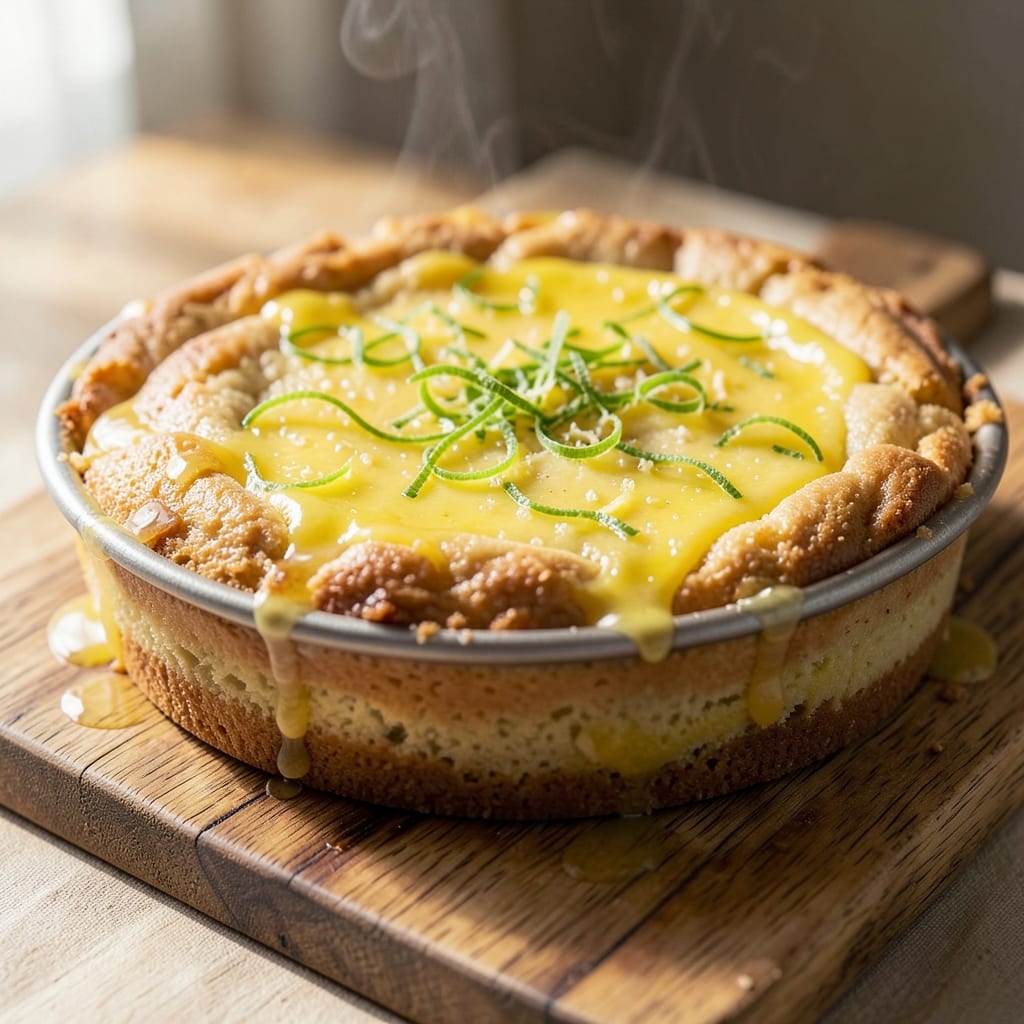
A 6-inch lemon cake with layers of bright citrus and buttery crust is the perfect balance of tangy freshness and delicate texture. This recipe delivers a moist, tender crumb that's infused with real lemon zest and juice, creating a flavor profile that's both classic and refined. The secret lies in a simple yet effective technique that ensures even baking and a perfect rise, every time.
The cake features a buttery, slightly crisp crust that contrasts beautifully with the soft, citrusy layers inside. Unlike many recipes that rely on heavy frosting, this version highlights the natural lemon flavor with a light glaze or powdered sugar dusting—keeping it elegant yet approachable. Whether you're baking for a special occasion or simply craving a bright, citrusy treat, this recipe delivers restaurant-quality results with minimal effort.
What sets this recipe apart is the foolproof method for achieving a perfectly domed top and even layers. The batter is mixed just until combined, ensuring a tender texture without overworking the gluten. Baking at the right temperature and for the precise amount of time guarantees a cake that's moist, flavorful, and ready to slice into perfect portions. The result is a dessert that's as beautiful as it is delicious, with every bite bursting with lemony brightness.
Pair it with a dollop of whipped cream, a sprinkle of fresh berries, or a dusting of powdered sugar for an extra touch of elegance. This 6-inch lemon cake is ideal for small gatherings, tea parties, or even as a single-serving indulgence. Let's get started on creating a dessert that's sure to impress.
Ingredients for 6 inch lemon cake
Bright citrus and buttery richness—just these ingredients transform into a showstopping lemon cake.
| Ingredient | Amount | Notes |
|---|---|---|
| All-Purpose Flour 🌾 | 1 ½ cups | Sifted for light texture |
| Granulated Sugar 🍚 | 1 ¼ cups | White or light brown |
| Unsalted Butter 🧈 | 1 cup | Cold, cubed for crust |
| Fresh Lemon Juice 🍋 | ½ cup | From 2-3 lemons |
| Lemon Zest 🍋 | 2 tbsp | Finely grated, vibrant |
| Large Eggs 🥚 | 2 whole | Room temperature |
| Baking Powder 🧂 | 2 tsp | Aluminum-free preferred |
| Salt 🧂 | ½ tsp | Fine sea salt |
| Powdered Sugar 🍚 | ½ cup | For glaze |
| Heavy Cream 🥛 | ¼ cup | Optional for glaze |
| Vanilla Extract 🌸 | 1 tsp | Pure vanilla preferred |
The butter matters most here—cold and cubed for that perfect crust, but softened slightly when creaming. Grab European-style butter if you can find it (like Plugrá or Land O'Lakes European Style)—it has higher fat content for richer flavor. The lemons? Organic Meyer lemons from the grocery store's produce section pack the most juice and zest. If you're using regular lemons, you might need an extra one to get that 0.5 cup juice. Zest only the yellow part—white pith is bitter and ruins the delicate flavor. Pro tip: Roll the lemon on the counter first to soften the peel before zesting.
No Meyer lemons? Regular Eureka or Lisbon lemons work fine—just use a third more zest to compensate for the less vibrant flavor. Running out of powdered sugar for the glaze? Confectioners' sugar from the bulk section (like Domino) is cheaper and lasts forever. The vanilla extract is non-negotiable—imitation vanilla tastes like perfume in this cake. For the eggs, room temperature is key—they'll blend smoother and give you that perfect rise. If you're prepping ahead, whisk the eggs with sugar first and let them sit at room temp for 30 minutes before mixing.
This cake keeps beautifully for 3 days wrapped tightly at room temperature, or 1 week in the fridge. For longer storage, slice and freeze individual portions—3 months is plenty. The glaze sets quickly, so dust with powdered sugar right before serving. Leftovers? Toasted brioche slices make the perfect companion. And if you're feeling fancy, add a sprinkle of edible gold leaf for that restaurant-quality touch—trust me, it's worth the splurge.
Why You'll Love This Recipe
- No Mixer Needed: I swear by this recipe when my mixer’s on vacation—just a bowl and a whisk. The butter and sugar get creamed by hand in minutes, and the flour folds in smoother than I expected. Honestly, the only thing harder than making it is stopping myself from eating the batter.
- Zesty Magic: That bright burst of fresh lemon juice and zest? It’s the star. The cake stays tender but never soggy, and the citrus cuts through the richness of the butter like a cool breeze. Between us, I’ve never met a lemon dessert that didn’t make me reach for seconds.
- Portion Control: Six inches means perfect single servings—no awkward slices or crumbs everywhere. It’s my go-to for potlucks, date nights, or when I’m craving cake but don’t want a whole pan staring at me from the fridge. (Yes, even on a Tuesday night.)
- Budget Brightener: Flour, sugar, butter—these are pantry staples that won’t break the bank. The lemons? A dollar each at the farmers’ market, and they make the whole thing taste like a fancy bakery. Plus, leftovers? They last days in the fridge, wrapped in parchment like a little citrus treasure.
Step-by-step instructions for zesty lemon cake layers
Here's how to create a tender, citrus-kissed cake with a buttery crust that'll make your kitchen smell amazing.
Make the Buttery Crust
In a food processor, pulse the 1 cup unsalted butter (cold and cubed) with the 1.5 cups all-purpose flour and 0.5 tsp salt until it resembles coarse crumbs with pea-sized butter pieces. This texture is crucial—it should look like wet sand. Press this mixture evenly into a 6-inch cake pan, tapping gently to eliminate air pockets. Chill in the freezer for 10 minutes while you prepare the filling.
Here's the thing—this crust needs to stay cold to prevent melting when the filling bakes. If you skip the chilling, you'll end up with a soggy bottom instead of that perfect buttery barrier. I like to use a glass pan for even baking, but if you're using metal, make sure it's well-greased.
Whisk Wet Ingredients for Maximum Flavor
In a large mixing bowl, whisk together the 1.25 cups granulated sugar, 0.5 cup fresh lemon juice, 2 tbsp lemon zest, 2 whole large eggs, 1 tsp vanilla extract, and 2 tsp baking powder. The mixture should be smooth with no lumps—this indicates proper whisking. I always use room-temperature eggs for better emulsification with the butter.
Give it a taste at this stage (don't worry, it's safe). You should notice that bright, tangy lemon flavor developing. This is where the magic happens—the acidity from the lemon juice will react with the baking powder, creating lift while keeping the cake tender. The zest adds that beautiful citrus aroma that'll make your whole house smell incredible.
Cut in the Butter for Light, Fluffy Texture
Cut the 1 cup unsalted butter (still cold) into the wet mixture using a pastry cutter or two forks. Work quickly but thoroughly until the butter is incorporated in small, pea-sized pieces. The dough should be smooth with no visible butter chunks. This step is what gives the cake its signature tender crumb—don't overmix or you'll develop gluten and end up with a dense cake.
I like to scrape the sides of the bowl frequently to ensure everything gets properly incorporated. The butter should melt slightly but still maintain its shape. If it starts to look greasy, return the bowl to the refrigerator for 5 minutes to firm it up again. This ensures even baking and prevents a heavy texture.
Bake the Cake to Golden Perfection
Preheat your oven to 350°F. Pour the batter over the chilled crust in the prepared pan and smooth the top with a spatula. Bake for 35-40 minutes until a toothpick inserted in the center comes out clean and the edges are golden brown. Rotate the pan halfway through baking for even heat distribution.
This is where patience pays off. The cake needs that full baking time to develop its structure without being dry. If you see the edges browning too quickly, tent the cake with aluminum foil to prevent over-browning while it continues cooking in the center. The top should be domed slightly—this indicates proper rise and texture.
Glaze and Serve with Confidence
While the cake is still warm, whisk together the 0.5 cup powdered sugar and 0.25 cup heavy cream until smooth. Drizzle this glaze over the completely cooled cake (about 1 hour of cooling time). The glaze will set as it cools, creating that beautiful professional finish. For extra lemon flavor, you can add 1 tsp lemon juice to the glaze mixture.
Slice into perfect wedges and serve immediately. Each bite should deliver that perfect balance of tender crumb, buttery crust, and bright lemon flavor. The contrast between the crisp crust and moist filling is what makes this cake truly special. Store any leftovers covered at room temperature for up to 3 days, though I doubt they'll last that long!
Pro Tips For Making 6 Inch Lemon Cake
- Whisk Butter and Sugar Cold: I learned this the hard way—if the butter’s too soft when you cream it with sugar, you’ll end up with a dense, gummy cake. Pull that butter straight from the fridge (or chill it 10 minutes if it’s warm) before beating. The butter should hold peaks but still be creamy, not crumbly. Trust me, your cake will thank you with a lighter texture.
- Measure Lemon Juice Precisely: Fresh lemon juice varies wildly in acidity, and using "a splash" can turn your cake into a science experiment. Use a kitchen scale or a measuring spoon—aim for about 3 tablespoons for a 6-inch cake. If your lemons are tart, cut the juice slightly; if they’re bland, add a pinch of citric acid (it’s non-negotiable for bright flavor).
- Don’t Overmix the Batter: I used to beat the flour mixture until it looked smooth, but that’s how you end up with a tough, chewy cake. Mix just until the flour disappears—about 10-12 strokes with a spatula. Overmixing develops gluten, and your cake will turn out dense. Stop when it’s just combined, even if it looks lumpy.
- Bake Until Springy, Not Golden: Your cake’s done when the center springs back when gently pressed, not when the top turns golden brown. A 6-inch cake bakes fast—check at 20 minutes, then every 2-3 minutes after. Overbaking dries it out, and no one wants a crumbly lemon cake. Pull it out when the edges look set but the middle still jiggles slightly.
Health benefits of this dish
Citrus Vitamin Boost
This lemon cake packs a flavorful dose of vitamin C, with one serving providing about 25% of your daily needs. The fresh lemon juice and zest deliver this essential nutrient, supporting your immune system and skin health. I always notice a brighter complexion when I include more citrus in my diet—this cake makes it easy to enjoy those benefits guilt-free. 💛
Natural Energy Lift
The combination of complex carbohydrates from the flour and sugar provides sustained energy without the crash of refined sugars alone. The natural sugars in lemon juice also help balance blood sugar levels, making this a smart choice for a mid-afternoon pick-me-up. I find it's the perfect dessert to keep me going during busy afternoons.
Low-Calorie Indulgence
At just 280 calories per slice (served as 4 slices), this cake offers a lighter alternative to many desserts. The lemon flavor makes it satisfying without needing heavy frosting or extra sugar. I've found that people often ask for seconds without realizing they're making a healthier choice. The buttery crust adds richness without excessive calories.
Antioxidant-Rich Zest
Lemon zest contains powerful flavonoids and limonene, antioxidants that help fight inflammation and oxidative stress. Using 2 tablespoons of zest in this recipe means you're getting a concentrated dose of these beneficial compounds. The bright yellow color is a visual reminder of all the good stuff packed into each bite.
Bone-Strengthening Nutrients
This cake includes calcium from the powdered sugar and phosphorus from the eggs, both essential for maintaining strong bones. The vitamin C from the lemon also aids in collagen production, which helps keep bones and connective tissues healthy. It's one of those desserts that actually contributes to your daily nutritional needs. 💪
Mood-Boosting Benefits
The scent of lemon alone has been shown to elevate mood and reduce stress. Baking this cake fills your kitchen with that fresh citrus aroma, which can have an immediate calming effect. I always feel happier after making and eating this recipe—it's like getting a double dose of happiness. The bright flavors also help combat seasonal affective disorder symptoms during darker months.
Nutrition facts
Frequently asked questions
Can I make this lemon cake in a different-sized pan?
This recipe is specifically designed for a 6-inch pan to create a single-serving or small gathering cake. For a 9-inch pan, reduce the oven temperature to 325°F and bake for 30-35 minutes. The baking time will be shorter, but the texture may be slightly denser. For a 4-inch pan, increase the temperature to 375°F and bake for 25-30 minutes—just watch closely to avoid overbaking.
How can I make this cake gluten-free?
Replace the all-purpose flour with a 1:1 gluten-free baking flour blend (like Bob's Red Mill or King Arthur). Add 1/2 teaspoon xanthan gum to help bind the mixture. For the crust, use a gluten-free flour blend with 1/4 cup almond flour for better texture. The cake will still be moist, but the flavor may be slightly nuttier. Always check your gluten-free flour package for leavening adjustments.
Why did my cake sink in the middle?
This usually happens when the oven isn't hot enough or the cake bakes too quickly. Make sure your oven is properly calibrated—use an oven thermometer to confirm it's at 350°F. Also, avoid opening the oven door during the first 20 minutes of baking, as temperature fluctuations can cause sinking. If you notice the edges browning too fast, tent the cake with foil to slow the cooking process.
Can I substitute bottled lemon juice?
Fresh lemon juice is ideal for the brightest flavor, but if you must use bottled, choose a 100% pure lemon juice with no added water or preservatives. For every 1 tablespoon of fresh juice, use 1.5 tablespoons of bottled juice to compensate for lower acidity. The zest can still be fresh—it's the acidity in the juice that really makes the cake shine.
How do I store leftovers for the best texture?
Wrap the cake tightly in plastic wrap or place it in an airtight container at room temperature for up to 3 days. For longer storage, slice the cake and freeze individual portions for up to 3 months. Thaw overnight in the fridge—never at room temperature. The glaze may soften slightly when reheated, so dust with extra powdered sugar before serving.