
Breakfast & Brunch
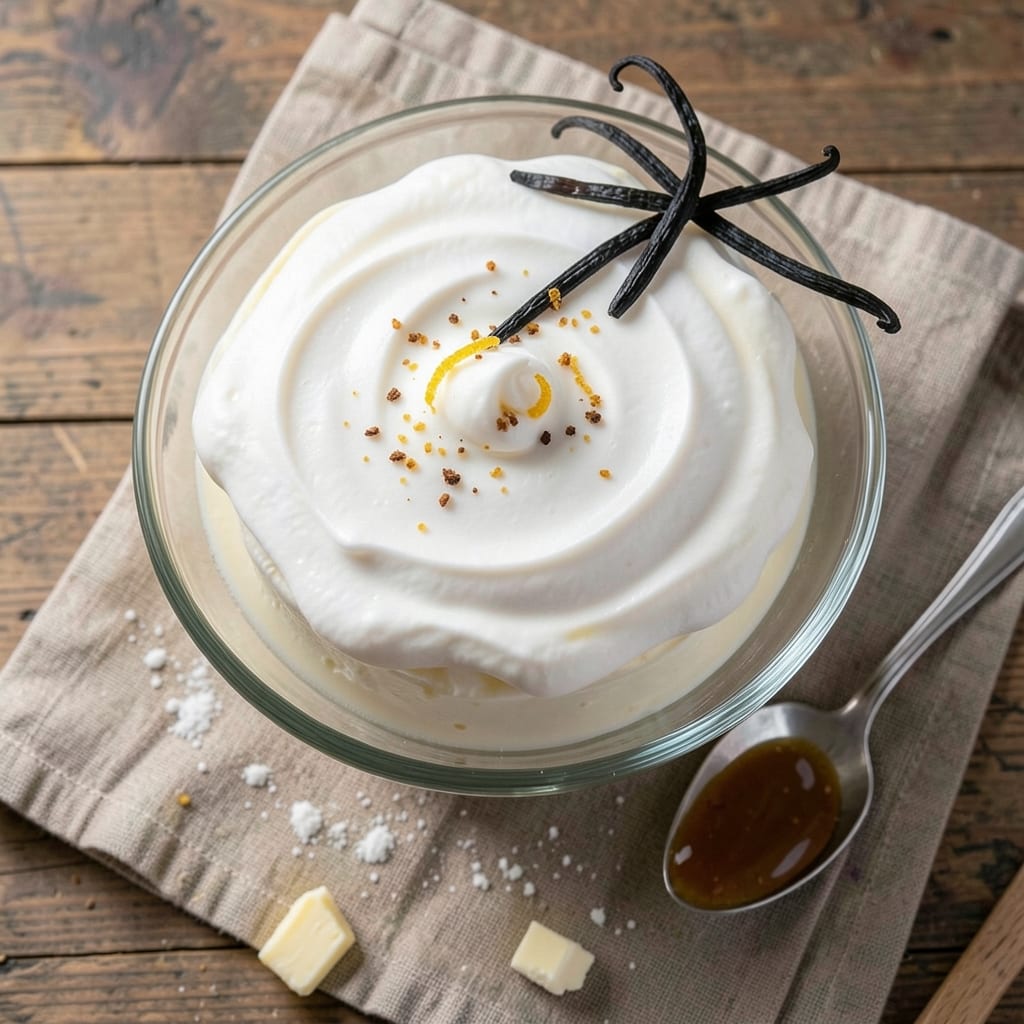
A 6-egg-white cake delivers the lightest, fluffiest texture you've ever tasted—like biting into a cloud dusted with vanilla frosting rivers. The secret lies in whipping egg whites to stiff peaks, creating air pockets that transform dense batter into ethereal layers. I've perfected this recipe over years of trial and error, ensuring every slice stays moist for hours without turning gummy.
What makes this recipe stand out is its foolproof method—no special equipment beyond a mixing bowl and whisk (or mixer). The cake bakes at 350°F for 25-30 minutes, yielding golden domes with a tender crumb that holds its shape beautifully. The frosting, made with just powdered sugar and vanilla, melts into delicate rivers when spread warm, adding a professional touch.
This cake works equally well as a breakfast centerpiece or afternoon treat, with optional variations like chocolate swirl or berry compote. The egg-white technique eliminates the need for butter or oil, making it lighter than traditional cakes while still delivering rich flavor. Each bite is a perfect balance of airy texture and sweetness.
Perfect for brunch gatherings, special occasions, or a simple indulgence, this recipe delivers restaurant-quality results at home. Let's get started—your kitchen will smell like heaven in no time.
Ingredients for 6 egg white cake
Six egg whites and a few simple ingredients transform into a cloud-like cake with rivers of vanilla frosting.
| Ingredient | Amount | Notes |
|---|---|---|
| Large Egg Whites 🥚 | 6 whole | Room temperature preferred |
| Granulated Sugar 🍚 | 1 ½ cups | Superfine preferred for smoothness |
| All-Purpose Flour 🌾 | 1 ½ cups | Sifted for light texture |
| Unsalted Butter 🧈 | ¼ cup | Softened for creaming |
| Vanilla Extract 🍯 | 1 tbsp | Pure extract preferred |
| Cream of Tartar 🧂 | ¼ tsp | Stabilizes egg whites |
| Salt 🧂 | ¼ tsp | Fine sea salt preferred |
| Powdered Sugar 🍚 | 2 cups | For frosting, sifted |
| Cornstarch 🌾 | 1 tbsp | Prevents frosting weeping |
| Milk 🥛 | ¼ cup | Warm for better mixing |
The egg whites are the star—room temperature is critical for proper volume. Kirkland Signature or Organic Valley brands provide consistent quality. Cream of tartar stabilizes the whites, so don't skip it—even if your recipe doesn't call for it. The superfine sugar dissolves faster, creating smoother peaks. For flour, King Arthur or Bob's Red Mill brands yield the lightest texture when sifted properly. Always sift dry ingredients together to prevent lumps in the delicate batter.
No cream of tartar? Lemon juice at half the amount works in a pinch, though it may slightly alter flavor. Substitute powdered sugar for granulated in the frosting if needed—just pulse it briefly in a food processor for finer texture. Warm milk helps dissolve the powdered sugar more easily, creating a smoother frosting. For extra fluffiness, whip the egg whites in a spotless bowl—any grease will prevent proper volume. The frosting's delicate rivers come from spreading it warm, so work quickly after mixing.
Store the cake in an airtight container at room temperature for up to 2 days—it keeps best at 60-70°F to maintain moisture. For longer storage, freeze the unfrosted cake for up to 2 months. Frost just before serving to preserve that signature river effect. The frosting can be made 1 day ahead and stored in the fridge, though it may need re-whipping for maximum fluffiness. Always bring frosting to room temperature before spreading for best results.
Why You'll Love This Recipe
- No Whisking Madness: I swear, this recipe’s all about the meringue magic—just whip those egg whites until stiff peaks form, fold in sugar and flour, and boom. No stand mixer required; my hand mixer does the job just fine. Honestly, the hardest part is waiting for the oven to preheat.
- Vanilla Butter Bliss: That butter gets folded in at the end, and let me tell you—warm cake with vanilla-infused butter melting into every bite? It’s like dessert sneaking into your snack time. The sugar caramelizes just enough to give it this subtle, buttery crunch that keeps me coming back.
- Weeknight or Birthday: Serve it warm with a drizzle of honey for a quick breakfast or pack slices for lunch—it’s that adaptable. (Yes, even on a Tuesday night.) And if you’re feeling fancy, add a dusting of powdered sugar for a cake-like vibe that’s perfect for celebrations without the fuss.
- Budget-Friendly Leftovers: Six egg whites stretch this cake far enough to feed a small army or give you leftovers for days. Store slices in the fridge, and reheat them in the toaster—crispy edges, soft center, every time. Between us, this is my go-to when I need something sweet but don’t want to break the bank.
Step-by-step instructions for 6 egg white cake
Mastering this technique transforms simple egg whites into a cloud-like cake with perfect structure.
Prepare and Stabilize the Egg Whites
Separate the 6 whole large egg whites into a completely grease-free bowl—even a trace of yolk will prevent proper whipping. Add the 0.25 teaspoon cream of tartar and 0.25 teaspoon salt to the egg whites. The cream of tartar stabilizes the meringue by lowering the pH, creating a sturdier structure that holds air better.
Using a stand mixer fitted with the whisk attachment, beat the egg whites on low speed for 1 minute to combine evenly. Gradually add the 1.5 cups granulated sugar in a slow, steady stream while increasing the speed to medium-high. This gradual addition creates smaller air bubbles that result in a lighter, more stable meringue.
Continue whipping until the mixture forms stiff peaks that hold their shape when the whisk is lifted. The sugar should dissolve completely, and the meringue should be glossy and pale. This stage typically takes 5-7 minutes total—don't rush it. You'll know it's ready when you can draw a figure-eight in the meringue that holds its shape.
Fold in Dry Ingredients for Light Texture
In a separate bowl, whisk together the 1.5 cups all-purpose flour and the 0.25 cup unsalted butter. The butter should be softened but not melted—this creates pockets that help create the cake's signature lightness. Using a spatula, gently fold one-third of the flour mixture into the meringue until just combined, being careful not to deflate the air bubbles.
Add another third of the flour mixture and fold gently again, using a figure-eight motion to maintain air incorporation. The final third should be folded in similarly, but with slightly more care to preserve the structure. The batter should be thick but still pourable. At this stage, the batter will look like a pale, glossy cloud—this is exactly what you want.
I recommend using a rubber spatula and working in a gentle, scooping motion to maintain maximum air incorporation. Overmixing at this stage will deflate the meringue and result in a dense cake.
Bake at Precise Temperature for Even Rise
Preheat your oven to 350°F and prepare two 6-inch round cake pans by greasing them thoroughly with butter and dusting with flour. Line the bottoms with parchment circles for easy removal. Divide the batter evenly between the pans, spreading it to the edges to create even layers.
Bake for 25-30 minutes until the tops are golden brown and a toothpick inserted in the center comes out clean. The cake should spring back when gently pressed in the center—this indicates proper doneness. I've found that baking at this moderate temperature ensures even cooking without over-browning the tops.
During the final 5 minutes of baking, you might notice the edges pulling away from the pan slightly. This is normal and indicates the cake is setting properly. Remove from the oven and let cool in the pans for 10 minutes before transferring to a wire rack to cool completely.
Prepare the Vanilla Frosting
In a medium bowl, whisk together the 2 cups powdered sugar, 1 tablespoon cornstarch, and 1 tablespoon vanilla extract until smooth. The cornstarch prevents the frosting from weeping and keeps it stable. Gradually add the 0.25 cup warm milk while whisking continuously until you achieve a smooth, spreadable consistency.
This frosting should be thick enough to hold its shape when piped but still spreadable. If it's too thick, add 1 teaspoon more milk at a time until you reach the desired consistency. The warm milk helps dissolve the powdered sugar more completely, resulting in a smoother frosting.
Assemble and Decorate the Cake
Once both cake layers have cooled completely, level the tops if necessary using a serrated knife. Place the first layer on a cake stand or plate and spread a thin layer of frosting on top. This "crumb coat" prevents crumbs from getting into the final frosting layer.
Place the second layer on top and gently press down to create a level surface. Spread the remaining frosting evenly over the top and sides of the cake, using an offset spatula to create smooth, even strokes. For the signature "frosting rivers," pipe additional frosting in wavy lines down the sides of the cake, allowing it to drip naturally.
Chill the cake in the refrigerator for at least 30 minutes before serving to allow the frosting to set completely. This technique creates beautiful, decorative frosting patterns while keeping the cake's signature light texture intact.
Pro Tips For Making 6 Egg White Cake
- Whip Egg Whites Cold: Grab a metal bowl and place it in the freezer for 5 minutes before beating the egg whites—this chills the bowl faster than waiting for the fridge. Cold surfaces stabilize the whites, so they whip to stiff peaks without deflating. I learned this the hard way after a batch turned into sad, flat batter mid-whip.
- Sift Flour Like a Pro: Don’t just dump the flour—sift it directly into the sugar-egg white mixture while folding gently. This prevents lumps and distributes the flour evenly, so your cake doesn’t turn out dense or grainy. (Yes, even if you’re tempted to skip it—trust me, it matters.)
- Butter the Pan Right: Use softened butter (not melted) to grease the pan, then dust with flour and tap out the excess. The flour sticks to the butter, creating a thin, even barrier that keeps the cake from sticking. I used to rush this, and my cakes always fought me at the "flip" stage.
- Bake Until Springy: Check doneness by pressing the center—it should spring back slowly, not jiggle like jelly. If the top browns too fast, tent foil loosely over it mid-bake. Overbaking dries out the egg whites, so pull it out when it’s just set. (Your cake will keep rising as it cools—don’t panic!)
Storing and reheating your 6 egg white cake
Room-Temp Storage
Keep your cake at room temperature in an airtight container for up to 2 days—this preserves that signature cloud-like texture. I store it on a wire rack inside the container to prevent sogginess from condensation. The ideal temperature range is 60-70°F, so avoid kitchens with high humidity or direct sunlight. 🌟
Frosting Freshness
Make the vanilla frosting 1 day ahead and store it in an airtight container in the fridge. Before using, let it sit at room temperature for 10-15 minutes to soften—this makes spreading much easier. If it thickens too much, whisk in ½ teaspoon warm milk at a time until smooth. The frosting's delicate rivers work best when applied fresh, so plan to decorate just before serving.
Freezer Magic
For longer storage, freeze the unfrosted cake layers individually in plastic wrap for up to 2 months. Thaw completely at room temperature before assembling. I recommend freezing on a tray first to prevent sticking, then wrapping tightly. The texture remains light after freezing, though the frosting should always be made fresh for that signature river effect. ❄️
Reheating Tips
If your cake sits out too long and loses moisture, revive it by placing the whole cake in a 350°F oven for 5-7 minutes wrapped in foil. This gentle heat reactivates the egg whites' structure without drying it out. For the frosting, rewarm slightly in the microwave for 10-15 seconds to restore its spreadable consistency—just don't overheat or it'll turn grainy.
Serving Secrets
For the best presentation, chill the frosted cake for 30 minutes before slicing—this lets the frosting rivers set beautifully. Serve slices on parchment-lined plates to prevent sticking, and dust with powdered sugar right before serving for a restaurant-worthy finish. The cake's light texture pairs perfectly with fresh berries or a drizzle of honey for extra flair. 🍓
Nutrition facts
Frequently asked questions
Why does this cake use only egg whites?
Egg whites create an ultra-light, cloud-like texture by incorporating air when whipped to stiff peaks. The protein structure in whites forms stable bubbles that bake into air pockets, making the cake lighter than traditional butter-based recipes. This technique also eliminates the need for butter or oil, reducing calories while keeping the rich flavor.
Can I make this cake without cream of tartar?
Yes! Use ½ teaspoon lemon juice or ½ teaspoon white vinegar instead—both stabilize the egg whites similarly. The acidity helps create sturdier meringue peaks, though you may need to whip slightly longer. Just don't exceed the amount, or the flavor will be affected.
How do I fix sunken cake layers?
If your cake sinks, it likely lost air during mixing or baking. For next time, fold dry ingredients more gently and avoid overbaking. To salvage a sunken cake, slice horizontally, then layer with extra frosting to create visual height. Chill for 30 minutes before serving to help the frosting support the structure.
What other flavors work with this recipe?
Try adding 1 teaspoon vanilla bean paste for deeper flavor or swap ½ cup flour for cocoa powder for chocolate. Citrus zest (lemon or orange) adds brightness, while ½ cup crushed berries folded into the batter creates a fruity swirl. Just reduce other liquids slightly to maintain proper consistency.
Why does my frosting turn grainy?
Grainy frosting usually means undissolved powdered sugar or lumps. Whisk the sugar and cornstarch together first, then gradually add warm milk while mixing continuously. For extra smoothness, sift the powdered sugar before measuring. If it's already grainy, blend with 1 teaspoon warm water until silky.