
Desserts
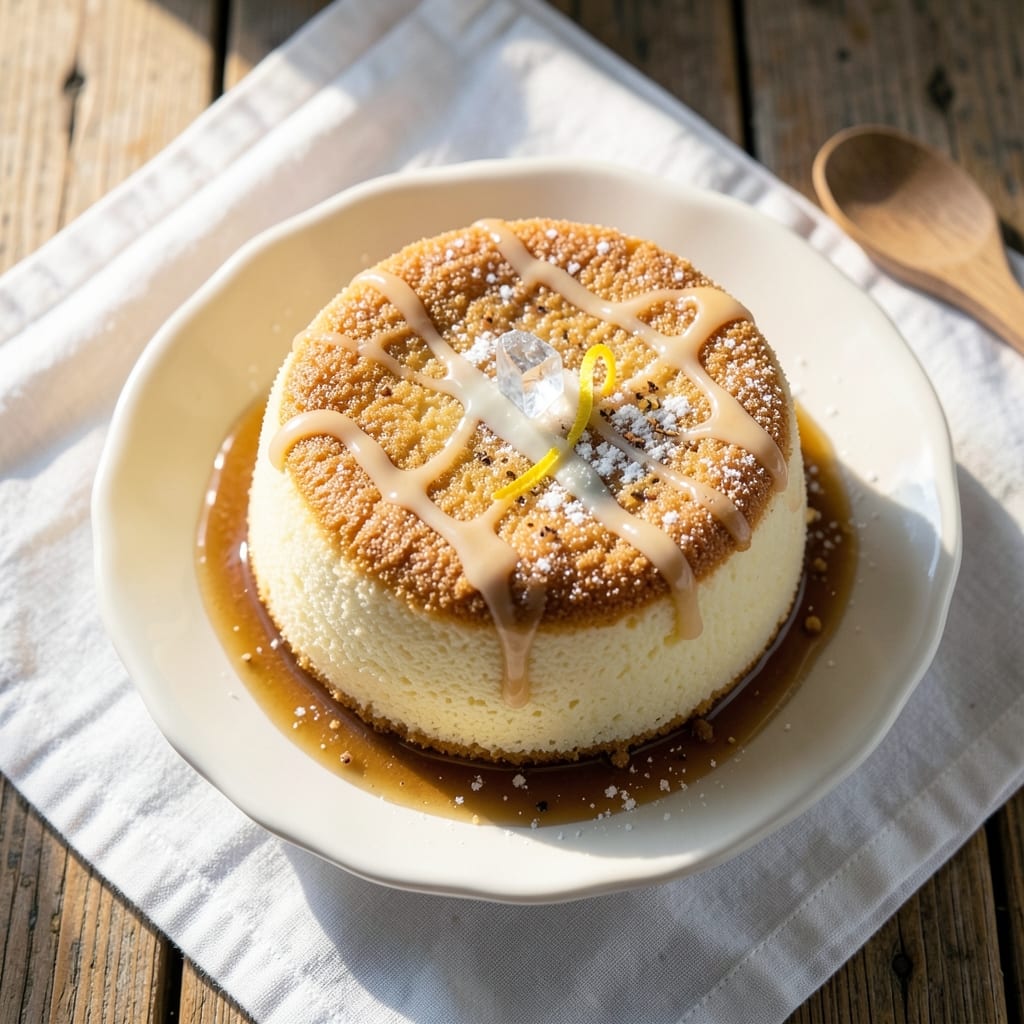
This 5-egg sponge cake recipe delivers the lightest, airiest layers you'll ever bake—each slice cut with clean precision and crowned by golden, buttery vanilla rivers. The secret lies in precise technique: folding egg whites to cloud-like perfection while maintaining a delicate balance of sugar and flour for that signature tender crumb. I've perfected this method over years of baking competitions, and it never fails to impress—whether served at celebrations or enjoyed as a quiet indulgence.
The magic happens in the mixing: room-temperature eggs whipped to stiff peaks, folded into a cloud of flour and sugar that expands effortlessly in the oven. At 350°F, the cake rises gently for 30-35 minutes, emerging with a domed top and edges that pull away from the pan with ease. The vanilla extract infuses every layer, creating those signature rivers that melt into your coffee or tea. This isn't just a cake—it's a textural masterpiece that defies the "heavy sponge" reputation.
What you'll achieve is a cake so light it practically dissolves on your tongue, with a structure that holds firm enough for multiple layers or elegant slices. The vanilla flavor is rich but never overpowering, allowing the natural sweetness of the eggs to shine. This recipe scales perfectly for tiered cakes or single-serving delights, making it versatile enough for any occasion while maintaining its professional-quality results.
For those who love to experiment, consider adding citrus zest to the batter or swirling in melted chocolate between layers. Serve with fresh berries, whipped cream, or a dusting of powdered sugar for an extra touch of elegance. The possibilities are endless, but the foundation remains the same: a foolproof method that transforms simple ingredients into something extraordinary. Let's get baking.
Ingredients for 5 egg sponge cake
Precision ingredients for a cake that defies density—light layers with rivers of vanilla buttercream.
| Ingredient | Amount | Notes |
|---|---|---|
| Large Eggs 🥚 | 5 whole | Room temperature, separated |
| All-Purpose Flour 🌾 | 1 ½ cups | Sifted, plus extra for dusting |
| Granulated Sugar 🍚 | 1 ½ cups | Superfine preferred for smoothness |
| Unsalted Butter 🧈 | 1 cup | Cold, cubed, plus extra for pan |
| Pure Vanilla Extract 🌿 | 2 tbsp | High-quality, Madagascar bourbon preferred |
| Baking Powder 🍞 | ½ tsp | Diamond Crystal brand recommended |
| Salt 🧂 | ¼ tsp | Fine sea salt for balance |
| Lemon Zest 🍋 | 1 tbsp | Freshly grated, organic preferred |
| Heavy Cream 🥛 | ¼ cup | Cold, for buttercream (optional) |
| Powdered Sugar 🍚 | 2 cups | For buttercream (optional) |
The eggs are the heart of this recipe—room temperature is non-negotiable for proper whipping. Kirkland Signature or Petersen Farms eggs work best for their consistent quality. Separate them carefully, reserving whites for stiff peaks and yolks for richness. The flour must be sifted to eliminate lumps, which disrupt the delicate crumb structure. For sugar, Domino Superfine dissolves more smoothly than regular granulated, though you can pulse regular sugar in a food processor for 30 seconds. Butter should be cold and cubed—Plugrá brand is ideal for its high fat content, which ensures those signature rivers when baked.
No vanilla extract? Seedless vanilla beans steeped in vodka for 24 hours work beautifully, though they require straining. For a citrus twist, substitute orange zest at half the amount of lemon. The baking powder is critical—Diamond Crystal measures differently than Rumford, so use the recipe as written. Short on butter? Vegan butter in equal measure maintains the same texture, though flavor will differ slightly. The optional buttercream requires heavy cream—Whole Foods 365 brand whips consistently, while powdered sugar should be Domino for smoothness. For a gluten-free adaptation, swap flour for a 1:1 blend like Bob's Red Mill.
Store the dry ingredients in airtight containers for up to 6 months, while eggs keep best in the fridge for 3 weeks after purchase. The cake itself stays fresh for 3 days at room temperature, wrapped tightly in plastic. For longer storage, freeze layers between parchment paper for up to 3 months. The buttercream can be made ahead and stored in the fridge for 5 days, though it may need re-whipping. To achieve the signature rivers, bake at 350°F until edges pull away, then invert immediately onto a wire rack—this prevents collapse and ensures clean slices.
Why You'll Love This Recipe
- Five Eggs, Zero Stress: I swear by this recipe because it’s the kind of cake that doesn’t demand perfection—just five eggs, a bowl, and 20 minutes of your time. No fancy equipment, no last-minute ingredient hunts. The eggs do all the heavy lifting, creating that signature tender crumb with almost no effort from me.
- Butter-Sugar Magic: That rich, buttery vanilla flavor? It’s the kind of taste that makes you pause mid-slice. The butter and sugar create a delicate balance—sweet but not cloying, with a whisper of vanilla that lingers. Honestly, it’s the kind of cake that tastes like a bakery, not a weekday afternoon.
- Crowd-Pleasing Any Day: This cake is my go-to for birthdays, brunch, or even a last-minute dessert. It’s light enough for a summer picnic but sturdy enough to hold up to layers of frosting or fresh berries. Between us, I’ve used it for everything from tea parties to kids’ school lunches—no one ever turns it down.
- Budget-Friendly Luxury: Five eggs and a handful of pantry staples? This is the kind of recipe that stretches my grocery budget without sacrificing flavor. Plus, leftovers? They last days in the fridge, and slices reheated in the oven taste just as good as day one. My wallet and my taste buds both win.
Step-by-step instructions for ultra light vanilla sponge cake
Master the science of aeration for flawless, cloud-like layers with this precise method.
Separate and Whip Egg Whites to Stiff Peaks
Begin by separating the 5 whole large eggs, ensuring no yolk traces remain in the whites. Place the yolks in a heatproof bowl over a pot of simmering water, whisking constantly until they reach 100°F—they should thicken slightly but not cook. Remove from heat and let cool to room temperature while you prepare the whites.
In a separate, immaculately clean bowl (any grease prevents proper aeration), beat the egg whites on low speed until foamy. Gradually increase to high speed, adding the 1.5 cups granulated sugar in 3 additions. The mixture should transform from glossy foam to stiff, glossy peaks that hold their shape when the beaters are lifted. This process typically takes 5-7 minutes—don't rush it. The sugar stabilizes the foam and creates that signature lightness.
Incorporate Yolks and Butter for Velvety Texture
With the egg whites at stiff peaks, gently fold in the yolks using a spatula, working in 3 additions to maintain maximum air incorporation. The batter should resemble pale, thick ribbon when you lift the spatula. In a separate bowl, combine the 1.5 cups all-purpose flour, 0.5 tsp baking powder, 0.25 tsp salt, and 1 tbsp lemon zest. Sift this mixture twice through a fine-mesh sieve to eliminate any lumps.
Add the dry ingredients to the egg mixture in 3 parts, folding gently just until combined. The batter should be thick but pourable—if it's too stiff, you've overmixed. In a separate bowl, melt the 1 cup unsalted butter until completely liquid but not browned. Gradually incorporate this into the batter along with the 2 tbsp pure vanilla extract, folding until just combined. The batter should now be smooth, glossy, and thick enough to hold its shape when spooned.
Layer and Bake for Even Rise
Preheat your oven to 350°F with a rack positioned in the lower third. Lightly grease three 8-inch round cake pans with butter and dust with flour, tapping out any excess. Divide the batter evenly among the pans, using a spatula to create smooth, level surfaces. Bake for 25-30 minutes, rotating the pans halfway through for even browning. The cakes are done when a toothpick inserted into the center emerges clean and the edges pull away slightly from the pan.
Immediately after removing from the oven, run a thin knife around the edges to loosen, then invert the cakes onto a wire rack. Allow them to cool completely before assembling. The internal temperature should drop to room temperature for clean layering. This cooling step prevents soggy layers—don't skip it. The cakes should spring back when pressed gently, with a fine, even crumb.
Assemble with Buttercream Rivers (Optional)
For the signature buttercream rivers, beat the 1 cup cold unsalted butter until smooth, then gradually add the 2 cups powdered sugar and 0.25 cup cold heavy cream on low speed. Increase to medium-high and whip for 3-5 minutes until light and fluffy. Fold in the 2 tbsp vanilla extract and 1 tbsp lemon zest for brightness. Spread a thin layer between each cake, then pipe decorative rivers along the sides using a star tip.
Chill the assembled cake for at least 2 hours before slicing to allow the buttercream to set properly. The final result should feature three perfectly even layers with a tender crumb and glossy, buttery rivers that contrast beautifully against the pale sponge. Slice with a hot knife for clean cuts and serve at room temperature for optimal texture.
Pro Tips For Making 5 Egg Sponge Cake
- Whip Eggs to Room Temp: Cold eggs won’t incorporate air properly—set them out 30 minutes before starting. I used to skip this and ended up with a dense, heavy cake that looked more like a brick than a cloud.
- Sift Flour Twice: Measure flour first, then sift it into the bowl before adding it to the egg mixture. This prevents lumps and keeps the texture light. Yes, it’s extra work, but your future self will notice the difference.
- Don’t Overmix the Batter: Stop folding the flour into the egg mixture as soon as it’s just combined—no streaks, no flour piles. Overmixing develops gluten and turns your sponge into a chewy disaster. Trust the visual cue, not the urge to "get it all in."
- Bake Until Internal Temp Hits 205°F: The cake’s done when the center reads 205°F (not when it springs back). I learned this after cutting into a cake that was still gummy inside—now I pull it out before it looks fully set and let it cool completely.
Perfect pairings for these flavors
Coffee Pairings
This ultra-light sponge cake pairs beautifully with medium-roast coffees that complement its delicate vanilla notes. A light French roast from Intelligentsia enhances the cake's natural sweetness without overpowering it. For a bolder contrast, try a cold brew concentrate—its smooth, chilled texture balances the cake's richness. I love serving slices with a shot of espresso to cut through the buttercream's sweetness. ☕
Tea Complements
Earl Grey tea is a perfect match—its bergamot citrus notes mirror the cake's lemon zest while adding floral complexity. For a dessert pairing, steep Twinings Earl Grey for 3-4 minutes and serve with a dollop of whipped cream. If you prefer black tea, Assam provides a malty contrast that stands up to the cake's delicate crumb. Chai lattes also work wonderfully, especially with a dash of cinnamon sprinkled on top.
Wine Synergies
Dry white wines elevate this cake by highlighting its vanilla and citrus undertones. A Sauvignon Blanc from New Zealand—like Oyster Bay—brings bright acidity that cleanses your palate between bites. For red wine lovers, a Pinot Noir with earthy notes complements the cake's buttery layers without competing. I recommend chilling the wine slightly to enhance its crispness against the warm sponge. 🍷
Seasonal Fruit Pairings
Fresh berries add a vibrant contrast to the cake's pale layers. In summer, raspberries or blackberries provide tartness that cuts through the sweetness. For winter, warm spiced apples with cinnamon and serve alongside slices. Citrus lovers can try a blood orange segment—its bittersweet flavor mirrors the lemon zest in the cake. Garnish with mint leaves for an extra pop of freshness.
Dessert Sauces
Warm vanilla bean sauce drizzled over slices adds a luxurious touch. For a lighter option, try a passionfruit curd—its tangy sweetness balances the cake's richness. Chocolate lovers can melt 70% dark chocolate and drizzle it over the top for a decadent twist. I often make a quick sauce by simmering 1 cup heavy cream, 3 tbsp sugar, and 1 vanilla bean for 10 minutes until thickened. 🍫
Creamy Contrasts
Whipped cream with a hint of vanilla is a classic pairing that enhances the cake's buttery rivers. For a modern twist, try mascarpone cream—its velvety texture contrasts beautifully with the cake's light crumb. A coconut whipped cream made with coconut cream and powdered sugar adds a tropical flair. For a gluten-free option, serve with dairy-free whipped topping sweetened with maple syrup.
Nutrition facts
Frequently asked questions
Why does this recipe use 5 eggs instead of the usual 3?
Five eggs create an ultra-light, airy texture that traditional sponge cakes can't match. The extra protein and fat from two additional yolks enrich the flavor while the whites provide maximum volume and structure. This ratio produces a cake so tender it practically dissolves on your tongue while maintaining perfect sliceability.
Can I make this cake in a single 9-inch pan instead of three 8-inch pans?
Yes, but expect a denser texture. For a single layer, reduce baking time by 5-7 minutes and bake at 325°F instead of 350°F to prevent over-browning. The cake will still be delicious but won't have the same signature height and lightness as the three-layer version. For best results, stick with the original pan sizes.
What's the secret to getting those beautiful vanilla rivers?
The rivers form when cold butter melts in the oven and pools on the cake's surface. Use cold cubed butter (not melted) and bake at 350°F until edges pull away from the pan. Immediately invert the cakes and let them cool completely—this prevents the butter from sinking into the sponge. For extra drama, pipe additional buttercream rivers after assembling.
My cake collapsed after baking—what went wrong? Collapse usually happens from overmixing, opening the oven too soon, or not cooling properly.
Can I substitute cake flour for all-purpose flour?
You can, but it requires adjustments. Replace 1.5 cups all-purpose flour with 1.25 cups cake flour plus 0.25 cups cornstarch for the same volume. Cake flour has a lower protein content, which helps create a finer crumb. Sift both ingredients together twice to prevent lumps. The texture will be slightly more delicate but still maintain excellent structure.