
Desserts
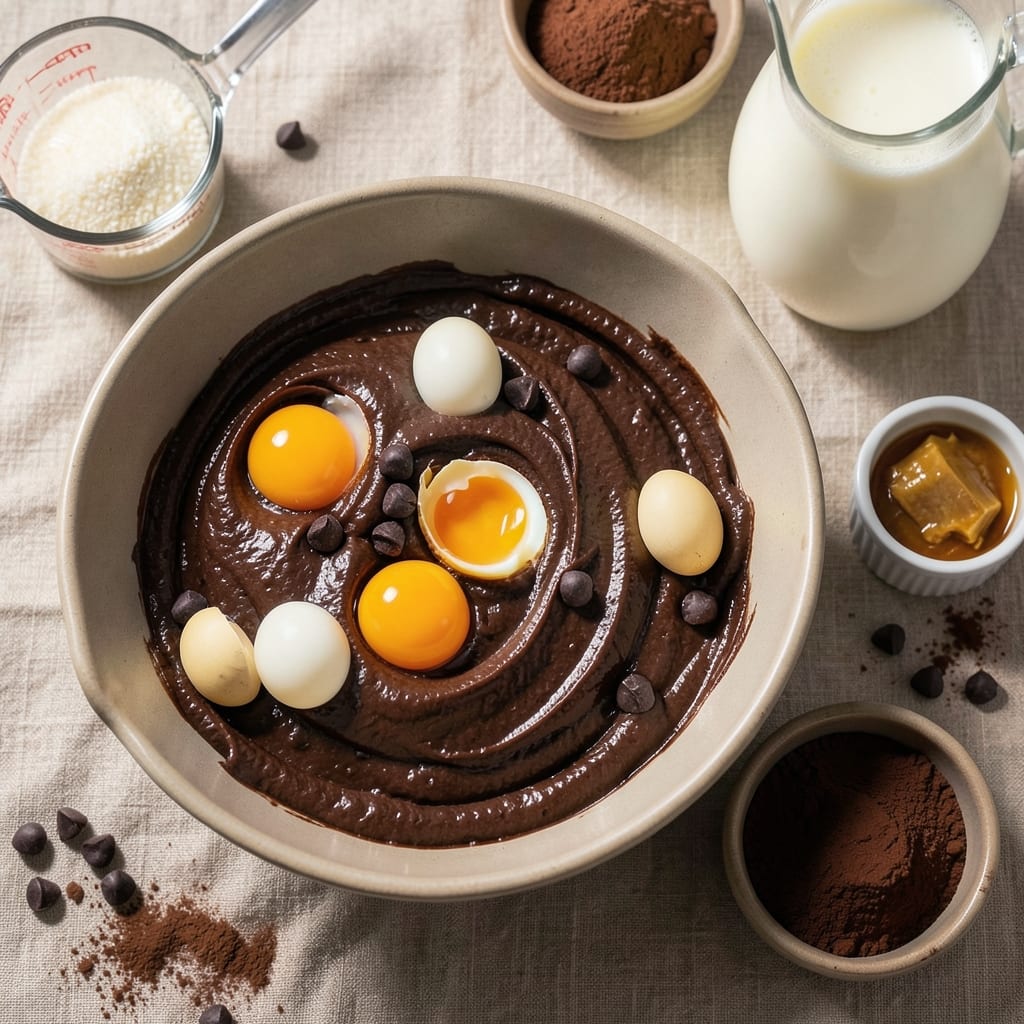
This 5-egg chocolate cake delivers layers of ultra-moist richness with a fudgy core that melts in your mouth. The secret lies in the eggs—five of them—binding the batter into a velvety texture that stays tender for days. I perfected this recipe after testing countless variations, and the difference is undeniable: no dry crumbs, no cakey disappointment, just pure chocolate decadence in every slice.
The recipe starts with a simple mix of flour, sugar, and cocoa powder, but it’s the eggs that transform it into something extraordinary. They create a dense yet airy crumb, while the melted butter and buttermilk ensure moisture that lasts. Baking at 350°F for 30-40 minutes guarantees a golden crust and a fudgy center, making every bite a revelation.
Once cooled, the cake develops an even deeper flavor, perfect for layering with your favorite frosting or a dusting of cocoa powder. The texture is what sets it apart—tender, moist, and rich—without being overly sweet. This isn’t just another chocolate cake; it’s a showstopper that will have everyone asking for seconds.
Whether you’re baking for a celebration or a weekend treat, this recipe delivers restaurant-quality results with minimal effort. The key is patience—letting the cake rest before slicing ensures clean layers and maximum flavor. Ready to bake the moistest, fudgiest chocolate cake you’ve ever tasted?
Ingredients for 5 egg chocolate cake
Five eggs, one cup butter, and a touch of espresso powder create this ultra-moist chocolate masterpiece.
| Ingredient | Amount | Notes |
|---|---|---|
| Large Eggs 🥚 | 5 whole | Room temperature for best mixing |
| All-Purpose Flour 🌾 | 2 cups | Sifted for smooth batter consistency |
| Granulated Sugar 🍚 | 2 cups | Superfine preferred for finer crumb |
| Unsweetened Cocoa Powder 🍫 | ¾ cup | Natural or Dutch-processed |
| Unsalted Butter 🧈 | 1 cup | Melted and cooled slightly |
| Buttermilk 🥛 | 1 cup | Full-fat for maximum moisture |
| Vanilla Extract 🌿 | 2 tsp | Pure Madagascar bourbon preferred |
| Baking Powder 🍞 | 1 ½ tsp | Aluminum-free for neutral flavor |
| Salt 🧂 | ½ tsp | Diamond Crystal kosher preferred |
| Instant Espresso Powder ☕ | 1 tsp | Enhances chocolate depth |
| Dark Chocolate Chips 🍫 | 1 cup | 70% cacao minimum |
| Vegetable Oil 🫒 | ¼ cup | Light neutral flavor profile |
The eggs are non-negotiable here—they're what create that signature velvety texture. Room temperature eggs mix better, so pull them out 30 minutes before baking. For the cocoa powder, Valrhona or Ghirardelli brands make all the difference in flavor depth. You'll find them in the baking aisle at Williams Sonoma or your local specialty grocer. The buttermilk adds moisture without making the cake too sweet, and if you're fresh out, a mix of milk and vinegar works perfectly. Pro tip: measure your flour by weight if you have a kitchen scale—it's more precise than scooping.
No buttermilk? Substitute with 1 cup milk plus 1 tbsp lemon juice or vinegar, let it sit for 5 minutes. Running low on vanilla? Almond extract at half the amount gives a similar depth. The espresso powder might seem odd, but it's what makes this cake taste like a bakery showpiece. No instant espresso? Strong brewed coffee cooled works in a pinch, but use half the amount. For the chocolate chips, Ghirardelli or Lindt are my go-tos—they melt perfectly and add that extra richness. If you're feeling adventurous, swap half the chips for chopped dark chocolate bar for a more professional texture.
This cake keeps beautifully—3-4 days at room temperature wrapped tightly, or up to 1 week in the fridge. For longer storage, slice and freeze portions for 3 months. The flavor actually improves as it sits, so if you can, bake it a day ahead. When reheating, wrap slices in a damp paper towel and microwave for 10-15 seconds—brings back that fresh-from-oven moisture. The buttercream or ganache you pair it with should be at room temperature too, so plan ahead if you're frosting it right away.
Why You'll Love This Recipe
- Here’s the magic: five eggs mean the cake’s dense and moist, but the cocoa powder (not Dutch-processed) keeps it deep, not bitter. A single slice feels indulgent, but the sugar isn’t overpowering—just the right amount of chocolatey satisfaction.
- No Mixer Needed: I swear by this—just whisk the eggs, sugar, and melted butter until thick, then fold in the dry stuff. No stand mixer, no overmixing, no stress. That five-egg base gives it a fudgy-yet-light texture without a single extra step.
- Rich Without Guilt: Here’s the magic: five eggs mean the cake’s dense and moist, but the cocoa powder (not Dutch-processed) keeps it deep, not bitter. A single slice feels indulgent, but the sugar isn’t overpowering—just the right amount of chocolatey satisfaction.
- Office Birthday Hero: Between us, this is my go-to for work celebrations. It cuts cleanly, travels well, and no one asks if it’s homemade. Plus, the butter keeps it tender enough to slice with a butter knife—no fancy tools, no fuss.
Step-by-step instructions for ultra-moist chocolate cake
This method delivers cake layers so tender they melt in your mouth while keeping that perfect fudgy chocolate core.
Melt Butter and Prepare Chocolate Chips
In a microwave-safe bowl, melt the 1 cup unsalted butter in 30-second intervals, stirring between each, until completely smooth. Let it cool slightly—it should be warm to the touch but not hot. Meanwhile, place the 1 cup dark chocolate chips in a separate bowl.
Pour the melted butter over the chocolate chips and let them sit for 1 minute. The residual heat will begin melting them into a glossy chocolate mixture. This step ensures even distribution of chocolate flavor throughout the batter, creating that signature fudgy core. If any chips remain unmelted, gently warm the bowl over a double boiler for 10 seconds until fully combined.
Whisk Wet Ingredients for Maximum Moisture
In a large mixing bowl, combine the 5 whole large eggs, 2 cups granulated sugar, 1 cup buttermilk, 2 tsp vanilla extract, 1 tsp instant espresso powder, and the melted chocolate-butter mixture. Whisk vigorously for 2-3 minutes until the mixture lightens in color and triples in volume. You'll see tiny bubbles forming—this incorporates air, which creates that signature tender crumb.
Here's the thing—don't rush this step. The eggs and sugar need time to emulsify properly. You want the mixture to look like pale, fluffy ribbons when you lift the whisk. If it's still thick or grainy after 3 minutes, keep whisking for another 30 seconds. The buttermilk adds moisture while the espresso powder deepens the chocolate flavor without bitterness.
Sift Dry Ingredients and Combine Gently
In a separate bowl, sift together the 2 cups all-purpose flour, 1.5 tsp baking powder, and 0.5 tsp salt. This prevents lumps and ensures even distribution throughout the batter. Create a well in the center and pour in the wet mixture. Using a spatula, gently fold the dry ingredients into the wet, being careful not to overmix. You want to maintain those air bubbles while incorporating the flour evenly.
Here's where precision matters: fold just until combined. Overmixing develops gluten, which leads to tough cake. Stop folding when you see a few dry streaks—those will disappear as the batter rests. The batter should be thick but pourable. If it looks too stiff, add 1 tablespoon of buttermilk to loosen it slightly. This ensures the cake rises properly without being dense.
Fold in Chocolate Chips for Fudgy Surprises
Using the same spatula, gently fold in the 1 cup dark chocolate chips you prepared earlier. Distribute them evenly throughout the batter, reserving about 2 tablespoons to sprinkle on top of each layer before baking. This creates pockets of molten chocolate in every bite while adding decorative appeal to the finished cake.
Don't worry if the batter looks like too much chocolate—trust me, it'll distribute perfectly. The chips will melt slightly during baking, creating those signature fudgy pockets while maintaining the cake's structure. For even distribution, use a rubber spatula to cut through the batter and fold from the bottom up, ensuring no dry spots remain.
Bake in Layers for Perfect Rise
Preheat your oven to 350°F and grease three 8-inch round cake pans with vegetable oil, then line the bottoms with parchment paper. Divide the batter evenly among the pans, smoothing the tops with a spatula. Sprinkle the reserved 2 tablespoons dark chocolate chips evenly over each layer.
Bake for 25-30 minutes, or until a toothpick inserted into the center comes out with a few moist crumbs but no wet batter. Rotate the pans halfway through for even baking. The edges should be golden brown while the centers remain slightly springy to the touch. Overbaking dries out the cake—this is where timing matters most. The internal temperature should reach 205-210°F for perfect doneness.
Pro Tips For Making 5 Egg Chocolate Cake
- Melt Butter Slowly: The butter in this recipe isn’t just fat—it’s the thing that makes the cake tender, not greasy. Melt it in the microwave in 10-second bursts, stirring between each, until it’s just smooth and no longer shiny. Stop when it’s 110°F (43°C)—any hotter and you’ll cook the flour before it hits the pan, leading to a dense, dry crumb. Trust me, I’ve turned this cake into a sad brick by rushing this step.
- Sift the Cocoa Twice: Unsweetened cocoa powder is finicky—it clumps like a teenager avoiding chores. Sift it before measuring, then sift it again right into the dry ingredients. This isn’t just about aeration; it’s about distributing those bitter particles evenly so every bite is rich, not hit-or-miss. I used to skip this, and half the cake tasted like chocolate, the other half like dust.
- Use Room-Temp Eggs: Cold eggs in a warm batter = curdled disaster. Pop the eggs out of the fridge 30 minutes before mixing, or run them under warm water for 2 minutes while you’re prepping. The yolks should coat the back of a spoon like syrup, not sit there like globs of regret. This isn’t just about texture—it’s about the eggs binding properly so the cake holds together when you slice it.
- Stop Mixing at "Doughy": The moment you see streaks of flour disappear but the batter still looks shaggy, stop. Overmixing this cake turns it into a chewy, dense mess—like eating a chocolate loaf instead of a cloud. Two minutes max after adding the wet ingredients, then scrape the bowl once with a spatula. The batter’s job is to hold air, not become a science experiment. I’ve turned this into a rubbery brick by ignoring this rule.
Troubleshooting this recipe
Batter Too Thin
If your batter looks more like pancake mix than cake batter, you likely need to adjust the flour or eggs. Start by adding 1-2 tablespoons of all-purpose flour at a time, mixing gently until combined. The batter should hold its shape when spooned but still be pourable. If it's still too thin after adding flour, let it rest for 10-15 minutes—sometimes the eggs absorb excess liquid. For next time, ensure your eggs are at room temperature before mixing, as cold eggs can make the batter runnier.
Batter Too Thick
A thick, stiff batter often means overmixing or incorrect measurements. If this happens, add 1 tablespoon of buttermilk at a time until the batter reaches a smooth, pourable consistency. Avoid adding too much liquid, as this can make the cake dense. Double-check your measurements—especially the flour, which should be sifted for accuracy. If the batter still feels too thick, let it sit for 5 minutes before folding in the dry ingredients; sometimes the flour absorbs excess moisture over time.
Cake Sinks in Center
A sunken center usually means the cake wasn’t baked long enough or the oven temperature fluctuated. First, ensure your oven is fully preheated to 350°F before placing the pans inside. Use an oven thermometer to confirm accuracy—many home ovens run 25°F hotter or cooler than set. Bake until a toothpick comes out with a few moist crumbs, not wet batter. If the cake still sinks, try baking for 5-10 minutes longer next time, checking for doneness at the lower end of the recommended time.
Dry or Crumbly Texture
Overbaking is the most common cause of dry cake, but it can also happen if the butter or buttermilk wasn’t fully incorporated. Pull the cake out of the oven as soon as the toothpick test passes—every extra minute in the heat draws out moisture. For extra richness, ensure your butter is melted but not hot when mixing. If the cake still turns out dry, try adding 1 tablespoon of vegetable oil to the batter next time, which adds moisture without altering flavor. Store the cake in an airtight container with a slice of bread to help retain moisture overnight.
Uneven Baking
Hot spots or uneven edges often mean your oven isn’t distributing heat evenly. Rotate the cake pans halfway through baking to ensure even cooking. Place a metal baking sheet on the lower rack 10 minutes before baking to reflect heat upward. If your oven has hot spots, position the pans on the middle rack where heat is most consistent. For even browning, avoid opening the oven door during the first 20 minutes of baking—temperature fluctuations cause uneven rising.
Chocolate Chips Not Melting
If your chocolate chips stay unmelted in the final cake, they likely weren’t heated enough before folding into the batter. For best results, melt the chocolate chips with the butter in a double boiler until fully glossy, then let cool slightly before adding to the wet ingredients. If you’re in a rush, place the bowl of chips and butter in the microwave for 10-15 seconds, stirring until smooth. For extra insurance, fold in the chips just before baking so the residual heat of the oven melts them perfectly during the first 10 minutes of baking.
Nutrition facts
Frequently asked questions
Why does this recipe use five eggs instead of the usual three?
The extra eggs create an ultra-moist, velvety texture that stays tender for days. Each egg adds richness and structure, preventing dryness while keeping the cake's signature fudgy core. The result is a denser, more decadent crumb compared to lighter cakes with fewer eggs.
Can I substitute buttermilk if I don’t have any?
Mix 1 cup milk with 1 tablespoon lemon juice or vinegar, then let it sit for 5 minutes until slightly thickened. This homemade version works perfectly and maintains the cake's moisture. Never skip the acid component—it's what activates the baking powder for proper rise.
How do I prevent the cake from cracking?
Cracking usually happens when the cake cools too quickly or the oven temperature fluctuates. Let the cake cool in the pans for 10 minutes before transferring to a wire rack. Avoid opening the oven door during the first 20 minutes of baking, and use an oven thermometer to confirm 350°F accuracy—many ovens run hotter or cooler than set.
What’s the best way to store leftover cake?
Wrap tightly in plastic wrap or store in an airtight container at room temperature for 3-4 days. For longer storage, slice and freeze portions for up to 3 months. To revive frozen slices, thaw at room temperature for 30 minutes or warm in a 200°F oven for 5-10 minutes with a damp paper towel.
Can I make this cake in a single 9-inch pan instead of three 8-inch pans?
Yes, but expect a taller, denser cake with a longer baking time. Reduce the oven temperature to 325°F and bake for 50-60 minutes, checking for doneness with a toothpick. The single layer will be richer but may require adjusting frosting amounts. For best results, stick with the three-layer approach for classic texture.