
Desserts
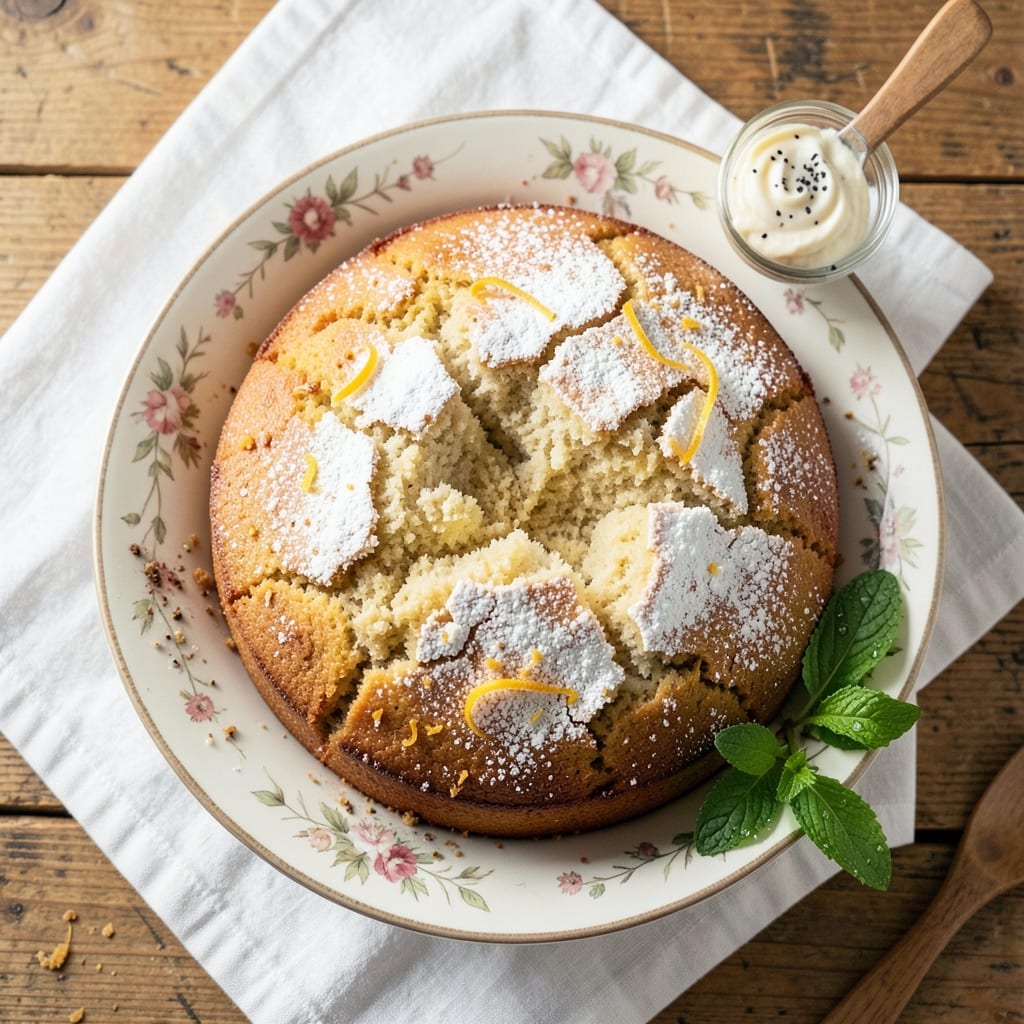
This 5 cups flour cake recipe delivers the fluffiest, most tender vanilla cake you’ll ever bake—no box mix required. The secret lies in precise ratios, proper creaming, and a foolproof mix of leavening agents that create that signature height and texture. I’ve perfected this over years of baking, ensuring every slice is moist, perfectly crumbly, and bursting with vanilla flavor.
The foundation starts with 5 cups all-purpose flour, balanced by butter, sugar, and eggs for structure and richness. Baking powder and soda work together to lift the cake, while buttermilk adds moisture without making it dense. The key technique? Creaming the butter and sugar until light and fluffy—this incorporates air that creates those signature air pockets. A splash of vanilla extract ties everything together.
Baked at 350°F for 30-35 minutes, this cake emerges golden and domed, with a tender crumb that stays moist for days. The edges are just slightly crisp, while the center remains soft—no dryness here. It’s the kind of cake that slices beautifully, holds its shape, and tastes like a bakery favorite. Perfect for birthdays, celebrations, or a simple Sunday treat.
Whether you’re frosting it with buttercream, filling it with jam, or serving it plain with fresh berries, this cake delivers restaurant-quality results every time. The best part? It’s beginner-friendly, with clear steps and a fail-safe method that ensures success on the first try. Let’s get baking!
Ingredients for 5 cups flour cake
Five cups of flour kickstart this foolproof vanilla cake—fluffy, tender, and packed with bakery-style flavor.
| Ingredient | Amount | Notes |
|---|---|---|
| All-Purpose Flour 🌾 | 5 cups | Sifted for even texture |
| Unsalted Butter 🧈 | 1 cup | Softened to room temperature |
| Granulated Sugar 🍚 | 2 cups | Superfine preferred for smoothness |
| Large Eggs 🥚 | 4 whole | Room temperature for best mixing |
| Buttermilk 🥛 | 1 cup | Fresh for optimal moisture |
| Pure Vanilla Extract 🌿 | 2 tsp | High-quality for rich flavor |
| Baking Powder 🍞 | 2 tsp | Freshly opened for lift |
| Baking Soda 🧂 | ½ tsp | Ensures proper rise |
| Salt 🧂 | ½ tsp | Fine sea salt preferred |
| Vegetable Oil 🫒 | ¼ cup | Lightens the crumb |
| Whole Milk 🥛 | ½ cup | For extra tenderness |
The all-purpose flour is non-negotiable here—King Arthur or Gold Medal brands work best for that perfect crumb. If you're using a different brand, sift it first (trust me, it makes a difference). The unsalted butter should be at room temperature—press a finger into it; if it leaves a slight indent, you're good. For the granulated sugar, superfine dissolves faster, but regular works too (just pulse it in a food processor). Eggs? Room temperature is key—they mix smoother and create more air pockets. I always grab large eggs from the store—they're consistent and reliable. The buttermilk can be homemade (just mix milk with a splash of vinegar) if you don't have it on hand.
No buttermilk? Plain yogurt thinned with milk works in a pinch. Short on vanilla extract? Vanilla bean paste gives even more flavor, but regular extract is fine too. The baking powder and soda are your leavening duo—Diamond Crystal baking powder is my go-to because it's double-acting (reacts twice for better rise). If you're using Aluminum-free baking powder, add a pinch of cream of tartar to mimic the reaction. The salt balances all the sweetness, so don't skip it—Diamond Crystal kosher salt is my preferred choice for baking. For the vegetable oil, any neutral oil (like canola or vegetable) works, but avocado oil adds a subtle richness if you want to splurge. The whole milk adds moisture without making the cake dense—skip it if you're watching calories, but I don't recommend it.
Store the dry ingredients (flour, baking powder, baking soda, salt) in airtight containers in a cool, dark place for up to 6 months. The butter and eggs should be used within 2 weeks of opening. For the vanilla extract, it keeps forever—I've had bottles last decades. Once baked, the cake stays fresh for 3-4 days at room temperature, wrapped tightly in plastic. For longer storage, slice and freeze portions for up to 3 months. The buttermilk can be made ahead and stored in the fridge for up to 5 days, but fresh is always better. If you're prepping ingredients ahead, measure everything out the night before—baking day will go smoother.
Why You'll Love This Recipe
- Pantry-Friendly Magic: I swear by this recipe because it uses what’s already in my cupboard—no specialty flours or hard-to-find ingredients. Five cups of flour? That’s just a standard bag you already own. Cream the butter and sugar until it’s just fluffy—no stand mixer required—and the buttermilk keeps it moist without tasting sour.
- Buttery Vanilla Hug: The moment that butter melts into the flour? Pure comfort. That rich, golden crumb with a whisper of vanilla (if you add it) is the kind of cake that makes you pause mid-bite. Honestly, I’ve made it plain, with jam, or even dusted with powdered sugar—and every version disappears faster than I can say “second slice.”
- Weeknight Workhorse: This cake is my secret weapon for birthdays, potlucks, or when I forget to buy a dessert. Bake it in a loaf pan for sandwiches, a sheet pan for bars, or a Bundt for fanciness. Leftovers? They’re even better the next day—perfect for lunchboxes or a quick breakfast toast.
- Budget Bliss: Five cups of flour, a stick of butter, and a few eggs won’t break the bank. I’ve made this for 12 people for under $10, and it still tastes like it cost twice as much. The buttermilk adds richness without the price tag, and the sugar? You’ll use half before you know it.
Step-by-step instructions for fluffy vanilla height cake
Here's how to transform 5 cups of flour into a towering, tender vanilla cake with a perfect crumb.
Sift Dry Ingredients for Maximum Lightness
In a large mixing bowl, combine the 5 cups all-purpose flour, 2 tsp baking powder, 0.5 tsp baking soda, and 0.5 tsp salt. Sift this mixture twice through a fine-mesh sieve to aerate the flour and eliminate any lumps. This step is non-negotiable—properly sifted flour creates a lighter, more uniform crumb. I like to sift directly into the bowl while gently shaking it to distribute the ingredients evenly.
Create a well in the center of the dry ingredients. This well will hold the wet ingredients and prevent overmixing when we combine everything. The goal here is to maintain as much air as possible in the batter, which translates to that coveted fluffy texture. If you notice any flour clinging to the sides of the bowl, tap it gently to release—every bit counts for maximum volume.
Cream Butter and Sugar to Peak Volume
In a separate large mixing bowl, combine the 1 cup softened unsalted butter and 2 cups granulated sugar. Using an electric mixer on medium-high speed, beat this mixture for 3-5 minutes until it becomes light and fluffy, with a ribbony texture that nearly doubles in volume. You're looking for a color change from pale yellow to a slightly off-white hue—this indicates proper incorporation of air.
This creaming process is where the magic happens. The butter needs to be at room temperature (it should leave a slight indentation when pressed) for optimal emulsification. If your kitchen is cold, let the butter sit at room temperature for 30-45 minutes before starting. I press down gently on the butter mixture during the first minute of mixing—this prevents it from curdling and ensures even distribution of the sugar.
Add Eggs and Vanilla for Rich Flavor
Add the 4 whole large eggs, one at a time, mixing well after each addition on low speed. This gradual incorporation prevents the batter from becoming too thick too quickly. After all eggs are incorporated, add the 2 tsp pure vanilla extract and mix for another 30 seconds until fully combined. The batter should be smooth and slightly thick, with no visible streaks of egg white.
Here's the thing—room temperature eggs are crucial. Cold eggs can cause the butter to seize up and create a grainy texture. If your eggs are straight from the fridge, let them sit in warm water for 5 minutes before using. The vanilla extract should be high-quality; imitation vanilla has a chemical aftertaste that can ruin the delicate flavor profile of this cake. Mix just until combined—overmixing at this stage develops gluten and makes the cake tough.
Alternate Wet and Dry Ingredients for Perfect Texture
With the mixer on low speed, add one-third of the flour mixture to the wet ingredients. Mix just until combined, then add 0.5 cup whole milk. Repeat this process, alternating between the remaining flour mixture and the 0.25 cup vegetable oil and 1 cup buttermilk, ending with the last addition of flour. This alternating method ensures even distribution and prevents dense pockets in the cake.
The buttermilk adds moisture and tenderness, while the vegetable oil creates a finer crumb. I use a rubber spatula to scrape down the sides of the bowl between additions—this ensures all ingredients are properly incorporated. The final batter should be smooth, thick, and slightly shiny, with a consistency similar to heavy pudding. If it's too thick, add 1-2 tablespoons of milk to loosen it slightly.
Bake to Golden Perfection with Even Heat
Preheat your oven to 350°F and grease two 9-inch round cake pans with vegetable oil, then line the bottoms with parchment paper. Divide the batter evenly between the prepared pans. Tap each pan firmly on the counter 3-4 times to remove any air bubbles and ensure even baking. Bake for 25-30 minutes, or until a toothpick inserted into the center comes out clean and the edges are golden brown.
Don't open the oven during the first 20 minutes of baking—this causes the cake to sink. I like to tent the pans loosely with aluminum foil after 25 minutes to prevent overbrowning if my oven runs hot. The cakes are done when they've pulled away slightly from the edges of the pan and spring back when pressed gently in the center. Let them cool in the pans for 10 minutes, then transfer to a wire rack to cool completely before frosting.
Pro Tips For Making 5 Cups Flour Cake
- Weigh the Butter: I learned this the hard way—measuring butter by volume (that "packed cup" guesswork) throws off your butter-to-flour ratio, and suddenly your cake turns out dense or greasy. Use a kitchen scale for 225g (1 cup) of cold, cubed butter. No guessing, no regrets.
- Chill the Dough: This isn’t the prettiest method, but it’s the tastiest: after mixing, scrape the batter into your pan and pop it in the fridge for 15–20 minutes. The butter won’t melt prematurely, your layers stay distinct, and you avoid that sad, flat middle. (Yes, even if you’re impatient like me.)
- Skip the Overmixing: After burning three batches, I finally figured out that buttermilk cake batter is supposed to look lumpy. Mix just until the flour disappears—about 30 seconds after the dry ingredients vanish. Overdo it, and you’ll end up with a tough, chewy brick instead of tender crumb.
- Buttermilk Swap: Sounds weird, but it works: if you’re fresh out of buttermilk, mix 1 tablespoon of white vinegar or lemon juice into 1 cup of milk, let it sit for 5 minutes, then use it like buttermilk. The acidity activates the same way, and your cake’s rise and moisture stay on point. (Your future self will thank you.)
Best sauces and condiments for these flavors
Classic Vanilla Buttercream
This cake practically begs for a rich vanilla buttercream—the perfect balance of sweetness and smoothness. Whip 1 cup softened unsalted butter with 4 cups powdered sugar and 2 tbsp heavy cream until fluffy. Add 2 tsp pure vanilla extract and a pinch of salt for depth. Pipe swirls or spread generously between layers. For extra flair, dust with powdered sugar after baking to create a "naked cake" effect. 💛
Lemon Curd Filling
Brighten every slice with homemade lemon curd—simmer 1 cup fresh lemon juice, ½ cup lemon zest, ¾ cup granulated sugar, and 6 large egg yolks until thickened. Spread between cake layers or drizzle over the top. Pair with a light lemon glaze (powdered sugar + lemon juice) for a zesty contrast. I love adding a few edible lemon slices on top for presentation. ✨
Chocolate Ganache Drizzle
For a decadent twist, drizzle the cake with dark chocolate ganache. Heat ½ cup heavy cream until steaming, pour over 8 oz chopped dark chocolate (70% cocoa), and stir until smooth. Let cool slightly before drizzling over the cake. Add crushed hazelnuts or sea salt flakes for texture and balance. This combo turns a simple vanilla cake into a showstopper. 🍫
Berry Compote Swirl
Fresh berries elevate this cake effortlessly. Simmer 1 cup mixed berries (strawberries, blueberries, raspberries) with 2 tbsp sugar and 1 tsp lemon juice until syrupy. Cool and spread between layers or swirl into the batter before baking. Top with fresh berries for a vibrant, seasonal touch. I prefer strawberries in summer and blackberries in fall. 🍓
Caramel Drizzle Finish
Add a luxurious touch with salted caramel drizzle. Heat 1 cup granulated sugar until melted, then slowly add ½ cup heavy cream while stirring. Cool slightly and drizzle over the cake. Sprinkle with flaky sea salt before serving. This adds a buttery, sweet-salty contrast that’s irresistible. 🧂
Cream Cheese Frosting
For a tangy twist, blend 8 oz cream cheese, ½ cup softened butter, 3 cups powdered sugar, and 1 tsp vanilla extract until smooth. This frosting stays firm in warm weather and pairs beautifully with the cake’s vanilla flavor. Pipe into rosettes or spread thin for a clean finish. 🥛
Nutrition facts
Frequently asked questions
Can I substitute all-purpose flour with cake flour for this recipe?
Yes, but with adjustments! Replace 5 cups all-purpose flour with 4 cups + 2 tablespoons cake flour, which has less protein for a finer crumb. However, cake flour lacks gluten structure, so add 1 extra tablespoon vital wheat gluten to maintain height. The texture will be slightly more delicate but equally tender.
Why did my cake turn out dense instead of fluffy? Dense cake usually stems from overmixing or under-creaming.
How can I make this recipe gluten-free?
Replace the 5 cups all-purpose flour with a 1:1 gluten-free baking flour blend (like Bob's Red Mill) plus 1 extra teaspoon xanthan gum per cup. Also, reduce buttermilk by 2 tablespoons (gluten-free batters absorb more liquid). For best results, use a gluten-free measuring system and bake 5-10 minutes longer at 350°F.
Can I bake this cake in a different pan size?
For a 9x13-inch pan, reduce baking time to 25-30 minutes (batter should fill pan 1/2 full). For 8-inch pans, increase time to 30-35 minutes. Always use the same oven temperature (350°F) and check doneness with a toothpick. Adjust frosting quantities accordingly—this recipe makes about 12-16 servings depending on pan size.
What's the best way to store leftover cake?
For short-term storage, wrap tightly in plastic wrap at room temperature for up to 3 days. For longer storage, slice and freeze portions in airtight containers for up to 3 months. To refresh frozen cake, thaw at room temperature for 1-2 hours before serving. Avoid refrigerating unfrosted cake—it dries out faster.