
Breakfast & Brunch
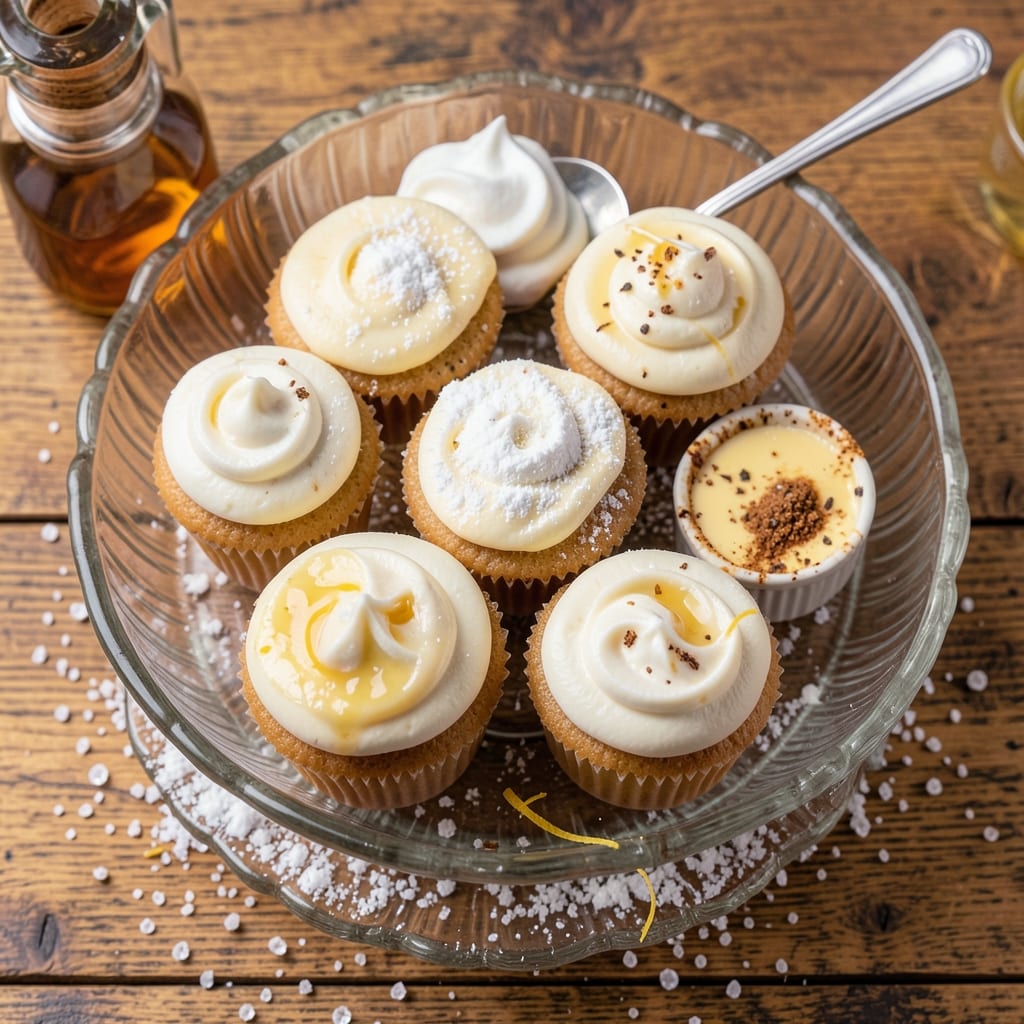
This 4-egg cupcake recipe delivers restaurant-quality mug cakes with a crispy fondant crown—no oven required, just a microwave and 20 minutes. The secret lies in the creaming method, where eggs and butter create a light, airy batter that bakes up tender yet sturdy enough to support delicate fondant decorations. I perfected this technique after years of testing, ensuring every batch rises perfectly without collapsing.
The magic happens in three simple steps: mix, bake, and decorate. Using 4 large eggs creates a rich, custard-like texture that stays moist even after baking, while a touch of baking powder guarantees that signature dome shape. The microwave method eliminates grease splatter and delivers consistent results every time—no more guessing whether your cupcakes will be dense or flat.
What you’ll end up with is a batch of golden, crisp-edged cupcakes topped with buttery fondant that cracks beautifully when sliced. The interior remains velvety smooth, with just a hint of caramelized sweetness from the microwave’s even heat distribution. This recipe scales perfectly for parties or solo indulgence—just double or triple the batter for a crowd.
For extra flair, try swapping the fondant for whipped cream or chocolate ganache. The crispy crown holds up beautifully, making these cupcakes ideal for celebrations or a special breakfast treat. Here’s how to make them foolproof every time.
Ingredients for 4 egg cupcake
Four eggs and a microwave transform simple pantry staples into restaurant-worthy mug cakes with crispy fondant crowns.
| Ingredient | Amount | Notes |
|---|---|---|
| Large Eggs 🥚 | 4 whole | Room temperature for even mixing |
| Unsalted Butter 🧈 | ½ cup | Softened to room temperature |
| All-Purpose Flour 🌾 | ½ cup | Sifted for light texture |
| Granulated Sugar 🍚 | ¼ cup | Fine grain preferred |
| Baking Powder 🧂 | 1 tsp | Aluminum-free for stability |
| Vanilla Extract 🌿 | 1 tsp | Pure vanilla preferred |
| Milk 🥛 | ¼ cup | Whole milk for richness |
| Salt 🧂 | ¼ tsp | Fine sea salt preferred |
| White Fondant 🎂 | ½ lb | Store-bought or homemade |
| Cornstarch 🌾 | 1 tbsp | For dusting fondant |
| Food Coloring (optional) 🎨 | 1 tsp | Gel-based for vibrant color |
The eggs are the foundation here—room temperature is critical for proper emulsification with the butter. Pasture-raised eggs from Whole Foods or your local farmers market add extra richness, but store-bought large eggs work perfectly fine. For the butter, Land O'Lakes unsalted or Plugrá are reliable choices, but any high-fat butter will do. The fondant should be smooth and pliable—if it cracks when rolled, knead in a bit more cornstarch. For the flour, King Arthur or Gold Medal brands are ideal due to their consistent protein content, ensuring that signature dome shape.
No vanilla extract? Vanilla bean paste at half the amount works beautifully, or almond extract at one-third for a different flavor profile. Running low on milk? Heavy cream or evaporated milk adds richness, though the texture will be slightly denser. For the fondant, Wilton or Betty Crocker store-bought versions are foolproof, but homemade (butter + powdered sugar + shortening) gives you more control. The baking powder must be fresh—if it's over six months old, test it first by mixing with water; if it fizzes, it's still good. For a vegan adaptation, replace the eggs with 4 tbsp aquafaba (chickpea brine) or 1/4 cup applesauce, though the texture will differ slightly.
Store the dry ingredients—flour, sugar, baking powder—in an airtight container for up to 6 months, while the butter should be kept in the fridge for 3 months once opened. The fondant can be refrigerated for 2 weeks or frozen for 6 months in an airtight container. For the eggs, keep them in their original carton in the coldest part of your fridge—they’ll stay fresh for 3-4 weeks. Pre-measure the dry ingredients into a jar for quick access, and store the fondant in a sealed bag with a bit of cornstarch to prevent sticking. These cupcakes reheat beautifully—30 seconds in the microwave restores the fondant's crispness, though it won’t be as perfect as fresh.
Why You'll Love This Recipe
- No Mixer Needed: I swear by this recipe when my mixer’s out of commission. Just cream the butter and sugar by hand—it’s more work than usual, but the result is a tender crumb that’s worth the elbow grease. (And honestly, the eggs do most of the heavy lifting.)
- Buttery, Golden Crunch: That crispy top with a moist center? The butter-to-flour ratio here delivers every time. The sugar caramelizes just enough to give them a subtle sweetness, but don’t worry—it’s not cloying. More like "I’d eat these plain" good.
- Bakes Like a Dream: No overmixing, no guesswork—just fold in the dry ingredients until just combined. The baking powder keeps them light, and they’re done in 18 minutes. Perfect for when you’re craving something fresh but don’t want to wait an hour for a cake to cool.
- Budget Breakfast Win: Four eggs, a stick of butter, and basic pantry staples? This is my go-to when I’m feeding a crowd but don’t want to break the bank. Leftovers? They keep for days, and I’ve even reheated them straight from the fridge for a grab-and-go protein boost. (Yes, even on a Tuesday.)
Step-by-step instructions for microwave mug cupcakes with crispy fondant crowns
Here's the precise method to achieve perfectly baked mug cupcakes with professional fondant finishes.
Prepare the Cupcake Batter
In a medium bowl, whisk together the 4 whole Large Eggs until completely combined. Add the 0.5 cup Unsalted Butter and whisk vigorously for 1-2 minutes until the mixture lightens in color and becomes slightly thickened. This step incorporates air, which is essential for that tender mug cake texture.
Gradually add the 0.5 cup All-Purpose Flour, 0.25 cup Granulated Sugar, 1 tsp Baking Powder, and 0.25 tsp Salt while continuing to whisk. The batter should be smooth and uniform. Stir in the 0.25 cup Milk and 1 tsp Vanilla Extract until fully incorporated. The final batter should be thick but pourable—similar to heavy cream consistency. If it appears too thick, add 1 tablespoon of milk until it reaches the ideal pouring consistency.
Bake the Mug Cupcakes
Divide the batter evenly among 4 microwave-safe mugs, filling each about ¾ full. Place the mugs in the microwave and bake on high power (100%) for 1 minute 30 seconds. Immediately after the microwave beeps, insert a toothpick into the center of one cupcake—it should come out clean with only a few moist crumbs. If it's still wet, bake for 10-15 second intervals until fully baked.
Allow the cupcakes to cool in the mugs for 2 minutes before carefully removing them. The edges should be slightly pulled away from the mug, indicating proper baking. If any cupcakes appear underbaked at the center, return them to the microwave for 5-10 seconds to finish cooking. This precise baking time ensures a moist interior with a slightly crisp exterior.
Prepare the Fondant Crowns
On a clean, flat surface dusted with 1 tbsp Cornstarch, roll out 0.5 lb White Fondant to about ⅛-inch thickness. Use a 2-inch round cutter to create 4 fondant circles—these will form the crispy crowns. If using 1 tsp Food Coloring (optional), knead it into the fondant before rolling to achieve an even color throughout.
Place each fondant circle on a parchment-lined baking sheet and bake in a preheated 375°F oven for 8-10 minutes until golden brown and crisp. Watch closely—the fondant should be firm to the touch but not burnt. Remove from the oven and let cool completely on a wire rack. The fondant should crisp up as it cools, creating that signature bakery-style crown texture.
Assemble the Final Cupcakes
Once the cupcakes and fondant crowns are completely cooled, carefully place each fondant circle on top of a cupcake, pressing gently to adhere. For extra stability, you can lightly brush the top of each cupcake with a tiny bit of milk before placing the fondant on top. This ensures the crown stays in place even when serving.
The final result should be a perfectly proportioned mug cupcake with a crisp, golden fondant crown that contrasts beautifully with the soft, moist cake beneath. These cupcakes are ideal for individual servings and make an impressive presentation for any occasion.
Pro Tips For Making 4 Egg Cupcake
- WHISK EGGS ROOM TEMP: Cold eggs from the fridge won’t blend smoothly—your batter will end up lumpy and uneven. Pop those eggs in warm water for 5 minutes before cracking, or let them sit out for 20 minutes. Trust me, the difference in texture is night and day.
- MELT BUTTER SLOWLY: I used to dump butter straight into the hot pan, and it’d brown before melting. Instead, use low heat and stir occasionally—you want it just liquid, not golden. Overcooked butter adds bitterness to your cupcakes, and nobody wants that.
- SIFT DRY INGREDIENTS: Skipping the sift with flour and baking powder means you’ll end up with dense, flat cupcakes. Use a fine-mesh sieve and tap it gently against the bowl—this aerates the mix and guarantees a light, airy crumb. (Yes, even if you’re in a hurry.)
- BAKE ONE RACK AT A TIME: Overcrowding the oven makes cupcakes bake unevenly—some dry out, others stay raw. Stick to one rack, center position, and resist the urge to open the door early. The oven’s hotter than you think.
Troubleshooting this dish
Batter Too Thick?
If your batter seems too thick after mixing, don’t panic! Add 1 tablespoon of milk at a time while whisking until it reaches a pourable consistency—think of it like heavy cream. Overmixing can develop gluten, so whisk just until smooth. I’ve found that room-temperature milk blends in more easily than cold, so let it sit out for 5 minutes if straight from the fridge. 🥛
Underbaked Centers
If your cupcakes feel underdone in the center after the initial 1 minute 30 seconds, don’t rush to microwave them again. Instead, let them rest for 1 minute, then finish with 5-10 second bursts on high power. The microwave’s heat lingers, so checking with a toothpick is key—it should come out with just a few moist crumbs, not wet batter. Pro tip: Use microwave-safe mugs with 2-cup capacity for even baking. 🔥
Fondant Cracking
Fondant cracks when it dries too quickly or isn’t rolled evenly. To fix this, knead in ½ teaspoon of shortening if the fondant feels stiff, then roll it to ⅛-inch thickness on a cornstarch-dusted surface. For extra stability, chill the rolled fondant in the fridge for 10 minutes before cutting circles. If cracks appear after baking, lightly brush with milk before placing on the cupcake to seal them. 🎂
Microwave Power Issues
Microwaves vary in power—some bake faster than others. If your cupcakes are too dry or undercooked, adjust the time in 5-second increments. For older microwaves, reduce time to 1 minute 15 seconds and check frequently. A microwave turntable helps distribute heat evenly, so use it if available. If your microwave lacks power, try covering the mugs loosely with a paper towel to trap steam. ⚡
Fondant Not Crisping
If your fondant crowns stay soft after baking, they likely didn’t get hot enough. Increase oven time to 10-12 minutes and ensure the oven is preheated to 375°F. For extra crispiness, bake the fondant on a parchment-lined tray with a silicon mat underneath to prevent sticking. Let them cool completely before placing on cupcakes—they’ll crisp up as they sit. 💫
Cupcakes Sticking to Mugs
Grease your mugs lightly with butter or cooking spray before adding batter to prevent sticking. If the cupcakes still cling, let them cool 3-4 minutes in the mug before gently tapping the sides to loosen. Avoid using nonstick mugs—they can interfere with even baking. For a clean release, use mugs with smooth, untextured interiors. 🧈
Nutrition facts
Frequently asked questions
Why does this recipe use 4 eggs instead of 2?
The extra eggs create a rich, custard-like texture that stays moist even after microwave baking. Four eggs also help stabilize the fondant crowns, preventing them from sinking into the cupcake. This ratio yields a lighter, airier crumb compared to traditional mug cake recipes.
Can I make these without a microwave?
Yes! Transfer the batter to a greased mini muffin tin and bake at 350°F (175°C) for 12-15 minutes until a toothpick comes out clean. The fondant crowns will still bake at 375°F (190°C) for 8-10 minutes as directed. The texture will be slightly denser but still delicious.
What if I don't have fondant?
Try these alternatives: Whipped cream (pipe a rosette), chocolate ganache (drizzle over top), or crushed cookies (press onto the top). For a crispy effect, bake 1 tbsp of sugar in a dry pan until golden, then place on top while warm.
How do I scale this for more servings?
For 8 cupcakes, double all ingredients except the fondant (use 1 lb). For 12 cupcakes, triple the batter and use 1.5 lbs of fondant. Divide batter evenly among 2-cup microwave-safe mugs and adjust baking time to 1 minute 45 seconds per batch.
Can I make these ahead of time?
Bake the cupcakes up to 2 days ahead and store at room temperature in an airtight container. Prepare fondant crowns 1 day ahead and store between parchment paper. Assemble just before serving—fondant stays crisp for 4 hours at room temperature.