
Breakfast & Brunch
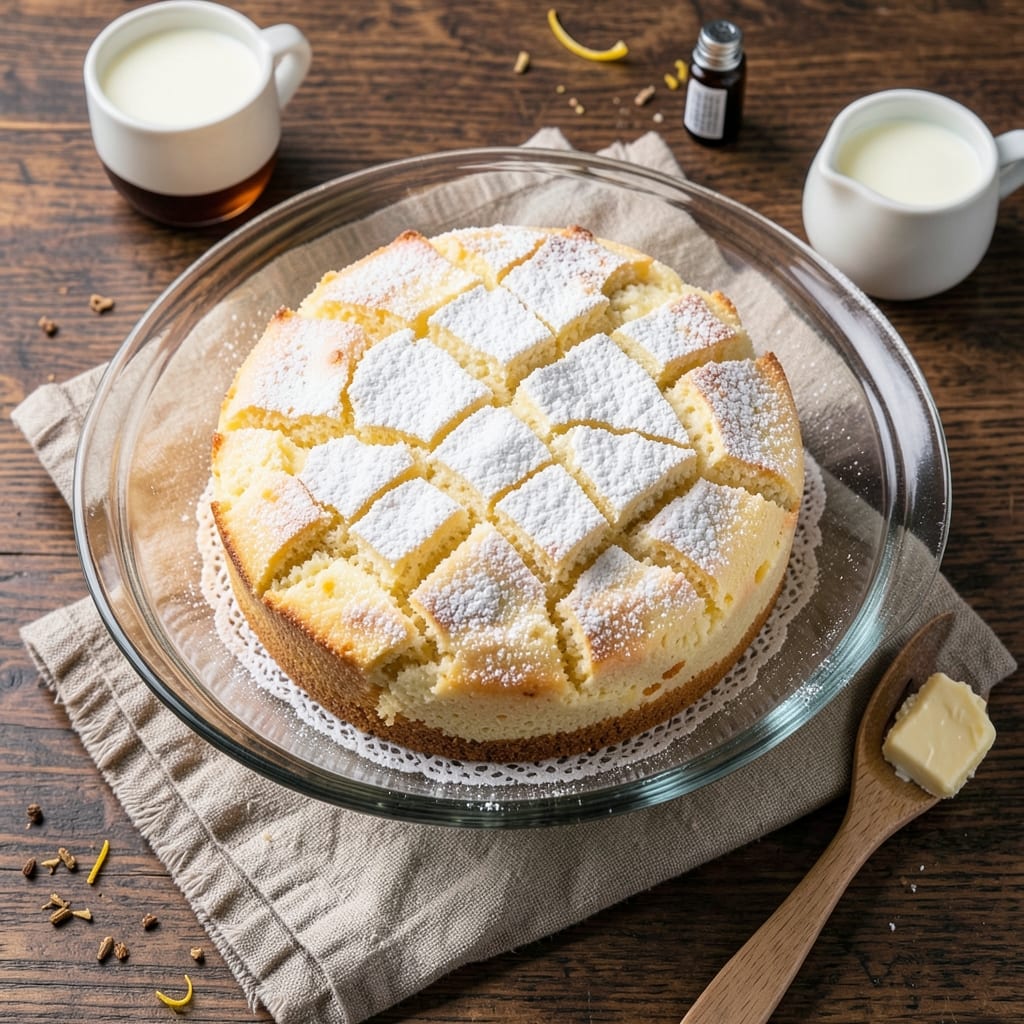
This 3-egg cake recipe delivers light-as-air vanilla perfection—no fancy equipment, no complicated steps, just a single tin and ingredients you likely already have. The secret lies in the eggs: separating yolks and whites creates that signature fluffy texture that makes every slice feel like a celebration. I’ve baked this recipe dozens of times, and it never fails to impress, whether you’re feeding a crowd or treating yourself to a quiet Sunday morning.
What sets this cake apart is the foolproof method that balances simplicity with restaurant-quality results. Room-temperature eggs and a gentle folding technique prevent overmixing, while a 350°F oven ensures even baking without drying out. The vanilla extract infuses deeply, giving you that warm, comforting aroma that turns any kitchen into a bakery. Best of all, it’s ready in under an hour—no waiting for layers to cool or frosting to set.
The result is a moist, tender crumb with just the right amount of springiness, perfect for slicing into thick, hearty portions or layering with whipped cream. This cake is versatile enough for breakfast or dessert, elegant enough for gatherings, and simple enough for a weeknight treat. No one will guess it only uses three eggs—the magic is in how they’re handled.
For extra flair, dust the top with powdered sugar or drizzle with a simple glaze, but the cake stands beautifully on its own. Whether you’re a beginner or a seasoned baker, this recipe builds confidence with every batch. Let’s get baking—your first slice won’t disappoint.
Ingredients for 3 egg cake
Three eggs and a few pantry staples create this magical one-tin vanilla cake.
| Ingredient | Amount | Notes |
|---|---|---|
| Large Eggs 🥚 | 3 whole | Room temperature, separated yolks and whites |
| All-Purpose Flour 🌾 | 1 ½ cups | Sifted for smooth batter |
| Granulated Sugar 🍚 | 1 cup | White or light brown |
| Pure Vanilla Extract 🌸 | 1 tbsp | High-quality, no imitation |
| Unsalted Butter 🧈 | ½ cup | Room temperature, full-fat |
| Milk 🥛 | ½ cup | Whole milk preferred |
| Baking Powder 🧂 | 1 ½ tsp | Aluminum-free for best rise |
| Salt 🧂 | ½ tsp | Fine sea salt |
| Powdered Sugar 🍚 | ¼ cup | For dusting (optional) |
| Lemon Zest 🍋 | 1 tsp | Brightens flavor |
The eggs are the star here—room temperature is non-negotiable for proper volume. Grab large eggs from the store (the bigger the better for fluffiness). For vanilla, Heinz or Nielsen-Massey are my go-tos—they’ve got that deep, rich flavor. The butter should be soft enough to press into the sugar but not melted. If it’s too cold, microwave it 20 seconds to warm. Flour? King Arthur or Gold Medal brands are reliable for consistent results. Baking powder matters too—check the expiration date, as old leavening won’t rise properly.
No vanilla extract? 1 tbsp vanilla sugar works in a pinch, but you’ll lose some depth. Short on butter? Coconut oil is a 1:1 substitute, though it’ll give a slightly different texture. The milk can be swapped for almond milk or oat milk if you’re avoiding dairy, but whole milk keeps the cake moist. For the lemon zest, use a microplane to get fine, even shreds—no big chunks. Prefer a different flavor? Swap the vanilla for almond extract (1/4 tsp) or orange zest—just remember to adjust the liquid slightly if needed.
Store the cake in an airtight container at room temperature for 2 days or in the fridge for up to 5 days. For longer storage, wrap tightly and freeze for 3 months. To serve, dust with powdered sugar right before slicing—it adds that bakery-fresh touch. This cake reheats beautifully: wrap a slice in foil and microwave 15 seconds. The first batch won’t last long, so double the recipe if you’re feeding a crowd.
Why You'll Love This Recipe
- No Mixer Needed: I swear by this recipe when my hands are full—just whisk eggs, fold in dry ingredients, and pour. The butter keeps it tender without a single pulse of effort, and honestly? The cake comes out fluffier than anything I’ve ever made with a stand mixer.
- Vanilla Butter Magic: That one teaspoon of pure vanilla extract isn’t just flavor—it’s depth. The butter melts into the batter so smoothly, creating this buttery, slightly caramelized edge that makes every bite feel like a little reward. (Yes, even on a Tuesday night.)
- Breakfast or Dessert: Serve it warm with a drizzle of honey for a lazy weekend breakfast, or dust it with powdered sugar for a no-fuss dessert that’ll fool your dinner guests. The three eggs keep it rich but not heavy, so it works for brunch or a midnight snack without judgment.
- Leftovers? Better: This cake actually improves the second day—moist enough to slice neatly for lunches, and the sugar caramelizes just enough to make it taste like it was baked fresh. I make a double batch on Sundays and call it my secret weapon for the week.
Step-by-step instructions for fluffy vanilla cake
Here's how to create a perfectly light, moist vanilla cake with tender layers every time.
Prepare the Butter and Sugar Mixture
In a large mixing bowl, combine the 0.5 cup unsalted butter and 1 cup granulated sugar. Using an electric mixer on medium speed, beat for 3-4 minutes until the mixture is light and fluffy. You'll notice the sugar gradually dissolves and the butter becomes pale in color—this step incorporates air, which is crucial for that signature fluffy texture.
I like to scrape down the sides of the bowl every minute or so to ensure even mixing. This prevents any dry ingredients from forming at the bottom. The mixture should nearly double in volume and leave a ribbon-like trail when the beaters are lifted—this is your signal that the butter and sugar are properly emulsified.
Add Eggs and Vanilla Gradually
Add the 3 whole large eggs one at a time, mixing well after each addition. Start with medium speed and increase to high once all eggs are incorporated. After adding all the eggs, stir in the 1 tbsp pure vanilla extract and the 1 tsp lemon zest. The lemon zest adds a subtle brightness that complements the vanilla beautifully.
Here's a pro tip: Make sure your eggs are at room temperature. Cold eggs can cause the batter to curdle, leading to a dense cake. If your eggs are straight from the fridge, let them sit in warm water for about 5 minutes before using. The mixture should be thick but pourable at this stage—if it's too thick, we'll adjust it in the next step.
Combine Dry Ingredients and Milk
In a separate bowl, whisk together the 1.5 cups all-purpose flour, 1.5 tsp baking powder, and 0.5 tsp salt. Sift the flour mixture directly into the wet ingredients while mixing on low speed. This prevents the formation of lumps and ensures a smooth batter.
With the mixer still running on low, gradually add the 0.5 cup milk until just combined. You want to maintain a smooth consistency without overmixing—the batter should be thick but still able to coat the back of a spoon. Overmixing develops gluten, which can make the cake tough. Stop mixing as soon as the dry ingredients are fully incorporated.
Bake for a Perfectly Moist Center
Preheat your oven to 350°F. Grease and flour a 9-inch round cake pan or line it with parchment paper. Pour the batter into the prepared pan and smooth the top with a spatula. Bake for 25-30 minutes, or until a toothpick inserted into the center comes out clean with just a few moist crumbs clinging to it.
This is where patience pays off. The cake should be golden on top but still slightly springy to the touch in the center. If you open the oven early and the top looks done but the center isn't set, close the door and give it a few more minutes. The cake will continue cooking as it cools, so it's better to slightly underbake than to overbake and end up with a dry cake.
Cool and Dust with Powdered Sugar
Remove the cake from the oven and let it cool in the pan for 10 minutes. Then transfer it to a wire rack to cool completely. This cooling process is essential—it allows the cake to set properly and prevents it from becoming gummy in the center.
Once fully cooled, dust the top with 0.25 cup powdered sugar using a fine-mesh sieve. This step is optional but adds a beautiful finishing touch. The cake should have a tender crumb with no dense spots, and the powdered sugar gives it that bakery-fresh look. Slice it while still at room temperature for the best texture—this ensures clean, even slices every time.
Pro Tips For Making 3 Egg Cake
- Melt Butter Slowly: I learned this the hard way—dumping cold butter straight into the batter makes it clump like lumpy glue. Instead, melt the butter first, then let it cool just until it’s warm to the touch (about 10 seconds off heat) before mixing. That way, it blends smoothly without stealing heat from your eggs or killing the rise.
- Weigh Your Flour: Scooping flour from the bag packs in air, and that’s how you end up with a cake that’s dense as a brick. Use a kitchen scale for the exact 1 cup (120g) called for—no guessing. If you’re in a pinch, spoon it into the cup and level it off, but don’t tap the bowl. Trust me, your cake will thank you.
- Stop Mixing at "Rugged": Overmixing turns your cake into a chewy disaster. Once the flour and sugar disappear into the egg-butter mix and the batter looks just slightly uneven (what bakers call "rugged"), call it done. I used to think I needed to beat it smooth—now I know that’s how you end up with a sad, tough crumb.
- Room-Temp Eggs Only: Cold eggs from the fridge won’t blend properly, and your cake will fight you every step of the way. Pop those eggs out 30 minutes before baking so they’re the same temperature as the butter. No time? Run them under warm water for 2 minutes—it works in a pinch, but the 30-minute wait is the real MVP.
Troubleshooting perfect results
Dense Cake Texture
If your cake turns out dense, overmixing is likely the culprit. The moment you add the dry ingredients, stop mixing immediately—the flour develops gluten, which makes the cake tough. I’ve found that using a hand mixer on low speed and folding in the flour with a spatula helps prevent this. Also, ensure your eggs are room temperature—cold eggs can cause the batter to curdle and lose volume. 💡
Cake Didn’t Rise
Uneven rising or a flat cake usually means expired baking powder or incorrect oven temperature. Always check the expiration date on your baking powder—I’ve ruined cakes using old leavening. Preheat your oven for at least 15 minutes before baking, and use an oven thermometer to confirm it’s 350°F. If your cake still doesn’t rise, try adding ¼ tsp extra baking powder next time. 🌟
Dry or Crumbly Cake
Overbaking is the most common cause of dryness. The cake is done when a toothpick comes out with just a few moist crumbs—don’t wait for it to pull completely clean. If your cake turns out dry, try reducing the baking time by 2-3 minutes next time. Another trick is to brush the warm cake with 2 tbsp simple syrup (equal parts sugar and water) while it’s still in the pan. This adds moisture without altering the flavor. ✨
Cracked Top or Sinking Center
A cracked top often happens when the oven temperature fluctuates or the cake cools too quickly. To prevent this, avoid opening the oven door during the first 20 minutes of baking. If your cake sinks in the center, it might have been underbaked or the pan wasn’t properly greased. Next time, use a 9-inch round pan lined with parchment paper and ensure the batter is evenly distributed. 🔥
Batter Too Thin or Too Thick
Batter consistency can throw off the texture. If it’s too thin, add 1-2 tbsp extra flour until it reaches a thick but pourable state. If it’s too thick, whisk in 1-2 tbsp milk gradually. I’ve learned that the batter should coat the back of a spoon but still hold its shape when lifted. Overmixing can also thicken the batter, so mix just until combined. 💛
Egg Separation Issues
If your egg whites won’t hold their shape or the yolks look grainy, it’s often due to old eggs or greasy bowls. Always use fresh eggs and ensure your mixing bowl is completely clean and free of grease. For stubbornly flat whites, add ½ tsp cream of tartar to stabilize them. If the yolks look curdled, whisk them vigorously with the butter mixture until smooth. 🥚
Nutrition facts
Frequently asked questions
Can I make this cake without a mixer?
This recipe works perfectly with a hand whisk or even a sturdy fork. For the butter and sugar, use a large bowl and whisk vigorously for 5-7 minutes until light and fluffy. When adding eggs, whisk one at a time until fully incorporated. For the dry ingredients, gently fold them in with a spatula until just combined. The key is patience—whisking by hand requires more elbow grease but achieves the same airy texture.
How do I know when the cake is fully baked?
The cake is done when a toothpick inserted in the center comes out with just a few moist crumbs (not wet batter). Tap the top gently—it should spring back slightly. Overbaking dries out the cake, so remove it from the oven as soon as the toothpick test passes. If your oven runs hot, check for doneness at 25 minutes instead of waiting the full 30 minutes.
Can I substitute the milk with something else?
Yes! Whole milk gives the best moisture, but you can use almond milk, oat milk, or even Greek yogurt (reduce by 2 tbsp if using yogurt). For a richer flavor, try evaporated milk (use half the amount). Avoid water—it can make the cake too dense. If using a dairy-free milk, ensure it's unsweetened to prevent altering the cake's flavor balance.
Why does my cake have a dense texture?
Dense cake usually means overmixing or cold eggs. Mix the batter just until the dry ingredients are incorporated—stop immediately after. Also, ensure your eggs are room temperature (cold eggs curdle and prevent proper rising). Another trick: sift the flour before adding it to the wet ingredients to avoid lumps that can weigh down the batter.
How should I store leftover cake?
Keep the cake in an airtight container at room temperature for up to 2 days or refrigerate for 5 days. For longer storage, freeze slices wrapped in plastic for 3 months. To serve, let it sit at room temperature for 10 minutes before slicing—this prevents crumbs and ensures clean cuts. Reheat slices in the microwave for 10-15 seconds if you prefer them warm.