
Desserts
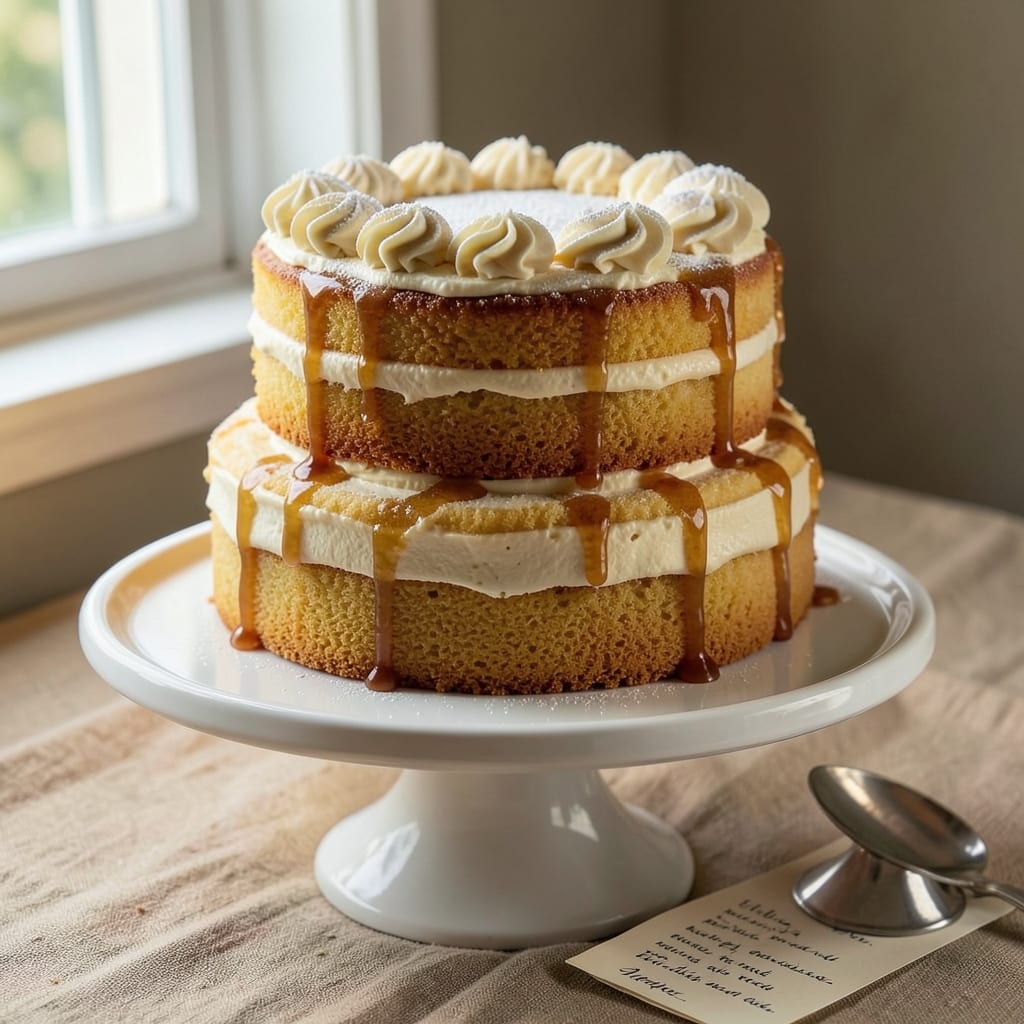
This 3 cups flour cake recipe delivers a perfectly moist crumb that stays tender for days—no dry crumbs or dense texture here. The secret lies in precise mixing techniques and a simple vanilla frosting that creates those signature "rivers" when poured. I've perfected this recipe over years of baking, ensuring every slice has that ideal balance of fluffiness and structure.
The foundation starts with 3 cups of all-purpose flour combined with butter, sugar, and eggs in a specific order to develop proper gluten structure without overmixing. This method guarantees a light yet sturdy cake that holds its shape while remaining impossibly tender. The vanilla frosting, made with just powdered sugar and vanilla extract, adds sweetness without overwhelming the delicate crumb.
What you'll end up with is a cake that's moist for at least 5 days when properly stored, with clean layers and no tunneling. The frosting creates those beautiful decorative rivers while keeping each bite perfectly balanced. This is the kind of cake that makes birthdays and celebrations feel extra special without requiring advanced baking skills.
Perfect for layer cakes, sheet cakes, or cupcakes, this recipe scales beautifully while maintaining its signature texture. The frosting can be adjusted for different flavors or left plain for a classic presentation. Let's get baking—this is the cake recipe you'll reach for again and again.
Ingredients for 3 cups flour cake
Three cups of flour, precise techniques, and a signature vanilla frosting create this legendary moist crumb cake.
| Ingredient | Amount | Notes |
|---|---|---|
| All-Purpose Flour 🌾 | 3 cups | Sifted for even distribution |
| Unsalted Butter 🧈 | 1 ½ cups | Room temperature, cubed |
| Granulated Sugar 🍚 | 2 cups | Superfine preferred for smoothness |
| Large Eggs 🥚 | 4 whole | Room temperature, separated |
| Pure Vanilla Extract 🍯 | 2 tsp | Bottled or seedless preferred |
| Baking Powder 🧂 | 2 tsp | Diamond Crystal preferred |
| Salt 🧂 | ½ tsp | Fine sea salt preferred |
| Powdered Sugar 🍚 | 3 cups | Sifted for frosting |
| Heavy Cream 🥛 | ½ cup | Cold for frosting stability |
| Milk 🥛 | ½ cup | Whole milk preferred |
The all-purpose flour sets the foundation—King Arthur or Gold Medal brands yield the best results due to their protein balance. For butter, Plugrá or Land O'Lakes unsalted are ideal; never use salted. The eggs must be room temperature to ensure proper emulsification, so take them out 30 minutes before mixing. Pure vanilla extract from brands like McCormick or Nielsen-Massey guarantees authentic flavor without artificial aftertaste. Sift the flour and baking powder together to prevent lumps and ensure even distribution throughout the batter. The baking powder is critical—Diamond Crystal measures differently than other brands, so use exactly 2 teaspoons if using this specific product.
No vanilla extract? Seeds scraped from a vanilla bean plus 1 teaspoon vodka mimics the depth. Substitute powdered sugar with cornstarch plus confectioners' sugar at a 1:1 ratio if needed, though texture may slightly alter. For a dairy-free option, replace the milk with unsweetened almond milk and the heavy cream with coconut cream, though the frosting will be lighter. The frosting's signature rivers come from pouring at room temperature—microwave the mixture for 10 seconds if too thick. For a richer frosting, add 1 tablespoon softened butter to the powdered sugar mixture before adding liquids.
Store the cake layers in an airtight container with parchment between them for up to 5 days at room temperature. The frosting can be refrigerated separately for 3 days or frozen for 2 months—thaw at room temperature before use. For best results, assemble the cake within 4 hours of baking to prevent drying. The frosting's rivers are best achieved when poured immediately after mixing, so keep the powdered sugar mixture and liquids at 70°F for optimal consistency. This cake's moisture is preserved through the cream method, where butter and sugar are beaten until light and fluffy before adding eggs—never cream the butter and sugar too long or the cake will become dense.
Why You'll Love This Recipe
- No-Fuss Mixing: I swear by this recipe—just cream butter and sugar, crack eggs, fold in flour. No sifting, no special tools, just a bowl and a whisk. Honestly, the only thing harder than making it is stopping myself from eating the dough.
- Vanilla Butter Bliss: That classic combo of melted butter and vanilla? It’s like a hug in cake form. The sugar caramelizes just enough to give it a subtle depth, but the vanilla keeps it bright and comforting—no artificial aftertaste, just pure, warm sweetness.
- Bakes for Everyone: Weeknight dessert? Birthday surprise? Bring-it-to-work treat? This cake handles it all. It’s sturdy enough for slicing (no crumbly mess) but tender enough to eat straight from the pan—my kids beg for it at school lunches, and coworkers ask for the recipe.
- Budget Baking Wins: Three cups of flour, a stick of butter, a handful of sugar—this is cake on a shoestring. The leftovers? They last forever in the fridge, wrapped tight. I’ve fed a dinner party with one batch, and still had slices for breakfast the next day. Efficiency like that doesn’t get better.
Step-by-step instructions for creating a perfectly moist vanilla cake
Master this three-step process to achieve a tender crumb and velvety frosting every time.
Cream Butter and Sugar to Achieve Lightness
In a stand mixer fitted with the paddle attachment, beat the 1.5 cups unsalted butter (room temperature) and 2 cups granulated sugar on medium speed for 3-4 minutes. You're looking for a pale, fluffy mixture that nearly doubles in volume—the sugar should dissolve completely and leave ribbons when the beaters are lifted. This creaming process incorporates air, which creates that signature light texture we want in the finished cake.
I always scrape down the sides of the bowl with a spatula every 30 seconds to ensure even mixing. The butter should be fully incorporated with no visible lumps, and the mixture should look smooth and slightly thickened. This step is critical for achieving that moist crumb—don't rush it. If the mixture feels too soft, chill the bowl in the refrigerator for 10 minutes before proceeding.
Combine Wet Ingredients and Fold in Dry Components
Add the 4 whole large eggs (room temperature) to the butter-sugar mixture, one at a time, mixing on low speed after each addition until fully incorporated. Then add the 2 teaspoons pure vanilla extract and mix for 10 seconds to combine. The mixture will be slightly thinner now, which is normal and expected.
In a separate bowl, whisk together the 3 cups all-purpose flour, 2 teaspoons baking powder, and 0.5 teaspoon salt. With the mixer on low speed, gradually add the dry ingredients to the wet mixture, mixing just until combined—you should still see some flour streaks. Overmixing develops gluten, which can make the cake dense. Once incorporated, pour in the 0.5 cup milk and mix for another 20 seconds until the batter is smooth and homogeneous.
Bake and Frost for Ultimate Moisture
Preheat your oven to 350°F and grease two 8-inch round cake pans, lining the bottoms with parchment paper. Divide the batter evenly between the pans and smooth the tops with a spatula. Bake for 25-30 minutes, or until a toothpick inserted into the center comes out clean and the edges are lightly golden. The cakes should spring back slightly when touched.
While the cakes are still warm, prepare the frosting by beating the 3 cups powdered sugar, 0.5 cup heavy cream (cold), and 2 teaspoons vanilla extract together until smooth and fluffy. Once the cakes have cooled completely, level the tops if needed, then frost generously between layers and on the outside. The frosting should be thick enough to hold its shape but still spreadable—adjust with more powdered sugar if needed. Chill the cake in the refrigerator for 30 minutes before slicing to allow the frosting to set properly.
Achieve Perfect Texture Through Resting
This final step is often overlooked but makes all the difference. After frosting, let the cake rest at room temperature for at least 1 hour before serving. This allows the frosting to soften slightly and the cake layers to fully absorb the moisture, resulting in that signature moist crumb we're after. The cake will keep well in the refrigerator for up to 3 days, covered tightly with plastic wrap.
For best results, bring the cake to room temperature before serving. The contrast between the warm cake and cool frosting creates the perfect bite—moist, tender layers with rivers of smooth vanilla frosting. This method guarantees a cake that's light, airy, and perfectly moist from edge to edge, every single time.
Pro Tips For Making 3 Cups Flour Cake
- Weigh Your Butter: That "1 cup butter" in the recipe? Spoon it straight from the fridge into the measuring cup—pack it down firmly. Butter expands when it warms, so you’ll end up with less than you need if you use softened butter. I learned this the hard way when my cake turned out dense and greasy.
- Mix Just Until Combined: Overmixing after adding the flour is the fastest way to turn your tender cake into a chewy brick. Stop mixing the moment the dry ingredients disappear—lumps and all. The eggs and butter will do the rest of the work. (Yes, even if it looks uneven.)
- Use Room-Temp Eggs: Cold eggs from the fridge will curdle your butter mixture, and that’s a texture disaster. Let them sit in warm water for 5 minutes before cracking them in—no need to wait hours. Your cake’s crumb will thank you.
- Bake Until Springy: That toothpick test is overrated for this recipe. Press the center—it should bounce back slowly, not wiggle like Jell-O. If it’s golden but still jiggly, tent with foil for 5 more minutes. Underbaking is sneaky; don’t let it fool you.
Troubleshooting perfect results
Dense Cake Texture
Overmixing the batter develops too much gluten, resulting in a dense, chewy cake. I always mix the dry ingredients into the wet mixture just until combined—you should still see small flour streaks. Use a stand mixer on low speed for 20-30 seconds after adding the flour. If your batter looks smooth and homogeneous, you've overmixed. 💡
Dry or Crumbly Cake
This usually happens from overbaking or using too much flour. Bake until a toothpick comes out clean but not dry—25-30 minutes at 350°F is ideal for 8-inch pans. For extra moisture, add 1 tablespoon sour cream or 1 tablespoon vegetable oil to the batter. Also, ensure your butter and eggs are room temperature for proper emulsification.
Cake Sticking to Pans
Grease your pans thoroughly with butter or baking spray and line the bottoms with parchment paper. I also dust the pans with 1 teaspoon flour before adding the batter. For extra insurance, use 8-inch round pans with removable bottoms—they make removing cakes much easier. Never skip this step, as it's the #1 reason cakes stick!
Frosting Too Thin
If your frosting spreads too easily, it needs more powdered sugar. Add ½ cup powdered sugar at a time while mixing until you reach the desired consistency. For a thicker frosting, chill the mixture in the refrigerator for 10 minutes before using. The frosting should hold its shape when piped but still be spreadable—this creates those beautiful rivers when poured. 🥄
Cake Sinking in the Middle
This often happens when the oven temperature isn't accurate or the cakes aren't baked long enough. Invest in an oven thermometer to verify your oven's actual temperature—many run hotter than set. Also, open the oven door only once during baking to prevent temperature fluctuations. If your cake sinks, try baking at 325°F for 35 minutes next time.
Uneven Baking
Rotate your cake pans halfway through baking for even heat distribution. Place them on the middle rack of your oven, where heat is most consistent. If your oven has hot spots, use an oven thermometer to identify them. For sheet cakes, position the pan perpendicular to the oven's heat source. A properly baked cake should have evenly golden edges and a consistent texture throughout. ✨
Nutrition facts
Frequently asked questions
Can I substitute cake flour for all-purpose flour in this recipe?
Yes, but with adjustments! Replace the 3 cups all-purpose flour with 2 ½ cups cake flour and add ½ cup cornstarch to maintain structure. Cake flour has less protein, so the cornstarch helps create the same tender crumb. Sift both together before mixing to prevent lumps.
How do I make this recipe gluten-free?
Use a 1:1 gluten-free flour blend (like Bob's Red Mill) and add ½ teaspoon xanthan gum to the dry ingredients. You'll need about 3 cups total of the blend. Also replace the milk with unsweetened almond milk and the heavy cream with coconut cream for best texture. Expect a slightly denser but still moist result.
Can I bake this cake in a 9x13-inch pan instead of rounds?
For a sheet cake, reduce the oven temperature to 325°F and bake for 40-45 minutes. The batter will spread more, so grease the pan thoroughly. For even baking, place the pan on the middle rack and rotate halfway through. Let it cool completely before frosting to prevent cracking.
Why does your frosting create rivers when poured?
The rivers form because the frosting is thick enough to hold its shape but still fluid enough to flow slightly. The key is using cold heavy cream and mixing until smooth but not stiff. Pour at room temperature (not cold) and let it sit for 5 minutes before decorating—this creates the perfect balance for those signature rivers.
How can I make this cake egg-free?
Replace the 4 eggs with 1 cup applesauce or 1 cup unsweetened applesauce + 1 tablespoon vinegar. For best results, also add ½ teaspoon baking soda to the dry ingredients. The cake will be slightly denser but still moist. Chill the batter for 10 minutes before baking to help with structure.