
Desserts
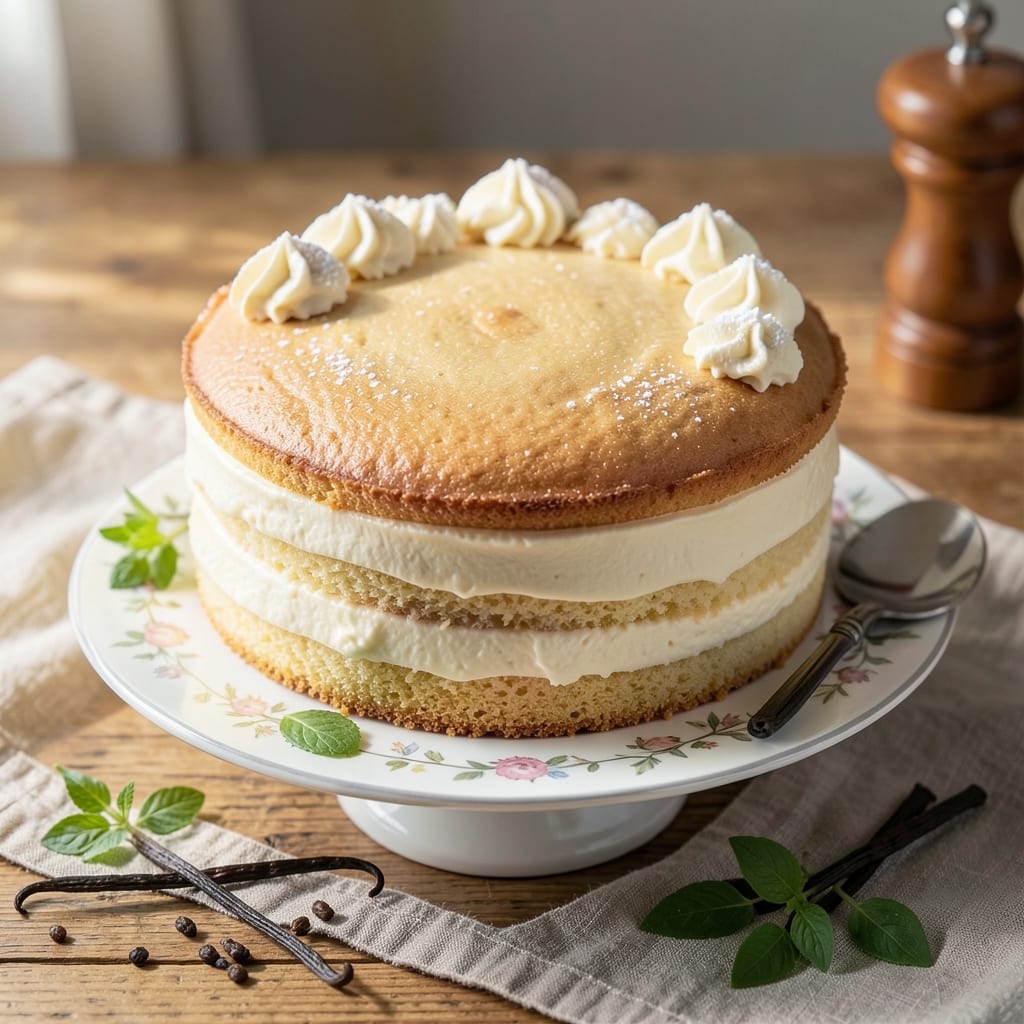
A 250g cake recipe designed for perfect moist layers in a single tin transforms simple ingredients into a tender, flavorful dessert with minimal effort. The secret lies in precise measurements—just enough butter, sugar, and eggs to create a delicate crumb while keeping the texture rich and velvety. This approach ensures you get a foolproof result every time, whether you're baking for a small gathering or treating yourself to a single slice.
What sets this recipe apart is its simplicity—no layers to fuss with, no complicated techniques, just a single tin filled with evenly moist cake. The baking time is carefully calibrated to avoid dryness, and the cooling process is designed to preserve that perfect tender crumb. For those who prefer alternatives, substitutions like almond flour or applesauce can easily adapt the recipe without sacrificing texture.
The final result is a cake with a golden, even top and a crumb so tender it nearly melts in your mouth. The aroma of vanilla and butter fills the kitchen as it bakes, creating an experience that’s as satisfying as the taste. Whether you serve it plain, dusted with powdered sugar, or topped with fresh berries, this cake delivers restaurant-quality results at home.
Perfect for special occasions or everyday indulgence, this recipe scales effortlessly for larger batches while maintaining its signature moistness. The instructions are clear, the ingredients are accessible, and the outcome is consistently impressive—no matter how many times you bake it.
Ingredients for 250g cake
Nine simple ingredients transform into a velvety, golden cake with perfect moist layers every time.
| Ingredient | Amount | Notes |
|---|---|---|
| Unsalted Butter 🧈 | ½ cup | Softened to room temperature |
| Granulated Sugar 🍚 | ¾ cup | Light brown sugar for depth |
| Large Eggs 🥚 | 2 whole | Room temperature for even mixing |
| All-Purpose Flour 🌾 | 1 ½ cups | Sifted for light texture |
| Pure Vanilla Extract 🌿 | 1 tbsp | High-quality, pure vanilla |
| Baking Powder 🍞 | 1 ½ tsp | Freshly opened for lift |
| Salt 🧂 | ½ tsp | Fine sea salt preferred |
| Whole Milk 🥛 | ½ cup | Full-fat for moisture |
| Lemon Zest 🍋 | 1 tbsp | Freshly grated for brightness |
| Powdered Sugar 🍚 | 2 tbsp | For final dusting |
The butter and sugar are your foundation—use European-style butter if you can find it (like Plugrá or President) for a richer flavor. The eggs need to be at room temperature, so take them out 30 minutes before mixing. For the flour, King Arthur or Bob's Red Mill brands are my go-to—they're reliable for consistent results. The vanilla matters here too; Madagascar bourbon vanilla adds depth, but pure vanilla extract works perfectly fine. Pre-sift your flour to avoid lumps, and don't skip it—this ensures that tender crumb you're craving.
No butter? Coconut oil or vegetable shortening works in a pinch, though the texture will differ slightly. Running short on eggs? Flax eggs (1 tbsp ground flaxseed + 3 tbsp water per egg) keep the moisture intact. For a nut-free option, swap the flour for almond flour (1:1 ratio, but add 1 tsp baking powder extra). The lemon zest can be omitted if you're not a fan, but the brightness it adds is worth the extra minute of grating. If you don't have powdered sugar for dusting, a sprinkle of turbinado sugar adds a nice crunch contrast.
This cake is best baked in a 9-inch round tin—grease it well with butter and dust with flour for easy release. Let it cool in the pan for 10 minutes before transferring to a wire rack. Store leftovers wrapped in plastic at room temperature for 3 days, or freeze slices for up to 3 months. The texture actually improves after a day or two—trust me on this. For serving, a dusting of powdered sugar or fresh berries elevates it to restaurant-quality without extra effort.
Why You'll Love This Recipe
- Four-Ingredient Magic: I swear by this ratio—just butter, sugar, eggs, and flour with a splash of vanilla. No fancy mixers or measuring cups; I eyeball it after the first time, and it’s foolproof.
- Vanilla Kiss: That single teaspoon of pure vanilla extract? It’s the secret weapon. Rich, warm, and just sweet enough without overpowering—like a hug in cake form.
- Portion Perfection: A 250g batter makes two perfect individual cakes or one generous loaf. I’ve used it for birthday surprises, last-minute desserts, and even packed slices for lunch—no waste, all win.
- Budget-Friendly Luxury: Butter and eggs feel indulgent, but this recipe stretches them perfectly. The sugar’s measured just right, so you’re not drowning in cost or calories—just pure, satisfying cake.
Step-by-step instructions for perfectly moist layers in a single tin
This method guarantees tender, evenly baked layers that stay moist for hours—no dry crumbs in sight.
👨🍳 Step 1: Cream Butter and Sugar to Lighten the Batter
In a stand mixer fitted with the paddle attachment, beat the 0.5 cup unsalted butter and 0.75 cup granulated sugar on medium speed for 3-4 minutes until the mixture is pale, fluffy, and nearly doubles in volume. You'll see ribbons form when you lift the paddle—this incorporates air that keeps the cake tender.
Here's the thing—don't rush this step. The butter needs to emulsify completely with the sugar to create that signature light texture. If you skip this, your cake will be dense instead of moist. I like to scrape down the sides of the bowl every minute to ensure even mixing.
👨🍳 Step 2: Add Eggs and Vanilla for Structure and Flavor
Add the 2 whole large eggs, one at a time, mixing on low speed for 30 seconds after each addition until fully incorporated. Then add the 1 tbsp pure vanilla extract and mix for another 10 seconds. The mixture should look slightly thickened but still smooth.
This is where the magic happens for moisture retention. The eggs bind everything together while the vanilla adds depth without overpowering. I always use room-temperature eggs—they blend more smoothly and create a lighter batter. If your eggs are cold, warm them gently in warm water for 5 minutes first.
👨🍳 Step 3: Alternate Dry and Wet Ingredients for Even Moisture
In a separate bowl, whisk together the 1.5 cups all-purpose flour, 1.5 tsp baking powder, 0.5 tsp salt, and 1 tbsp lemon zest. With the mixer on low speed, gradually add about ⅓ of the dry ingredients, then pour in ½ of the 0.5 cup whole milk. Repeat, ending with the remaining dry ingredients.
This alternating method prevents gluten development while ensuring even distribution of moisture. The lemon zest adds brightness that cuts through the richness of the butter. Mix just until combined—overmixing develops gluten, which makes the cake tough. You should still see small flour streaks when you're done.
🔥 Step 4: Bake at Low Temperature for Even Cooking
Preheat your oven to 350°F and grease a 9-inch round cake pan generously with butter. Pour the batter into the prepared pan and smooth the top. Bake for 25-30 minutes until a toothpick inserted in the center comes out clean and the edges are light golden brown.
The key to moisture here is the low temperature. Baking at 350°F allows the cake to cook through evenly without drying out. I've found that checking at the 25-minute mark works best—every oven runs slightly differently. If the top browns too quickly, tent the pan with foil to prevent overbrowning while keeping the center moist.
⏰ Step 5: Cool and Dust for Perfect Texture
Remove the cake from the oven and let it cool in the pan for 10 minutes. Then transfer it to a wire rack to cool completely. Once fully cooled, dust the top generously with 2 tbsp powdered sugar using a fine-mesh sieve for an elegant finish.
This cooling step is crucial for maintaining moisture. If you cut into the cake too soon, the steam inside will escape, leaving you with a dry texture. The powdered sugar not only looks beautiful but also helps preserve moisture by creating a slight barrier on the surface. Serve slices at room temperature for the best texture—this cake tastes even better the next day!
Pro Tips For Making 250g Cake
- Weigh Butter Cold: Grab that block of butter straight from the fridge—don’t let it sit out to soften. Creaming cold butter with sugar creates tiny air pockets that make your cake light and tender, not dense. I used to rush this, and my cakes turned out like hockey pucks.
- Separate Eggs Properly: Crack eggs into a separate bowl first, then whisk yolks and whites separately. This keeps your batter smooth and prevents lumps from overmixed flour. Trust me, your cake’s texture will thank you—no one likes a gummy center.
- Don’t Overmix the Batter: Stop folding in flour the second it’s just incorporated. Overmixing develops gluten, and your cake will turn out tough instead of soft. Two quick turns with a spatula is all it takes—less is more here.
- Use Room-Temp Eggs: Take eggs out of the fridge 30 minutes before using—room temperature eggs blend more evenly into the batter. Cold eggs can make your cake dense or even cause it to sink in the middle. Sounds simple, but it makes a real difference in rise and texture.
Best sauces and condiments for 250g cake
Classic Vanilla Glaze
This simple 2-tablespoon vanilla glaze made with powdered sugar and 2 teaspoons heavy cream transforms your cake into a showstopper. Whisk them together until smooth, then drizzle over the cooled cake. For extra richness, add ½ teaspoon pure vanilla extract—it enhances the cake's natural flavors without overpowering. 🌟
Lemon Curd Drizzle
Brighten your cake with homemade lemon curd—just whisk ½ cup lemon juice, ⅓ cup sugar, 2 egg yolks, and 2 tablespoons butter until thickened. Strain and drizzle over the cake for a tangy contrast. Store-bought curd works too, but homemade adds that fresh, zesty kick. Pair with fresh berries for a pop of color.
Chocolate Ganache
For chocolate lovers, melt ½ cup dark chocolate chips with ¼ cup heavy cream over a double boiler. Let cool slightly, then pour over the cake. The ganache adds a luxurious, velvety layer that complements the cake's tenderness. Use 60-70% cacao chocolate for balanced sweetness. Chill for 10 minutes before serving to set properly.
Berry Compote
Simmer 1 cup mixed berries (fresh or frozen) with 2 tablespoons sugar and 1 teaspoon lemon juice for 5-7 minutes until thickened. Strain and drizzle over the cake, or serve as a side for dipping. This adds freshness and a burst of natural sweetness. Raspberries or strawberries work beautifully—just mash them slightly for a smoother texture.
Cream Cheese Frosting
Beat 4 oz cream cheese, ¼ cup butter, 1 cup powdered sugar, and 1 teaspoon vanilla extract until smooth. Spread a thin layer on the cake for a light, tangy finish. For extra flair, pipe swirls on top. This frosting balances the cake's richness while adding a creamy contrast. Use full-fat cream cheese for the best texture. 💛
Caramel Drizzle
Heat ½ cup sugar in a saucepan until melted and amber-colored. Slowly whisk in 2 tablespoons heavy cream—it will bubble vigorously. Let cool slightly, then drizzle over the cake. The caramel adds a buttery, sweet depth that pairs perfectly with the cake's vanilla notes. For a smoother drizzle, strain out any lumps before pouring.
Nutrition facts
Frequently asked questions
Can I halve this recipe to make a smaller cake?
Yes, but adjust carefully! Halve all ingredients except the baking powder (1.5 tsp is perfect for 1.5 cups flour) and salt. Use a 6-inch round pan instead, and reduce baking time to 18-22 minutes. The smaller volume cooks faster, so watch closely at 15 minutes to avoid overbaking.
Why did my cake turn out dense instead of moist? Overmixing the batter or using cold eggs are common culprits.
How do I store leftovers to keep them fresh?
Wrap the cake tightly in plastic wrap and store at room temperature for 3 days. For longer storage, slice and freeze individual portions for up to 3 months. Thaw overnight in the fridge—microwaving can dry out the texture. The cake actually improves after 24 hours as the flavors meld!
Can I substitute butter with oil?
You can try, but expect a slightly different texture. Replace the butter with 0.5 cup vegetable oil (no melting needed) and reduce milk by 2 tbsp. The cake will be less rich but still tender. For best results, stick with butter—it creates that signature velvety crumb this recipe is known for.
What's the best way to serve this cake?
Serve at room temperature with a dusting of powdered sugar or your choice of sauce (try the lemon curd or chocolate ganache from our pairings!). For a special touch, add fresh berries or a sprinkle of toasted nuts. This cake is perfect for afternoon tea, dessert after dinner, or even breakfast with a cup of coffee!