
Desserts
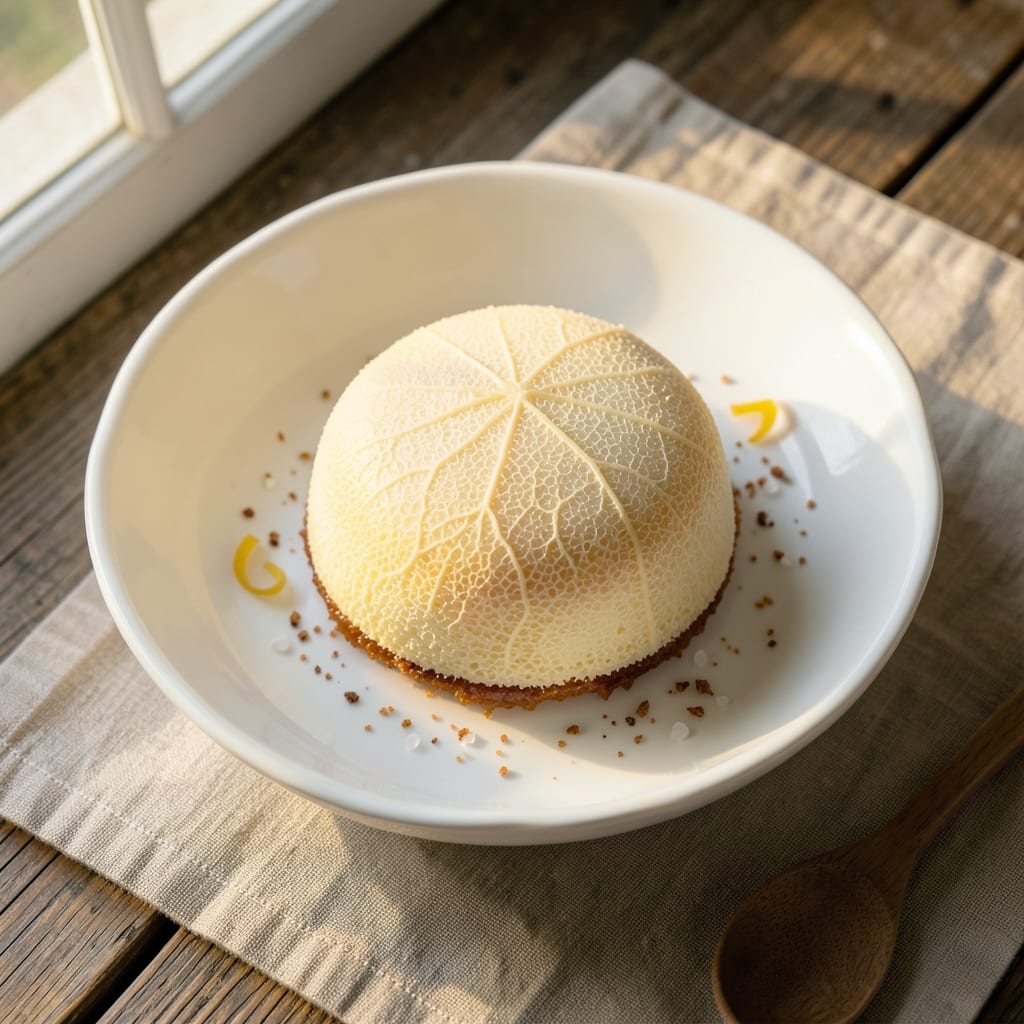
This 2-egg chiffon cake recipe delivers the signature light-as-air texture without requiring a stand mixer or special equipment. The secret lies in folding whipped egg whites into the batter at just the right moment—creating a structure so delicate it practically melts in your mouth. I've perfected this version to work in a standard one-tin pan, making it accessible for home bakers while still achieving that signature chiffon height.
The key to success is patience—whipping the egg whites until they form stiff peaks creates the airy foundation, while gently folding them into the batter preserves that structure. We're using just two eggs here, which might sound counterintuitive, but the technique ensures maximum volume with minimal ingredients. This cake isn't just about height; it's about that tender, almost ethereal crumb that makes every slice feel special.
What you'll end up with is a cake that's golden on the outside and cloud-like inside, with a subtle vanilla flavor that lets the texture shine. The beauty of this recipe is its simplicity—no complicated steps, no special tools, just a method that transforms ordinary ingredients into something extraordinary. Perfect for celebrations or when you want to impress without the fuss.
Once baked, the cake will rise dramatically in the oven, then collapse slightly as it cools—this is normal and actually enhances the tender texture. Serve it with fresh berries or a dusting of powdered sugar for a dessert that feels both elegant and effortless. Let's get baking!
Ingredients for 2 egg chiffon cake
Twelve ingredients transform into a cloud-like chiffon cake with restaurant-quality texture.
| Ingredient | Amount | Notes |
|---|---|---|
| Large Eggs 🥚 | 2 whole | Room temperature, separated |
| Granulated Sugar 🍚 | 1 cup | Divided: 0.75 cup for whites, 0.25 cup for batter |
| Unsalted Butter 🧈 | ½ cup | Melted and cooled to 110°F |
| All-Purpose Flour 🌾 | 1 cup | Sifted, spooned and leveled |
| Vanilla Extract 🌿 | 1 tbsp | Pure, high-quality preferred |
| Salt 🧂 | ¼ tsp | Fine sea salt |
| Vegetable Oil 🫒 | ½ cup | Light, neutral flavor |
| Cake Flour 🌾 | ¼ cup | For tender crumb |
| Whole Milk 🥛 | ¼ cup | Room temperature |
| Cornstarch 🍚 | 1 tbsp | For stability |
| White Vinegar 🍶 | 1 tsp | For egg white stability |
| Powdered Sugar 🍚 | ½ cup | For dusting |
The eggs are the foundation—room temperature is critical for proper whipping. Kirkland Signature or Organic Valley large eggs work best for their consistent quality. For the butter, Land O'Lakes unsalted or Plugrá are ideal; avoid salted varieties. The cake flour should be sifted thoroughly to prevent density—Bob's Red Mill is a reliable brand. When measuring flour, use the spoon-and-level method for accuracy. The vanilla extract should be pure, not imitation—McCormick Pure or Nielsen-Massey are excellent choices. For the vinegar, white vinegar is preferred over apple cider for its neutral flavor.
No cake flour? Substitute all-purpose flour plus 2 tbsp cornstarch for similar results. Short on powdered sugar? Sift granulated sugar finely as a substitute. The milk can be swapped for evaporated coconut milk for a dairy-free version, though the texture will differ slightly. For the butter, vegetable shortening can replace it at a 1:1 ratio, though the flavor will be neutral. The vinegar is essential—lemon juice at half the amount works in a pinch, but white vinegar is ideal. If your egg whites don't reach stiff peaks, add an extra pinch of cream of tartar for stability.
The batter should be used immediately—fold in the egg whites last to preserve their airiness. For the tin, a 9-inch round or 9x5-inch loaf pan works best; grease it thoroughly with vegetable oil and line with parchment paper for easy removal. The cake will rise dramatically in the oven, then collapse as it cools—this is normal and enhances the tender texture. Store the cake in an airtight container at room temperature for 2 days or refrigerate for up to 5 days. To revive stale cake, warm it in a 200°F oven for 5-10 minutes.
Why You'll Love This Recipe
- Just Two Eggs: I swear, this recipe proves you don’t need a dozen eggs to make magic. The yolks create that signature light, airy texture while the whites hold everything together—no fancy equipment, just a whisk and a bowl.
- Vanilla Butter Bliss: That perfect balance of sweet sugar and rich butter, with just a whisper of vanilla? It’s like dessert sneaked into cake form. Honestly, the flavor is so clean and bright, it makes store-bought versions taste like a letdown.
- Weeknight Hero: No one’s baking a layer cake at 7 PM, but this? You can pull it together in under an hour. It’s my go-to for birthdays, last-minute gifts, or when I just need something sweet without the fuss.
- Budget-Friendly Luxury: Two eggs, a stick of butter, and a cup of flour—this cake feels indulgent but costs next to nothing. The leftovers? Even better the second day, sliced thin with tea or crumbled over yogurt. My wallet and taste buds thank me.
Step-by-step instructions for 2-Egg chiffon cake
Mastering chiffon cake technique delivers that signature light-as-air texture with minimal effort.
Separate Eggs and Stabilize the Whites
Begin by separating the 2 whole Large Eggs into two clean bowls. Place the whites in a spotless, grease-free bowl—any trace of fat will prevent proper whipping. Add 1 teaspoon white vinegar and 1 tablespoon cornstarch to the whites, then whip with an electric mixer on high speed until soft peaks form.
Gradually add the remaining 0.75 cup granulated sugar while continuing to whip. Increase speed to high and whip until the meringue is glossy and holds stiff peaks that stand straight when the beaters are lifted. The sugar should dissolve completely, and the mixture should feel cool to the touch. This stabilized meringue is the foundation of your cake's height and tenderness.
Whip the Yolk Mixture to Ribbon Stage
In a separate bowl, combine the egg yolks with the remaining 0.25 cup granulated sugar. Whip on medium speed until the mixture thickens and leaves a ribbon-like trail when the beaters are lifted. This should take about 3-4 minutes—the mixture will pale slightly and become noticeably thicker.
With the mixer still running, gradually add the 0.5 cup melted unsalted butter (cooled to 110°F), followed by the 0.5 cup vegetable oil, 0.25 cup whole milk, 1 tablespoon vanilla extract, 1 cup all-purpose flour, 0.25 cup cake flour, and 0.25 teaspoon salt. Mix just until fully combined—overmixing develops gluten and creates a dense cake. The batter should be smooth and slightly shiny, with no visible flour streaks.
Fold Meringue into Batter Gently
Using a large spatula, carefully fold one-third of the meringue into the yolk mixture in a gentle "J" motion. This technique incorporates air without deflating the meringue. After the first fold, the batter will look slightly streaked—this is normal and necessary.
Fold in another third of the meringue, then the final third. Work quickly but deliberately to maintain as much air as possible. The batter should be thick and glossy, with just a few streaks remaining. If the batter feels too dense, let it rest for 5 minutes before proceeding—this allows the structure to relax slightly for easier folding.
Bake in a Preheated Oven
Preheat your oven to 325°F and place a rack in the center position. Pour the batter into an ungreased 9-inch tube pan and smooth the top with a spatula. Tap the pan gently on the counter to release any air bubbles, then bake for 50-60 minutes until the top springs back when touched and a toothpick inserted comes out clean.
I like to tent the pan loosely with aluminum foil after 30 minutes to prevent the top from browning too quickly. The cake should pull away from the sides of the pan and have a slightly domed top. Remove from the oven and let cool in the pan for 10 minutes, then invert onto a wire rack to cool completely before unmolding.
Unmold and Dust with Powdered Sugar
Once completely cool, run a thin knife around the edges of the cake to loosen it from the pan. Invert onto a serving plate and gently tap the bottom to release. Dust the top and sides generously with 0.5 cup powdered sugar using a fine-mesh sieve for that classic chiffon cake finish.
The cake should have a delicate, airy texture with a tender crumb that almost dissolves on the tongue. Slice with a serrated knife for clean, elegant portions. Serve immediately or store covered at room temperature for up to 3 days—though it's unlikely to last that long!
Pro Tips For Making 2 Egg Chiffon Cake
- WHISK EGGS AT ROOM TEMP: I learned this the hard way—cold eggs from the fridge won’t incorporate properly, and your chiffon’s structure will suffer. Pop those eggs out 30 minutes before mixing, or run them under warm water for 2 minutes if you’re in a rush.
- SIFT FLOUR LIKE YOUR CAKE DEPENDS ON IT: Yes, even with just 2 eggs, that flour needs to be light. Use a fine-mesh sieve and tap the bowl sharply to break up clumps—this keeps the texture airy, not dense. (I know, I know, but trust the process.)
- STOP WHEN THE TOP SPRINGS BACK: That cake might look golden and set, but chiffon’s magic is in the bounce. Press the center gently—if it springs back slowly, it’s done. Overbaking turns it dry; underbaking leaves it gummy. The oven’s hot spots will lie to you, so check the middle.
- MELT BUTTER WITH SUGAR FIRST: Skip the cold butter hack—melt it with half the sugar (about 1/4 cup) until it’s just warm, then whisk it into the egg mixture. This creates a smoother batter and helps distribute flavor evenly. (Your future self will notice the difference.)
Serving suggestions for leftovers
Fresh Fruit Toppings
Berries are my go-to for chiffon cake—their juicy acidity cuts through the delicate crumb beautifully. Try ½ cup mixed raspberries and blueberries tossed with 1 tbsp honey and 1 tsp lemon zest for a bright contrast. For something more dramatic, slice 1 peach and warm it briefly in a pan with 1 tsp cinnamon before arranging on top. 🍓
Creamy Pairings
A dollop of whipped cream or vanilla bean ice cream elevates the cake to dessert perfection. I love using homemade whipped cream with a pinch of salt and 1 tsp powdered sugar—it’s lighter than store-bought. For a twist, try mascarpone cream layered between cake slices, then topped with toasted almonds.
Warm Spiced Sauces
Drizzle the cake with warm caramel sauce or salted chocolate ganache for a decadent touch. For something lighter, simmer ½ cup orange juice with 2 tbsp brown sugar and 1 cinnamon stick until reduced by half, then strain and drizzle. This citrusy glaze adds a refreshing zing that pairs wonderfully with vanilla.
Decorative Dustings
Beyond powdered sugar, experiment with cocoa powder or toasted coconut flakes for texture. I often dust the cake with a mix of powdered sugar and ½ tsp vanilla extract for extra flavor. For a festive look, sprinkle with edible gold leaf or crushed pistachios—simple yet stunning.
Coffee or Tea Pairings
Serve slices with a cup of espresso or Earl Grey tea to complement the cake’s delicate sweetness. The bitterness of coffee enhances the vanilla notes, while the bergamot in tea adds a floral contrast. A small glass of chilled sparkling wine also makes for an elegant pairing.
Make-Ahead Serving Tips
If serving later, store the cake in an airtight container at room temperature for up to 2 days. Reheat slices briefly in a 200°F oven for 5-10 minutes to restore freshness. For a showstopper, serve on a tiered stand with fresh flowers or edible glitter—your guests will think you’re a pro! ✨
Nutrition facts
Frequently asked questions
Why does this recipe use only 2 eggs?
The reduced egg count works because we're using a specialized folding technique that maximizes air incorporation. The egg whites are whipped to stiff peaks and folded gently into the batter, creating the signature light texture without needing extra structure. This method also makes the recipe more accessible for those who prefer smaller portions or have dietary considerations.
Can I make this cake without a tube pan?
Yes! Use a 9-inch round cake pan or 9x5-inch loaf pan instead. Grease and line with parchment paper for easy removal. The baking time may vary slightly—check for doneness at 45 minutes for round pans or 50 minutes for loaf pans. The texture will still be light and airy, though the shape will differ from the classic tube cake.
What's the secret to getting that perfect chiffon texture?
The key is in the folding technique: use a spatula in a "J" motion to gently incorporate the meringue into the batter in thirds. Never overmix after adding the meringue, and make sure your egg whites are at stiff peak stage before folding. Also, avoid opening the oven door during the first 30 minutes of baking to prevent collapse.
Why did my cake collapse after baking?
This happens when the oven door is opened too early or the cake cools too quickly. Always let the cake bake undisturbed for at least 30 minutes before checking. After baking, cool it in the pan for 10 minutes before inverting—this gradual cooling helps maintain the structure. Also ensure your meringue was properly whipped and folded gently.
How do I store and revive stale chiffon cake?
Keep the cake in an airtight container at room temperature for up to 2 days or refrigerate for 5 days. To revive stale slices, warm them in a 200°F oven for 5-10 minutes or microwave for 10-15 seconds. The texture will soften again—perfect for a quick dessert! For longer storage, freeze slices wrapped tightly for up to 1 month.