
Breakfast & Brunch
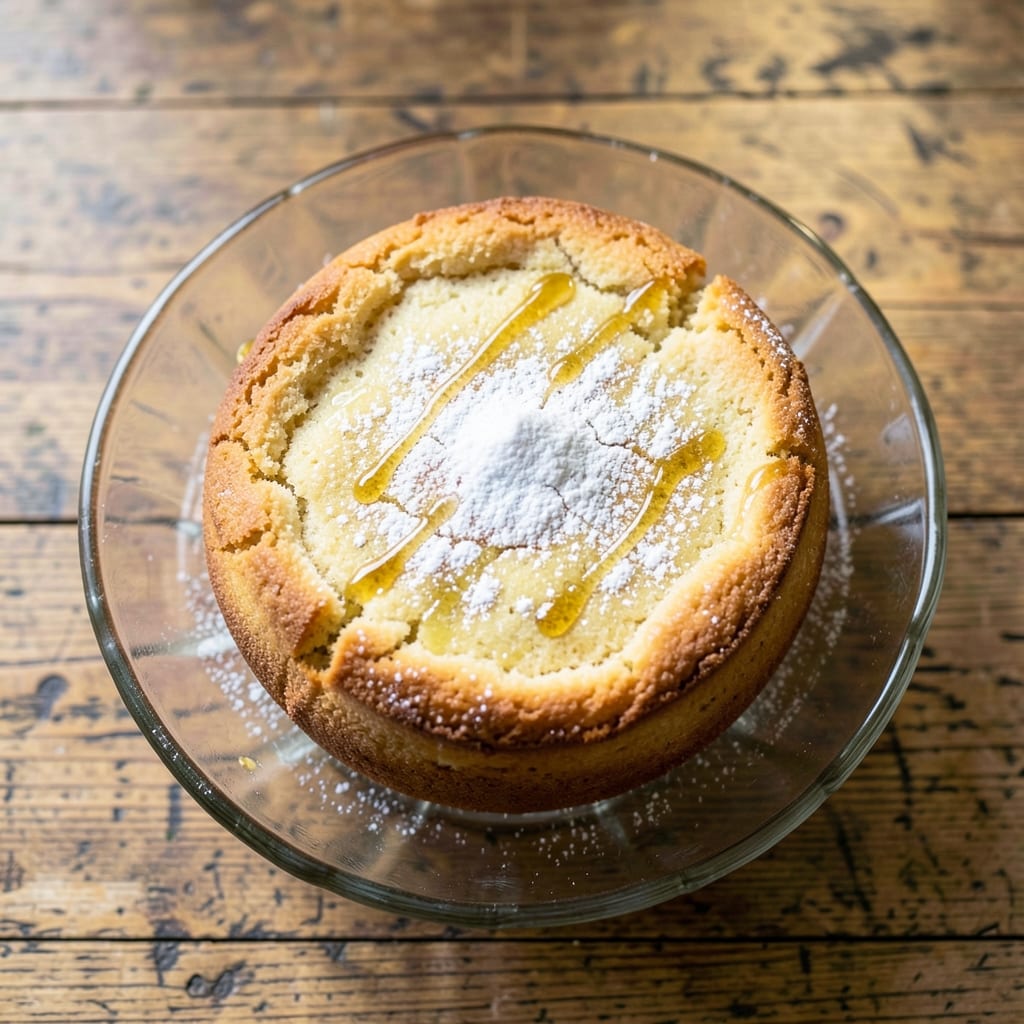
This 2-egg oil cake recipe delivers ultra-moist layers with a bright citrus zest kick that keeps every slice tender and flavorful. The secret lies in using oil instead of butter, which creates a velvety texture without drying out—perfect for breakfast or dessert cravings. I’ve perfected this recipe over years of testing, ensuring it never turns out dense or crumbly.
The magic happens with a simple technique: whisking eggs and oil together until fully emulsified, then folding in dry ingredients just until combined. This method guarantees moistness without overmixing, while the citrus zest adds a refreshing zing that balances the sweetness. The cake bakes up with a golden crust and a tender crumb that stays soft for days.
What sets this recipe apart is its versatility—serve it plain with a dusting of powdered sugar, layer with whipped cream, or top with fresh berries for a brunch showstopper. The oil-based method also makes it ideal for dietary preferences, as it naturally contains no dairy or gluten (when using the right flour). Ready in under an hour, it’s the perfect make-ahead treat.
For extra flair, brush the warm cake with a simple syrup made from equal parts sugar and water, or add a sprinkle of cinnamon to the batter. The possibilities are endless, but the foundation—two eggs, oil, and citrus—is what makes it foolproof. Let’s get baking!
Ingredients for 2 egg cake recipe with oil
Two eggs, one cup oil, and citrus zest transform simple ingredients into velvety layers.
| Ingredient | Amount | Notes |
|---|---|---|
| Large Eggs 🥚 | 2 whole | Room temperature for best mixing |
| Granulated Sugar 🍚 | 1 ½ cups | White or light brown preferred |
| Extra-Virgin Olive Oil 🫒 | 1 cup | High quality, fruity variety |
| All-Purpose Flour 🌾 | 1 ¾ cups | Sifted for even texture |
| Baking Powder 🍞 | 1 ½ tsp | Aluminum-free preferred |
| Salt 🧂 | ½ tsp | Fine sea salt preferred |
| Lemon Zest 🍋 | 1 tbsp | Freshly grated, fine zest |
| Orange Zest 🍊 | 1 tbsp | Freshly grated, fine zest |
| Unsweetened Almond Milk 🥛 | ½ cup | For extra moisture |
| Vanilla Extract 🌸 | 1 tsp | Pure vanilla preferred |
| Powdered Sugar 🍚 | ¼ cup | For dusting finished cake |
The eggs need to be room temperature—cold eggs won’t emulsify properly with the oil, leading to dry cake. Blue Diamond or Kirkland eggs work perfectly, but any large eggs will do. For the citrus zest, use organic lemons and oranges if possible—their skins are thicker and yield more flavorful zest. Whole Foods or Trader Joe's carry excellent organic citrus year-round. The olive oil is non-negotiable here; avoid the cheap, strong-tasting bottles. California Olive Ranch or Colavita are reliable brands that deliver consistent quality.
No almond milk? Oat milk or whole milk work equally well—just stick to unsweetened varieties. Fresh lemon and orange zest can be hard to find in winter, but dried citrus peel (found in baking aisles) is a decent substitute at half the amount. Want more depth? Add 1/2 tsp cinnamon or cardamom to the dry ingredients. The vanilla extract should be pure—imitation vanilla will fall flat. If you’re short on time, vanilla bean paste from Trader Joe's is a great shortcut that still delivers serious flavor.
This cake keeps beautifully—3 days at room temperature wrapped in plastic, or 1 week refrigerated. For longer storage, slice and freeze portions between parchment paper; they thaw in 10 minutes in the microwave. The powdered sugar topping is optional but adds that bakery-fresh finish. Brush the warm cake with simple syrup (equal parts sugar and water, heated until dissolved) for extra moisture if serving immediately. Portion into layers with fresh berries or whipped cream for a showstopper dessert.
Why You'll Love This Recipe
- No Mixer Needed: I swear by this—just crack, whisk, fold. The olive oil keeps it tender without needing a stand mixer or even a hand mixer. Two eggs and a fork do the trick, and honestly? The result is smoother than anything I’ve made with dry, heavy batter.
- Sweet & Subtle Magic: That olive oil isn’t just for moisture—it adds a gentle richness that balances the sugar perfectly. The cake rises just enough to stay light, but it’s dense enough to hold onto that buttery-sweet flavor. Trust me, it’s the kind of simple dessert that tastes made with love (even if you’re just eating it straight from the pan).
- Breakfast or Snack: Here’s what sold me—this works for anything. Serve it warm with a drizzle of honey for breakfast, cut into squares for a quick snack, or even crumble over yogurt. My kids grab it cold from the fridge when they’re hungry, and my husband sneaks slices when he thinks I’m not looking.
- Pantry-Friendly & Frugal: Two eggs, a cup of sugar, a splash of oil—this recipe uses what you already have. No weird ingredients, no last-minute store runs. And the leftovers? They stay fresh for days, so you’re not scrambling to bake again. Between us, I’ve made this with expired flour (yes, really) and it still came out fine. Reliable, cheap, and always hits the spot.
Step-by-step instructions for ultra-moist citrus oil cake
This method delivers perfectly tender layers with a bright citrus aroma and moist crumb every time.
Prep Ingredients for Perfect Texture
Start by sifting together the 1.75 cups all-purpose flour, 1.5 teaspoons baking powder, and 0.5 teaspoon salt into a medium bowl. This step ensures an even distribution of leavening agents, which prevents dense spots in your cake. Set aside until ready to combine with wet ingredients.
In a separate bowl, whisk together the 2 whole large eggs (room temperature) and the 1.5 cups granulated sugar until the mixture becomes pale and thick—about 3-4 minutes using an electric mixer on medium speed. This creaming process incorporates air, which helps create that signature tender crumb. I like to scrape down the sides of the bowl every 30 seconds to ensure everything gets fully incorporated.
Combine Wet Ingredients for Maximum Moisture
With the mixer running on low speed, gradually add the 1 cup extra-virgin olive oil to the egg-sugar mixture. The oil should blend in smoothly, creating a rich, velvety batter. Next, stir in the 0.5 cup unsweetened almond milk and 1 teaspoon vanilla extract until fully combined. This step ensures the cake remains moist—almond milk adds subtle richness while keeping the texture light.
In a small bowl, whisk together the 1 tablespoon lemon zest and 1 tablespoon orange zest with a splash of water to form a fine paste. This prevents clumping and ensures even distribution of that bright citrus flavor throughout the cake. Add this zest mixture to the wet ingredients and mix until fully incorporated.
Fold Dry Ingredients for Light Layers
With the mixer on low speed, gradually add the sifted dry ingredients to the wet mixture. Mix just until combined—about 15-20 seconds—to avoid developing gluten, which would make the cake tough. Here's the thing: Overmixing is the enemy of tender cakes. You want to see just a few streaks of flour remaining in the batter.
Pour the batter into two 8-inch round cake pans lined with parchment paper. The batter should fill the pans about two-thirds full. Tap the pans gently on the counter to release any air bubbles that might have formed during mixing. This ensures even rise and prevents cracks in the finished cake.
Bake Until Golden and Springy
Preheat your oven to 350°F. Place the pans in the center rack and bake for 25-30 minutes, or until a toothpick inserted into the center comes out clean. The cake should have a golden-brown hue and pull away slightly from the edges of the pan. Here's a pro tip: If the tops brown too quickly, tent the pans with aluminum foil after 15 minutes to prevent over-browning while allowing the centers to cook through.
Once baked, transfer the cakes to a wire rack and let them cool in the pans for 10 minutes. This brief resting period helps the cakes set slightly before removing them from the pans. Then, carefully run a thin knife around the edges to loosen any stuck cake, and transfer to the rack to cool completely. The result should be tender, moist layers with a subtle citrus aroma that lingers with every bite.
Dust with Powdered Sugar for Finishing Touch
Once the cakes have cooled completely, dust the tops with 0.25 cup powdered sugar using a fine-mesh sieve. This step adds a delicate sweetness and enhances the visual appeal of your cake. Serve the cake at room temperature for the best texture and flavor. The citrus zest infuses the entire cake with a bright, refreshing note, while the olive oil keeps it moist and rich—no dry crumb here.
Pro Tips For Making 2 Egg Cake Recipe With Oil
- WHISK EGGS UNTIL FROTHY: I learned this the hard way—whisking eggs until they’re pale, thick, and hold a ribbon when the whisk is lifted (about 30 seconds longer than you think) makes a noticeable difference in texture. This recipe relies on eggs for structure, so skip the lazy half-hearted whisking.
- MEASURE FLOUR BY WEIGHT: That scoop-and-sweep method? It’s ruining your cake. Flour compacts differently, and this tiny recipe is especially sensitive—use a kitchen scale for 80g (about ⅔ cup) and level it properly. I was skeptical until I tried it; the crumb is lighter and more consistent.
- DON’T OVERMIX THE BATTER: After combining wet and dry ingredients, give it one gentle fold. Overmixing develops gluten, turning your tender cake into a dense brick. I used to mix until it looked "even," but now I stop as soon as the flour disappears—about 10 strokes max.
- BAKE AT 350°F FOR 20-22 MINUTES: This isn’t a guess—your oven’s hot spots will lie to you. Use an oven thermometer to confirm the temp, and check doneness at 20 minutes with a toothpick (it should come out clean or with a few crumbs). Sounds weird, but it works: my first batch was gummy because I trusted the dial.
Wine and beer pairings for this recipe
Crisp Whites
This cake’s bright citrus notes and tender crumb pair beautifully with dry, crisp whites that cut through the richness. I love a Sauvignon Blanc from New Zealand—its zesty lime and grapefruit flavors mirror the lemon and orange zest in the cake. Look for one with 12-14% ABV from Kim Crawford or Oyster Bay for that perfect balance of acidity and fruitiness. Serve slightly chilled to enhance the citrus undertones. 🍷
Light Bodied Reds
For a red wine lover, a Pinot Noir from Oregon or California is ideal—its delicate berry and floral notes complement the cake’s subtle sweetness without overpowering. I reach for La Crema or Meiomi for their smooth, approachable profiles. The 12-13% ABV range ensures it won’t clash with the cake’s light texture. Let it breathe for 10-15 minutes before serving to soften tannins and highlight the citrus. 🍇
Sparkling Options
Celebrate with a Prosecco or Cava to cleanse your palate between bites. The effervescence balances the cake’s richness, while the apple or pear notes in a La Marca Prosecco or Freixenet Cordon Negro enhance the citrus. Serve well-chilled (45-50°F) to maintain that crisp, refreshing contrast. A ½ glass per serving keeps the experience light and airy. ✨
Beer Pairings
A Belgian Witbier like Hoegaarden or Stella Artois adds a crisp, citrusy contrast that echoes the cake’s lemon and orange zest. The coriander and orange peel notes create a harmonious bridge between the dessert and drink. For a richer option, try a honey wheat ale like Blue Moon—its subtle sweetness complements the cake’s texture without competing. Serve ice-cold (38-40°F) for the best experience. 🍺
Coffee or Tea
Skip the booze and go for a lightly sweetened chai latte or espresso to balance the cake’s richness. The spiced warmth of chai enhances the citrus notes, while the bitter notes in espresso cut through the sweetness. For a non-caffeinated option, a green tea-infused iced tea with a splash of honey adds a refreshing finish. Serve over ice for a brunch-friendly pairing. ☕
Nutrition facts
Frequently asked questions
Why does this recipe use oil instead of butter?
Oil creates a moist, tender crumb that stays fresh longer than butter-based cakes. It also prevents dryness, especially in citrus-infused recipes where the zest can draw out moisture. The olive oil adds subtle richness while keeping the texture velvety—ideal for breakfast or brunch!
Can I make this cake in a single 9-inch pan instead of two 8-inch pans?
Yes! Reduce baking time to 20-25 minutes in a 9-inch pan (preheated to 350°F). The batter will be thicker, so check for doneness with a toothpick at 18 minutes. The cake may rise slightly higher but will still have that signature tender texture.
What if I don’t have almond milk? Can I substitute it?
Use oat milk, whole milk, or even water in a 1:1 ratio. For extra richness, add 1 teaspoon melted butter to compensate for the oil’s moisture. The cake will still turn out light and tender—just slightly less nutty.
How do I prevent the cake from cracking on top?
Cracking usually happens from overbaking or dry heat. To avoid it: Bake at 350°F and tent with foil after 15 minutes if the top browns too quickly. Also, ensure your oven isn’t too hot—calibrate it if needed. A water bath (bain-marie) can also help retain moisture.
Can I add chocolate chips or nuts to this recipe?
Yes, but adjust the baking time! Fold in ½ cup chocolate chips or chopped nuts after mixing the dry ingredients, then bake 2-3 minutes longer to ensure they’re fully cooked. For nuts, toast them first to enhance flavor. The citrus notes will still shine through!