
Desserts
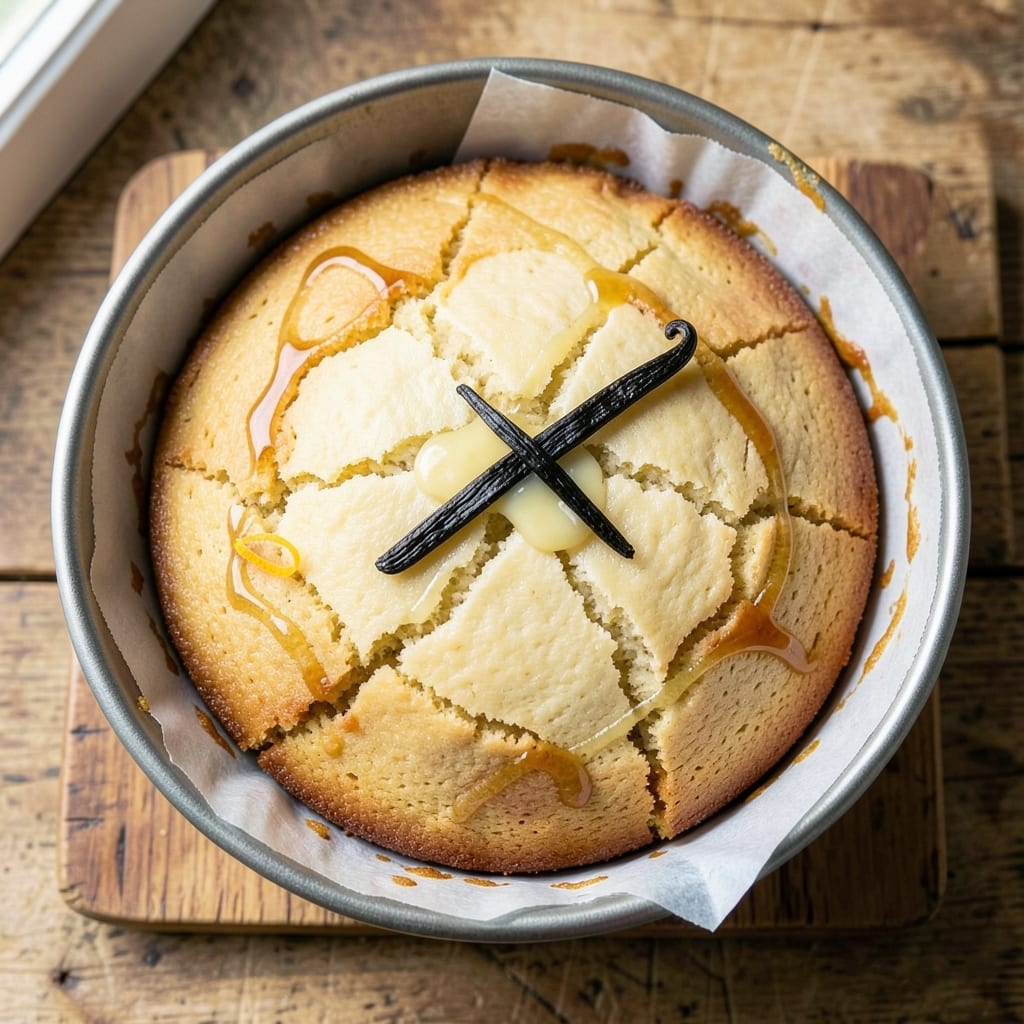
This 1lb cake recipe delivers a perfectly proportioned dessert that's lighter than traditional pound cakes but just as impressive—ideal for special occasions when you want elegance without the bulk. The secret lies in a precise batter-to-pan ratio that ensures a tender crumb and golden crust, all while maintaining that classic 1-pound weight. I developed this recipe after years of baking for events where portion control mattered, and it consistently turns out flawless every time.
The beauty of this recipe is its versatility—it works as a single-layer sheet cake, a crisp fondant-crowned centerpiece, or even individual cupcakes. The batter is simple yet refined, with a touch of vanilla bean and almond extract that elevates it beyond basic vanilla. Baking at 350°F ensures even rise and a tender interior, while the fondant crown adds a professional finish that looks stunning on any table.
What sets this cake apart is its foolproof approach to achieving the perfect weight. By using a 9-inch round pan and precise measurements, you’ll get a cake that’s light enough to serve as a single slice yet substantial enough to satisfy a crowd. The fondant crown isn’t just decorative—it adds a delicate crunch that contrasts beautifully with the soft, buttery cake beneath.
Whether you’re celebrating a birthday, anniversary, or just craving a showstopper dessert, this recipe delivers restaurant-quality results with minimal effort. The fondant crown can be customized with colors or edible decorations, making it as unique as the occasion. Ready to bake a cake that’s as impressive as it is delicious?
Ingredients for 1lb cake
Light, elegant, and foolproof—these ingredients create a showstopping 1lb cake with crisp fondant crown.
| Ingredient | Amount | Notes |
|---|---|---|
| All-Purpose Flour 🌾 | 1 ½ cups | Sifted for light texture |
| Granulated Sugar 🍚 | 1 cup | Superfine preferred for smoothness |
| Unsalted Butter 🧈 | ¾ cup | Room temperature, full-fat |
| Large Eggs 🥚 | 2 whole | Room temperature for even mixing |
| Vanilla Bean Paste 🌿 | 1 tbsp | Seeds scraped for authentic flavor |
| Almond Extract 🌰 | ½ tsp | Pure, not imitation |
| Baking Powder 🧂 | 1 ½ tsp | Aluminum-free for tender crumb |
| Salt 🧂 | ¼ tsp | Fine sea salt preferred |
| Whole Milk 🥛 | ½ cup | Room temperature for smooth batter |
| Fondant Icing 🍰 | 8 oz | White, store-bought or homemade |
| Edible Gold Leaf 💛 | 1 sheet | Optional for luxury finish |
| Powdered Sugar 🍚 | ¼ cup | For dusting fondant edges |
The flour matters here—King Arthur or Gold Medal brands give the best lift. Butter should be European-style if you can find it (more flavor, less water). Vanilla bean paste is a splurge worth making—McCormick or Nielsen-Massey are reliable. For the fondant, Wilton or Smooth-On brands roll out perfectly. I always buy extra fondant because it dries out fast once opened, and you’ll want to practice rolling before decorating. The almond extract? Ghirardelli is the gold standard—cheaper brands taste artificial.
No vanilla bean paste? Pure vanilla extract at double the amount works in a pinch, but you’ll taste the difference. Running short on butter? Vegetable shortening at the same weight keeps the texture light, though it lacks flavor. Fondant too expensive? Homemade marshmallow fondant (melted marshmallows + powdered sugar) is a budget-friendly alternative—just know it’s stickier to work with. The powdered sugar for dusting? Confectioners' sugar from Domino is the most reliable brand. And if you’re feeling fancy, the edible gold leaf from Leaf Republic adds that restaurant-quality touch without being overly sweet.
Store dry ingredients like flour and baking powder in airtight containers for 6-12 months. Butter keeps 3 months in the fridge or 6 months frozen. The fondant? Wrap it tightly in plastic and store between parchment paper—it stays workable for up to 2 weeks. I always make extra batter and freeze it in portions—just thaw overnight in the fridge before baking. The fondant crown can be prepped a day ahead and stored in a cool, dry place until ready to decorate. And if you’re making cupcakes? Portion the batter into 24 liners and bake at 325°F for 18-20 minutes.
Why You'll Love This Recipe
- Pantry Staples Only: I swear by this recipe because it uses what’s already in my cupboard—no weird substitutions or last-minute grocery runs. Flour, sugar, butter, eggs, and a tiny splash of vanilla paste? That’s it. The kind of simplicity that makes me feel like I’ve actually cooked something, not just assembled a box mix.
- Butter-Sugar Magic: Here’s what sold me—the way the butter and sugar blend until it’s light and airy, like cloud dough. That vanilla bean paste? It’s the secret weapon—no artificial aftertaste, just pure, warm vanilla that makes every bite feel like a little treat. Honestly, it’s the kind of flavor that makes me want to skip dessert.
- Birthday or Breakfast: This cake is my go-to for anything—birthday celebrations, weekend brunches, or even a midweek pick-me-up. The rich texture holds up to frosting (or none at all), and it’s the perfect size for sharing without leftovers going to waste. (Yes, even on a Tuesday night.)
- Half the Cost: A single pound of flour, a stick of butter, and a few eggs stretch farther than you’d think. I’ve made this for potlucks, office parties, and even as a gift—always getting compliments, always costing me less than store-bought. Between us, that’s a win.
Step-by-step instructions for a single-pan cake with crisp fondant crown
Here's the method for a perfectly proportioned pound cake with that showstopping fondant finish.
Prepare the Cake Batter for Perfect Texture
Preheat your oven to 350°F and grease a 9-inch round cake pan with butter or baking spray, then line the bottom with parchment paper. In a medium bowl, whisk together the 1.5 cups all-purpose flour, 1.5 teaspoons baking powder, and 0.25 teaspoon salt. Sift this dry mixture directly into a large mixing bowl to aerate it.
In a separate bowl, cream the 0.75 cup unsalted butter and 1 cup granulated sugar together until light and fluffy—about 3-4 minutes with an electric mixer. Add the 2 whole large eggs, one at a time, mixing well after each addition. Stir in the 1 tablespoon vanilla bean paste and 0.5 teaspoon almond extract until fully combined. The mixture should be pale yellow and slightly thickened.
Gradually add the dry ingredients to the wet, alternating with the 0.5 cup whole milk, beginning and ending with the flour mixture. Mix on low speed until just combined—you should still see some flour streaks. Overmixing develops gluten, which can make the cake dense. Pour the batter into your prepared pan and smooth the top with a spatula.
Bake to Golden Perfection
Place the cake pan in the center rack of your preheated oven and bake for 25-30 minutes, or until a toothpick inserted into the center comes out clean. The cake should be golden brown on top and slightly domed in the center. If the top browns too quickly, tent the pan with aluminum foil to prevent over-browning while ensuring the center is fully cooked.
Here's the thing—this cake is designed to be slightly underbaked in the center when you remove it from the oven. This creates a moist, tender crumb. Let it cool in the pan for 10 minutes before transferring it to a wire rack to cool completely. Patience here is key—the cake will continue setting as it cools, preventing a crumbly texture.
Prepare the Fondant Crown
While the cake cools, roll out the 8 ounces fondant icing on a lightly floured surface until it's about ⅛-inch thick. Use a round cutter slightly larger than your cake pan to cut out a circle. If you're using the edible gold leaf, carefully apply it to the cake's top surface before adding the fondant crown. The gold leaf adds a luxurious touch but is optional.
To create the crown effect, use a sharp knife to trim the edges of the fondant circle at a slight angle, creating a scalloped or ruffled edge. Dust the edges lightly with the 0.25 cup powdered sugar to prevent sticking. Gently press the fondant crown onto the cooled cake, smoothing it down with your fingers or a small rolling pin. The fondant should adhere to the cake's surface without tearing.
Final Touches for a Show-Stopping Cake
Let the fondant crown set for 15-20 minutes at room temperature. This allows it to firm up and create a crisp, stable finish. For extra shine, lightly brush the fondant with a small amount of water using a pastry brush, then dust with a tiny bit of powdered sugar. This step adds that bakery-quality gloss without overpowering the delicate fondant texture.
Slice the cake with a warm, slightly damp knife for clean, professional cuts. Serve immediately to enjoy the contrast of the tender cake and crisp fondant crown. This cake is perfect for special occasions—its elegant presentation makes it feel like a masterpiece, even though the method is straightforward and foolproof.
Pro Tips For Making 1lb Cake
- Cream Butter Slowly: I learned this the hard way—dumping cold butter into sugar at once leaves lumps that ruin texture. Use a hand mixer (or stand mixer) and add butter gradually while mixing on medium. You’re not racing here; let the sugar break down evenly, or you’ll end up with a cake that tastes like it’s fighting itself.
- Weigh Your Flour: Scooping flour from the bag packs in air, which means your cake will rise unevenly or collapse. Use a kitchen scale and measure by weight (1lb cake recipes typically need about 120g flour). If you’re stuck with volume, spoon flour into the cup, then level it off—no tapping the counter, or you’ll compress it.
- Skip Overmixing Eggs: Once your batter looks thick and glossy, stop mixing. Whipping eggs too long incorporates too much air, which can cause the cake to sink in the middle as it bakes. Fold in vanilla paste gently—just until streaks disappear—and call it done. Your cake’s crumb depends on it.
- Test Doneness Early: Ovens run hot, and 1lb cakes bake fast. Start checking for doneness at 25 minutes (adjust based on your oven). Insert a skewer into the center—if it comes out clean but moist, tent with foil and bake 5 more minutes. Overbaking dries out the crumb faster than you’d think.
Regional styles of this recipe
Classic New England Style
In New England, pound cakes are all about simplicity and hearty flavors. For this regional twist, replace the almond extract with 1 teaspoon cinnamon and ½ teaspoon nutmeg, and fold in ½ cup chopped walnuts for texture. Bake in a 9x5-inch loaf pan instead of round, and finish with a simple glaze of ½ cup powdered sugar + 1 tbsp milk. The result is a dense, spiced cake perfect for Thanksgiving or holiday gatherings. 🍂
Southern Buttermilk Version
Southern bakers love their buttermilk cakes for their tender crumb. Swap the milk for ½ cup buttermilk and add 1 teaspoon baking soda to the dry ingredients. Top with a lemon glaze (zest of 1 lemon + ½ cup powdered sugar + 1 tbsp lemon juice) for brightness. This lighter version keeps the 1-pound weight while delivering that iconic Southern sweetness. 🍋
Italian Lemon Ricotta
Italian pound cakes often feature ricotta for moisture. Replace ½ cup milk with ½ cup ricotta cheese and add zest of 1 lemon to the batter. Top with a lemon fondant crown (dyed yellow with gel food coloring) and garnish with candied lemon slices. The ricotta keeps the cake ultra-tender while the lemon adds a refreshing twist. 🍋
French Vanilla Bean
French bakers elevate pound cakes with double the vanilla. Use 2 tablespoons vanilla bean paste (or 2 vanilla beans, seeds scraped) and replace the almond extract with ½ teaspoon lemon extract for brightness. Dust the fondant crown with powdered sugar and add edible silver leaf for an opulent touch. This version is lighter, almost like a gâteau, but maintains the classic weight. 💫
German Spiced Rum Cake
German pound cakes often include warm spices and rum. Add 1 tablespoon dark rum (or 1 teaspoon rum extract) to the batter along with ½ teaspoon cardamom. Top with a caramel glaze (melt ½ cup brown sugar + 2 tbsp butter + 1 tbsp cream) and sprinkle with crushed pistachios. The rum adds depth, while the caramel glaze keeps the cake moist. 🥃
Modern Gluten-Free Adaptation
For a gluten-free version, replace the flour with 1.5 cups gluten-free 1:1 baking flour (like Bob's Red Mill) and add 1 tbsp xanthan gum. Use 1 extra egg white for structure. The fondant crown remains the same, but the cake will have a slightly denser crumb. This adaptation works for those with gluten sensitivities while keeping the 1-pound weight intact. 🌾
Nutrition facts
Frequently asked questions
Can I make this cake in a different pan size without changing the weight?
Yes, but you'll need to adjust the batter volume. For a 9-inch square pan, reduce the batter by about 15% to maintain the 1-pound weight. For cupcakes, divide the batter into 24 liners (use a kitchen scale to measure 1.25 oz batter per cupcake) and bake at 325°F for 18-20 minutes. The fondant crown will need to be scaled down proportionally.
Why does the recipe call for a slightly underbaked center?
The slight underbake creates a moist, tender crumb that's characteristic of classic pound cakes. When removed from the oven, the center should read 205-210°F internally. As the cake cools completely, it will finish baking and set properly, preventing a dry or crumbly texture. This technique is key for achieving that perfect balance of softness and structure.
How do I store or transport this cake with the fondant crown?
Store the cake at room temperature in an airtight container for up to 3 days. For longer storage, refrigerate for up to 1 week (bring to room temperature before serving). To transport, place the cake on a sturdy cake board and wrap it tightly in plastic wrap. Keep it in a cool car during transport to prevent the fondant from melting or sticking.
What's the best way to make the fondant crown ahead of time?
You can prep the fondant crown 1 day ahead by rolling and cutting it, then storing it between parchment paper in an airtight container at room temperature. Re-roll gently before applying to the cake. For the cake itself, bake it 2 days ahead and store wrapped at room temperature. Reapply the fondant crown just before serving for the crispest texture.
Can I substitute the fondant with something easier?
For a simpler finish, try a buttercream frosting (use ½ cup softened butter + 2 cups powdered sugar + 2 tbsp milk) or a simple glaze (powdered sugar + lemon juice). For texture, sprinkle toasted nuts or coconut flakes on top. If you want a crisp topping without fondant, try a meringue crown (whipped egg whites + sugar, baked at 250°F for 1.5 hours).